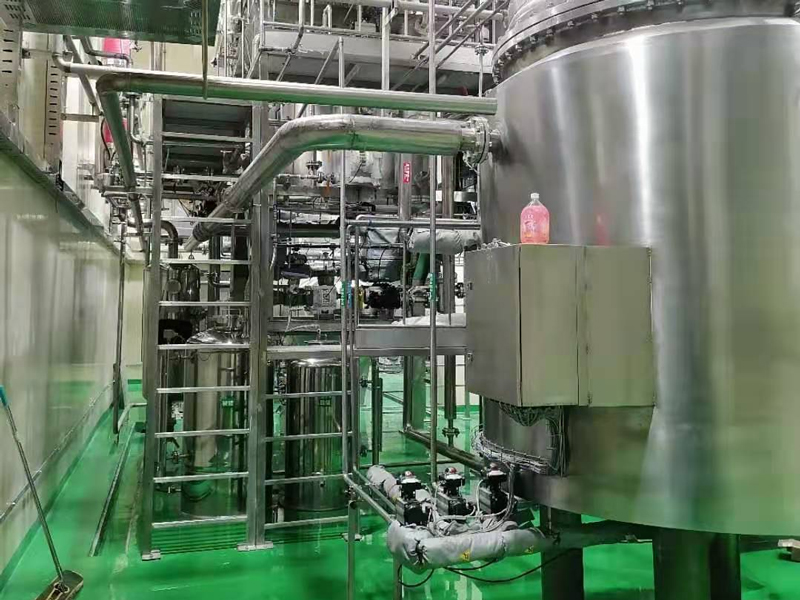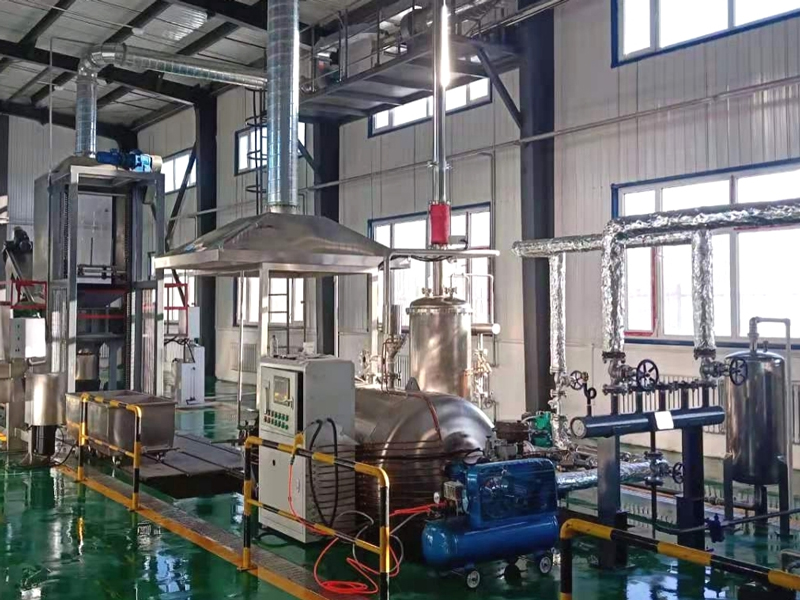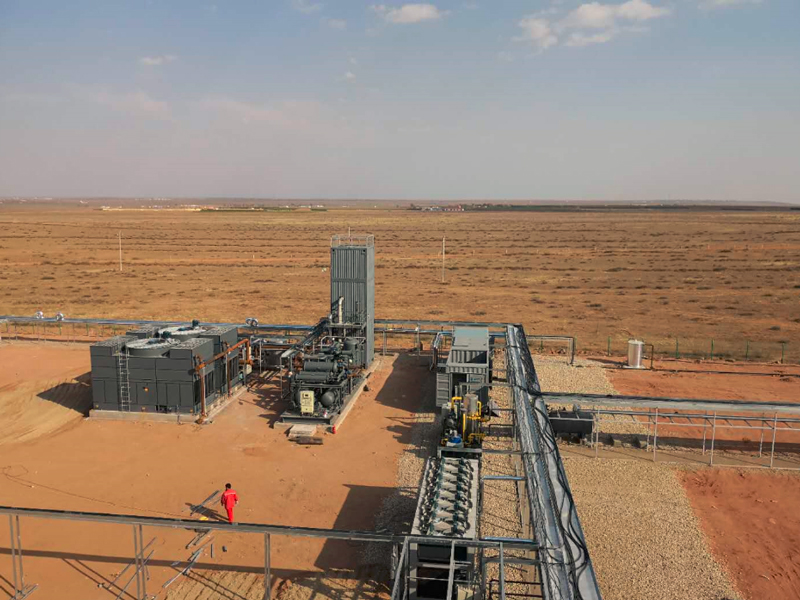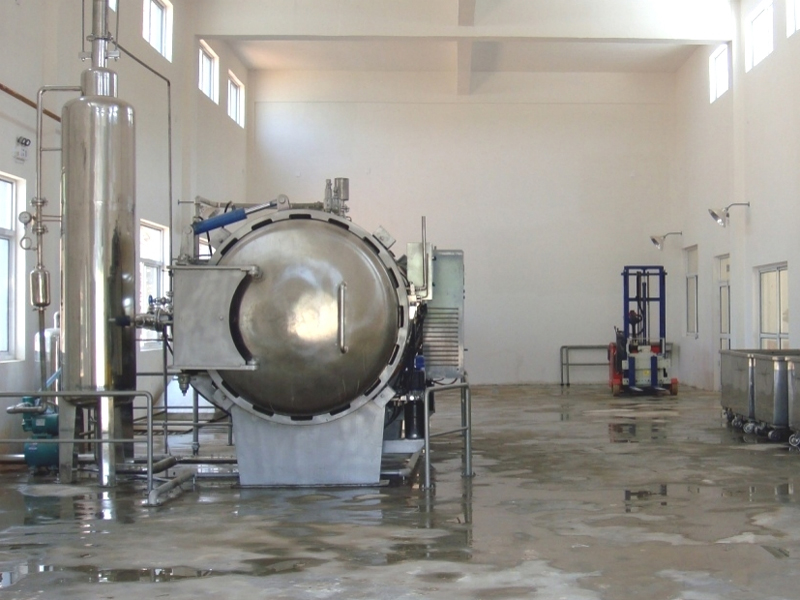
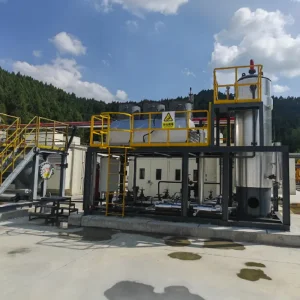
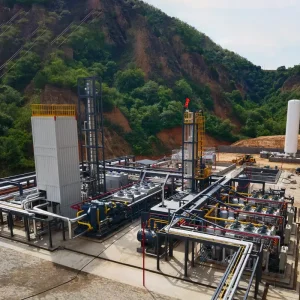
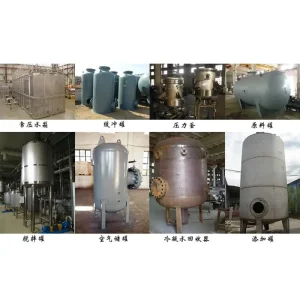
A Jet Stirred Reactor (JSR), historically referred to as a continuously stirred tank reactor utilizing high-velocity gas jets, represents the peak of gas-phase kinetic investigations. By ensuring ideal homogeneity of temperatures and species concentrations within the reaction zone, JSRs serve as the baseline testing ground for combustion modeling, pyrolysis testing, and oxidation kinetics of complex hydrocarbons. Within the modern process landscape, scaling this laboratory-grade homogeneity up to large-scale industrial chemical synthesis requires advanced engineering parameters, robust manufacturing tolerances, and state-of-the-art pressure vessel design.
Globally, chemical industries are transitioning toward highly efficient, low-emission processes. Jet Stirred Reactors are seeing widespread adoption not only in pure combustion research laboratories but also in high-throughput industrial chemical manufacturing. These reactors enable exact simulation of chemical kinetics at pressures ranging from sub-atmospheric levels up to 50 bar and temperatures exceeding 1200 K. They are critical for evaluating carbon-neutral fuels, synthesizing advanced polymers, and optimizing VOC abatement thermal oxidizers.
As standard stirred-tank reactors face limitations in high-viscosity mass transfer and high-velocity fluid mixing, jet-induced agitation eliminates the need for mechanical shafts, thereby preventing leak pathways. This makes them highly suitable for volatile, toxic, and high-pressure chemical environments.
China's industrial manufacturing ecosystem has shifted from volume-based production to high-tech, precision engineering. In the chemical reactor domain, Chinese factories leverage comprehensive raw material integration, local specialized talent, and large-scale machining systems to produce customized JSRs. These facilities adhere to strict international pressure standards, including ASME, CE-PED, and China's A2 Pressure Vessel certifications.
By blending advanced computational fluid dynamics (CFD) with localized manufacturing, Chinese manufacturers like Hebei Hongke Qingneng offer superior technical execution, shorter production timelines, and robust technical support, facilitating seamless project integration for global energy companies.
Hebei Hongke Qingneng Environmental Protection Equipment Co., Ltd. stands at the intersection of cryogenic engineering, thermodynamics, and advanced pressure vessel manufacturing. With a registered capital of 78 million yuan, our facility in the Sanhe Economic Development Zone designs and constructs highly complex process installations under the direction of leading domestic scholars.
Founder & Chairman
Doctorate from the Institute of Physics and Chemistry Technology, Chinese Academy of Sciences (CAS). National Senior Engineer. Recipient of the Special Prize of Technological Invention of Chinese Society of Refrigeration (2015) and First Prize of Beijing Science and Technology Award (2016). Over 20 independent R&D patents developed for large-scale engineering applications.
General Manager
Senior Engineer of the Institute of Physics and Chemistry Technology, CAS. Led numerous "12th Five-Year" national major science and technology special projects. Published 24 academic papers (11 SCI/EI indexed), holds 5 national invention patents. Experienced in executing complex industrial project deliveries.
Chief Engineer
Doctor of Engineering, Institute of Physics and Chemistry Technology, CAS. Pioneer in mixed-refrigerant thermodynamic phase change characteristics. Recipient of Beijing Science & Technology Award. Oversees all custom non-standard reactor processes and skid-mounted liquefaction design.
The operational performance of a Jet Stirred Reactor depends on the spatial distribution of kinetic energy transferred from the feed jets to the bulk fluid. Mechanical stirring is replaced by sonic or near-sonic gas nozzles strategically placed within the vessel. This configuration offers distinct advantages:
By using fluid jet kinetic energy, JSRs require no dynamic seals. This prevents fugitive VOC emissions and ensures containment of hazardous chemicals, aligning with global environmental safety protocols.
Perfect mixing reduces temperature gradients within the vessel, minimizing localized hot spots that can cause thermal runaway or catalyst degradation.
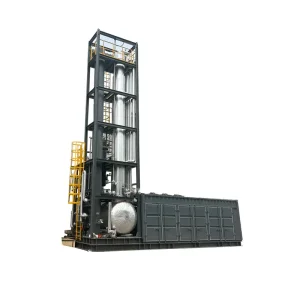
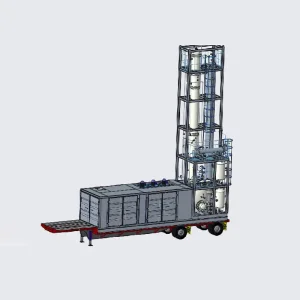
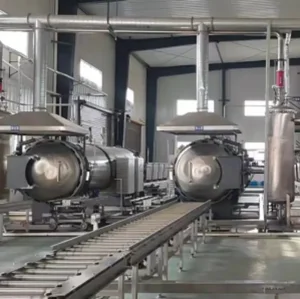
Our JSR systems are integrated into pre-commissioned, skid-mounted frames. This design reduces field installation times, decreases CAPEX, and ensures modular scaling for processing plants.
Chinese factories excel in combining core metallurgy with custom mechanical processing. With our A2-level pressure vessel manufacturing license, GB/T19001-2016 quality management system, and HSSE certifications from Sinopec and CNPC, Hebei Hongke Qingneng ensures every reactor meets strict international safety standards. Using specialized alloys like Hastelloy, Inconel, and various grades of Stainless Steel (316L, 321), our reactors deliver long-term reliability in high-temperature, corrosive environments.
Beyond experimental kinetics, the thermal principles of JSRs are applied across our complete product lines, addressing gas purification, waste processing, and clean energy production.
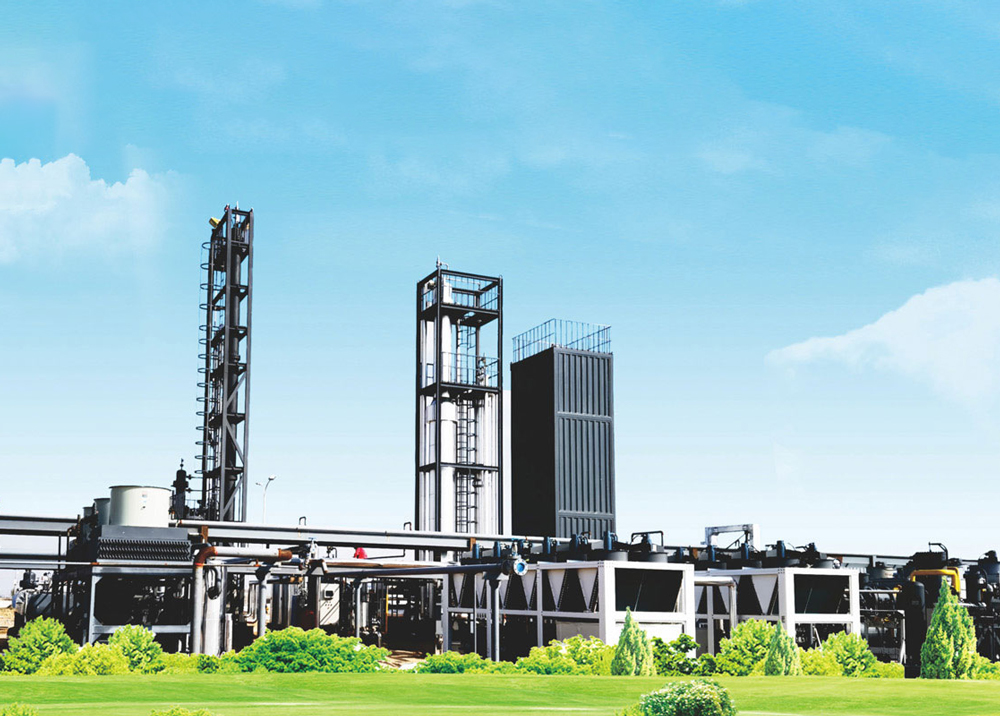
The transition from laboratory-scale Jet Stirred Reactors to full-scale industrial processes requires precise design criteria. As an engineering-driven manufacturer, Hongke Qingneng uses computational modeling (CFD) and thermal calculations to optimize several key criteria:
As the chemical and energy industries move toward decarbonization, process equipment must evolve. JSRs will play an important role in analyzing and optimizing future fuel blends (such as hydrogen, ammonia, and bio-derived hydrocarbons). Scaling up these reactors requires overcoming challenges in nozzle durability, thermal stress resistance, and integrated sensor communication.
Hebei Hongke Qingneng continues to invest in scientific research in partnership with institutions like the Chinese Academy of Sciences. By combining thermodynamic analysis with advanced material processing, we design systems that help global partners meet strict emissions requirements while maintaining high operational safety.
 Hongke Qingneng