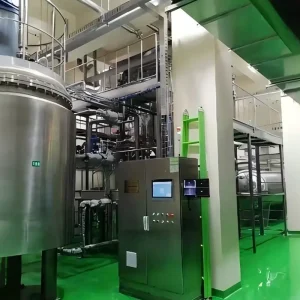
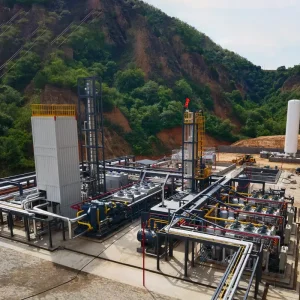
In modern energy infrastructure, the compressor vessel acts as a primary safety boundary and stabilization module in process lines. Globally, industries are experiencing transitions driven by gas recovery targets, low-carbon footprints, and hydrogen storage integration. Whether handling natural gas, associated gas, or air systems, the demand for high-integrity compressor vessels has risen due to extreme operating pressures and thermal cycling.
As critical units in processing loops, these vessels undergo complex mechanical stress, including cyclic pulsation and acoustic vibrations. Thus, international standards demand exact design protocols. Globally, manufacturing relies on regional certifications such as China's A2-class pressure vessel manufacturing license, alongside the ASME Section VIII design guidelines.
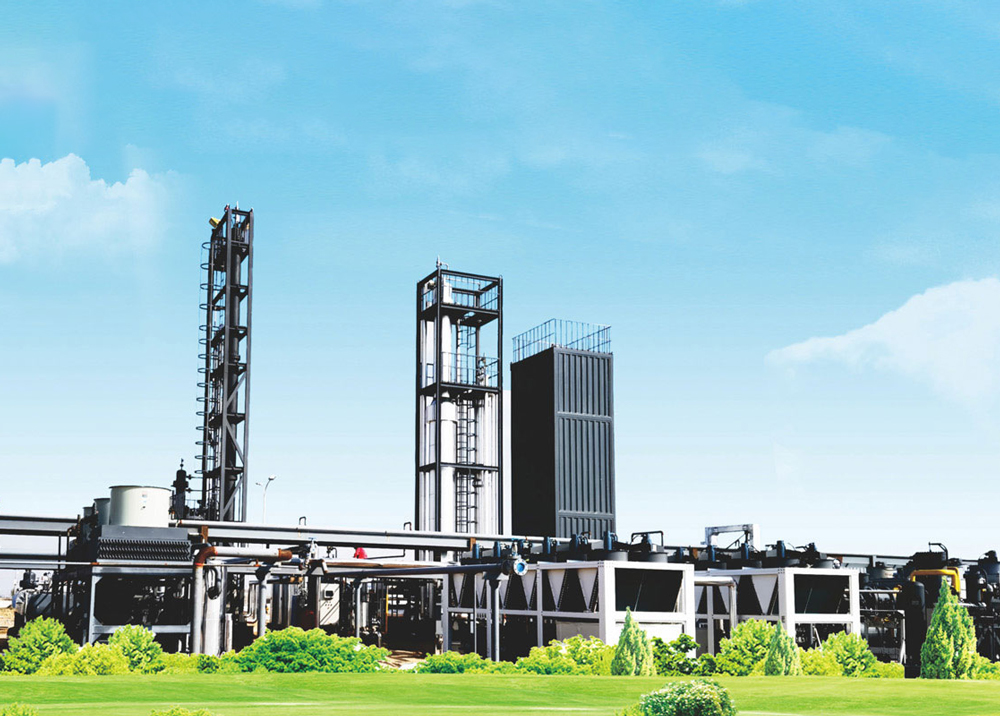
Hebei Hongke Qingneng Environmental Protection Equipment Co., Ltd. (established in June 2021 in Langfang City) bases its engineering on rigorous academic research. Led by specialists from Tsinghua University and the Institute of Physics and Chemistry Technology, Chinese Academy of Sciences (CAS), the company develops technologies for energy conservation, gas purification, and environmental protection.
Ph.D. from the Institute of Physics and Chemistry Technology (CAS). Recipient of the Special Prize of Technological Invention of the Chinese Society of Refrigeration (2015) and Beijing Science and Technology Award (2016). Over 20 patents and 50+ implemented skid-mounted units.
Senior Engineer at CAS. Managed scientific special projects, published 24 peer-reviewed papers (11 SCI/EI). Specialist in high-pressure piping components, refrigeration system interfaces, and process operations.
Doctor of Engineering from CAS. Specialist in phase change heat transfer characteristics and flow properties of multi-component working fluids. Designer of specialized thermal profiles for skid-mounted plants.
This academic framework enables the company to design pressure vessels, waste heat recovery machinery, gas purifiers, and low-temperature units. Compliance with safety systems is verified by Sinopec HSSE and China Petroleum Health, Safety and Environment Management System certifications.
Our pressure vessels and skid-mounted packages support multiple industrial processes:
Purification (deacidification, dehydration, and heavy hydrocarbon extraction) and skid-mounted liquefaction of coalbed methane and scattered gas.
Ultra-low temperature systems (-40℃ to -180℃), vacuum cold traps (-135℃), and freeze dryers (-70℃ to -100℃) for chemical processes.
High-temperature steam treatment for medical waste, laboratory animal tissue hydrolysis, and VOC exhaust management systems.
Cryogenic recovery systems designed to extract high-value helium from Boil-Off Gas (BOG) in LNG terminals.
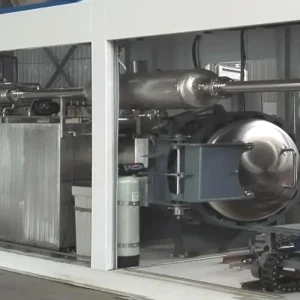
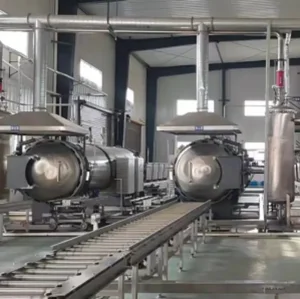
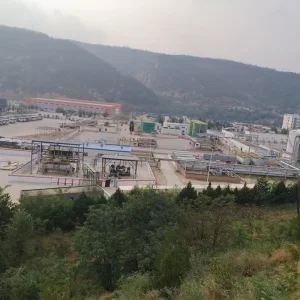
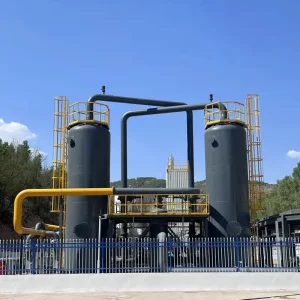
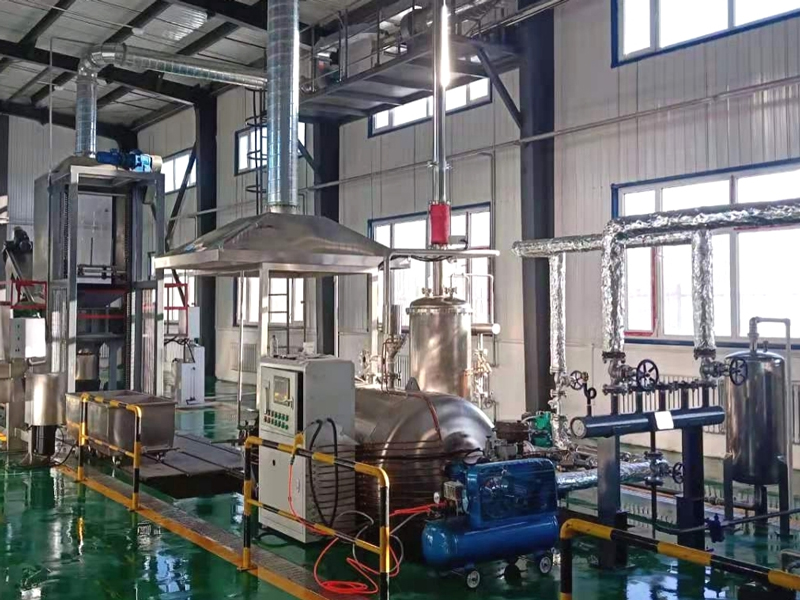
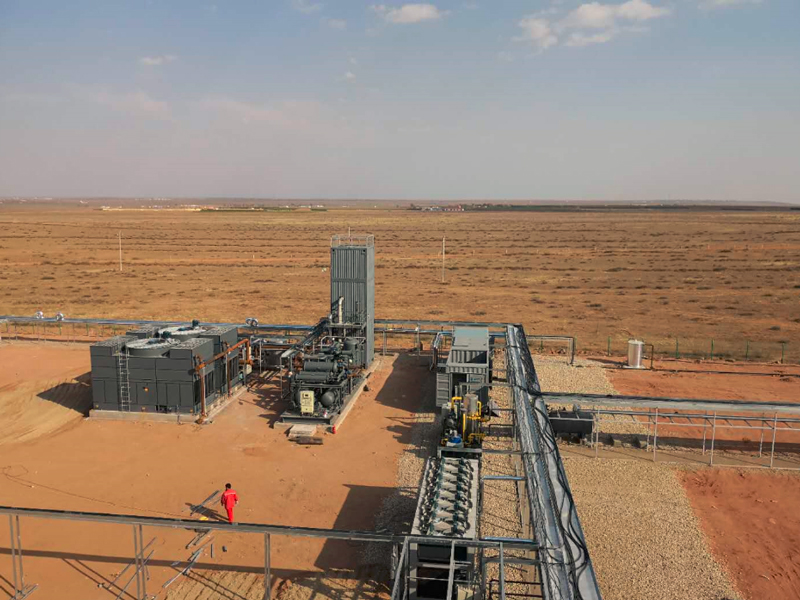
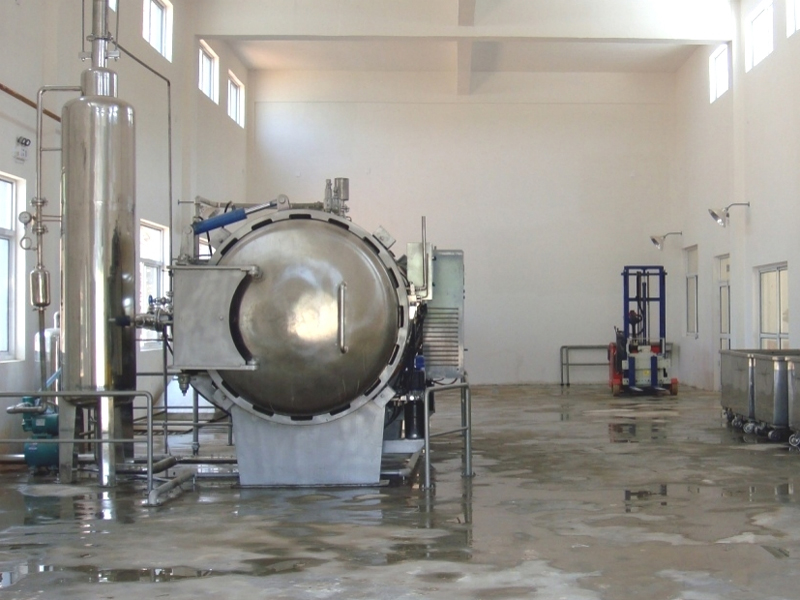
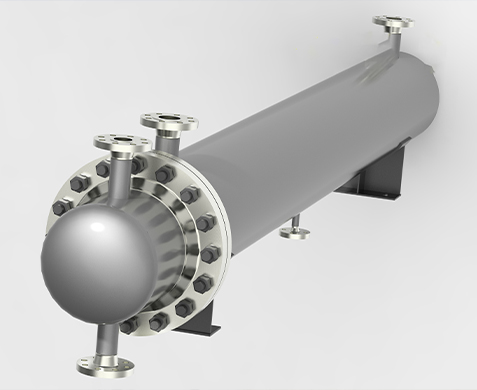
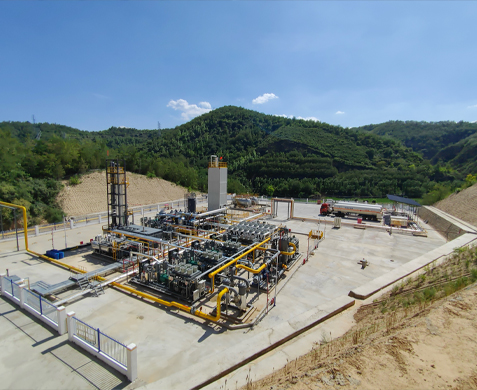
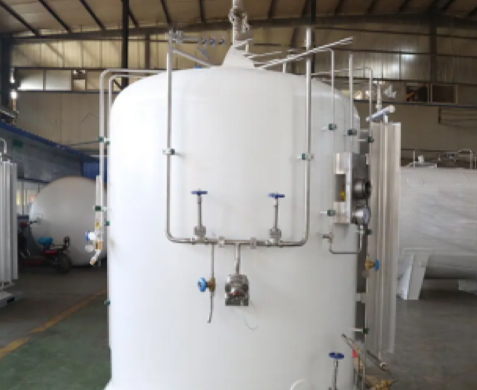
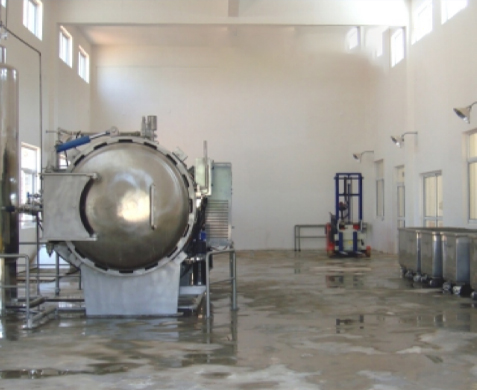
Our engineered solutions are deployed across domestic and international projects, verifying the reliability of our thermal designs:
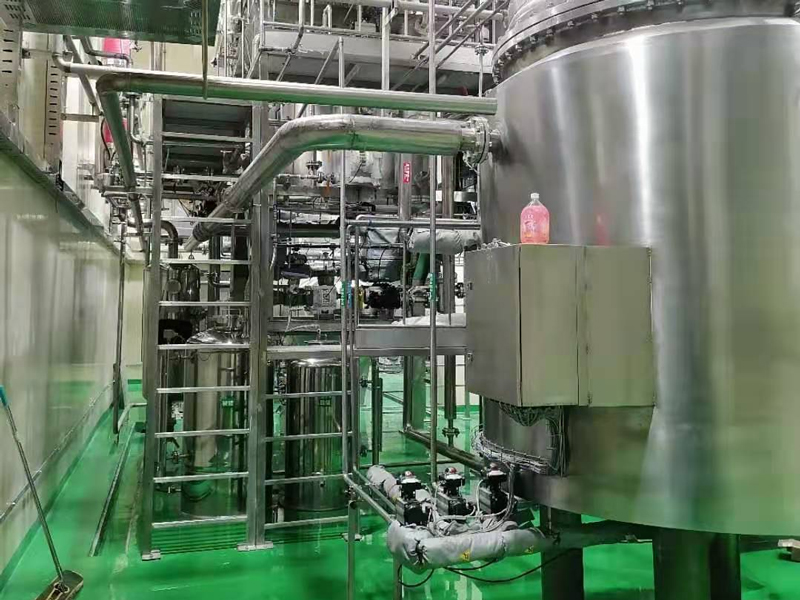
Modern compressor vessel designs must address several technological trends:

Using low-alloy steels and high-strength alloys (e.g., SA-516 Gr. 70, duplex stainless steels) reduces vessel wall thicknesses while maintaining pressure limits, optimizing freight efficiency for bulk wholesale delivery.

Integrating internal baffles and surge-absorbing volumes directly into the compressor discharge header reduces fatigue failure risks associated with reciprocating compressors.

Assembling vessel components, process piping, thermal insulation, and control systems on a single skid minimizes on-site construction times and coordinates project execution.
The A2 Pressure Vessel License represents the manufacturing qualification for medium-and-low pressure vessels in China. This certification authorizes the manufacture of custom pressure vessels (excluding high-pressure units exceeding 100 MPa) and requires strict testing protocols (NDT, ultrasonic, magnetic particle, radiographic) to verify structural integrity.
Led by Ph.D. engineers from Tsinghua University and the Chinese Academy of Sciences (CAS), our design team applies advanced thermodynamic modeling and Finite Element Analysis (FEA) to manage stress points. This allows us to optimize vessel performance under variable temperatures (spanning -180℃ to high-temperature steam ranges) while ensuring safety.
International procurement requires validation of manufacturing licenses, design calculations, and shipping formats. We supply complete technical documentation, including raw material trace certificates, weld map registers, NDT reports, and pressure tests, ensuring compatibility with site installations.
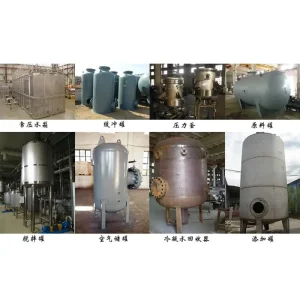
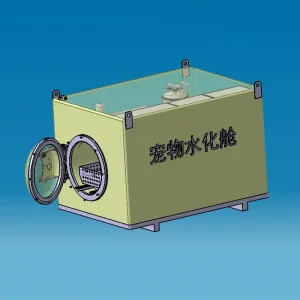
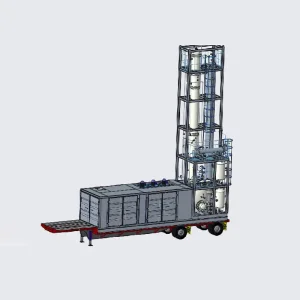
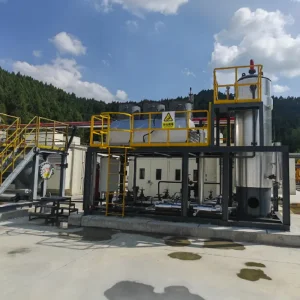
Discuss your project parameters with our engineering team. We deliver custom solutions for high-temperature reactors, low-temperature systems, or skid-mounted purification installations.
Please specify your design pressures, temperature bounds, and fluid properties for a preliminary assessment.
 Hongke Qingneng