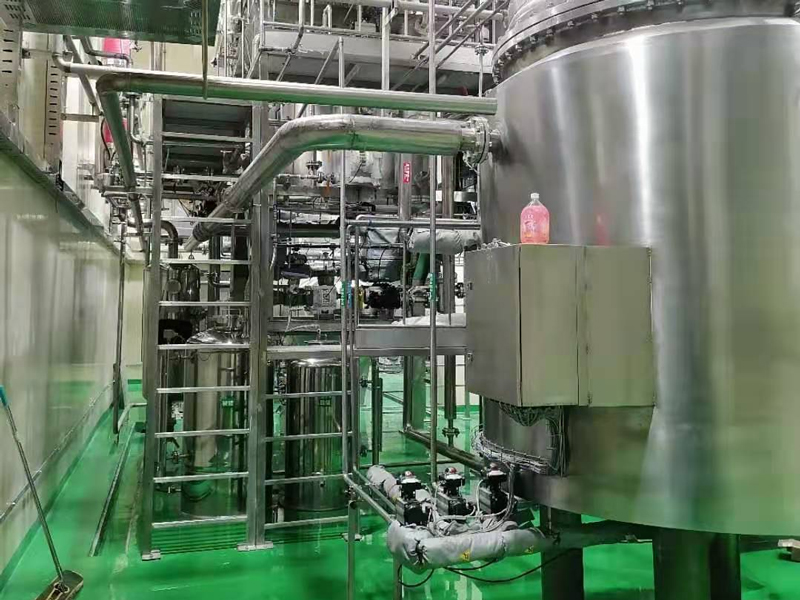
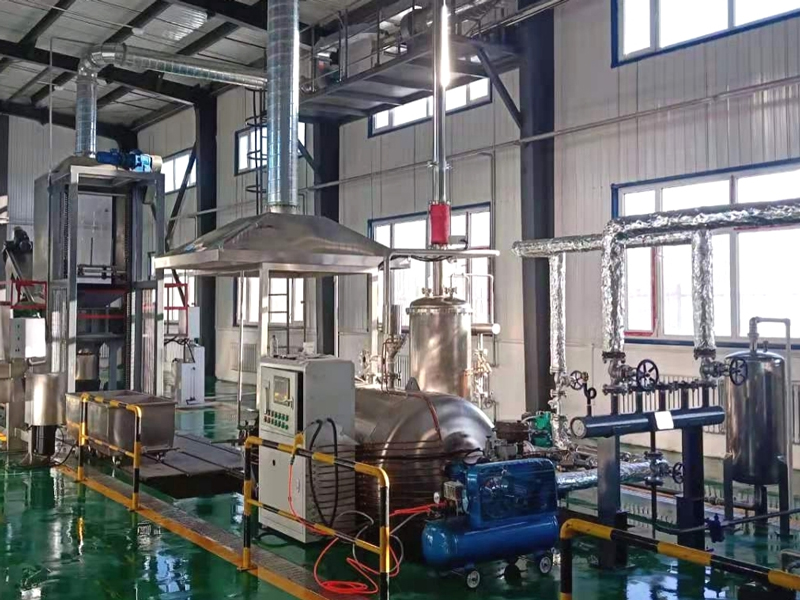
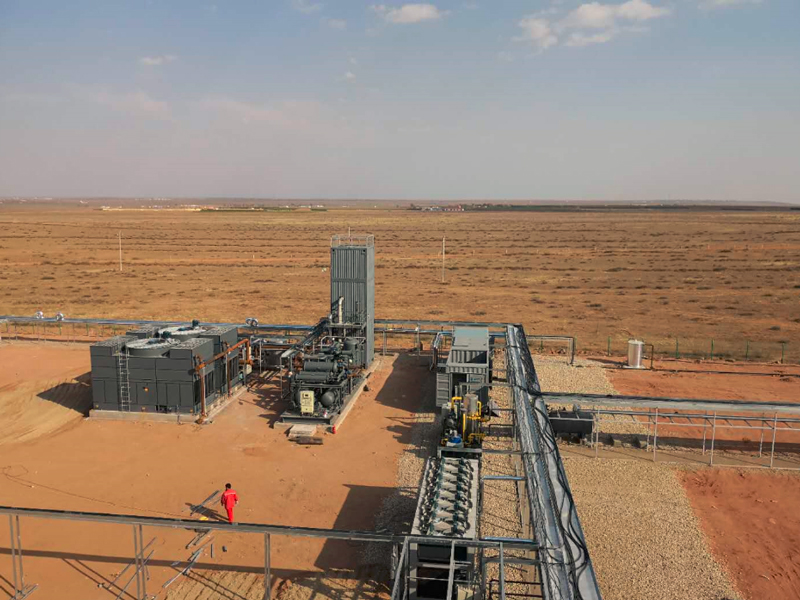
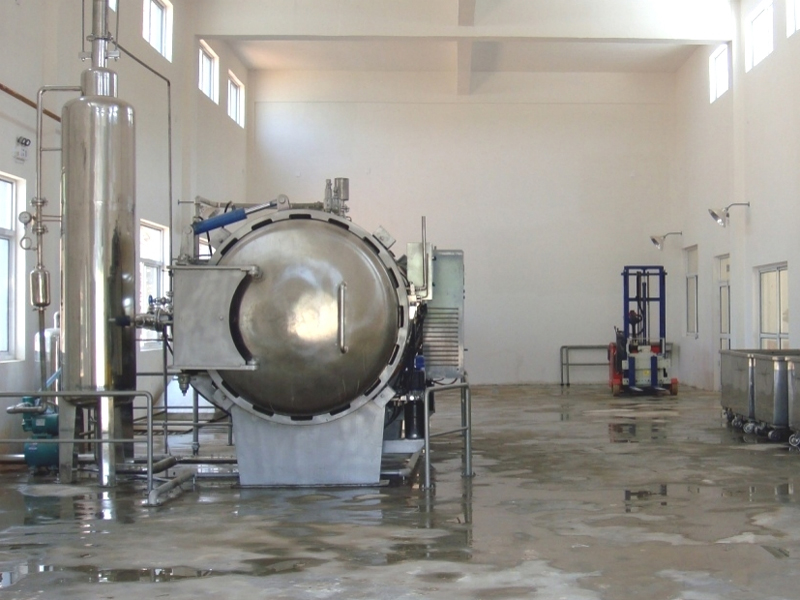
Explore our leading catalog of engineered pressure vessels, scrubbers, and custom purification skids.
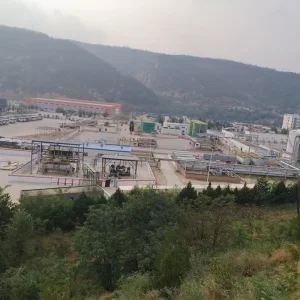
High efficiency catalytic and thermal oxidation reactors for volatile organic carbon abatement.
View Specifications
Tailored skid-mounted installations compliant with international emission directives.
View Specifications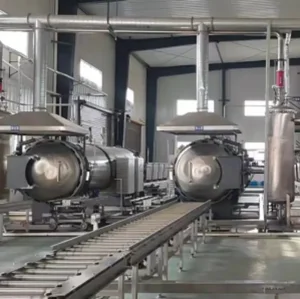
Medical waste containment vessels utilizing automated high-pressure steam sterilization cycles.
View Specifications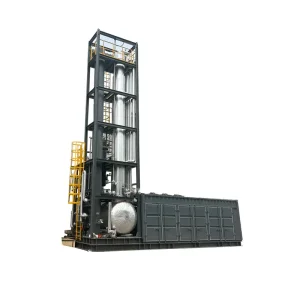
Multi-stage separation columns for molecular sieve dehydration and gas upgrading.
View Specifications
Advanced scrubbers for total acid removal and molecular-sieve based drying systems.
View Specifications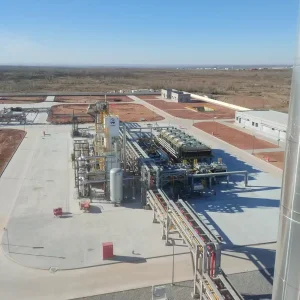
EPC and operational support for mini-LNG and BOG helium extraction installations.
View Specifications
Robust mechanical autoclave systems configured for hospitals and central bio-hazard hubs.
View Specifications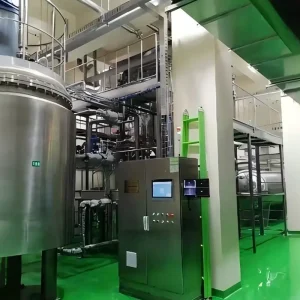
Specialized containment vessels for pathogen eradication via high-temp alkaline hydrolysis.
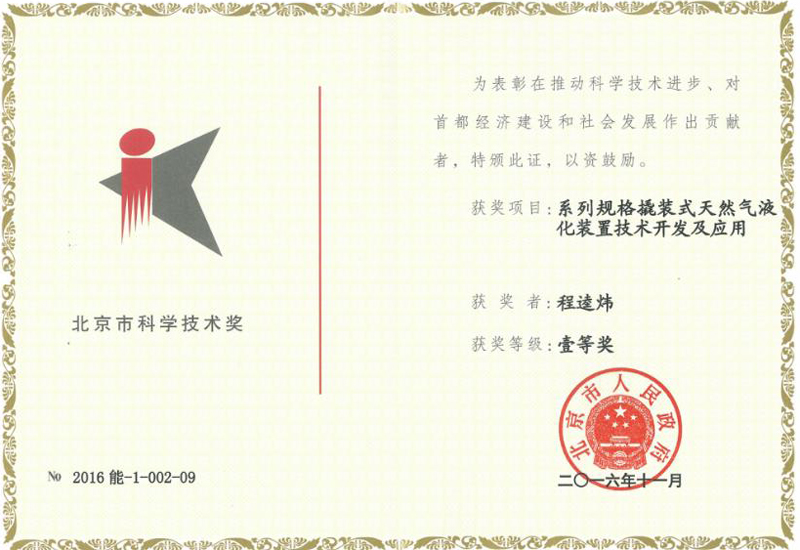
View SpecificationsHebei Hongke Qingneng Environmental Protection Equipment Co., Ltd. was established in June 2021 with a registered capital of 78 million yuan. Situated inside the industrial base of Sanhe Economic Development Zone, Langfang City, our plant is a highly modernized design and manufacturing facility. We focus heavily on R&D and custom fabrication in the energy conservation, cryogenics, and environmental protection sectors.
We are fully licensed and certified for heavy engineering applications. The company has successfully obtained the A2 level pressure vessel manufacturing license, pressure pipeline component manufacturing license, GB/T19001-2016 quality system certification, Sinopec HSSE / China Petroleum Health, Safety and Environment Management System certification, and the National High-Tech Enterprise certification. We have also been proudly rated as a Langfang Municipal R&D Platform.
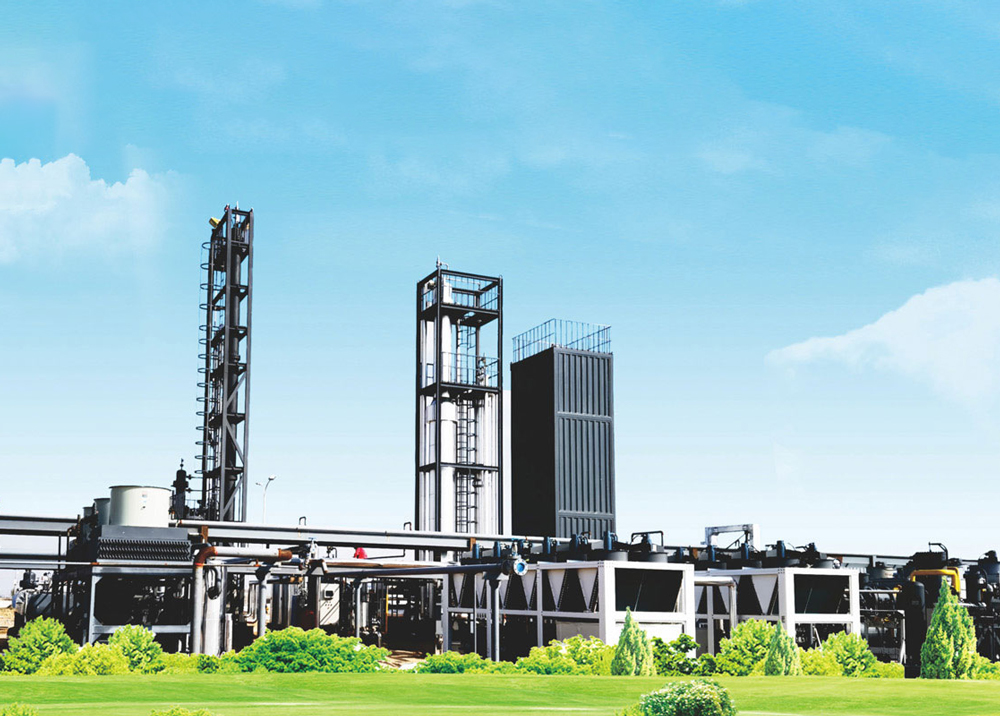
Our separation processes and designs are led by PhD researchers from China's top academic institutes.
Founder & Chairman
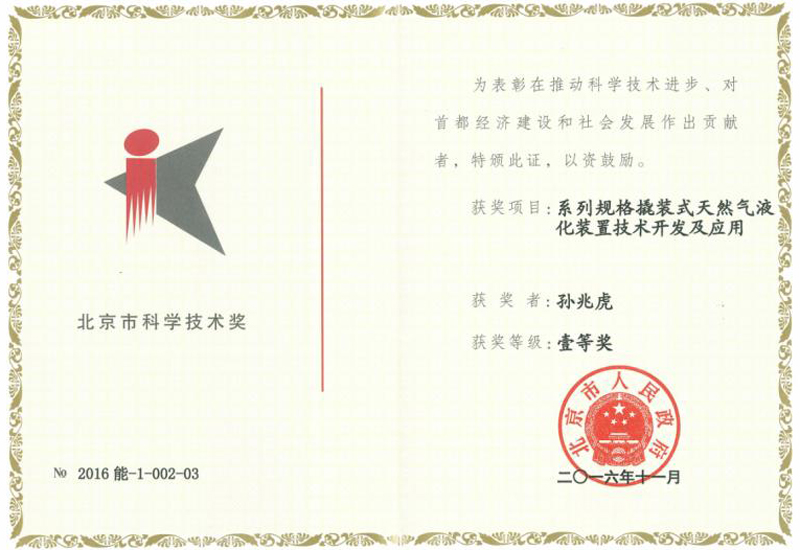
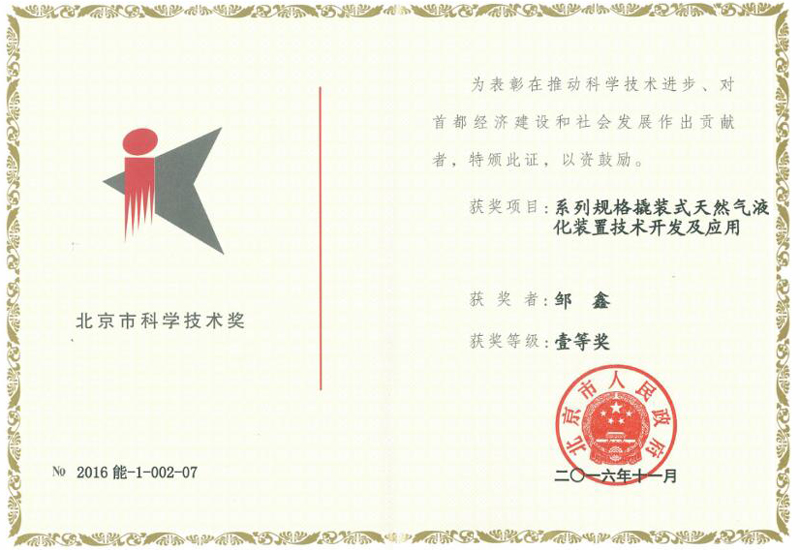
Doctorate from the Institute of Physics and Chemistry Technology, Chinese Academy of Sciences (CAS). National Senior Engineer. Dr. Sun has presided over the National 863 Program, major Natural Science Foundation projects, and aerospace initiatives. Awarded the Special Prize of Technological Invention by the Chinese Society of Refrigeration (2015) and the First Prize of Beijing Science and Technology Award (2016). Over 20 independent R&D patents.
General Manager
Ph.D. Candidate & Senior Engineer at the Institute of Physics and Chemistry Technology, CAS. Led numerous "12th Five-Year Plan" national science and technology special projects, aerospace military undertakings, and corporate ventures. Author of 24 academic papers (11 SCI/EI indexed), holder of 5 national invention patents. Recipient of the Silver Medal at the 19th China International Industry Expo (2017).
Chief Engineer
Doctor of Engineering from the Institute of Physics and Chemistry Technology, CAS. Specialist in phase change heat transfer characteristics and flow dynamics of mixed working mediums. He has designed and implemented multiple industrial scale liquefaction plants and gas purification plants. Co-recipient of the Special Prize of Science and Technology Award of the Chinese Refrigeration Society.
An authoritative analysis of industrial mass transfer columns, gas fractionation, and environmental compliance.
Industrial separating towers (fractionation columns, distillation towers, scrubbers) are the heart of chemical refineries and natural gas processing plants. The thermodynamic separation of multi-component mixtures relies on exploiting differences in relative volatility. By creating multiple equilibrium stages through either structured packing or tray systems, components such as heavy hydrocarbons, water, acid gases ($H_2S$, $CO_2$), and noble gases like Helium are isolated with high purity.
Our technical methodology integrates advanced thermodynamic modeling (such as Peng-Robinson and SRK equations of state) to calculate vapor-liquid equilibrium (VLE) parameters. This ensures that column diameters, packing heights (HETP calculations), and liquid distributor designs are mathematically optimized to eliminate channeling effects, flooding, and excess pressure drop.
Using amine-based absorption in high-pressure absorption towers to strip toxic $H_2S$ and $CO_2$ from gas streams, preventing downstream corrosion and liquefaction freeze-out.
Adsorption towers loaded with synthetic zeolites lower water content below 1 ppmv, a critical threshold for preventing gas hydrate formations in cryogenic LNG cold boxes.
Utilizing specialized low-temperature steels (9% Nickel steels or Aluminum alloys) to fractionate Nitrogen, Helium, and liquid hydrocarbons under extreme cryogenic profiles.
In the contemporary industrial landscape, gas separation is no longer just about commodity refining. It has become pivotal in international efforts to mitigate climate change. Flare gas recovery, coalbed methane (CBM) capture, and VOC emission control are crucial pillars in carbon reduction programs. Without highly efficient separation equipment, valuable hydrocarbons are simply incinerated or vented, resulting in economic losses and severe environmental impact.
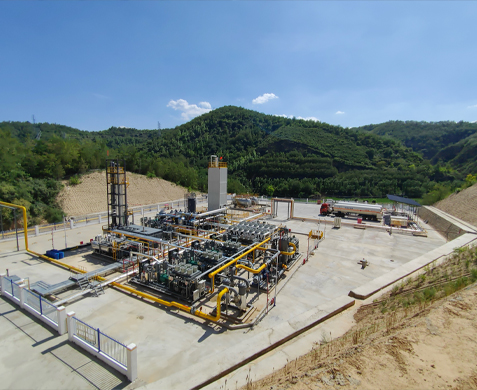
Through modular, skid-mounted engineering, Hebei Hongke Qingneng allows remote gas fields to capture scattered associated gas that would otherwise be flared. By upgrading and liquefying this gas directly at the wellhead, we help operators achieve dual objectives: commercializing stranded assets and meeting strict emission limits.
The progression of separation technologies toward zero-emission and highly integrated cryogenic layouts.
Optimization of column internals. Implementation of structured wire-mesh packings to minimize pressure drop and drastically increase the effective surface area for vapor-liquid interaction, allowing smaller footprint towers.
Transitioning from field-built structures to 100% pre-commissioned, modular skid designs. Combining separation, dehydration, and liquefaction processes onto transportable, structurally unified frames to cut site preparation costs.
Developing next-generation Boil-Off Gas (BOG) processing plants capable of extracting high-purity Helium from LNG storage tanks, utilizing CAS-derived cryogenic refrigeration loops operating below -180 ℃.
Integration of real-time multi-variable predictive control (MPC) loops. Incorporating sensor arrays for continuous vapor load tracking, automatically adjusting reflux ratios to optimize energy consumption.
Operating in the petrochemical and environmental industries demands absolute reliability. Any structural failure in a high-pressure separation column or distillation tower carries catastrophic risks. Consequently, Hebei Hongke Qingneng operates under a rigorous QA/QC hierarchy backed by international manufacturing authorizations.
Our certified engineering office is fully authorized to design and manufacture Class I, II, and III pressure vessels under China's strict GB150 regulations, holding the official A2 Level Manufacturing License. We also align our design methodologies with ASME Section VIII Division 1 & 2, ensuring that all shell thicknesses, weld seams (subjected to 100% radiographic testing), and flange ratings satisfy international buyer criteria.
Diverse industrial environmental solutions, modular gas skids, and customized non-standard equipment.
Centralized medical waste high-temperature steam treatment equipment, mobile medical waste disposal skids, and laboratory animal residue harmless processing reactors.
Skid-mounted liquefaction plants (LNG and associated gas), comprehensive purification packages including amine-based deacidification, molecular sieve dehydration, and heavy hydrocarbon removal.
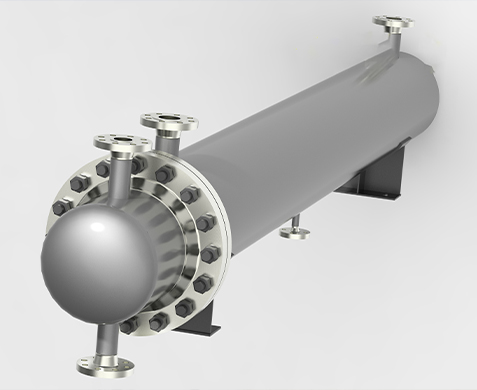
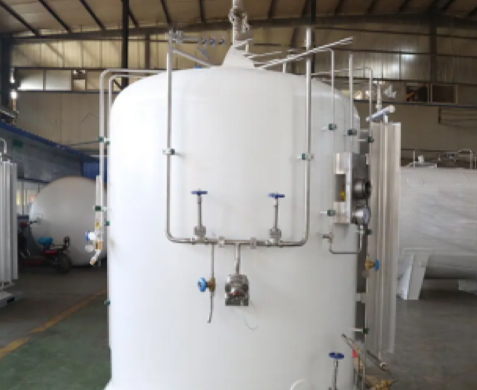
Customized design of process columns, shell and tube heat exchangers, hot air stoves, experimental laboratory test benches, and highly specialized buffer vessels.
Ultra-low temperature refrigeration systems spanning -40 ℃ to -180 ℃, freeze-dryers (-70 ℃ to -100 ℃), vacuum cold traps (-135 ℃), and Helium purification loops.
Providing custom chemical separation, oilfield gas recovery, and bio-containment equipment worldwide.
Refinery operations demand fractionating towers to separate complex crude mixtures into light gases, gasoline, diesel, and heavy residues. Our custom-designed columns, equipped with tailored internal distributors and support grids, optimize liquid-vapor contact zones. This enhances thermal efficiency and prevents fouling under continuous, high-temperature operations.
Stranded shale gas or coalbed methane requires purification before liquefaction. Our compact, skid-mounted separation towers perform deacidification (amine wash) and glycol-based dehydration on a single mobile frame. This minimizes site footprint, simplifies transport to remote wellheads, and slashes installation times.
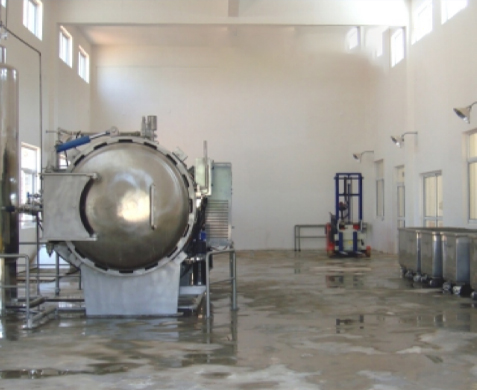
Industrial and research facilities handling bio-hazard materials require absolute containment. Our centralized and mobile medical waste high-temperature treatment chambers are designed as ASME-compliant pressure vessels. Operating at high pressure with saturated steam, they guarantee complete thermal eradication of pathogens.
Direct technical answers addressing chemical distillation, mechanical integrity, and operational parameters.
Designing a separation column requires analyzing the gas stream's pressure, temperature, composition, and flow rate. We perform phase behavior calculations using Peng-Robinson equations to determine liquid-vapor equilibrium (VLE). Key design factors include column diameter (to avoid flooding and weeping), packing height (HETP), and internal component selection (such as liquid distributors and tray styles) to ensure uniform fluid flow and maximum mass transfer efficiency.
An A2 level pressure vessel manufacturing license permits the fabrication of medium-to-high pressure equipment. Since separation and fractionation columns in natural gas and petrochemical applications often run at high pressures, this certification guarantees that the plant has the specialized welding equipment, non-destructive testing (NDT) setups, and quality control systems required to build vessels that operate safely without structural failures.
Cryogenic liquefaction occurs at temperatures as low as -162°C (for LNG) and down to -269°C (for Liquid Helium). If water vapor is present, it will freeze and block heat exchangers and valves. Molecular sieve dehydration columns use synthetic zeolites (like 3A or 4A molecular sieves) to adsorb water molecules. This lowers the water content to less than 1 ppmv and the dew point to under -100°C, ensuring smooth cryogenic processing.
Skid-mounted configurations are fully assembled, piped, wired, and tested at our factory before shipping. This modular approach cuts down on site preparation and installation times by up to 70%. It is ideal for remote gas fields, associated gas recovery projects, and fast-track industrial installations where on-site resources are limited.
Led by PhD researchers from the Institute of Physics and Chemistry Technology of the Chinese Academy of Sciences (CAS), we design custom cryogenic loops using multi-component mixed refrigerants (MRC) and high-speed turboexpanders. This allows us to achieve efficient, continuous cooling down to -180°C, which is essential for Nitrogen rejection, BOG re-liquefaction, and Helium extraction.
Structured packing consists of corrugated metal sheets arranged to encourage liquid flow along specific pathways, providing a high surface area with very low pressure drop. This makes it ideal for vacuum operations and high-volume gas processing. Tray columns use physical plates (sieve, valve, or bubble cap) at set intervals. While they have a higher pressure drop, they offer a wider operational range and handle fouling and liquid surges better than packed towers.
Explore our additional customized pressure equipment and eco-friendly treatment units.
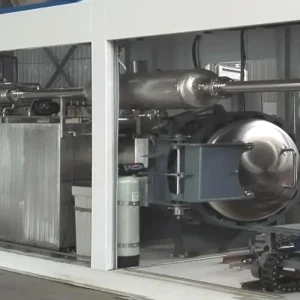
Trailer-mounted sterilization units designed for rapid deployment during emergency responses.
View Specifications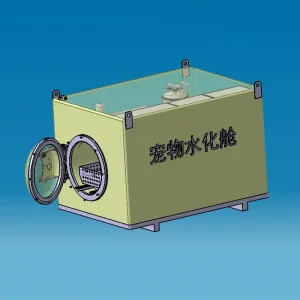
Alkaline hydrolysis chambers designed for low-emission pet cremation alternatives.
View Specifications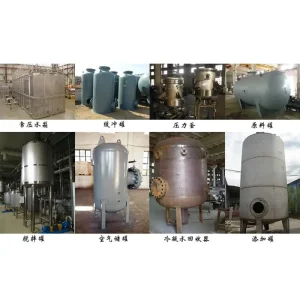
A2-grade custom carbon and stainless steel vessels configured for high pressure processes.
View Specifications
Pathogen-safe decomposition units featuring automatic pH adjustments and water recycling.
View Specifications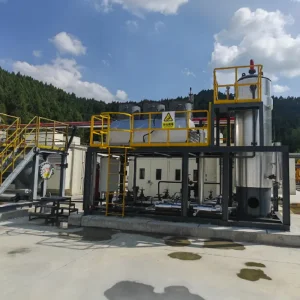
Modular recovery loops designed to capture and compress flare gases, preventing venting.
View Specifications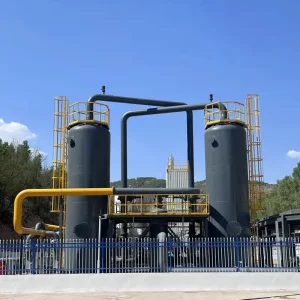
Optimized scrubbers using liquid absorption or solid media to remove sour components.
View Specifications
Alkaline hydrolysis chambers engineered to digest tissue safely, meeting biosafety level 3 regulations.
View Specifications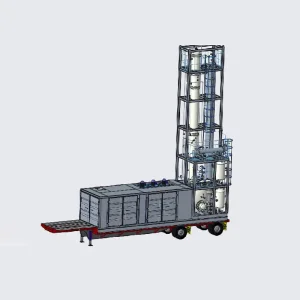
Mobile, trailer-mounted gas liquefaction units with built-in purification and storage facilities.
View Specifications Hongke Qingneng