Explore our state-of-the-art process vessels and skid-mounted solutions engineered for severe service environments, high pressures, and optimal thermal performance.
Analyzing materials science, stress dynamics, and multi-industry applications in oil & gas, waste management, and cryogenics.
Carbon steel remains the backbone of global industrial pressure vessel fabrication due to its excellent tensile strength, toughness, and economic viability. Utilizing standard grades like ASME SA-516 Grade 70, modern manufacturers engineer structures capable of managing extreme internal stress, thermal cycling, and high pressures. Fine-grain carbon steel alloys are engineered specifically to prevent brittle fractures under low-temperature operations down to -46°C.
Global regulatory landscapes require strict adherence to international fabrication codes. From ASME Section VIII Division 1 & 2 to European PED (2014/68/EU) and China's GB150, compliance guarantees risk mitigation. Carbon steel vessels are widely used in chemical plants, oil refineries, and municipal treatment units where steam, high-pressure natural gas, and hazardous effluents require secure containment without structural creep.
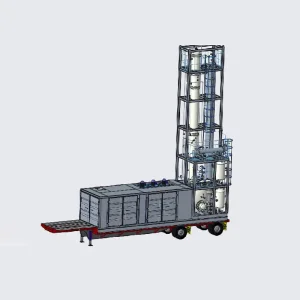
Modern engineering favors pre-commissioned, skid-mounted systems. Incorporating carbon steel vessels into modular blocks ensures rapid on-site installation, lowered shipping costs, and minimized field welding. Whether deploying natural gas liquefaction plants or mobile medical waste treatment autoclaves, integrating non-standard pressure vessels onto structural skids accelerates global infrastructure deployment.
The global demand for high-integrity carbon steel vessels is rising, propelled by energy transition projects, industrial gas processing, and environmental regulations. According to recent market analysis, the demand for pressure vessels is expected to expand steadily, with key drivers being natural gas liquefaction, carbon capture systems (CCUS), and advanced chemical recycling plants. For procurement officers and engineering EPC (Engineering, Procurement, and Construction) companies, choosing the right fabrication partner is a decision that impacts not just initial capital expenditures, but the lifetime operational integrity of the plant.
Furthermore, local safety regulations mandate that manufacturers exhibit verifiable certifications. This is why standard ASME or national A2 pressure vessel licensing, backed by third-party testing (radiography, ultrasonic, magnetic particle testing, and hydrostatic validation), constitutes a critical baseline for selecting fabrication factories. Choosing factories with strong technical backing and internal quality systems prevents disastrous structural failures, hydrogen embrittlement, or stress corrosion cracking (SCC) under corrosive service profiles.
Bridging Academic Innovation & Heavy Industrial Manufacturing
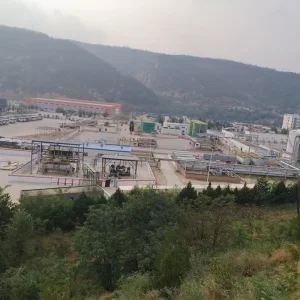
Established in June 2021 with a substantial registered capital of 78 million yuan, Hebei Hongke Qingneng is a leading designer and manufacturer of energy-saving, environmental protection equipment, and high-specification pressure vessels. Headquartered in the industrial heart of the Sanhe Economic Development Zone, Langfang City, our facility spans advanced manufacturing bays equipped with automated welding and non-destructive testing lines.
Our core operation focuses on the custom engineering of A2-level pressure vessels, cryogenic natural gas liquefaction skids, chemical tail gas units, desulfurization columns, and industrial cooling packages operating from -40°C down to -180°C. By leveraging a close partnership with premier Chinese research academies, we deliver complex engineering solutions that balance thermal efficiency, safety, and regulatory compliance.
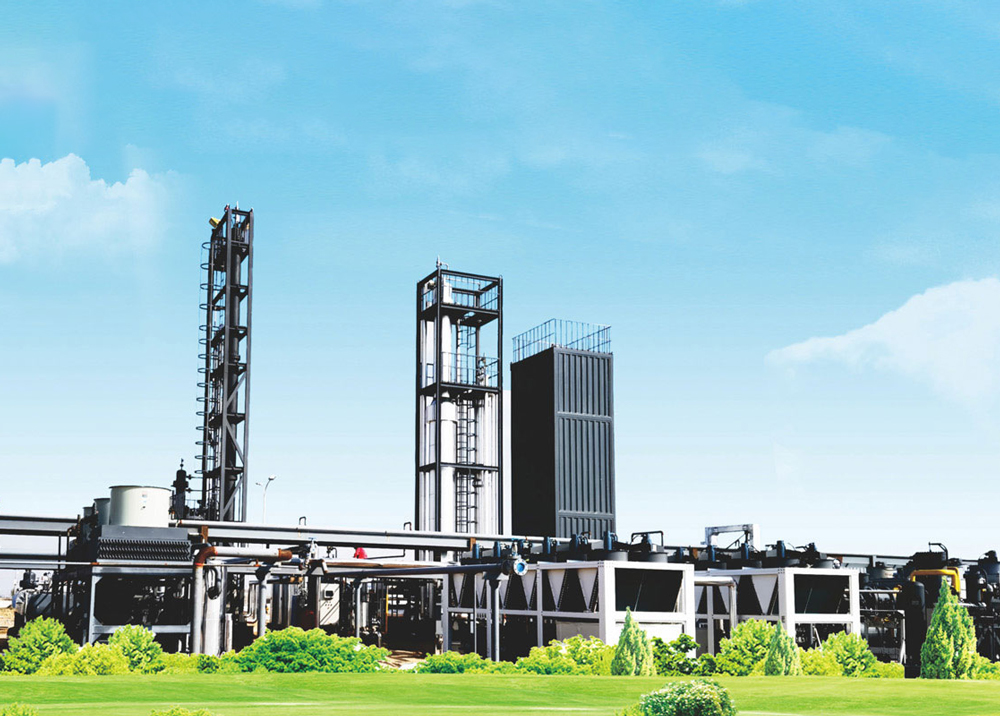
Unparalleled supply chain integration, engineering talent, and strict quality control protocols.
We work in collaboration with elite engineering minds from Tsinghua University and the Institute of Physics and Chemistry Technology, Chinese Academy of Sciences (CAS). This academic integration guarantees that our thermal fluid dynamics, thermodynamic calculations, and structural finite element analysis (FEA) remain at the global forefront.
We hold the A2 Level Pressure Vessel Manufacturing License alongside a pressure pipeline component manufacturing license. Our facility is certified under GB/T19001-2016 / ISO9001:2015 quality systems, Sinopec HSSE, and China Petroleum HSE systems, ensuring seamless qualification for multinational industrial projects.
Our systems are designed to minimize volatile organic carbon (VOC) emissions, retrieve associated gas from oilwells, and sterilize pathogenic wastes safely. Through innovative designs, we assist worldwide buyers in lowering operational carbon emissions and meeting national pollution prevention targets.
Headed by PhD scientists and national-level senior engineers with decadal experience in cryogenics, thermodynamics, and pressure equipment design.
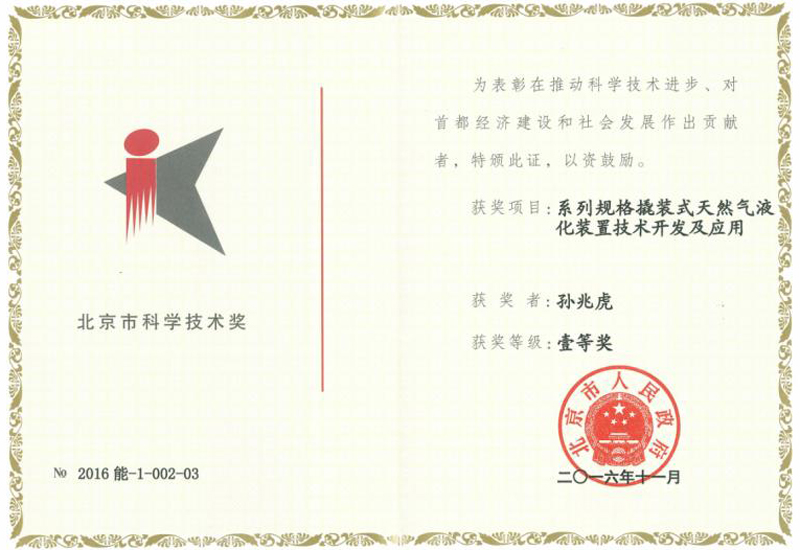
Doctorate from the Institute of Physics and Chemistry Technology, Chinese Academy of Sciences. National Senior Engineer. Dr. Sun has led several National 863 Program initiatives, space military programs, and large-scale cryogenic liquefaction projects. He has received the Beijing Science and Technology Award (First Prize) and the Technological Invention Award from the Chinese Society of Refrigeration.
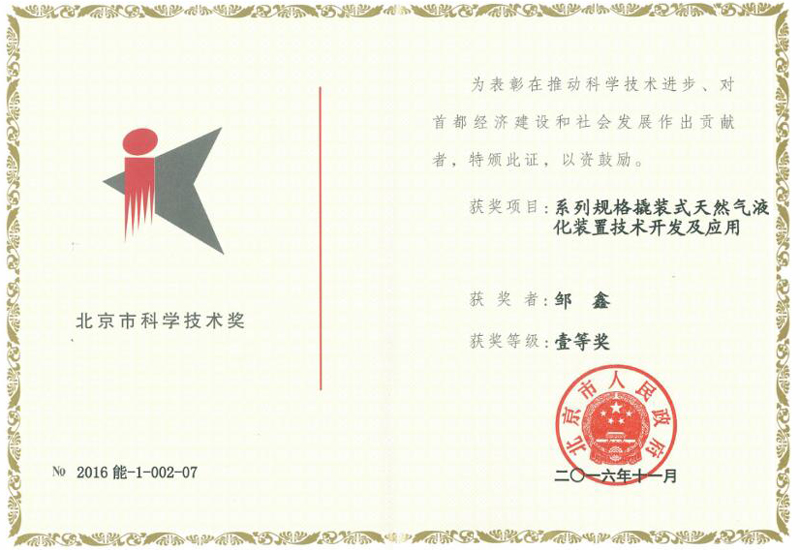
Ph.D. Candidate and Senior Engineer at the Institute of Physics and Chemistry Technology, CAS. Dr. Zou has managed complex market operations for years, publishing 24 academic papers (11 SCI/EI indexed) and holding multiple patents. Recipient of the China Refrigeration Society Technological Invention Award and the Silver Medal at the 19th China International Industry Expo.
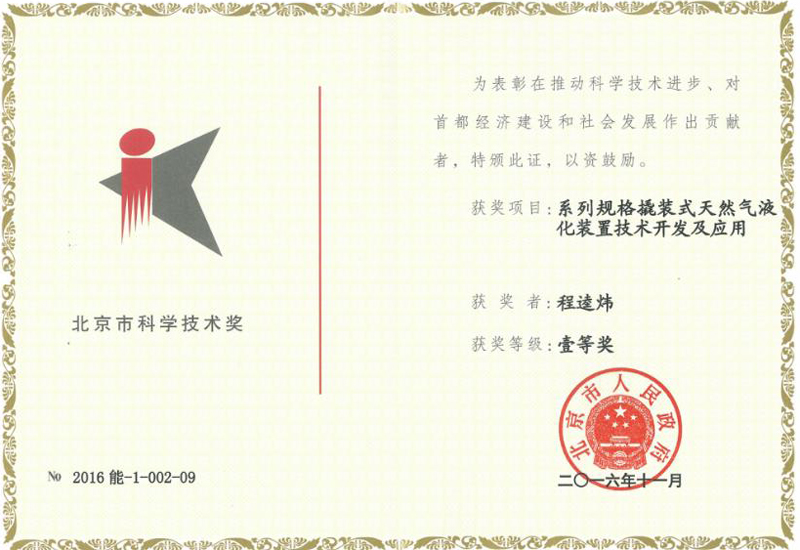
Doctor of Engineering from the Institute of Physics and Chemistry Technology, CAS. Specialist in skid-mounted natural gas liquefaction systems. Dr. Cheng is a renowned expert in phase change heat transfer characteristics and mixed refrigerant multi-component flow patterns. He holds many awards for technical excellence in industrial gas processing.
Custom non-standard vessels designed to integrate into specialized municipal, petrochemical, and waste processing systems.
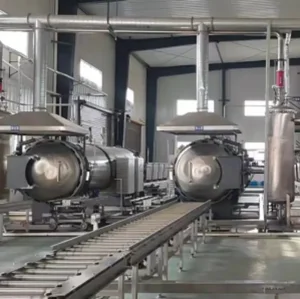
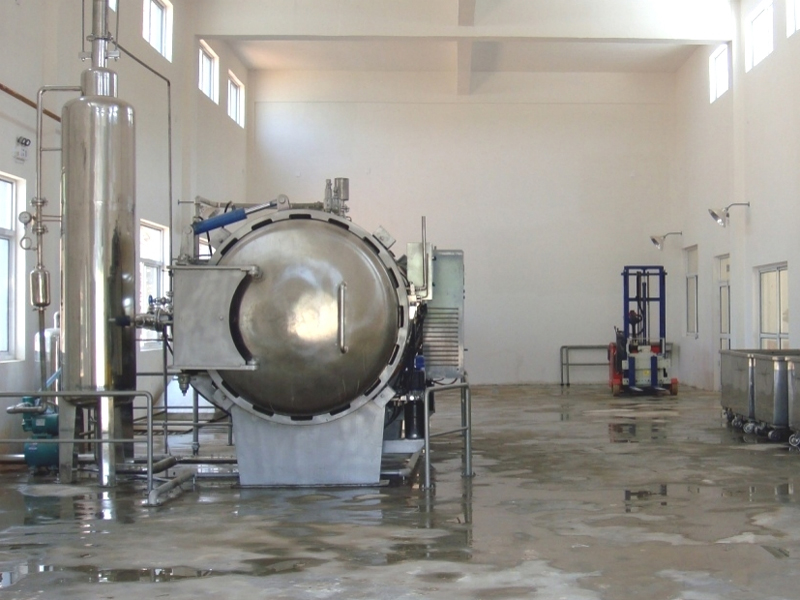
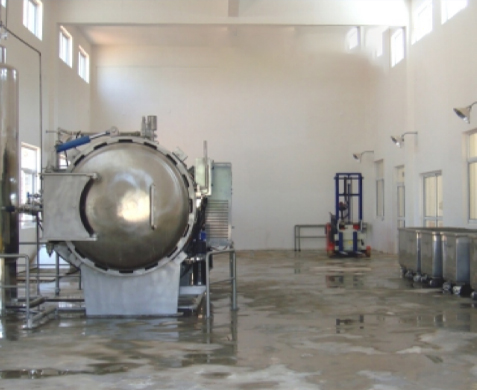
High-temperature steam treatment autoclaves require heavy-wall carbon steel vessels that withstand cyclic steam pressures and vacuum drawdowns. We manufacture both centralized high-capacity steam autoclaves and mobile, containerized medical waste units. These systems leverage saturated steam at temperatures exceeding 134°C to destroy pathogens, featuring quick-opening doors, integrated shredders, and automated control systems.

Includes centralized and mobile autoclave systems alongside custom bio-waste treatment vessels built to high biological safety levels.
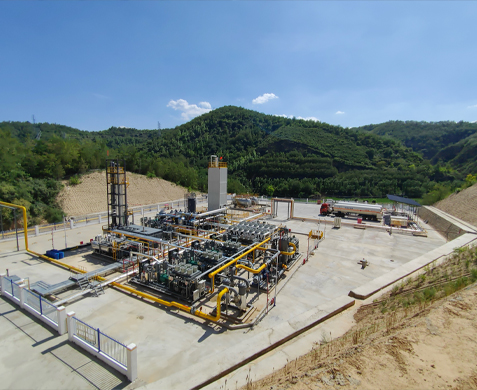
Skid-mounted LNG processing requires robust pressure vessels to handle acid gas removal (deacidification), molecular sieve dehydration, and cryogenic liquefaction. We engineer structural vessels capable of operating at cold limits down to -196°C, as well as BOG (Boil-Off Gas) helium extraction units. These structures are built with specialized carbon steel and stainless alloys optimized for thermal stress containment.

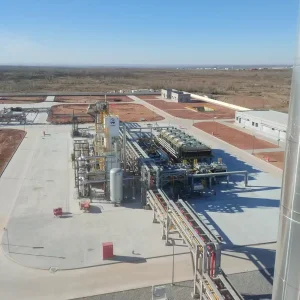
Specialized skid systems for wellhead gas recovery, heavy hydrocarbon separation, and high-efficiency liquefaction plants.
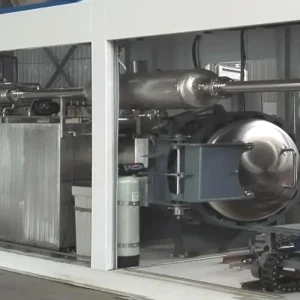
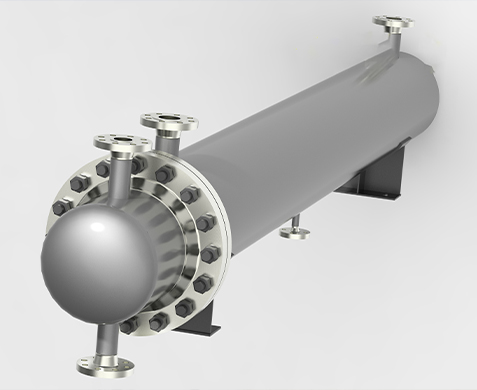
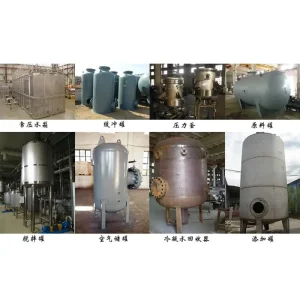
Every process plant possesses unique geometrical constraints and pressure dynamics. We design non-standard shell-and-tube heat exchangers, separation columns, industrial air receivers, buffer tanks, and reactor vessels. Using dynamic simulation tools, we verify nozzle loading, wind/seismic tolerances, and fatigue life to deliver tailored performance.

Custom shell and tube heat exchangers, hot air furnaces, industrial test loops, and high-pressure carbon steel tanks.
Managing tail gases, VOCs, and sulfur compounds requires high-precision environmental control packages. We manufacture process vessels for VOC adsorption, desulfurization towers, and industrial cryogenic cooling units working down to -180°C. These systems ensure that off-gases meet rigid local emissions targets before venting.

Deep cryogenic cold traps (-135°C), freeze-dryers, and high-capacity refrigeration systems for oil gas recovery.
A showcase of successfully delivered projects, from municipal waste steam setups to gas liquefaction skids.
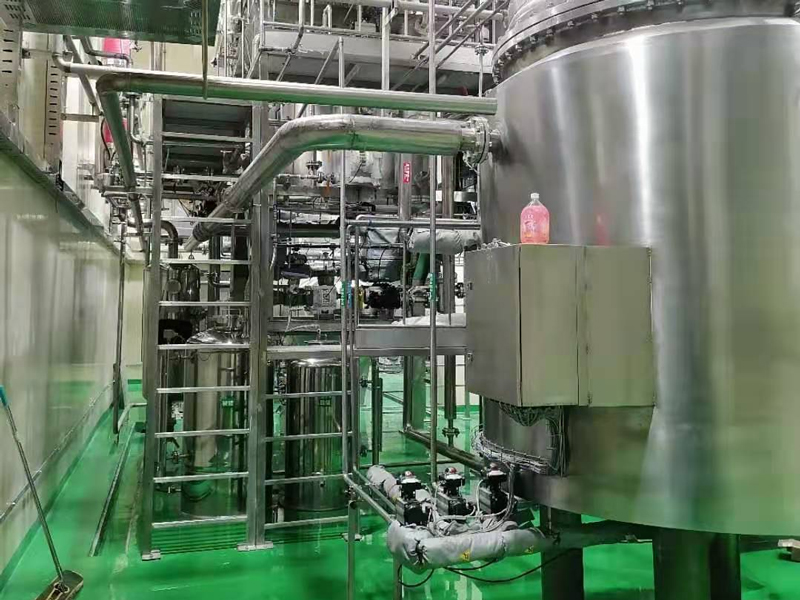
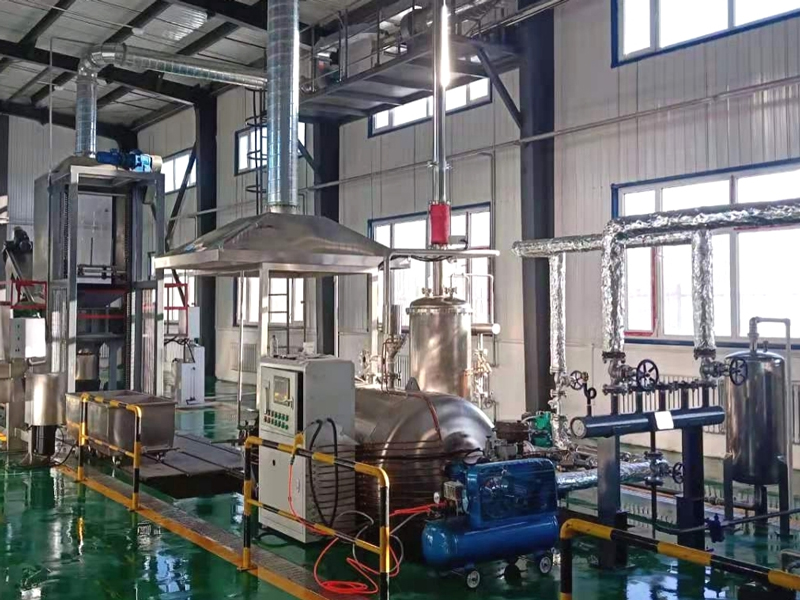
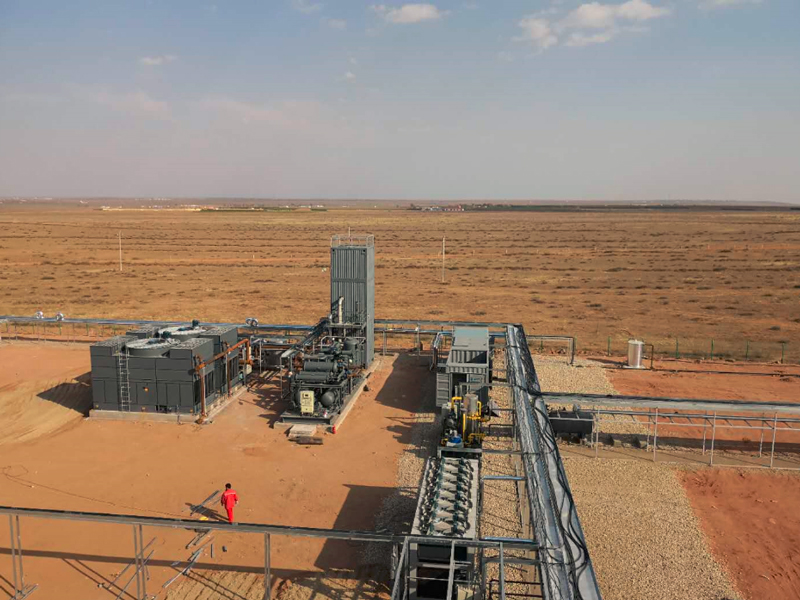
Critical engineering metrics procurement managers must verify before selecting a fabrication facility.
When procuring custom carbon steel pressure vessels, engineering departments and purchasing divisions must look beyond raw cost per ton. Operational lifetimes of pressure equipment are determined by the quality of raw steel plates, welding procedures, and stress relief treatments. Here are the crucial metrics that distinguish low-cost alternatives from high-integrity pressure installations:
Every plate of carbon steel, whether ASTM A516, A106, or GB150-compliant, must come with certified Material Test Reports (MTRs) detailing chemical composition (carbon equivalents, sulfur, phosphorus levels) and mechanical characteristics. Premium factories maintain strict material segregation and traceability practices to guarantee that no unapproved or non-conforming steels enter the assembly area.
Welding is the most vulnerable phase in vessel production. A premium factory establishes clear Welding Procedure Specifications (WPS) and Procedure Qualification Records (PQR) in line with ASME Section IX standards. Advanced methods such as Submerged Arc Welding (SAW) and Gas Tungsten Arc Welding (GTAW) ensure uniform fusion, deep penetration, and minimized weld defect risks.
For vessels handling thick walls (typically over 38mm / 1.5 inches) or those bound for sour service environments containing wet H₂S, Post-Weld Heat Treatment (PWHT) is essential. PWHT tempers the heat-affected zones (HAZ), relieves residual tensile stresses from welding, and lowers the vulnerability to stress corrosion cracking (SCC) or hydrogen embrittlement. Facilities equipped with automated heat-treatment furnaces ensure precise temperature-ramp tracking.
Reliable carbon steel manufacturers employ certified ASNT Level II/III inspectors to perform Non-Destructive Testing. This includes RT (Radiographical Testing) for checking internal weld flaws, UT (Ultrasonic Testing) for wall lamination audits, and MT/PT (Magnetic/Penetrant Testing) to spot surface stress tears. Verifying these quality checks before shipment prevents catastrophic plant downtime.
Answers to critical questions asked by procurement officers and mechanical design teams.
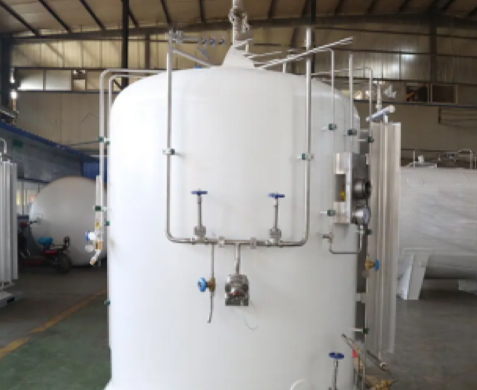
Additional non-standard options, cryogenic refrigeration units, and custom separation vessels built to international specifications.
Custom solutions engineered by our integrated CAS-Tsinghua research platforms.
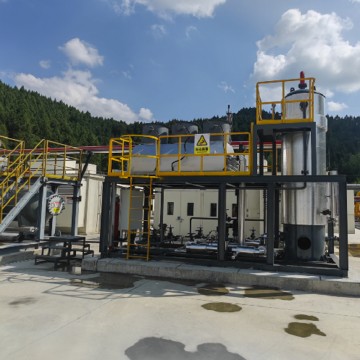
Tailored gas polishing systems engineered to filter and scrub VOCs and chemical residual hydrocarbons before venting.
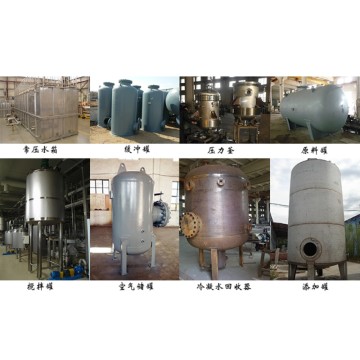
Custom engineered separator tanks, industrial evaporators, and process columns conforming to international codes.
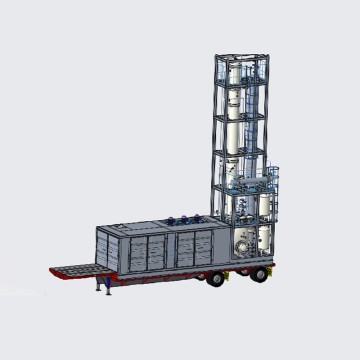
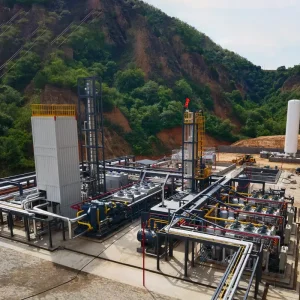
Pre-assembled mobile natural gas liquefaction skids optimized for stranded gas assets and wellhead gas reclamation.
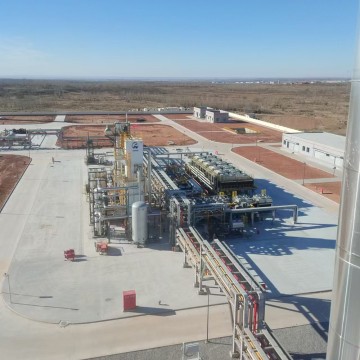
Comprehensive design, manufacturing, skid integration, commissioning, and operations maintenance lifecycle services.
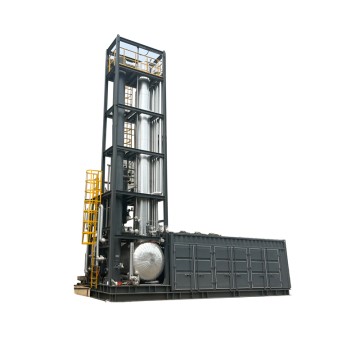
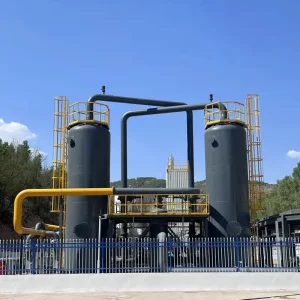
Molecular sieve gas dryers, amine-based acid gas scrubbing towers, and high-purity helium recovery separators.
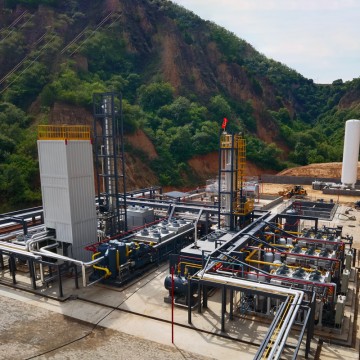
Compact gas processing equipment, pre-piped and pre-wired on a single skid block for rapid field installation.
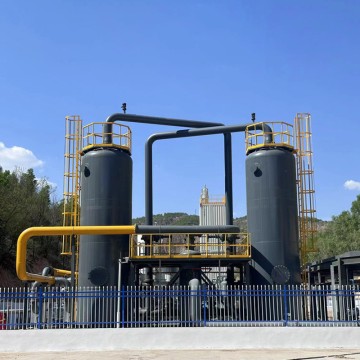
Custom packed-bed absorbers and catalytic units optimized for high efficiency hydrogen sulfide (H₂S) gas removal.
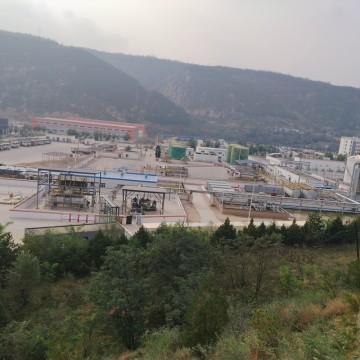
RTO, RCO, and multi-stage condensation units designed to trap organic solvents and chemical process exhaust.
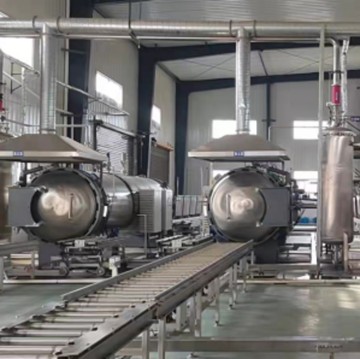
High-volume pressure chambers for regional hospitals, utilizing vacuum autoclaving for comprehensive biohazard inactivation.
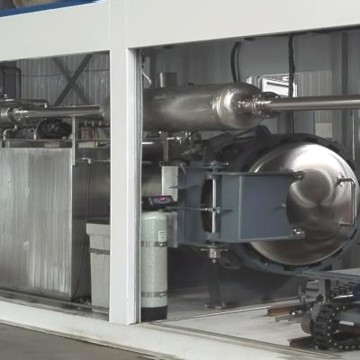
Self-contained truck-mounted or trailer-mounted autoclaves designed for remote clinics and emergency sanitation needs.
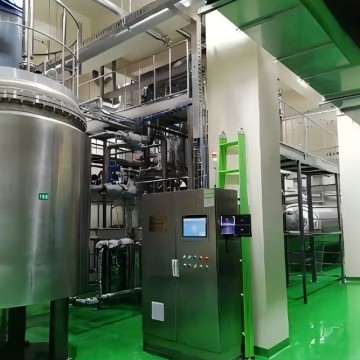
Industrial hydrolysis equipment designed to process animal carcasses, biological residues, and organic waste.
Connect directly with our senior thermodynamics and pressure vessel engineers to discuss your custom specifications.
If you have inquiries regarding custom carbon steel vessels, skid-mounted natural gas liquefaction systems, or medical waste autoclaves, we are ready to assist. Our engineering leaders will analyze your requirements and provide detailed design calculations, mechanical specifications, and budget options.
Hebei Hongke Qingneng Environmental Protection Equipment Co., Ltd.
Manufacturing Hub: Sanhe Economic Development Zone, Langfang City, Hebei, China.
Please outline your design parameters (design pressure, temperature range, volume, media composition) and a specialist will contact you within 24 business hours.
 Hongke Qingneng