Explore our core engineering assemblies and custom Skid-Mounted Solutions engineered to meet global compliance and reliability standards.
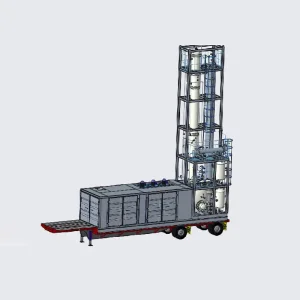
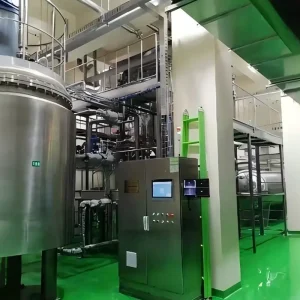
The industrial landscape is undergoing a structural transition towards decarbonization, efficiency, and modularization. Large-scale gas compression plants, skid-mounted natural gas purification systems, and cryogenic processing facilities are no longer designed as fragmented, site-erected projects. Instead, global EPC contractors and energy suppliers demand pre-commissioned, modular skid assemblies to minimize field risks, decrease installation cycles by up to 50%, and ensure strict adherence to safety codes.
Compressor units serve as the core engine in natural gas processing, BOG (Boil-Off Gas) recovery, desulphurization systems, and VOC control installations. Achieving optimal thermal efficiency under variable load pressures requires advanced thermodynamics, precise phase-change heat transfer calculations, and robust pressure vessel integration. Our factory bridges the gap between academic thermal engineering and field-proven reliability, creating highly engineered solutions for global energy and environmental infrastructures.
Our core R&D focuses on the thermodynamic properties of mixed working media, optimizing phase-change heat transfer in refrigeration cycles from -40°C down to -180°C. This greatly decreases power requirements for LNG liquefaction and industrial VOC recovery systems.
By shifting construction from field sites to controlled factory conditions, we guarantee superior weld integrity, exact piping alignments, and rigorous safety testing under the A2 Pressure Vessel framework.
Combining integrated raw material supply chains with scientific engineering expertise to deliver high-performance skid-mounted plants.
Access to high-grade cryogenic steel alloys, advanced heat exchangers, and premium valves within a 150-kilometer radius guarantees rapid fabrication timelines without sacrificing raw material standards.
Our proximity to Beijing allows close technical partnerships with research entities like Tsinghua University and the Chinese Academy of Sciences (CAS), yielding multiple proprietary patents in thermodynamics.
Holding key domestic and international certifications including the A2 Pressure Vessel License and major petroleum supplier credentials ensures compatibility with global procurement criteria.
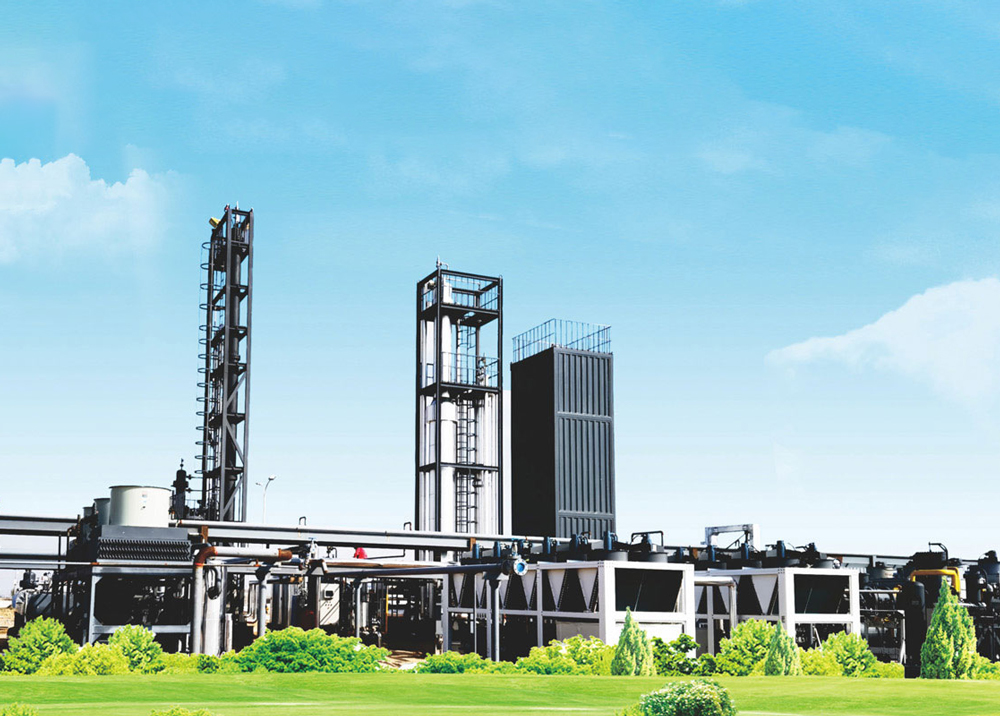
Established in June 2021 inside the Sanhe Economic Development Zone, Langfang City, our facility represents a major manufacturing base in China's energy conservation and environmental protection sector. Our production is backed by an engineering team specializing in mechanical, cryogenic, and environmental technologies.
We supply skid-mounted assemblies for coalbed methane, shale gas, and natural gas purification and liquefaction, VOC exhaust control, and chemical tail gas treatment. Additionally, our portfolio covers pressure vessels, specialized low-temperature refrigeration systems (-40°C to -180°C), and medical waste treatment assemblies.
By leveraging an engineering-driven structure, we provide customized EPC and OEM services to worldwide engineering and industrial clients.
Our technological advancements are driven by industry-recognized thermodynamics specialists and senior engineers.
PhD from the Institute of Physics and Chemistry Technology, Chinese Academy of Sciences (CAS). National Senior Engineer. Presided over the National 863 Program and space flight/military projects. Awarded the Special Prize of Technological Invention by the Chinese Society of Refrigeration.
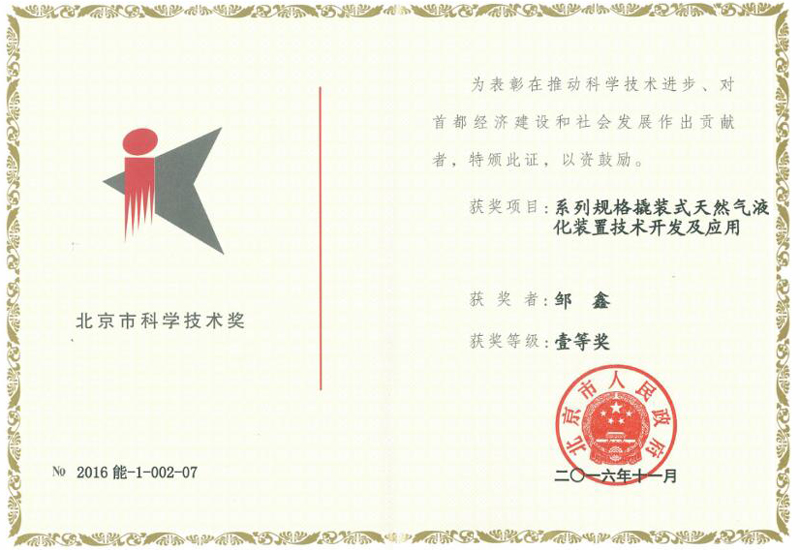
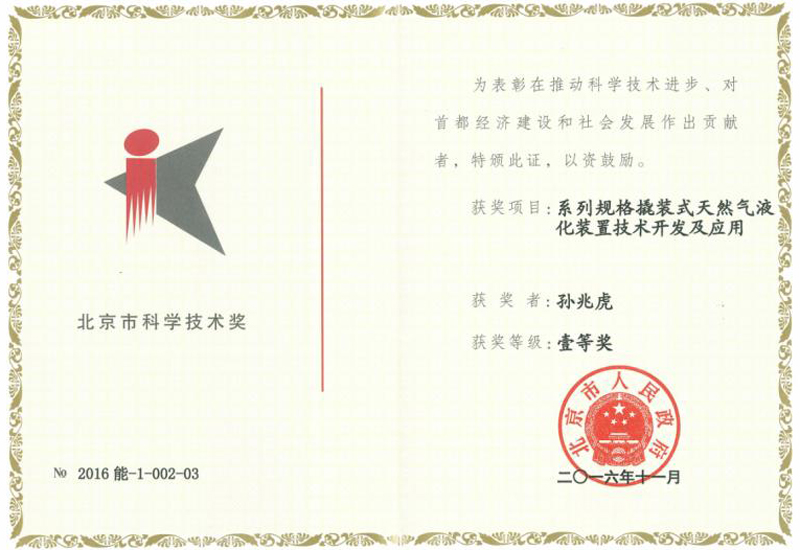
PhD candidate and Senior Engineer at CAS. Published 24 peer-reviewed academic papers (including 11 SCI/EI index articles) and holds 5 patents. Recipient of the first prize of the Beijing Science and Technology Award and Silver Medal at the China International Industry Expo.
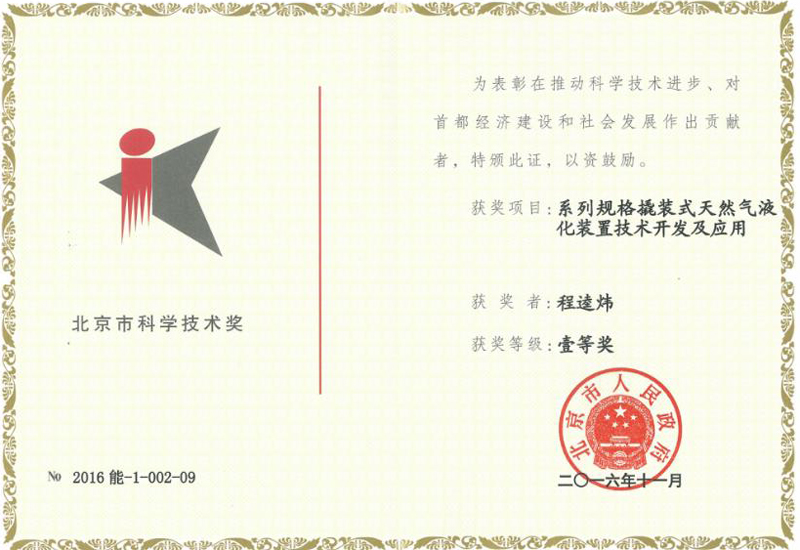
Doctor of Engineering from CAS. Leading developer of mixed-working-medium thermodynamic systems and skid-mounted natural gas liquefaction plants. Specializes in phase-change heat transfer and fluid dynamics in low-temperature process piping.
Our engineering capability spans across gas processing, industrial waste control, and high-performance refrigeration.

We provide skid-mounted liquefaction installations designed for pipeline gas, coalbed methane (CBM), shale gas, and stranded wellhead gas. Our systems incorporate deacidification, dehydration, and heavy hydrocarbon removal steps, alongside BOG helium extraction devices.

We engineer centralized and mobile high-temperature steam sterilization systems for medical and biological waste. Our systems feature automated controls, high heating efficiency, and strict odor containment protocols.

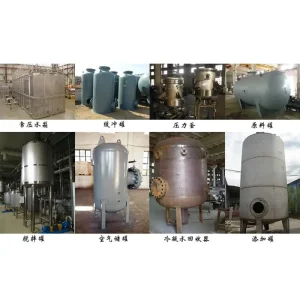
We manufacture custom process vessels, shell-and-tube heat exchangers, separation towers, and gas storage tanks. Under our A2 Class manufacturing license, our products undergo non-destructive examination (NDE) and hydrostatic testing before shipment.

Our specialized low-temperature setups handle operations down to -180°C. These systems are used in pharmaceutical freeze drying (-70°C to -100°C), petrochemical vapor recovery, and vacuum cold trapping (-135°C).
A showcase of our industrial systems operating in global sectors.
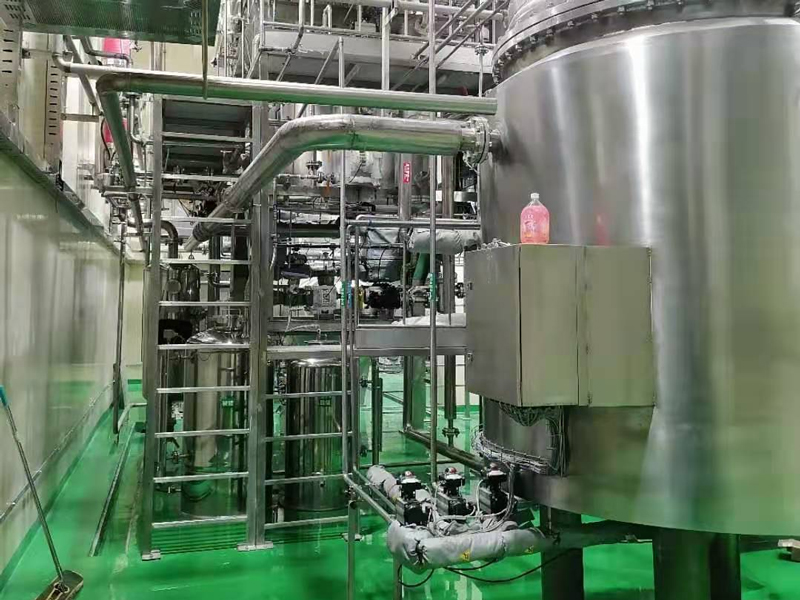
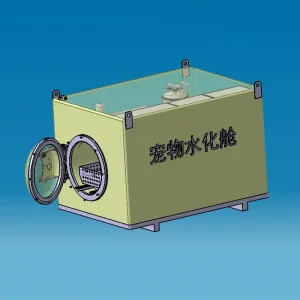
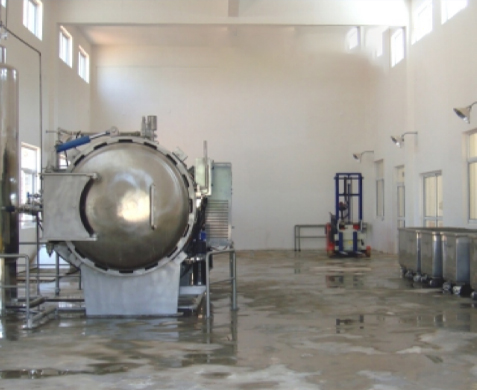
Fully automated hydrolysis and containment systems developed for research institutes and biocontainment facilities.
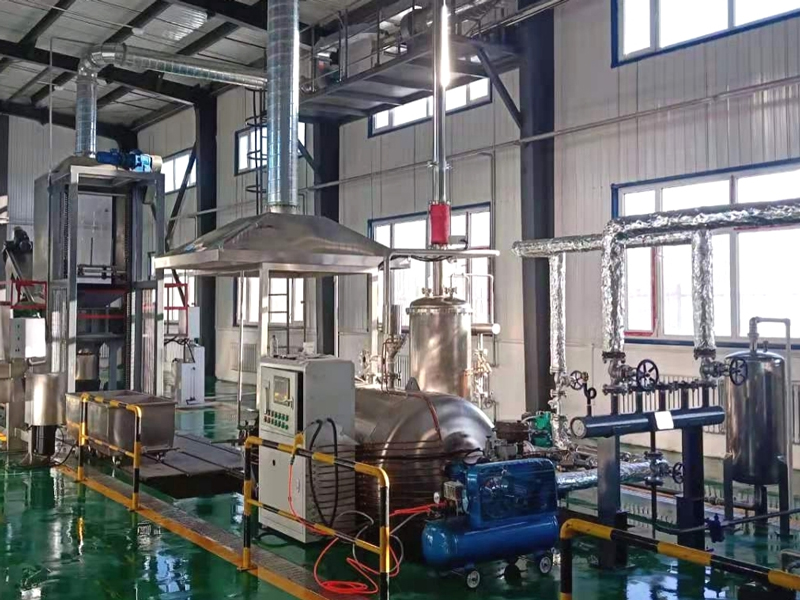
Trailer-mounted steam sterilization skids utilized for emergency medical response and rural hospital zones.
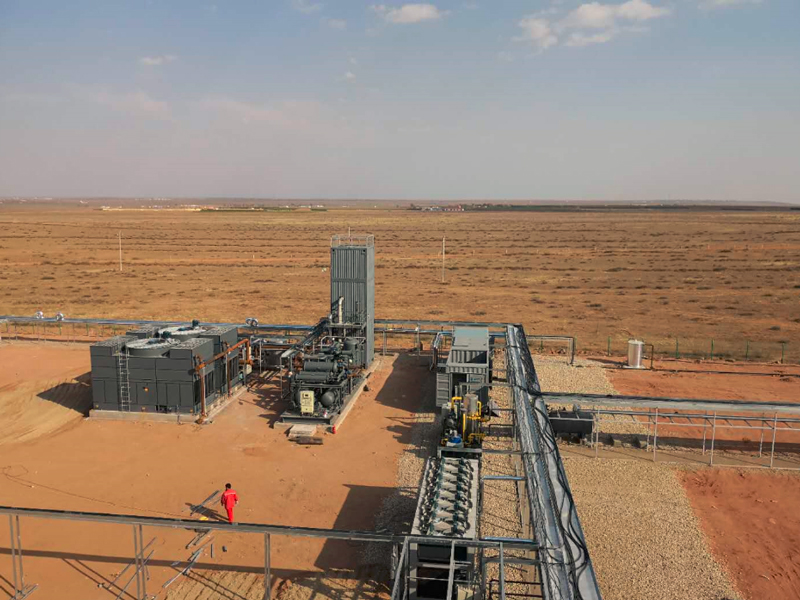
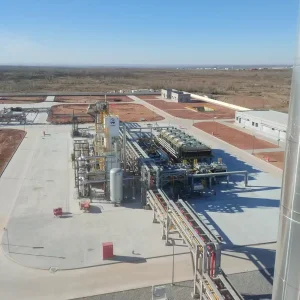
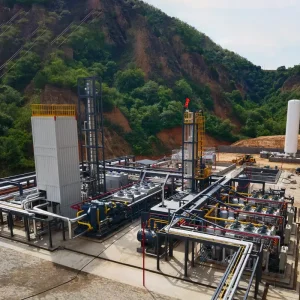
Skid-mounted gas liquefaction plants capturing stranded gas and coalbed methane with modular thermodynamic systems.
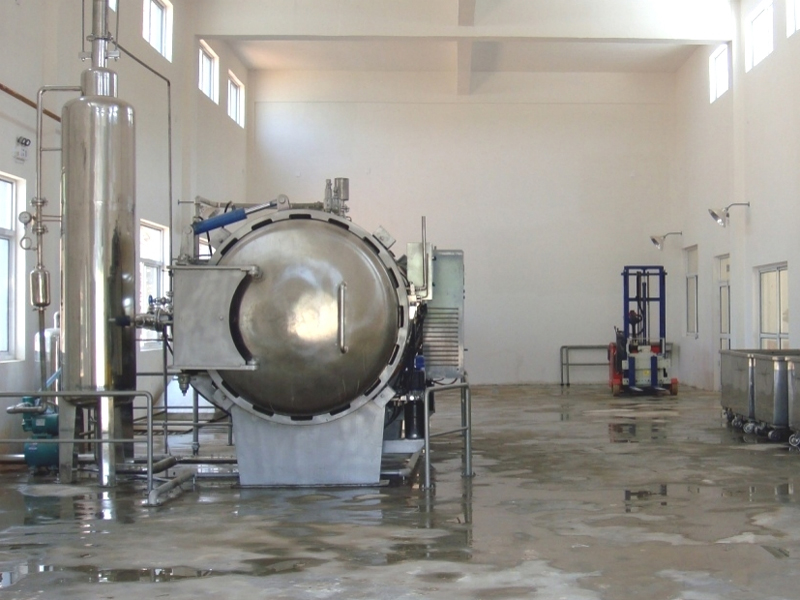
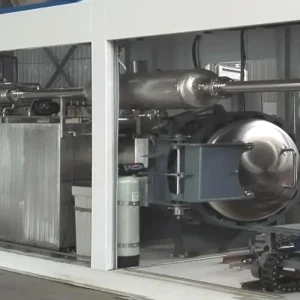
Heavy-duty high-temperature sterilization arrays designed for municipal bio-hazard treatment facilities.
Additional process designs and auxiliary units are available for various industries:
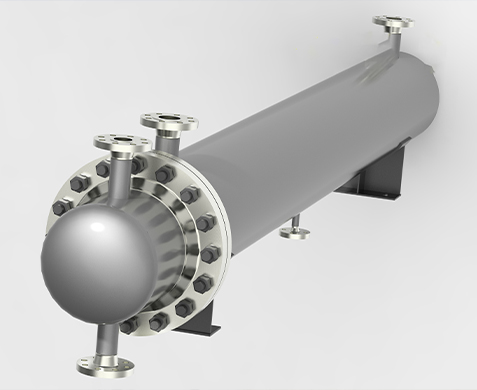
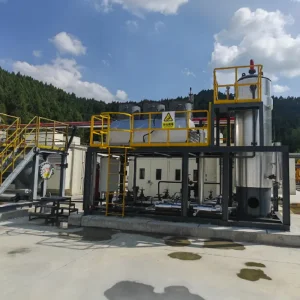
Purification Unit (Deacidification & Dehydration Skids)
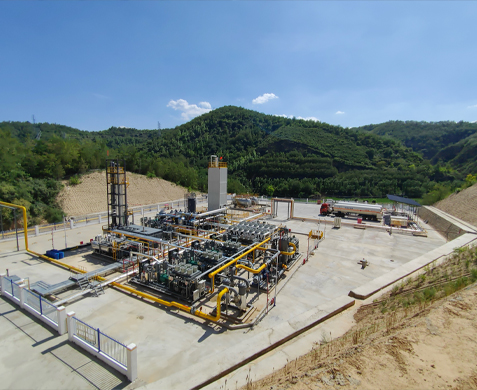
High-Pressure Piping manifold assembly & Instrument Skids
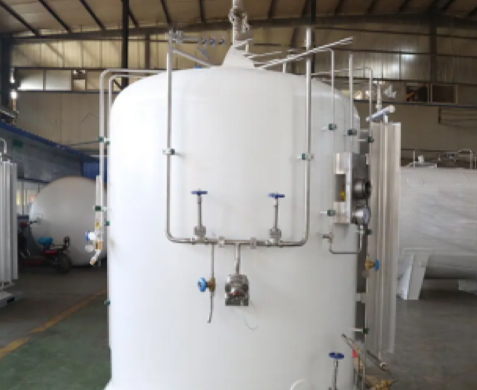
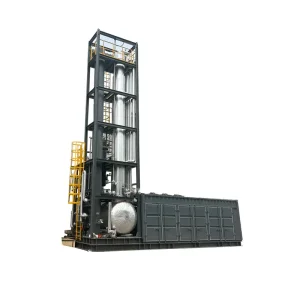
Modular Cryogenic Exchanger Box
Skid-Mounted Compressor Unit Assembly
Detailed engineering insights for project managers, EPC procurement leaders, and utility engineers.
Using a single-loop mixed refrigerant cycle (MRC) simplifies operations compared to multi-stage cascade refrigeration. By mixing nitrogen, methane, ethane, propane, and butane, the refrigerant's boiling curve matches the cooling curve of the natural gas stream. This minimizes thermodynamic losses in the main heat exchanger, lowering electricity consumption per ton of liquefied gas by up to 15-20%.
Our facility implements a quality control system certified under GB/T19001-2016 and conforms to Sinopec HSSE standards. The production workflow includes material chemical verification, computerized plasma cutting, automatic welding, non-destructive testing (Radiographic, Ultrasonic, Magnetic Particle, and Penetrant testing), and hydrostatic validation.
Yes, our purification modules are designed for acid gas (H2S, CO2) levels. We use customized chemical absorption (MDEA/amine washing) or physical adsorption (molecular sieves) depending on the source gas composition. In addition, we integrate dry and wet desulphurisation setups to prevent equipment corrosion and meet local environmental guidelines.
Our systems utilize high-temperature saturated steam sterilization at 134°C to 138°C under pressure exceeding 0.22 MPa. This achieves a microbiological inactivation level of Log 6 (99.9999% reduction of Bacillus stearothermophilus spores) within a 45-minute cycle, offering a reliable, chemical-free alternative for hospital clusters and mobile centers.
Helium has a lower boiling point (-268.9°C) than methane. During natural gas liquefaction, non-condensables collect in the BOG phase. We incorporate fractional condensation and cryogenic adsorption steps within our BOG recovery setups to isolate crude helium. This helps recover a valuable byproduct while optimizing overall energy efficiency.
We manufacture stainless steel chambers (304 or 316L grade) tailored for high-temperature and high-pressure alkaline hydrolysis. Each unit is customized with integrated PLC controls, safety locks, and exhaust scrubbing systems to ensure clean operation in laboratory and animal care environments.
Explore our industrial purification, desulphurisation, and steam sterilization assemblies below.
 Hongke Qingneng