 Hongke Qingneng
Evolution of Gbm Pressure Vessels: Engineering, Metallurgy & Market Dynamics
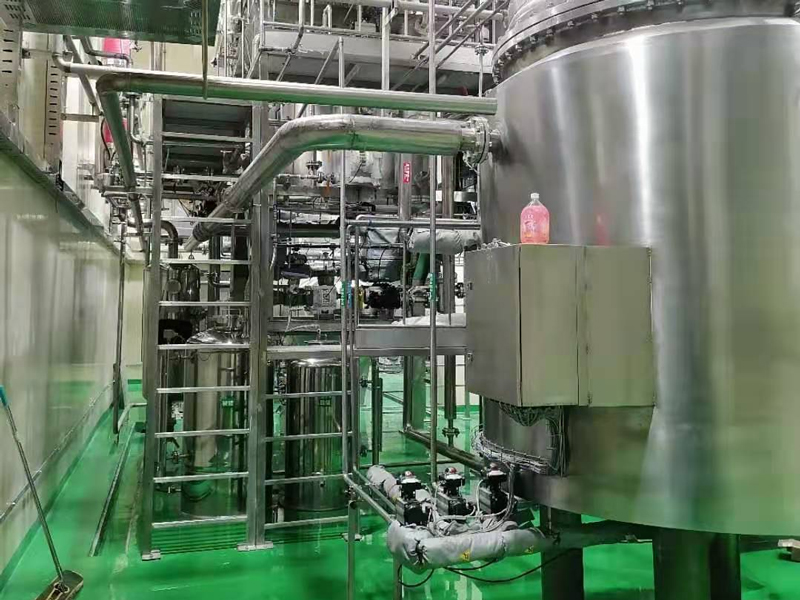
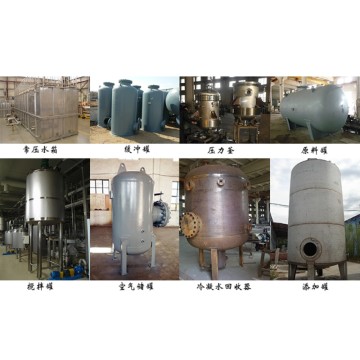
In modern thermodynamic and chemical process networks, the term Gbm pressure vessel represents a highly specialized class of containment systems designed for extreme temperature swings, complex chemical corrosion profiles, and high mechanical fatigue. Modern manufacturing facilities have transitioned from simple boiler-plate configurations to high-integrity structural cells that incorporate computational fluid dynamics (CFD) modeling and finite element analysis (FEA).
1. Key Industry Macro Trends
The energy landscape is undergoing structural transitions. Manufacturers are no longer just producing static storage tanks; they are designing active, heat-exchanging, and separating process vessels that function under high vacuum or deep cryogenic levels.
- Decarbonization & CCS Infrastructure: The rise of Carbon Capture, Utilization, and Storage (CCUS) demands pressure vessels capable of operating at supercritical CO₂ states, calling for advanced thick-walled vessels with specialized interior coatings or corrosion-resistant overlays (CRA).
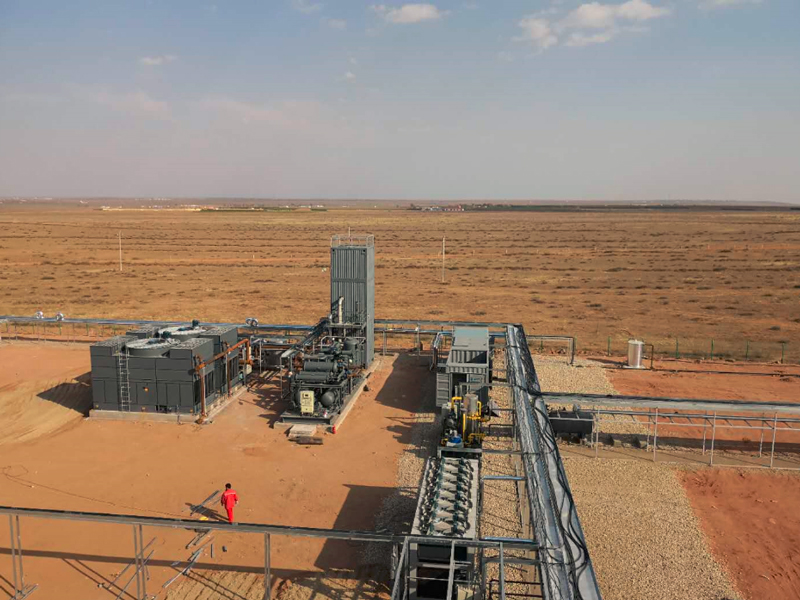
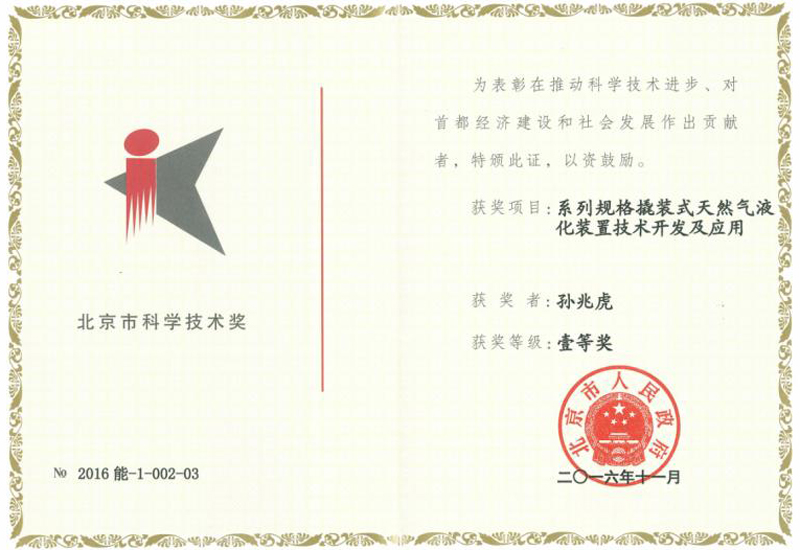
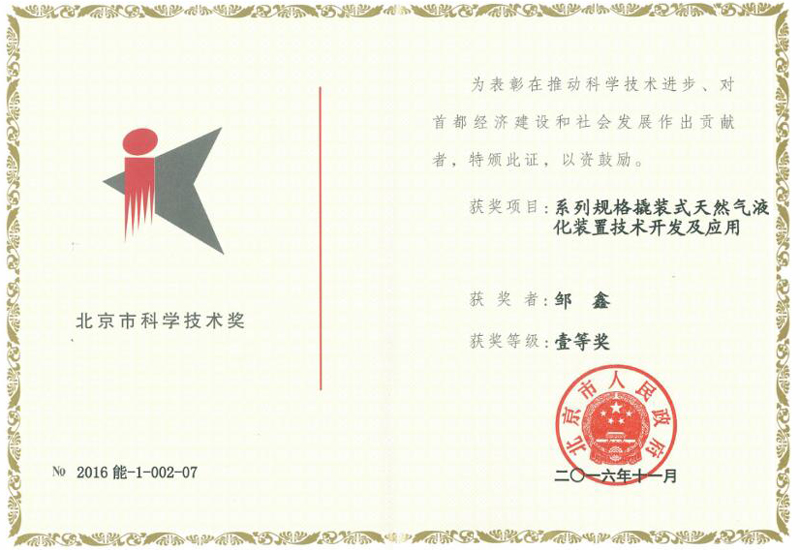
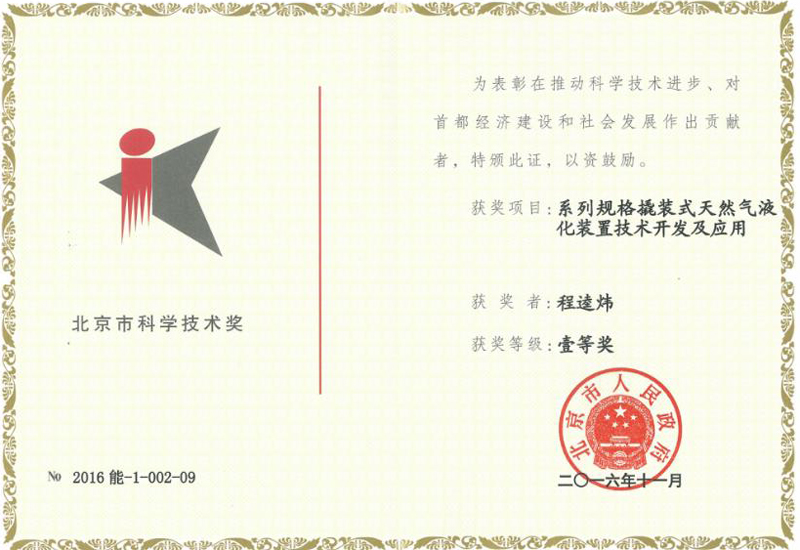
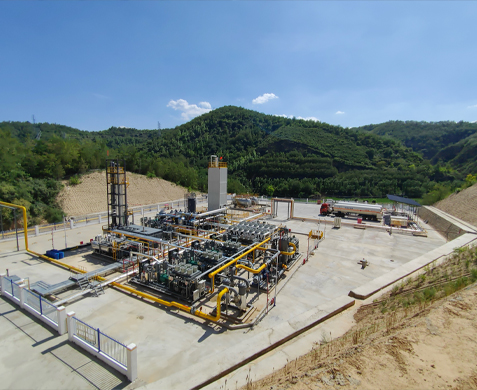
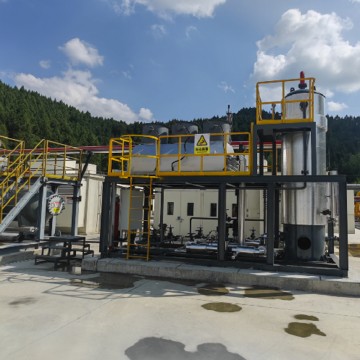
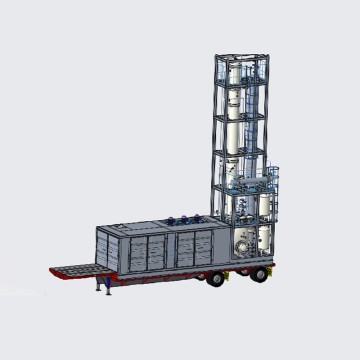
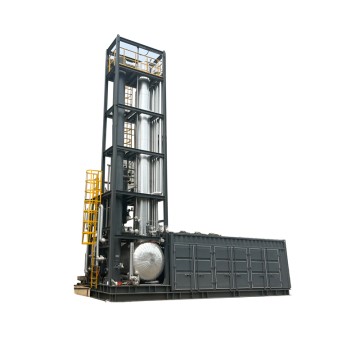
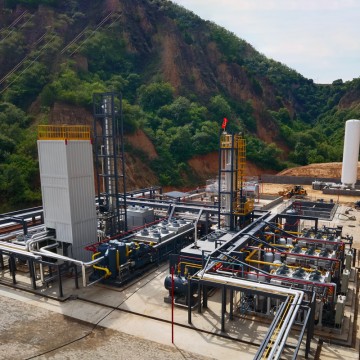
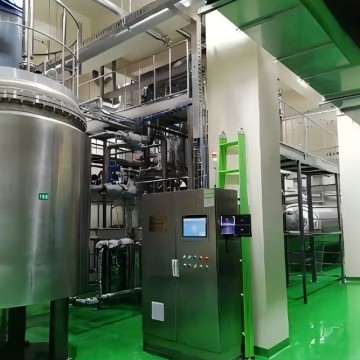
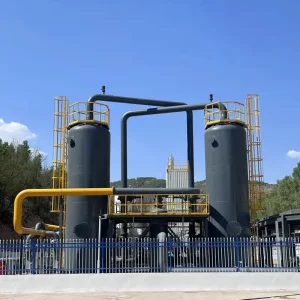
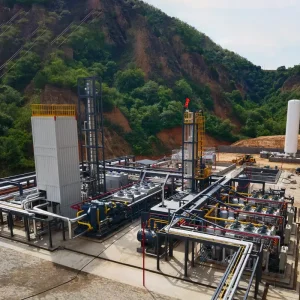
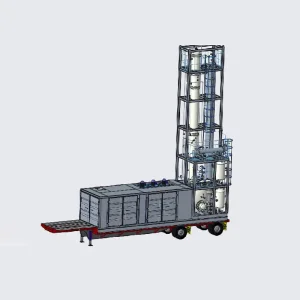
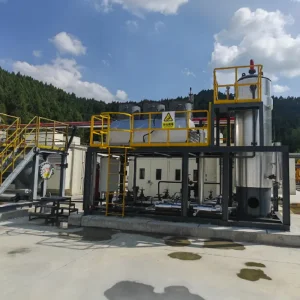
- Modular Skid-Mounted Packages: Instead of field-fabricating massive structural plants, chemical and natural gas operators now mandate complete modularization. Skid-mounted liquefaction and desulphurisation equipment are pre-assembled, piped, wired, and tested inside the factory before global dispatch.
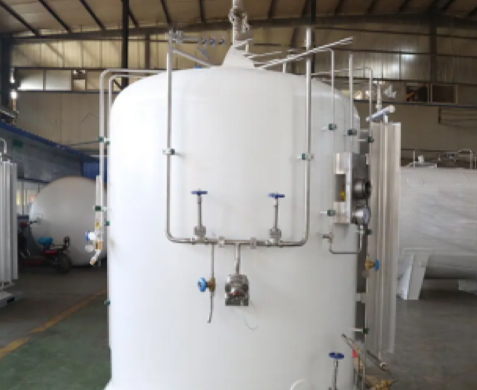
- Extreme Deep Cryogenics: Recovery of helium from BOG (Boil-Off Gas) and hydrogen liquefaction processes require pressure vessels designed for temperatures as low as -180°C down to -269°C. Materials must resist low-temperature embrittlement, prioritizing austenitic stainless steels (such as 304L and 316L) and specialized nickel alloys.
2. Understanding Global Procurement Demands
Procurement teams face significant challenges when sourcing industrial environmental protection and gas processing equipment. The selection of a pressure vessel manufacturer relies on compliance frameworks, metallurgical capabilities, and thermodynamic validation.
International EPC (Engineering, Procurement, and Construction) companies emphasize the validation of mechanical integrity through non-destructive testing (NDT), such as Radiographic Testing (RT), Ultrasonic Testing (UT), Magnetic Particle Testing (MT), and Liquid Penetrant Testing (PT). Beyond raw physical properties, factory capacity, lead times, and engineering pedigree (such as CAS or Tsinghua research connections) serve as key trust indicators.
| Vessel Class / System Type | Standard Materials Used | Design Temperature Range | Applicable Design Codes |
|---|---|---|---|
| Cryogenic LNG / BOG Vessels | SS304L, SS316L, 9% Ni Steel | -196°C to +50°C | ASME Sec VIII Div 1, GB150 |
| H₂S Desulphurisation Towers | Q345R + HIC Resistant, Carbon Steel + Cladding | -20°C to +150°C | ASME, NACE MR0175, GB/T 150 |
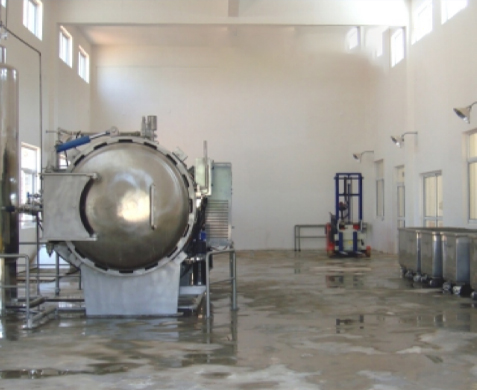
| Hydrolysis Treatment Autoclaves | SS316L, Duplex 2205 | Ambient to +200°C | ASME Sec VIII, A2 License (GB) |
| Skid-Mounted Liquefaction Systems | Mixed Alloys, Structural Carbon Steels | -180°C to +60°C | Sinopec HSSE, GB/T19001-2016 |
3. Macro Industrial Solutions
Developing unified macro solutions requires bridging the gap between mechanical containment and process thermodynamics. The systems designed by Hebei Hongke Qingneng cover three core domains:
A. Clean Energy & Gas Purification Systems
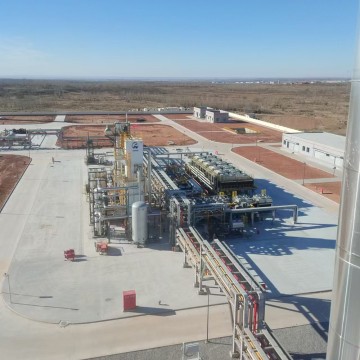
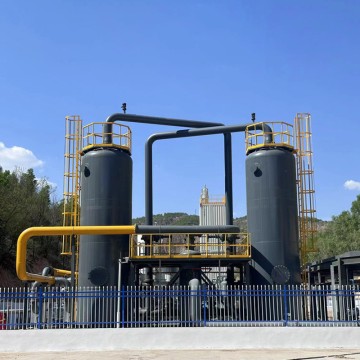
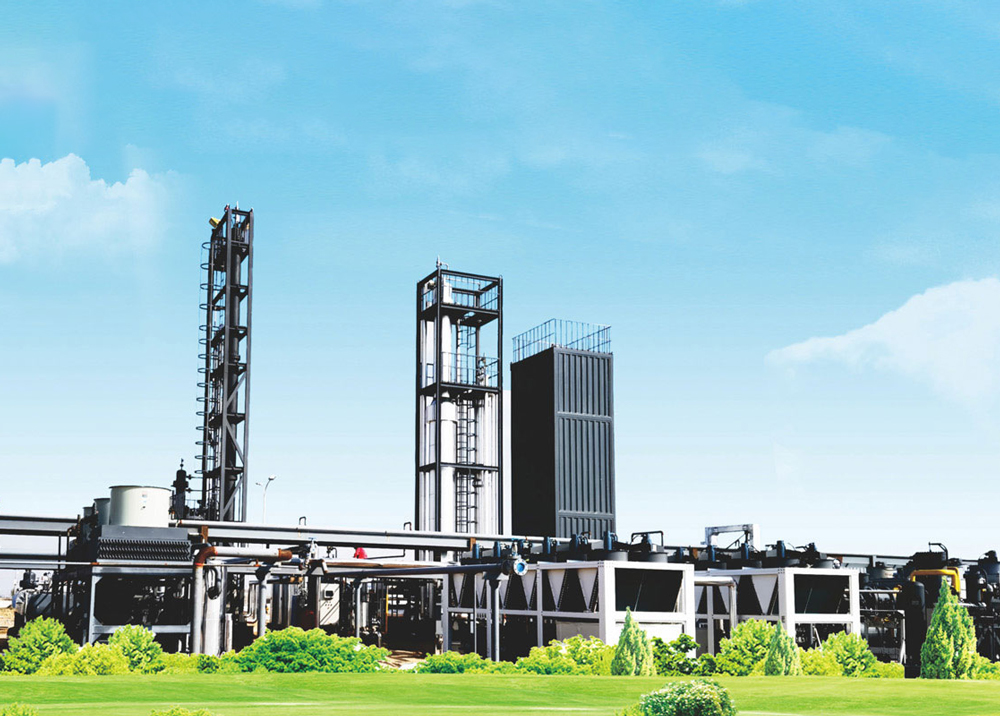
Converting raw wellhead gas or coalbed methane (CBM) into clean, transportable liquefied natural gas (LNG) involves intensive phase separation. Acid gases (H₂S and CO₂) must be stripped using desulphurisation and deacidification systems to prevent pipeline corrosion and freezing in cryogenic sections. Heavy hydrocarbons are separated before the gas enters the main cold box, where mixed refrigerant cycles (MRC)—modeled by our CAS research teams—liquefy the stream at optimized pressures, reducing power consumption by up to 15% compared to conventional cycles.
B. Bio-waste & Medical Waste High-Temperature Steam Treatment
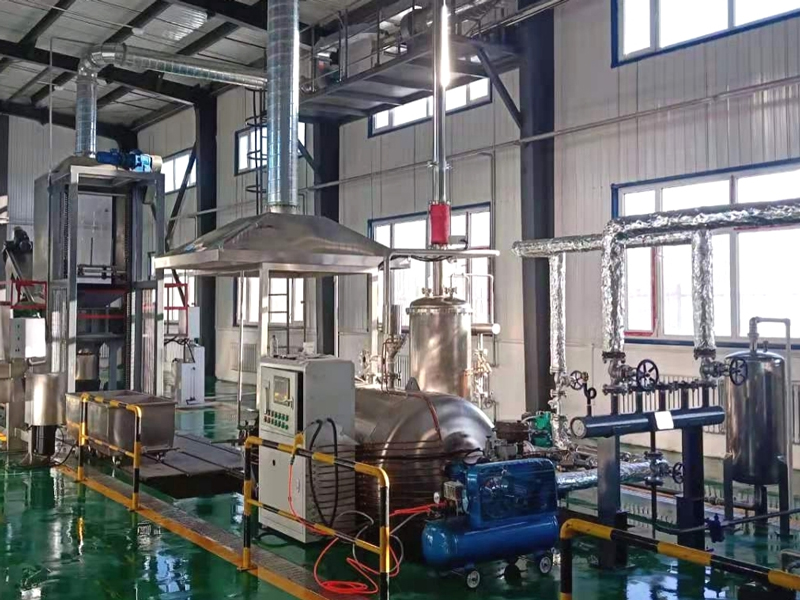
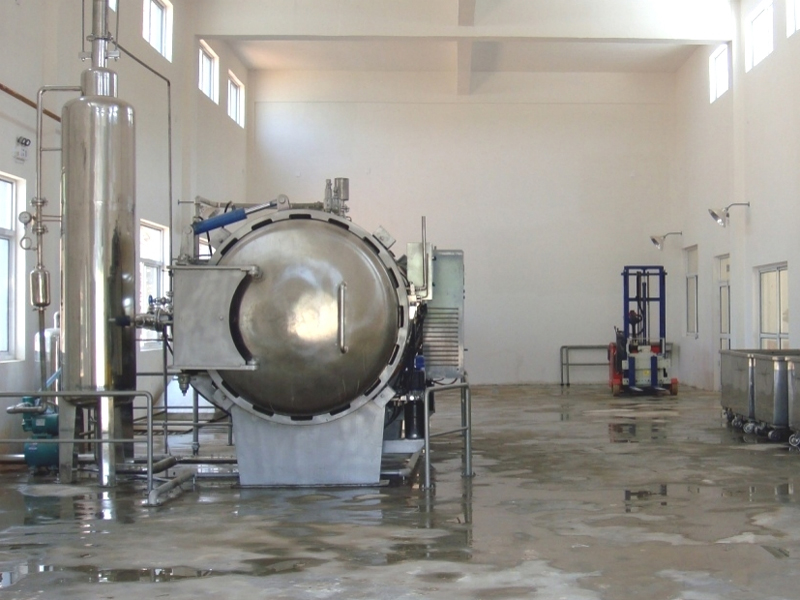
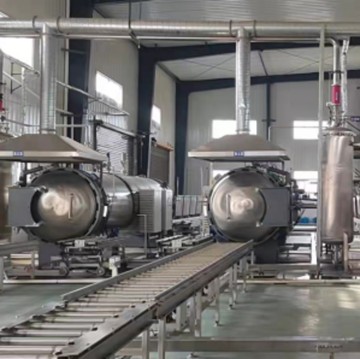
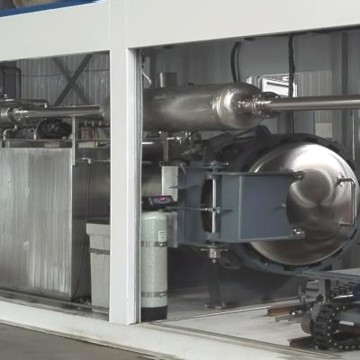
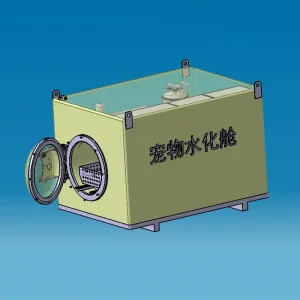
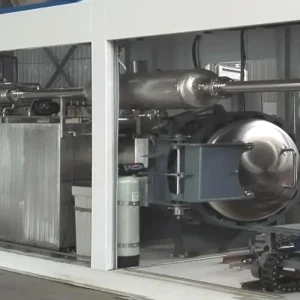
Environmental protection requires robust thermal destruction of pathogen vectors. Our mobile and centralized medical waste systems utilize high-pressure, saturated steam inside specialized autoclaves. These pressure vessels feature quick-opening doors with active safety interlocks. High-temperature hydrolysis treatment equipment for laboratory animal carcasses provides zero-emission, safe processing, ensuring complete pathogen destruction and resource reduction.
C. Industrial Cryogenics & Deep Refrigeration
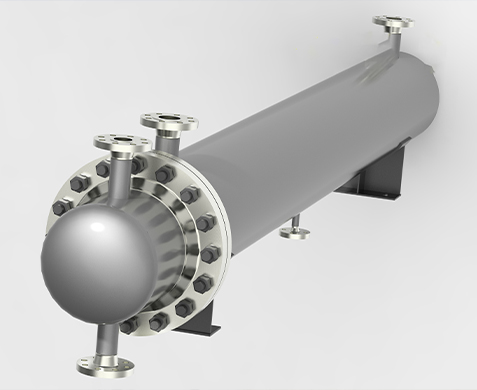
Operating in the -40°C to -180°C range requires specialized thermodynamic systems. Our vacuum cold traps (-135°C) and freeze dryers (-70°C to -100°C) are engineered to prevent thermal expansion stresses on the shell-and-tube configurations, ensuring vacuum retention over decades of active service.
4. Localization Support & Compliance Engineering
Operating globally requires adherence to international standards. Having an A2-level pressure vessel manufacturing license allows us to manufacture high-pressure vessels domestically while complying with global equivalents like the ASME Boiler and Pressure Vessel Code (BPVC) in North America and the Pressure Equipment Directive (PED) in Europe.
Compliance is not limited to design codes; it includes environmental safety management. Our facility holds certifications for Sinopec HSSE and China Petroleum Health, Safety and Environment Management System, confirming that our design, welding, testing, and shipping processes adhere to the highest standards of safety and sustainability.