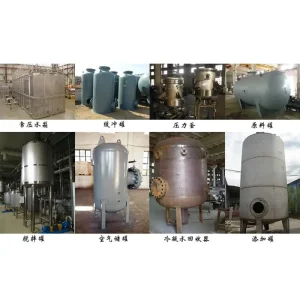
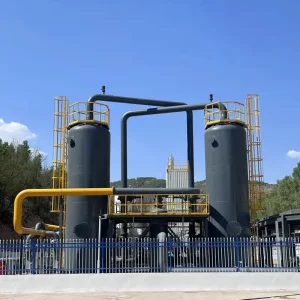
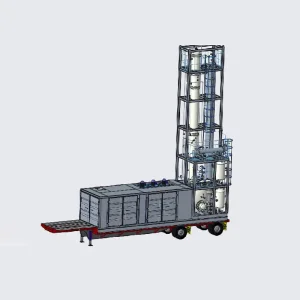
Explore our certified solutions for gas recovery, purification, cryogenic liquefaction, and non-standard pressure vessels.
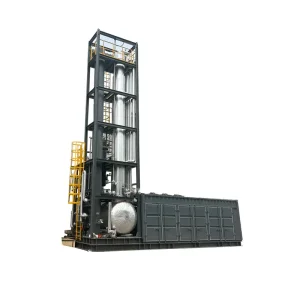
Key parameters, engineering requirements, and selection metrics for large-scale carbon capture and process storage.
For CO2 service, maintaining high toughness and preventing low-temperature embrittlement is critical. Industrial buyers demand normalized carbon steels (such as SA-516 Gr. 70) or premium austenitic stainless steels (304/304L and 316/316L) to withstand dry-ice formation risk during depressurization (-78.5°C).
When moisture is present, carbon dioxide forms carbonic acid, which causes high corrosion rates in carbon steel. Effective desiccant drying and glycol dehydration modules are standard integration requirements to ensure a dew point of under -40°C inside the pressure boundary.
Modern procurement strategies prioritize turn-key skid-mounted gas processing modules. This plug-and-play architecture integrates the CO2 pressure vessel with separators, coalescers, heat exchangers, instrumentation, and control units onto a structural frame, reducing field installation costs and startup delays.
Our scientific foundation and technical leadership translated into concrete industry achievements.
Hebei Hongke Qingneng Environmental Protection Equipment Co., Ltd.
Hebei Hongke Qingneng Environmental Protection Equipment Co., Ltd. was established in June 2021 with a registered capital of 78 million yuan. Located in the industrial base of Sanhe Economic Development Zone, Langfang City, the company spans design, engineering, and manufacturing of critical process hardware. We specialize in various pressure vessels, medical waste high-temperature steam treatment plant, biological wastewater treatment systems, and process skids for natural gas/coalbed methane/shale gas purification and liquefaction.
Our core advantage lies in our scientific lineage. In partnership with experts from Tsinghua University and the Institute of Physics and Chemistry Technology, Chinese Academy of Sciences (CAS), our engineering team designs heat exchangers, phase change systems, and cryogenic processes based on advanced thermal dynamics. By combining academic research with industrial manufacturing, we help global clients comply with strict environmental laws and maximize carbon efficiency.
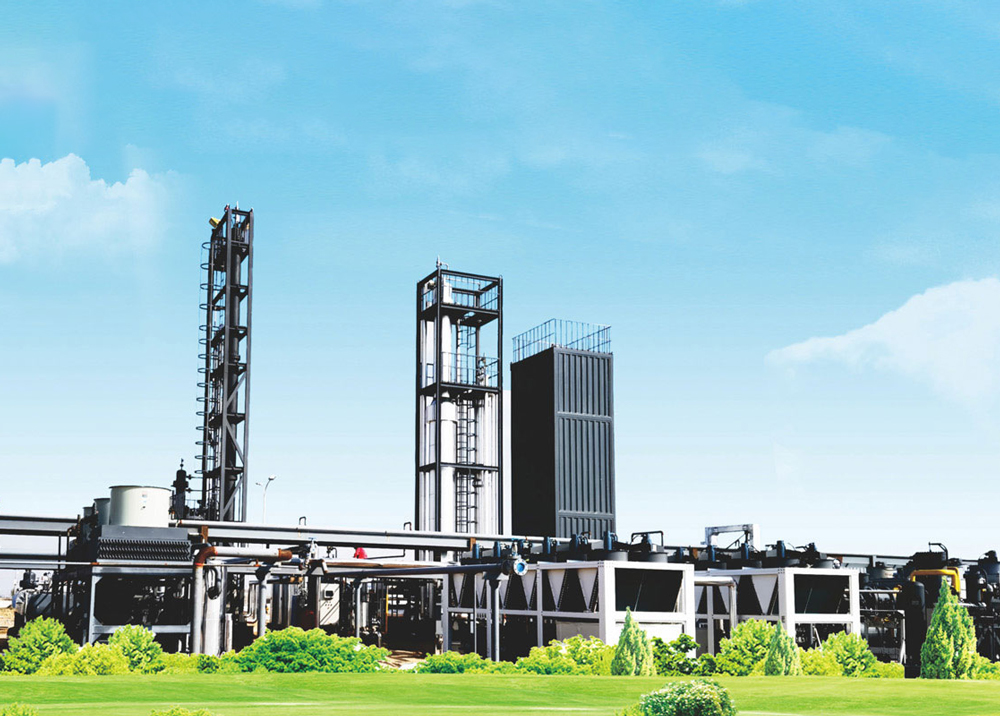
How our strategic location, automated production, and material sourcing benefit international buyers.
Located in Langfang, Hebei, our factory sits next to premium steel hubs. This proximity ensures easy access to certified raw carbon steel and cryogenic stainless steel plates, insulating our production schedules from global logistics disruption and reducing procurement costs.
We use automated submerged arc welding (SAW) and orbital TIG welding for critical longitudinal and circumferential joints on all CO2 pressure vessels. This automated process ensures deep weld penetration and clean microstructures, minimizing fatigue risks during pressure cycling.
Quality assurance includes non-destructive testing (NDT) such as digital radiography (RT), ultrasonic testing (UT), magnetic particle testing (MT), and hydrostatic testing. Our complete inspection capability ensures defect-free pressure vessels before they leave our factory.
Our workforce features certified ASME/GB welders, experienced QA inspectors, and project managers trained in international trade. We offer engineering support from initial CAD design and finite element analysis (FEA) to final packing and shipping.
Our research and development team is led by PhDs and senior engineers from prestigious academic institutions.
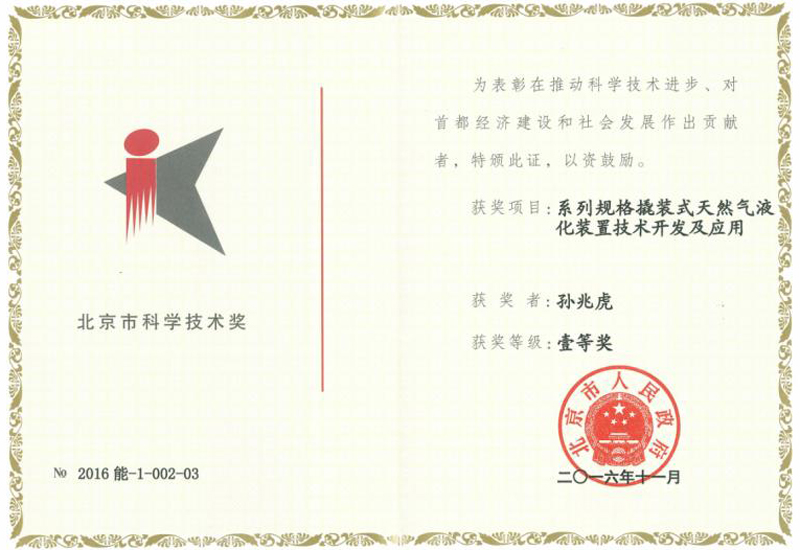
Founder and Chairman
PhD from the Institute of Physics and Chemistry Technology, Chinese Academy of Sciences (CAS). National Senior Engineer. Dr. Sun has led several national projects, including the National 863 Program and National Natural Science Foundation studies. His awards include the Excellent Young Paper Award in Engineering Thermodynamics, the First Prize of Science and Technology of the China Coal Industry, and the Special Prize of Technological Invention from the Chinese Society of Refrigeration.
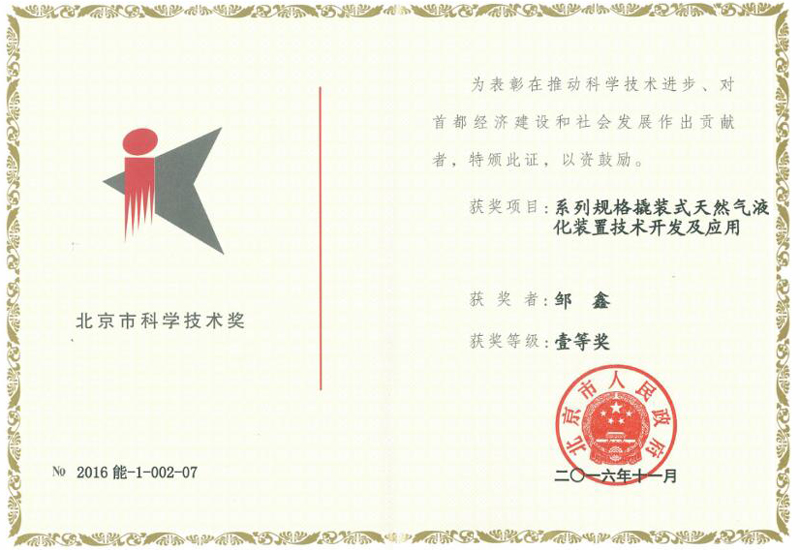
General Manager
PhD candidate and Senior Engineer at the Institute of Physics and Chemistry Technology, CAS. Dr. Zou directs commercial operations and product strategy. He has managed major national technology initiatives, published 24 peer-reviewed academic papers (including 11 indexed in SCI/EI), and holds 5 patents. He won the Special Award of the China Refrigeration Society Technological Invention Award and the Silver Medal at the 19th China International Industry Expo.
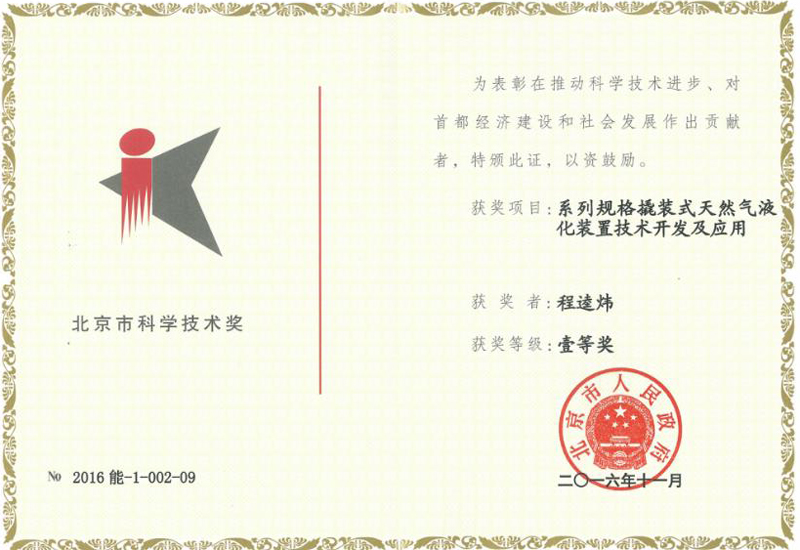
Chief Engineer
Doctor of Engineering from the Institute of Physics and Chemistry Technology, CAS. An expert in gas liquefaction and process plant thermal design, Dr. Cheng led the development of skid-mounted natural gas liquefaction systems. His research covers phase change heat transfer and mixed working fluid flow. He has won the Special Prize of the Science and Technology Award of the Chinese Refrigeration Society.
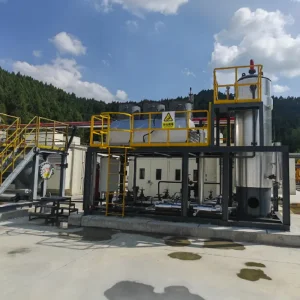
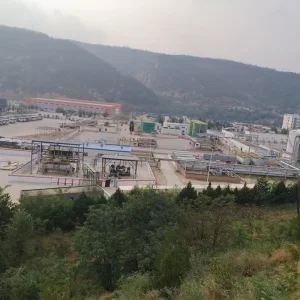
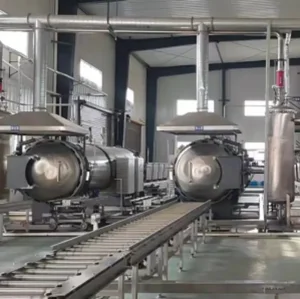
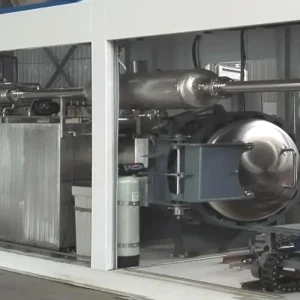
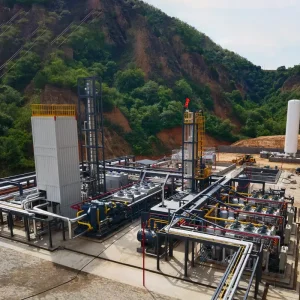
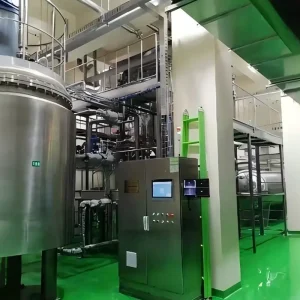
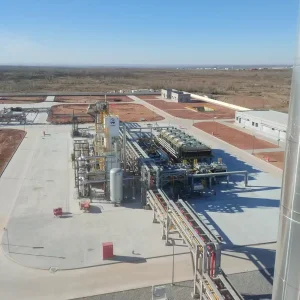
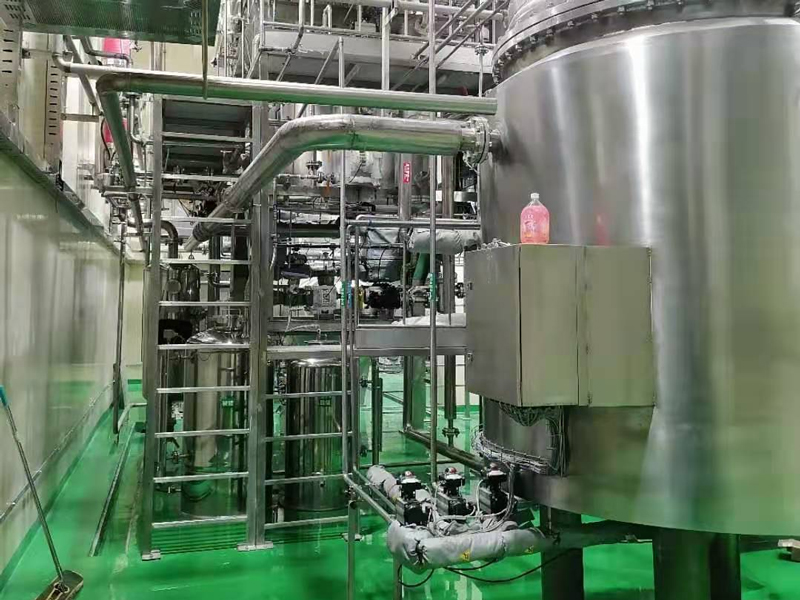
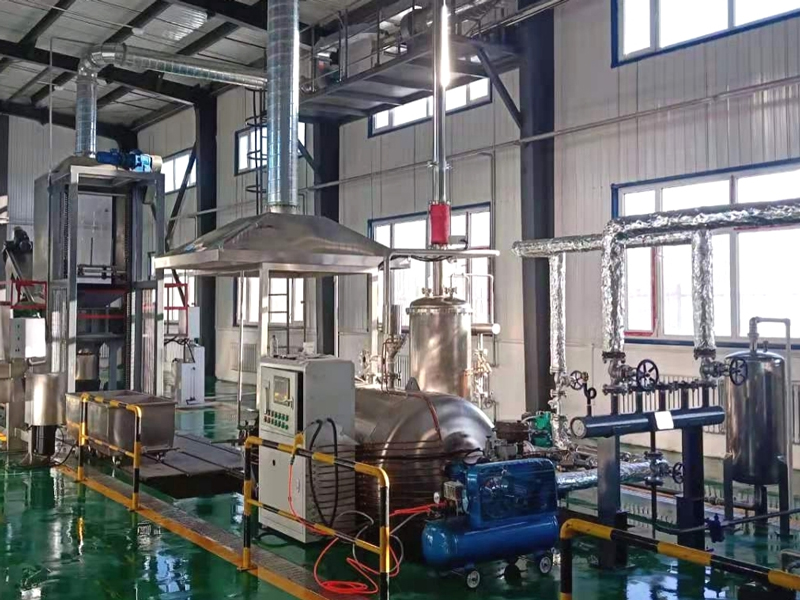
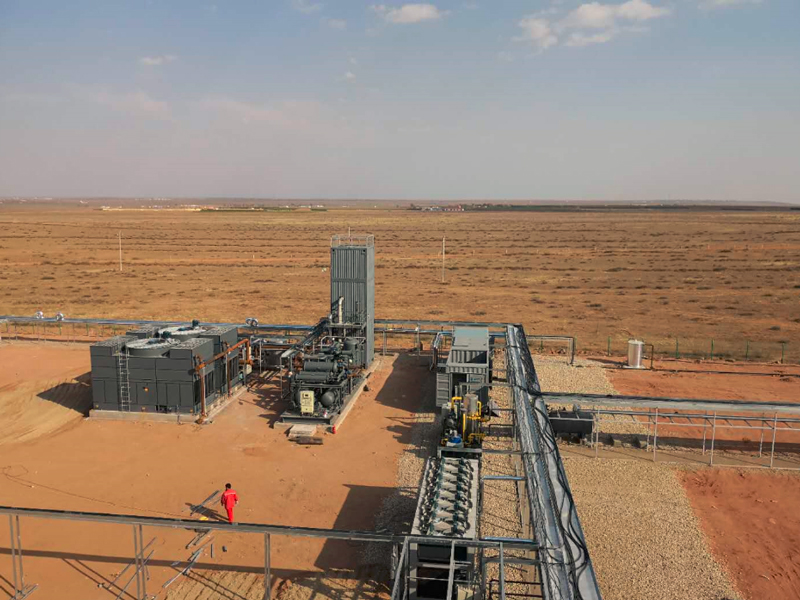
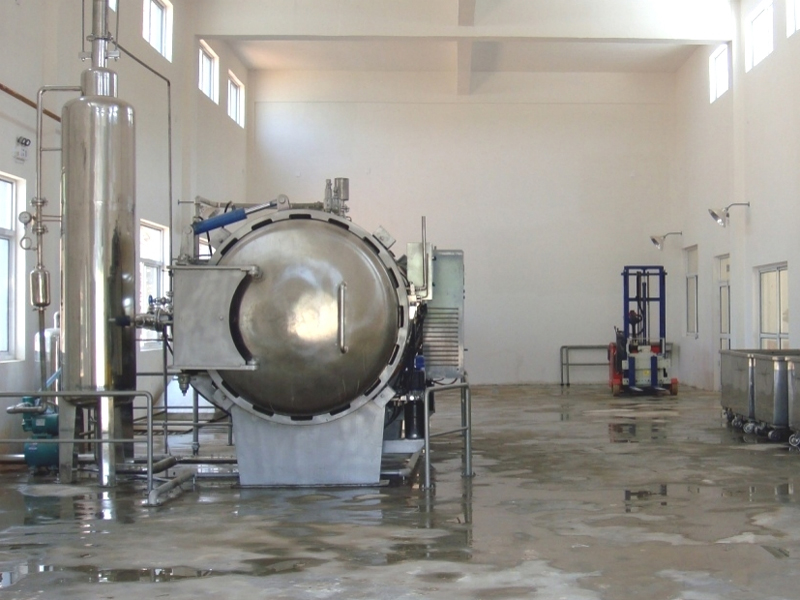
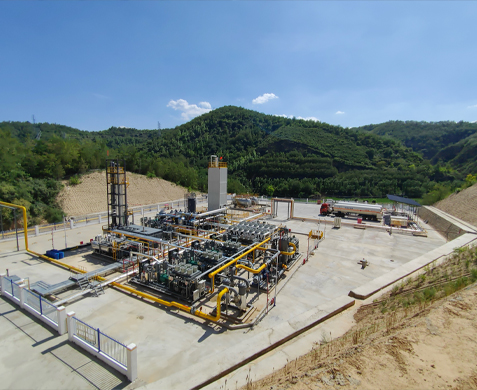
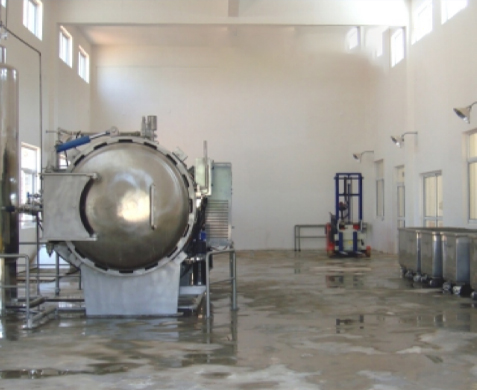
Operational site photos displaying our system integrations, including medical waste autoclaves and LNG skid plants.
Ensuring your pressure equipment meets regional import laws and plant safety rules.
We hold the Class A2 manufacturing license in China, which permits the fabrication of high-pressure and complex-design vessels. This forms the basis of our standard design and quality control processes.
Certified under the Sinopec HSSE and China Petroleum Health, Safety, and Environment Management Systems, our manufacturing and engineering steps follow strict protocols for environmental protection and personnel safety.
Certified to GB/T19001-2016 (equivalent to ISO 9001:2015), our quality program tracks every step from raw material delivery and weld tracking to hydrostatic test certifications.
While our default systems follow GB standards, our engineering team regularly designs and builds pressure vessels according to ASME Section VIII Div. 1, CE-PED directives, and AD2000 specifications to meet requirements in North America, Europe, and the Middle East.
Our pressure equipment serves several carbon-intensive and highly regulated process industries.
We supply carbon capture plant components, such as absorbers, regenerators, and high-pressure liquid CO2 storage vessels. These systems purify flue and process gases into commercial-grade CO2.
Our skid-mounted process systems perform amine-based deacidification, molecular sieve dehydration, and cryogenic hydrocarbon removal. These processes are essential for preparing natural gas and shale gas for pipeline transport or liquefaction.
We build centralized and mobile medical waste high-temperature steam treatment systems. These autoclave pressure vessels neutralize bio-hazards at municipal waste centers and research facilities.
Market developments shaping the next generation of industrial gas equipment.
The demand for skid-mounted natural gas and CO2 liquefaction plants is rising. Modular, pre-assembled systems reduce site construction costs and allow energy developers to monetize stranded gas or capture emissions in remote locations.
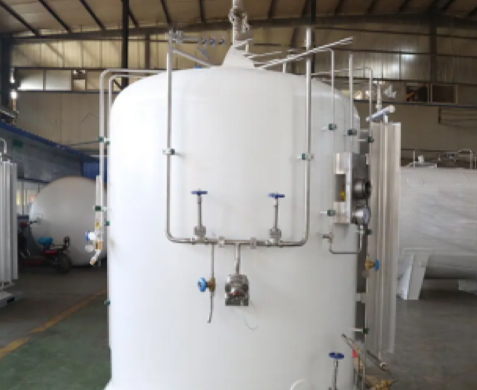
Modern cryogenic pressure vessels use vacuum-insulated piping and double-walled vessel shells. Using expanded perlite or multi-layer insulation (MLI) under high vacuum reduces boil-off gas (BOG) loss during long-term storage.
As helium demand increases, separating and extracting helium from liquefied natural gas (LNG) boil-off gas has become financially viable. Integrating BOG helium extraction into gas processing plants helps operators capture a valuable byproduct.
Modern pressure vessels feature digital instrument arrays that track temperature, pressure, strain, and corrosion levels in real time. These IoT integrations allow operators to predict maintenance needs and monitor system health from a central control room.
A closer look at our process equipment, cold trap integrations, and pressure vessel fabrication lines.
Expert answers to common engineering, procurement, and installation questions.
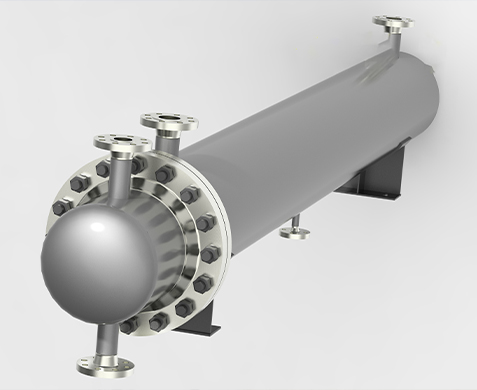
Explore our complete catalog of purification plants, desulphurisation towers, and non-standard shell-and-tube systems.
 Hongke Qingneng