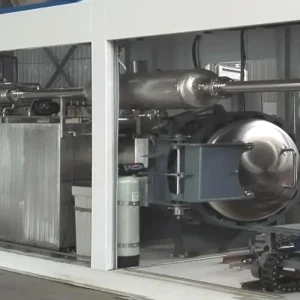
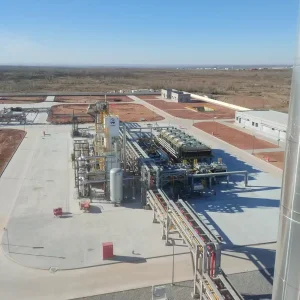
In the contemporary landscape of global industrial processes, thermodynamic efficiency is no longer merely a metric of operational optimization; it is a critical regulatory and financial imperative. As nations align their industrial matrices with carbon-neutral pathways, high-performance heat exchangers and custom-engineered pressure vessels serve as the cornerstone of energy recovery. From high-grade chemical processes to cryogenic helium extraction and LNG liquefaction plants, the management of heat transfer determines the viability of modern industrial complexes.
The global heat exchanger procurement matrix is shifting toward suppliers who demonstrate advanced technological depth, rigorous structural certification, and complex fluid-dynamics engineering capabilities. Traditional mass-market manufacturing is rapidly being supplanted by custom-designed shell and tube heat exchangers, high-pressure non-standard systems, and modular skid-mounted thermal packages. Industrial plants in Europe, North America, and East Asia demand solutions that mitigate fouling, maximize heat transfer coefficients, and operate reliably under extreme pressure margins and highly corrosive fluids.
"The integration of optimized thermodynamic architectures directly correlates with a reduction in scope 1 and scope 2 emissions, enabling global enterprises to meet both ESG mandates and stringent operational yield parameters."
Established in June 2021 with a capital baseline of 78 million yuan, our enterprise operates in the heart of the Sanhe Economic Development Zone, Langfang City. We are an R&D-driven design and fabrication powerhouse focusing on energy conservation and environmental protection platforms.
Our primary engineering scope bridges the gap between academic theory and heavy industrial deployment. We excel in custom non-standard pressure vessels, medical waste treatment, VOC mitigation, industrial refrigeration platforms ranging down to -180 ℃, and high-efficiency skid-mounted liquefaction facilities for natural gas, coalbed methane, and shale gas.
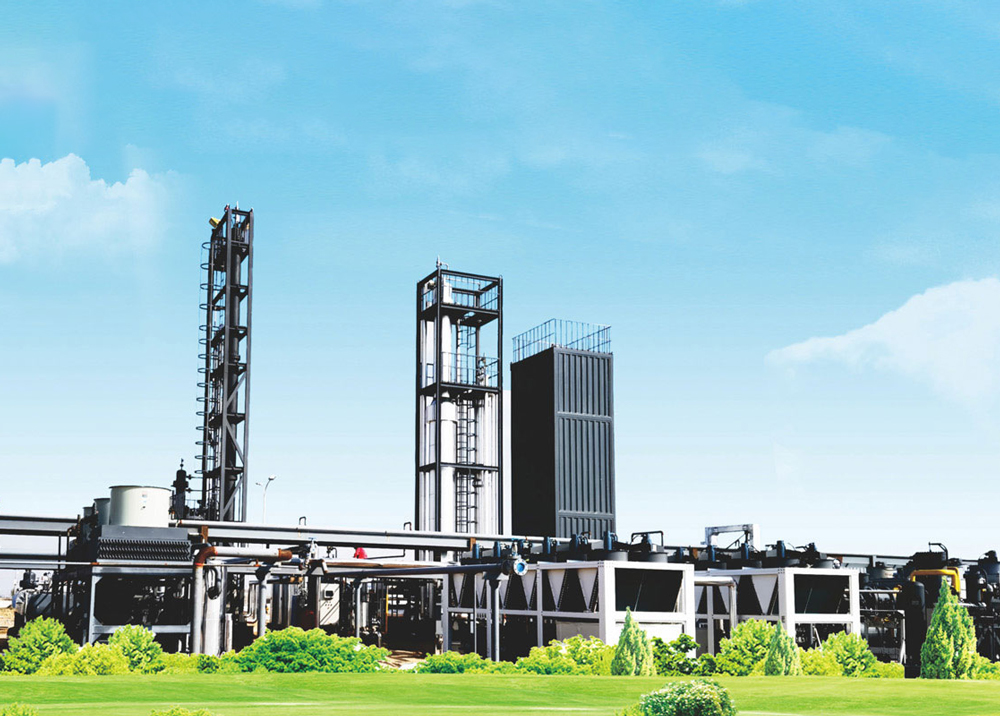
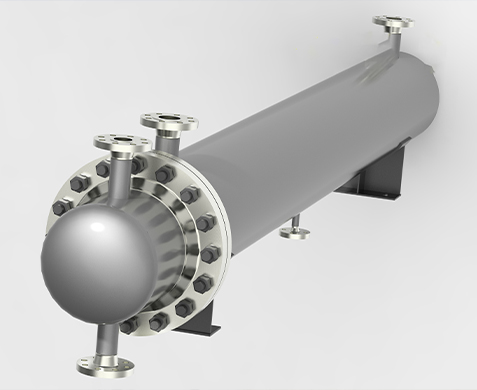
Engineered for complex phase-change heat transfer environments. Optimized tube-side flow geometries and baffle designs minimize pressure drops while maximizing thermal duty coefficients across high-viscosity or chemical-laden streams.
Integrating mixed refrigerant cycle (MRC) methodologies. Our systems are optimized for industrial gas processing, BOG tail gas helium extraction, freeze drying platforms (-70℃ to -100℃), and ultra-low temperature cold traps (-135℃).
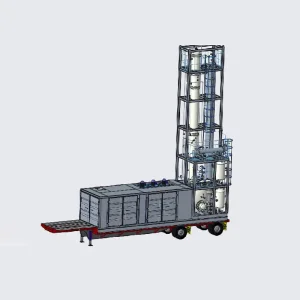
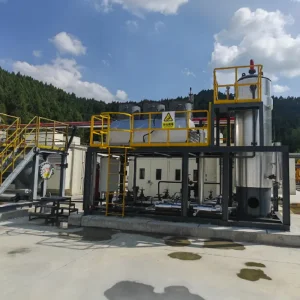
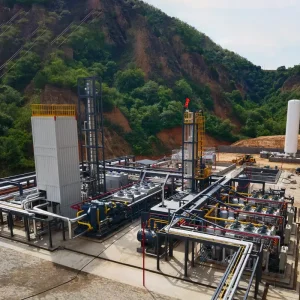
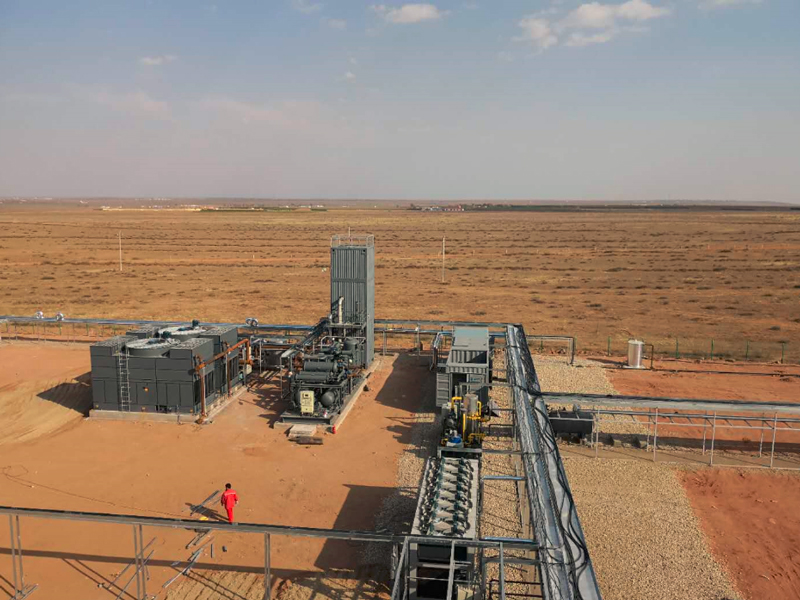
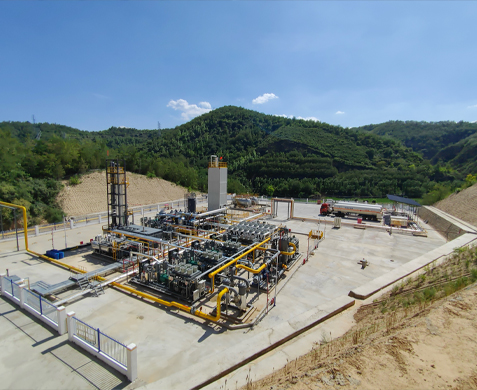
Turnkey gas purification and liquefaction packages. Our vehicle-mounted and skid-mounted LNG systems isolate heavy hydrocarbons, desulfurize feed streams, and dehydrate methane for reliable liquid fuel production.
Our technological differentiation lies in our direct integration with China’s premier engineering research institutes, including Tsinghua University and the Institute of Physics and Chemistry Technology, Chinese Academy of Sciences (CAS).
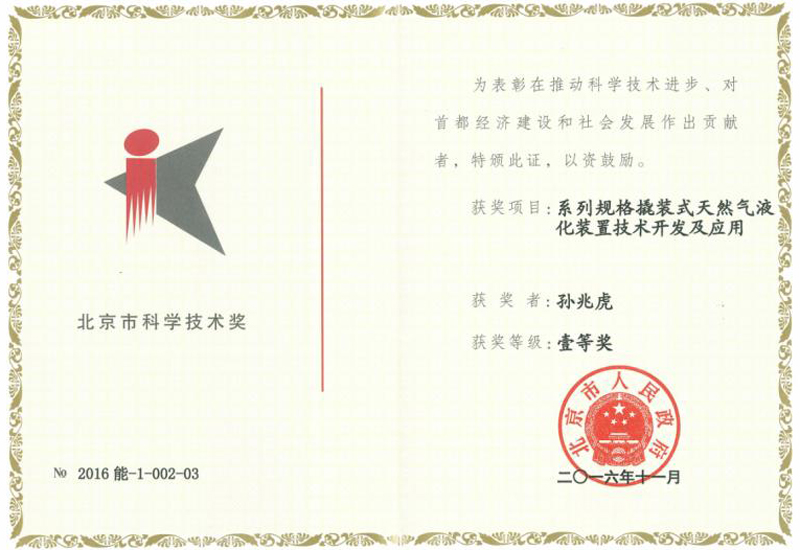
Dr. Sun has presided over the National 863 Program, natural science foundation projects, and aerospace and military defense programs. Awarded the Special Prize of Technological Invention by the Chinese Society of Refrigeration (2015) and the Beijing Science and Technology Award (2016). He has guided over 20 independent intellectual property rights and 50+ industrial skid-mounted liquefaction projects, bringing academic thermodynamic precision to structural designs.
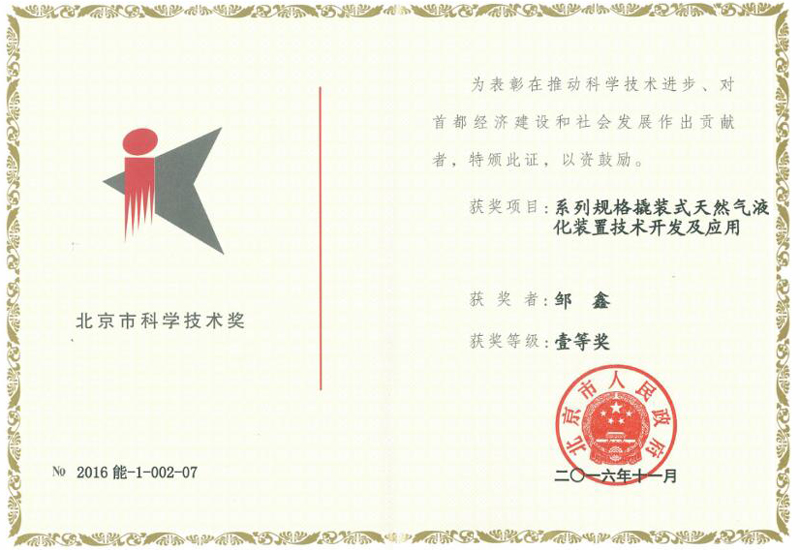
Zou Xin has overseen industrial technology deployment for over a decade, managing national-level "12th Five-Year" science and technology projects. He has published 24 domestic and international academic papers (including 11 indexed by SCI/EI) and holds 5 patents in cryogenic gas cycles. Awarded the Silver Medal of the 19th China International Industry Expo in 2017.
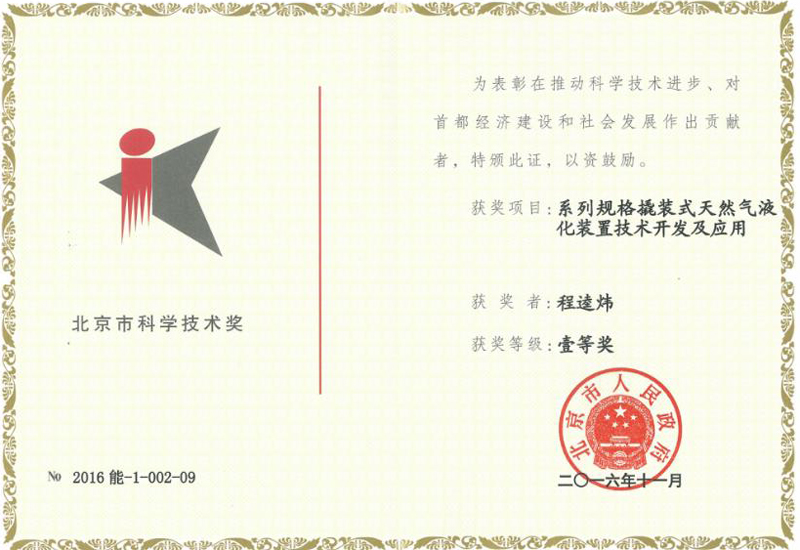
Dr. Cheng specializes in skid-mounted natural gas liquefaction technologies. His focus on phase-change heat transfer characteristics and flow properties of multi-component mixed working media has resulted in multiple technology breakthrough awards. He bridges basic thermodynamic research with operational hardware design, optimizing shell and tube geometries for industrial clients.
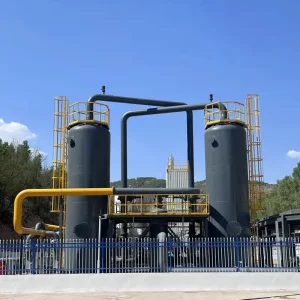
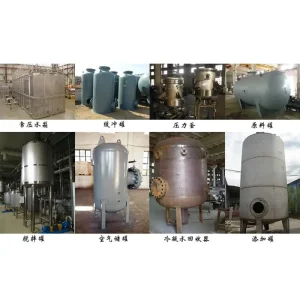
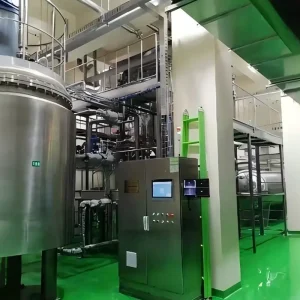
Industrial components do not operate in isolation. The synergy between high-efficiency heat exchangers and surrounding plant machinery defines overall process uptime. For example, our A2-level pressure vessel manufacturing license enables the production of high-pressure process vessels that comply with global design directives. This capacity is critical in chemical, energy, and biopharmaceutical applications where containment safety and temperature control are paramount.
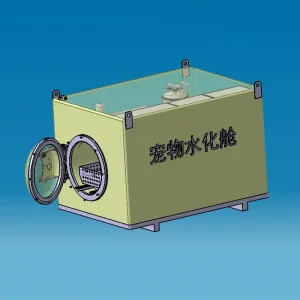
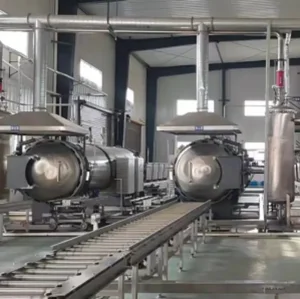
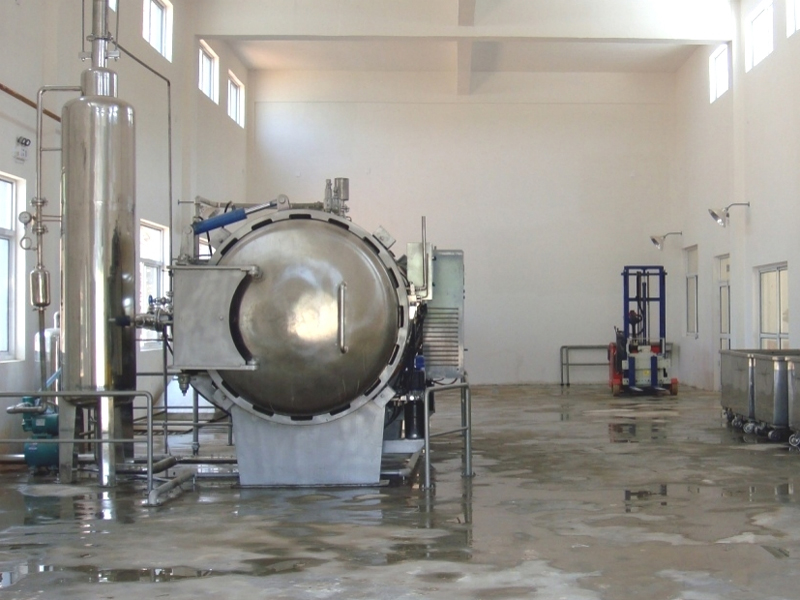
In environmental sectors, the processing of toxic or biological waste requires robust thermal sterilization. Our high-temperature steam treatment systems, laboratory animal carcass hydrolysis devices, and biological wastewater sterilizers ensure complete pathogen eradication under verified heat profiles. By combining advanced steam circulation and heat integration, we lower operating costs for municipal, research, and healthcare institutions worldwide.
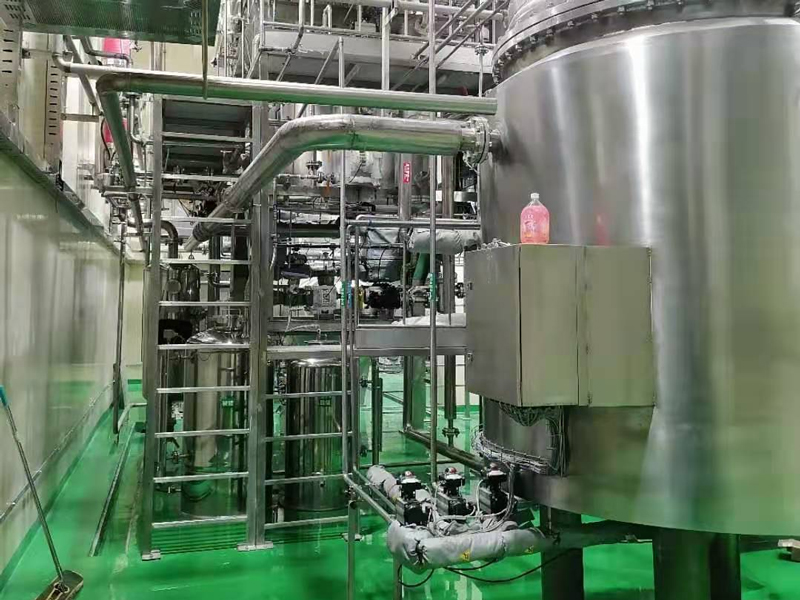
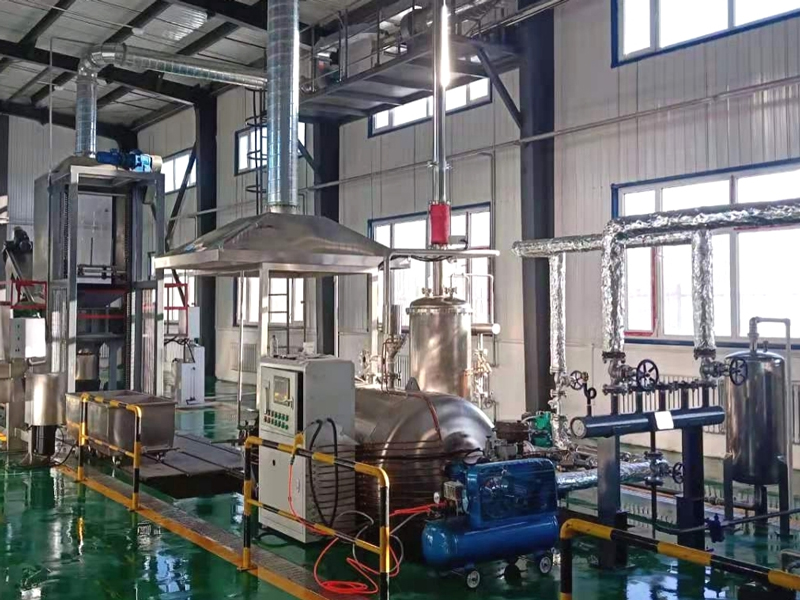
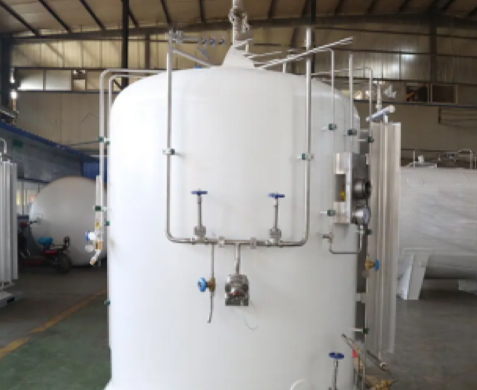
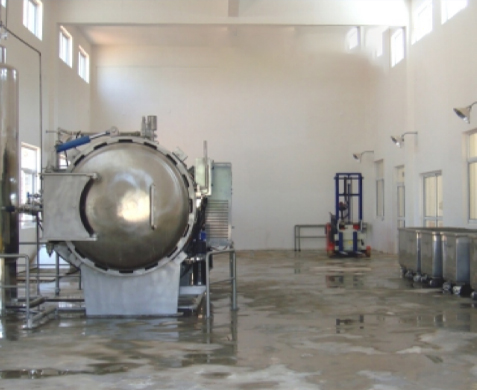
Our engineering vision targets three key pillars of thermal equipment design:
Our quality management frameworks align with major international requirements. With ISO 9001:2015 quality certifications, Sinopec HSSE, and China Petroleum Health, Safety and Environment Management System certifications, our thermal components comply with rigorous global engineering and safety standards.
Our facility supports the fabrication and engineering of several main technological systems:
 Hongke Qingneng