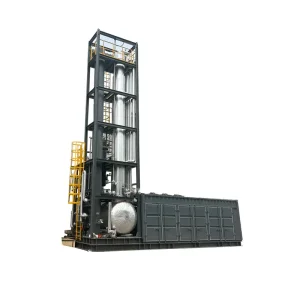
High-performance processing technology designed for heavy industrial applications, clean energy processing, and emission mitigation systems.
An authoritative analysis of hot air generation, heat recovery systems, and green environmental equipment integration.
In modern processing plants, the generation and transmission of thermal energy are critical to system efficiency. A Hot air stove (often termed a hot stove) serves as the heart of drying, baking, and chemical cracking operations globally. These systems convert chemical energy from fuels—ranging from natural gas and liquefied petroleum gas to coalbed methane and biomass—into clean, high-temperature heat. Unlike direct-fired systems that introduce combustion byproducts directly into the processing stream, indirect-fired hot air stoves leverage advanced, high-temperature shell-and-tube heat exchangers to ensure the thermal medium remains pure and untainted.
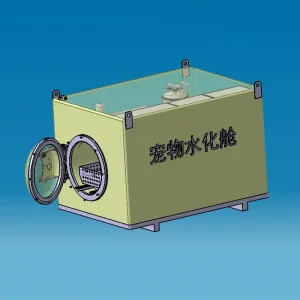
For operations demanding strict hygiene and zero contaminant tolerance—such as centralized medical waste steam treatment, pet harmless disposal, and chemical tail gas drying—precision engineering of the hot stove's combustion chamber is paramount. High-performance hot stoves require optimized aerodynamic configurations to guarantee uniform temperature distribution across heat exchange surfaces. This limits thermal stress, mitigates metallurgical fatigue, and extends the operational lifecycle of associated pressure vessels.
By integrating advanced waste heat recovery modules, our hot stoves achieve thermal efficiencies exceeding 90%. Recuperative designs harness exhaust energy to preheat intake combustion air, lowering fuel consumption and minimizing carbon footprints in energy-intensive operations.
Utilizing high-grade austenitic stainless steel and nickel-based superalloys for the combustion furnace core. This maintains structural integrity under extreme heat configurations up to 1200°C without scaling or oxidation.
Engineered strictly in compliance with national and international safety regulations. Every custom hot air stove and auxiliary pressure vessel undergoes extensive non-destructive testing (NDT), hydrostatic stress testing, and thermal imaging checks.
Hebei Hongke Qingneng Environmental Protection Equipment Co., Ltd.
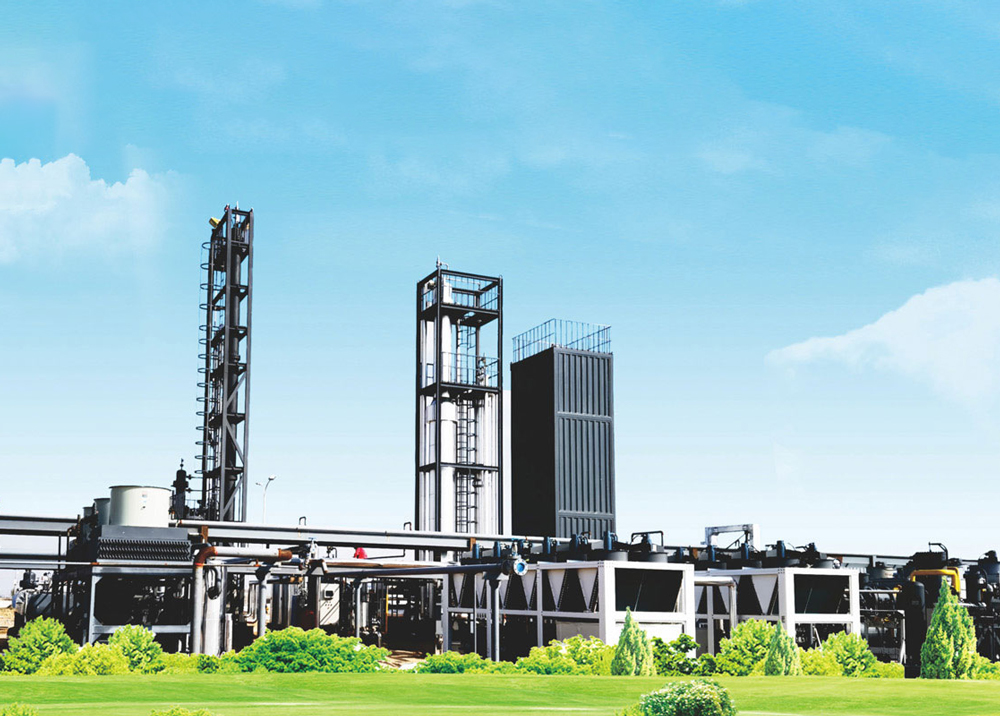
Established in June 2021 with a substantial registered capital of 78 million yuan, Hebei Hongke Qingneng Environmental Protection Equipment Co., Ltd. has rapidly positioned itself as a vanguard in the research, development, and high-precision manufacturing of energy conservation and environmental protection machinery. Operating from the state-recognized industrial base within the Sanhe Economic Development Zone, Langfang City, the company commands a strategically crucial geographical location that facilitates rapid integration with northern China's industrial networks.
We specialize in designing and producing heavy industrial equipment, including: A2-level non-standard pressure vessels, centralized and mobile medical waste high-temperature steam treatment systems, animal tissue hydrolysis processing machinery, biological wastewater and live toxic sewage disinfection units, and skid-mounted purification/liquefaction systems for natural gas, coalbed methane, and shale gas. Our technological umbrella also encompasses advanced VOC emission abatement systems, chemical tail gas treatment units, industrial refrigeration machinery, and helium extraction solutions from BOG tail gas.
Our scientific research is powered by seasoned experts hailing from Tsinghua University and the Institute of Physics and Chemistry Technology of the Chinese Academy of Sciences (CAS), ensuring industry-leading thermodynamic design and process efficiency.
We possess the prestigious A2-level pressure vessel manufacturing license, pressure piping component manufacturing license, GB/T19001-2016 quality system certification, and both Sinopec HSSE & CNPC Health, Safety, and Environment management certifications.
Official recognition as a Langfang Municipal R&D Platform. The company holds multiple independent intellectual property patents, positioning us at the absolute frontier of environmental hardware technology.
Elite scientists and senior engineers driving thermodynamics and environmental hardware innovation.
Doctorate holder from the Institute of Physics and Chemistry Technology, Chinese Academy of Sciences (CAS). Dr. Sun has directed and overseen prestigious initiatives under the National 863 Program, national aerospace projects, and major projects funded by the Natural Science Foundation. His accolades include the First Prize of Science and Technology of the China Coal Industry (2013), the Special Prize of Technological Invention of the Chinese Society of Refrigeration (2015), and the First Prize of the Beijing Science and Technology Award (2016). He has personally spearheaded over 20 proprietary R&D patents, supervising the deployment of over 50 skid-mounted liquefaction facilities.
Senior Engineer from the Institute of Physics and Chemistry Technology, CAS. With years of operational management experience, Zou has headed multi-million yuan projects for the "12th Five-Year Plan" national science initiatives and space-defense applications. Author of 24 scholarly publications (11 indexed in SCI/EI) and co-inventor of 5 national patents. His work was awarded the Special Award of the Chinese Refrigeration Society Technological Invention (2015) and the Silver Medal of the 19th China International Industry Expo (2017).
Doctor of Engineering graduate from the Institute of Physics and Chemistry Technology, CAS. Dr. Cheng is a leading expert in phase change heat transfer characteristics and flow properties of multi-component working fluids. Recipient of the Special Prize of the Science and Technology Award of the Chinese Refrigeration Society (2015). Over the past decade, he has directed the processes and design configurations for diverse industrial heat exchangers and gas recovery plants across the country.
Engineered thermal systems adapting to varied regional climates, environmental norms, and process demands.
Across dry regions, large-scale mining operations and chemical processors rely on our indirect-fired hot air stoves to dry ore concentrates and polymer resins. By separating the combustion exhaust from the drying air stream, the material maintains premium purity, eliminating soot deposit risks.
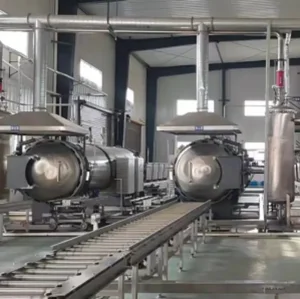
Deployed in municipal centers, our high-temperature steam treatment systems process hazardous hospital waste and animal residues. Integrated hot stoves generate secondary dry heat to fully sterilize organic materials, minimizing pathogen spread risks.
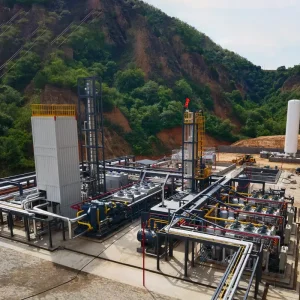
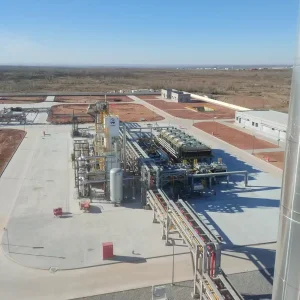
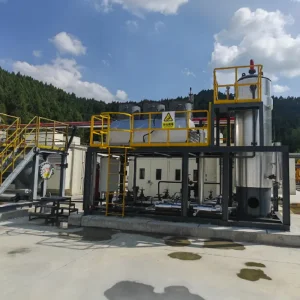
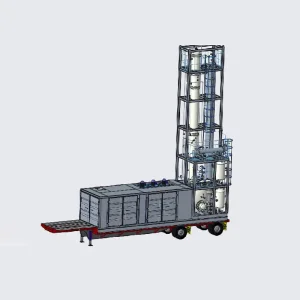
In remote natural gas extraction areas (such as Shale Gas and Coalbed Methane zones), hot air stoves supply vital regeneration heat to molecular sieve dehydration beds. Our skid-mounted setups allow rapid deployment in harsh climates.
Optimized component sourcing and high-efficiency manufacturing systems.
Operating from the Beijing-Tianjin-Hebei industrial corridor in Langfang, Hebei, Hongke Qingneng leverages a deeply integrated industrial supply network. This proximity to major domestic raw steel producers, high-performance alloy suppliers, and high-precision valve manufacturers allows us to source premium materials with minimal lead times.
Our manufacturing floor is optimized for fast-turnaround assembly of non-standard pressure vessels and skid-mounted systems. Through cellular manufacturing configurations and automated plasma welding, we minimize operational bottlenecks, delivering complex industrial equipment up to 30% faster than regional competitors while ensuring strict structural tolerances.
Pioneering clean thermal energy and smart carbon reduction pathways.
Optimization of multi-fuel burner heads capable of burning varying mixtures of natural gas, shale gas, and coalbed methane. Expanding thermal recuperation channels to push system efficiencies past 92%.
Developing hot air stove combustion systems engineered for green hydrogen integration. Reducing NOx emissions to under 30mg/Nm³ through state-of-the-art flue gas recirculation (FGR).
Integrating smart sensors and cloud connectivity into our skid-mounted equipment. Real-time predictive diagnostics enable automated adjustments of fuel-to-air ratios, ensuring optimal combustion across variable operating conditions.
Decarbonization, efficiency gains, and modular skid integration drive global markets.
The global industrial heating sector is shifting away from heavy fossil fuel systems toward clean combustion technologies. Rapid urbanization and stringent carbon frameworks require operations in North America, Europe, and the APAC region to replace outdated direct-fired equipment with low-emission alternatives. Highly efficient hot stoves, coupled with secondary heat recovery, are now standard in sectors like petrochemical processing, municipal waste sterilization, and natural gas refining.
Moreover, the demand for fast site deployment has led to the adoption of skid-mounted, factory-preassembled components. Modular solutions reduce on-site civil works, bypass complex local engineering roadblocks, and guarantee optimal factory calibration. This modular transition is visible across gas-treatment plants and medical waste autoclaving networks globally.
Ensuring global operations remain compliant, safe, and efficient.
All pressure vessels and hot air stoves are built to meet international and local guidelines (ASME, GB, and CE). High-pressure piping assemblies undergo radiographic testing (RT) and ultrasonic inspection (UT) to verify weld integrity.
Our systems meet major oil and gas safety regulations, including Sinopec HSSE and CNPC HSE management guidelines, ensuring safe performance in volatile environments.
We offer complete lifecycle support, covering on-site installation, commissioning, and system tuning. Remote diagnostic access permits our engineers to troubleshoot and optimize performance from Langfang.
Technical responses for procurement directors and lead engineering teams.
High-purity waste treatment, dehydration, and energy recovery systems engineered for reliability.
 Hongke Qingneng