Explore our leading engineering technologies, designed and optimized by experts from Tsinghua University and the Chinese Academy of Sciences.
A comprehensive analysis of technological evolution, supply chain paradigms, and the transition toward green energy structures.
In the modern industrial landscape, pressure and compression vessels are the foundational infrastructure for processing, storing, and transporting gases and fluids under extreme conditions. From cryogenic liquefied natural gas (LNG) units to high-pressure hydrogen storage cylinders, the mechanical integrity and thermal dynamics of these vessels directly dictate plant safety, process efficiency, and environmental footprint. Globally, industrial demands are shifting toward higher operating pressures, severe temperature ranges, and highly corrosive operating environments.
As decarbonization pressures accelerate worldwide, compression vessels are playing pivotal roles in carbon capture, utilization, and storage (CCUS) projects, bio-methane upgrading, and helium extraction systems (such as BOG tail gas treatment). Consequently, designing these units requires advanced thermodynamic modeling, finite element analysis (FEA), and strict compliance with global codes such as ASME Section VIII Division 1 & 2, European PED, and China's GB150 standards.
China has transitioned from a high-volume manufacturing base to a world-leading hub of advanced heavy-industrial engineering. The Chinese supply chain for pressure vessels leverages deep integration of metallurgical raw material extraction, automated robotic welding technologies (such as Submerged Arc Welding and Plasma Welding), and rigorous non-destructive testing (NDT) infrastructure.
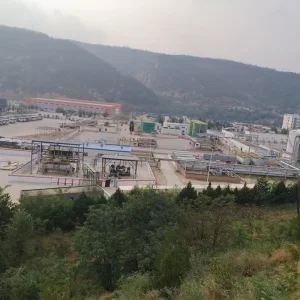
Located in the Sanhe Economic Development Zone, Langfang City—right at the heart of the Beijing-Tianjin-Hebei industrial corridor—our facility leverages direct access to top-tier steel producers, rapid logistics channels, and a massive pool of technical talent. This proximity allows us to compress production cycles by 30% compared to Western competitors while guaranteeing strict adherence to international quality standards (GB/T19001-2016 / ISO9001). The result is a substantial cost-to-performance optimization that benefits international buyers who seek elite engineering without astronomical capital expenditure.
Hebei Hongke Qingneng Environmental Protection Equipment Co., Ltd.
Established in June 2021 with a registered capital of 78 million yuan, Hebei Hongke Qingneng Environmental Protection Equipment Co., Ltd. is a vanguard in the energy conservation and environmental protection industry. Our advanced manufacturing and R&D facility is situated in the industrial base of Sanhe Economic Development Zone, Langfang City.
We specialize in the design, engineering, and manufacturing of non-standard pressure vessels, medical waste high-temperature steam treatment equipment, laboratory animal tissue treatment equipment, biological wastewater decontamination plants, and skid-mounted processing units. Our solutions span gas purification and liquefaction (CBM, shale gas, natural gas), VOC treatment, industrial tail gas abatement, ultra-low temperature industrial refrigeration (-40℃ to -180℃), and helium extraction from BOG tail gas.
Adhering to our core philosophy of "Innovation-Driven Development, Service-Led Upgrade", we provide end-to-end EPC services, enabling global industrial operators to transition to cleaner, more efficient operational paradigms.
Led by Doctorates and Senior Engineers from the Chinese Academy of Sciences and Tsinghua University, translating cutting-edge cryogenics and thermodynamics research into heavy industrial applications.
Obtained his Doctor's degree from the Institute of Physics and Chemistry Technology, Chinese Academy of Sciences (CAS). As a National Senior Engineer, he has presided over the National 863 Program, natural science foundation projects, and critical aerospace/military initiatives. Awarded the Special Prize of Technological Invention of the Chinese Society of Refrigeration (2015) and the Beijing Science and Technology Award (2016), he holds over 20 independent intellectual property patents deployed in major domestic gas infrastructure.
A Senior Engineer at the Institute of Physics and Chemistry Technology, CAS. He has managed business operations and market-facing initiatives for over a decade. Zou Xin has spearheaded research for major national science and technology projects during the "12th Five-Year Plan". He has authored 24 academic papers (11 indexed in SCI/EI) and holds 5 invention patents. He won the Silver Medal at the 19th China International Industry Expo in 2017.
Doctor of Engineering from the Institute of Physics and Chemistry Technology, CAS. Recipient of the 2015 Special Prize of Science and Technology Award of the Chinese Refrigeration Society. A specialist in the phase change heat transfer characteristics and flow dynamics of mixed working mediums, he bridges basic thermal research with practical skid assembly applications, having successfully designed and executed dozens of global liquefaction plants.
Our capabilities are divided into four main pillars, each certified under strict quality management and petroleum health and safety frameworks.
 Environmental Protection & Bio-Safety Equipment
 Natural Gas & CBM Processing Systems
 Non-Standard Pressure Vessels & Heat Exchangers
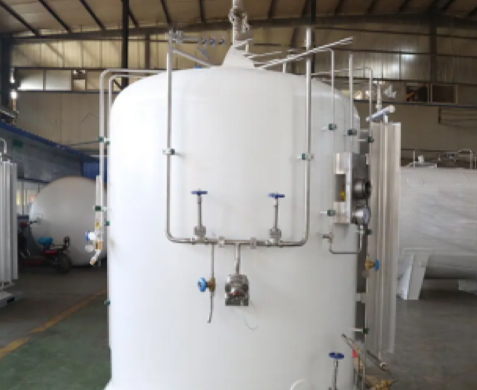
 Industrial Ultra-Low Temperature Cryogenics
Demonstrating our technological integrity through field-proven installations deployed across environmental, municipal, and energy industries.
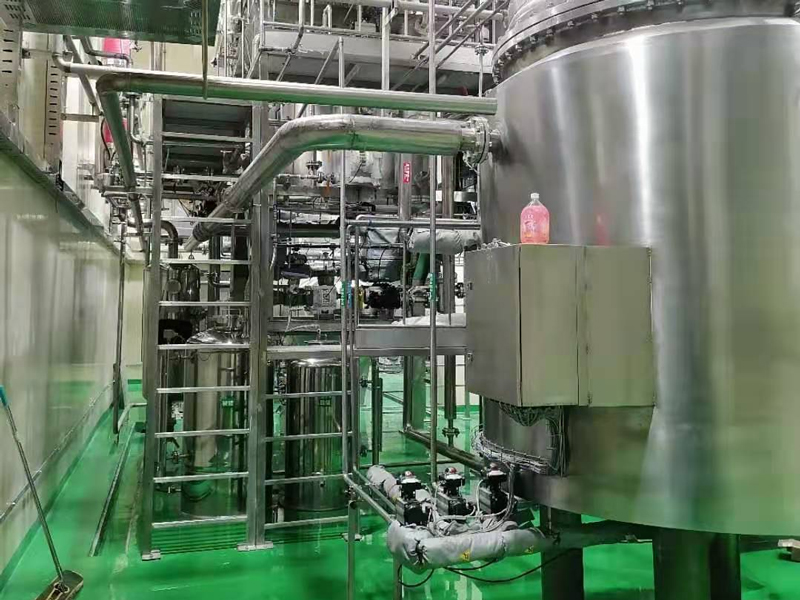
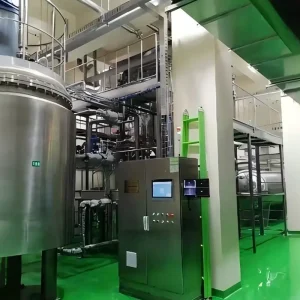
High-temperature thermal hydrolysis plant designed for university research laboratories, providing complete pathogen neutralization.
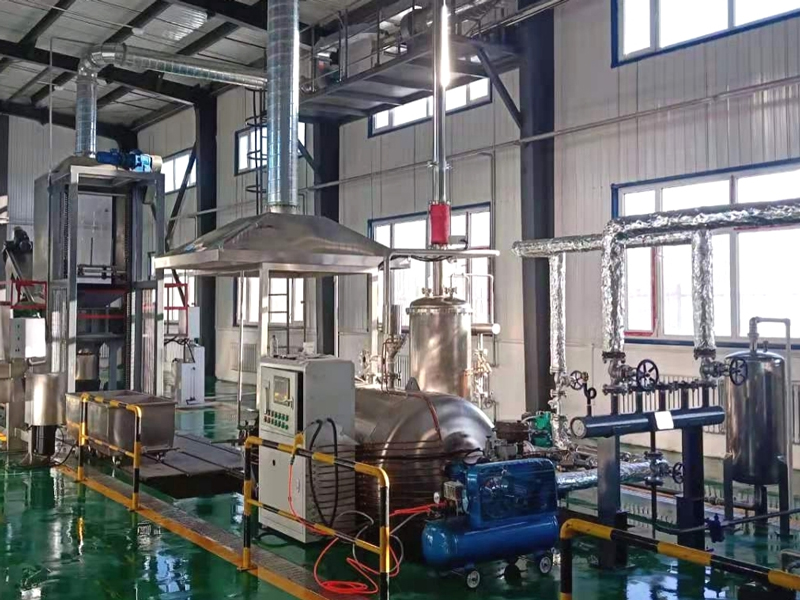
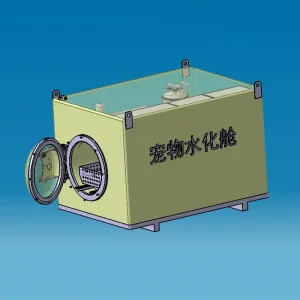
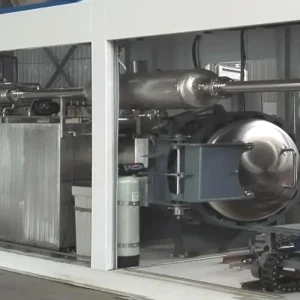
Rapidly deployable, vehicle-mounted medical autoclave system optimized for disaster areas and decentralized healthcare systems.
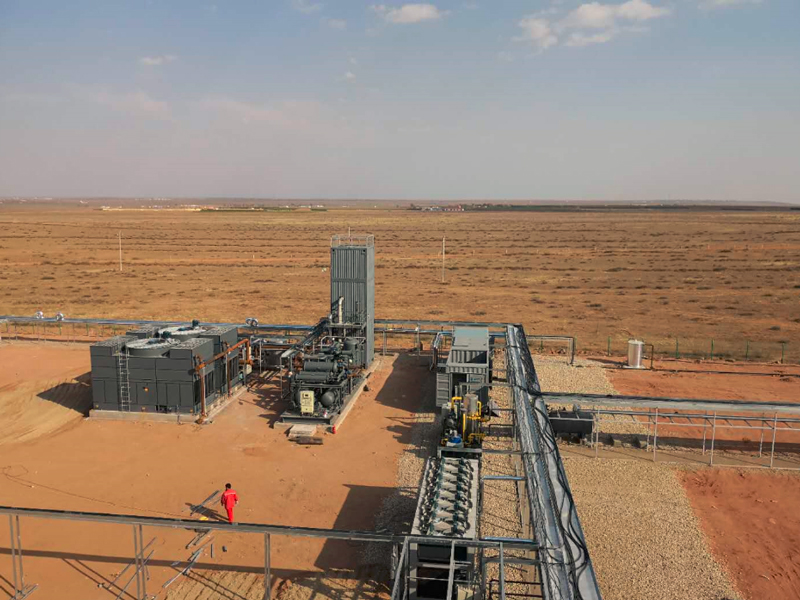
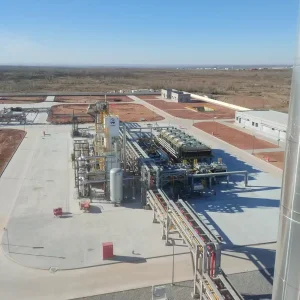
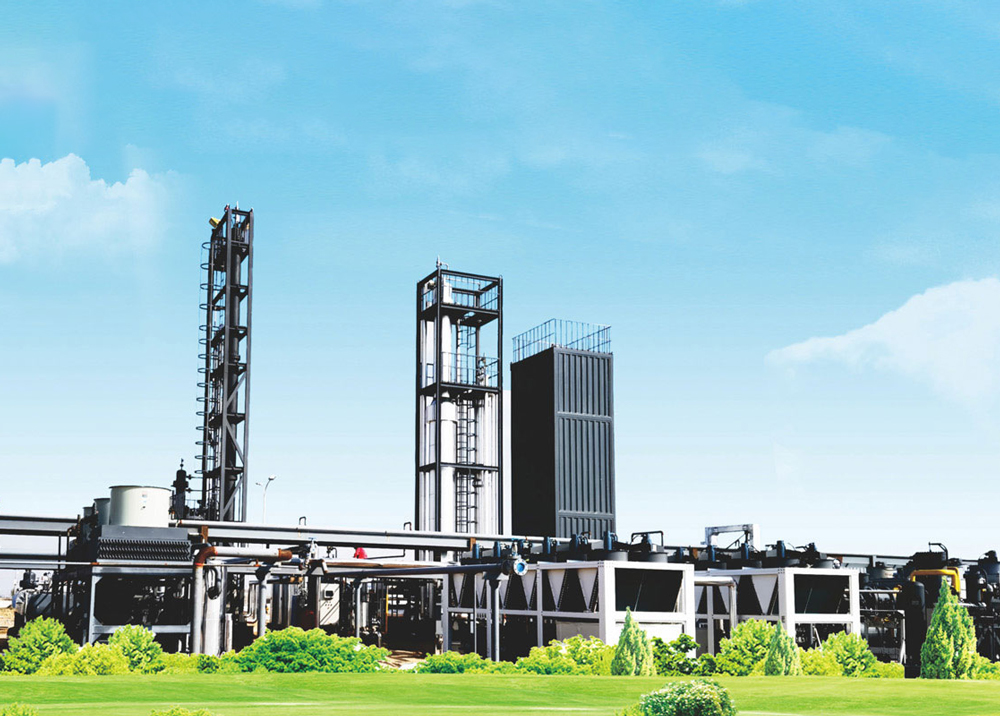
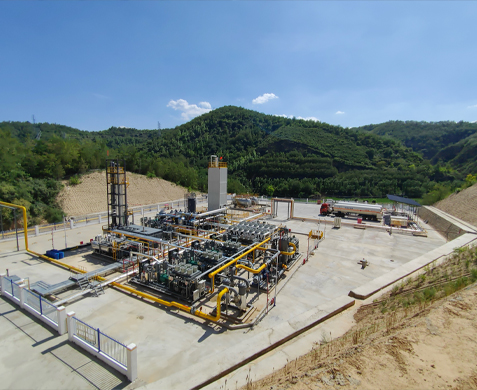
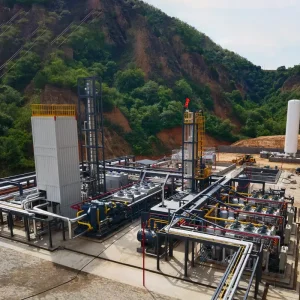
Modular LNG plant utilizing a high-efficiency mixed refrigerant cycle (MRC) to monetize scattered wellhead gas resources.
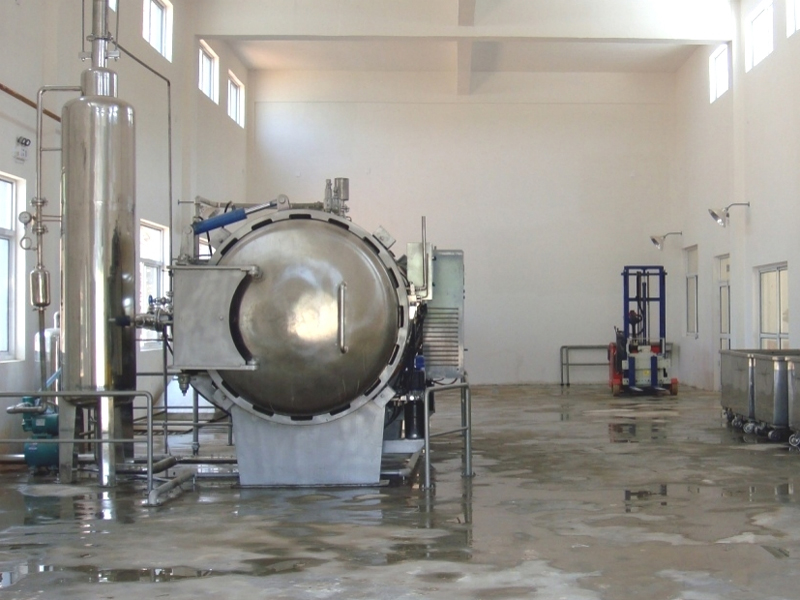
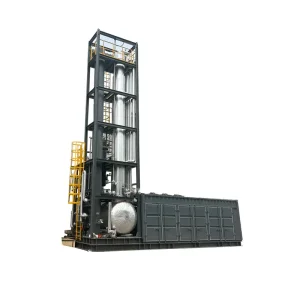
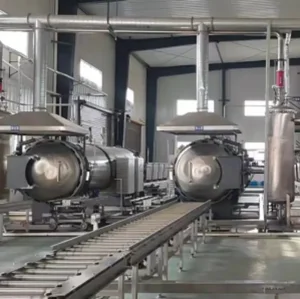
Large-scale municipal waste facility processing up to 30 tons daily using automated pressure sterilization vessels.
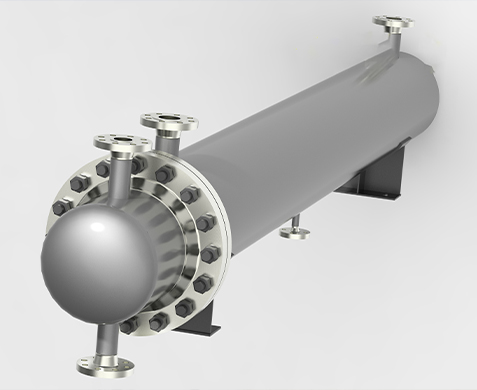
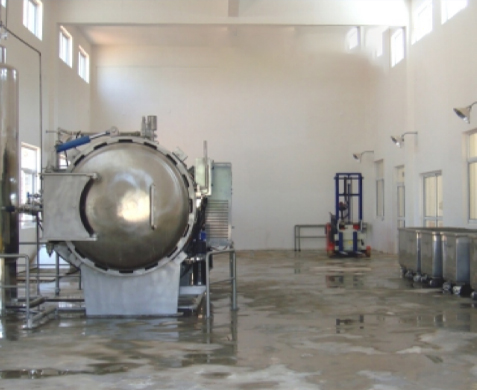
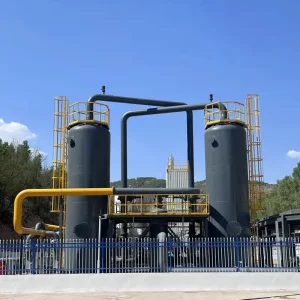
High-temperature steam treatment and alkaline hydrolysis vessels are specialized sub-sectors of the pressure vessel industry. Designed to treat bio-hazardous medical waste and biological research residues, these reactors must operate at parameters that assure pathogen destruction (log-6 reduction of Geobacillus stearothermophilus spores). This requires maintaining a minimum temperature of 134°C under high saturated steam pressures for set periods, while coping with strong alkaline chemical environments in the case of tissue hydrolysis.
Our engineering team, pulling from CAS academic backgrounds, solves these material challenges by utilizing specialized duplex stainless steels (such as 2205 or 2507) and designing precise mechanical agitation shafts that operate under pressure. By integrating computational fluid dynamics (CFD) modeling, we eliminate cold pockets within the vessel core, assuring uniform heat distributions and total biological decontamination.
Traditional, field-assembled gas liquefaction and desulphurisation plants are being phased out in favor of skid-mounted assemblies. A skid-mounted plant is built, piped, wired, and fully tested in our controlled factory environment before dispatch. However, the engineering complexity is concentrated in a highly confined steel footprint.
Our proprietary mixed working medium refrigeration process utilizes a single compressor loop to drive a multi-stream plate-fin cryogenic heat exchanger. The design of these systems requires precise knowledge of multi-component phase change heat transfer coefficients. Dr. Cheng Kuwei's award-winning research on mixed refrigerant heat transfer allows us to design high-efficiency heat exchangers that prevent thermal bottlenecks and optimize thermodynamic cycle efficiency, lowering specific power consumption per ton of LNG produced.
Technical answers to the most common inquiries from international procurement engineers and project managers.
Explore our complete product lineup, manufactured to international codes in Langfang City, China.
Our academic-led engineering team is ready to analyze your technical requirements. Fill out the details below to receive a comprehensive proposal.
 Hongke Qingneng