High-performance processing, purification, and recovery setups engineered for severe industrial conditions.
Modern industrial processing demands high-efficiency modular filtration systems. Globally, the reliance on high-purity natural gas, shale gas recovery, and cryogenic processing has surged. Simultaneously, stringent environmental mandates call for zero-emission volatile organic compound (VOC) systems, biological waste containment, and localized heavy chemical tail gas scrubbing. The modern factory is no longer just a site of production, but a controlled environmental loop requiring advanced separation technology.
Whether extracting helium from Boil-Off Gas (BOG), sweetening natural gas, or treating hazardous medical wastes, today's engineers seek skid-mounted, pre-engineered solutions that minimize on-site civil works, ensure absolute gas purity, and comply with pressure vessel codes worldwide. This shift represents a transition from loose components to highly integrated process systems.
The global filtration and purification industry is pivoting around three fundamental parameters:
We approach complex manufacturing challenges from a perspective of fundamental thermodynamic and cryophysical science. Rooted in research methodologies from Tsinghua University and the Institute of Physics and Chemistry Technology of the Chinese Academy of Sciences (CAS), our engineering department does not simply design; we simulate, refine, and optimize phase change heat transfer processes, gas dynamics, and biological sterilization cycles.
This integration of top-tier academic expertise ensures that every pressure vessel, shell-and-tube heat exchanger, and skid-mounted purification train is modeled dynamically prior to fabrication, guaranteeing performance at extreme operational levels.
Located in the heart of the Sanhe Economic Development Zone, Langfang City, Hebei Hongke Qingneng Environmental Protection Equipment Co., Ltd. leverages a highly efficient industrial supply chain. Our logistics, component sourcing, and raw metal processing facilities are interconnected to keep manufacturing lead times short and quality standards high.
By coupling localized metallurgy supply lines with our integrated engineering, assembly, and testing warehouse, we achieve production efficiencies that lower project capital expenditure (CAPEX) for global operators, while maintaining mechanical compliance with international design codes.
Delivering modular process systems categorized under three core industrial pillars.

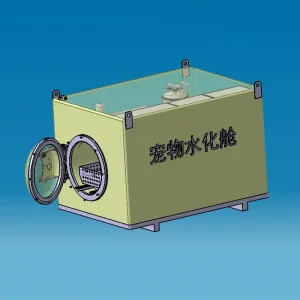
High-efficiency hydrothermal treatment technologies designed for clinical, laboratory, and biological isolation contexts. Our units include centralized medical waste steam autoclaves, mobile containerized treatment units, and animal tissue hydrolysis chambers, ensuring safe decontamination, organic mass reduction, and zero biohazard leakage.

End-to-end processing skids for natural gas sweetening, deacidification (amine units), deep dehydration (molecular sieve beds), heavy hydrocarbon removal, and mixed refrigerant liquefaction (MR/LNG plants). Optimizing resources from stranded wellheads, shale assets, and coalbed methane seams.

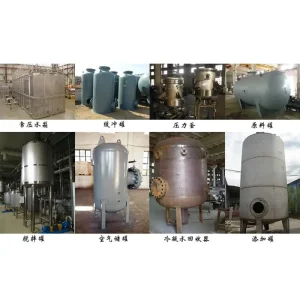
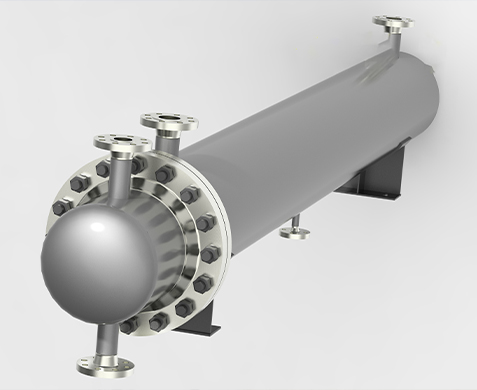
Engineered pressure vessels compliant with regional licensing (A2 standards). Our capability covers heavy-duty shell-and-tube exchangers, chemical process reactors, separators, molecular sieve columns, and ultra-low temperature vacuum cold traps down to -135 °C.
Our technical advisory and corporate leadership are driven by industry-recognized researchers.
Ph.D. from the Institute of Physics and Chemistry Technology, Chinese Academy of Sciences (CAS). Senior Engineer who has directed major National 863 projects, aerospace systems, and scientific programs. Awarded the Special Prize of Technological Invention by the Chinese Society of Refrigeration and the Beijing Science and Technology Award.
Ph.D. Candidate & Senior Engineer at CAS. Author of 24 international and domestic research publications (including 11 SCI/EI papers) and inventor of 5 patents. Recipient of the Beijing Science and Technology Award and Silver Medal at the 19th China International Industry Fair.
Doctor of Engineering from CAS. Recognized for developing specifying standards for skid-mounted natural gas liquefaction systems. A specialist in multiphase heat transfer, cryogenic refrigerant mixtures, and thermodynamic system optimization.
Every process gas stream contains unwanted components: water vapor, acidic compounds (H2S, CO2), heavy oils, and particulates. Our high-performance filtration systems are designed to process these contaminants systematically, preventing damage to downstream machinery and ensuring compliance with environmental standards.
In medical and bio-laboratory facilities, wastewater and solid organic wastes require complete biological inactivation. Our high-temperature steam sterilization systems use high-pressure thermal kinetics to destroy pathogens, offering a reliable, chemical-free alternative to traditional incineration.
| Sector | Process Need | Solution |
|---|---|---|
| Wellhead Gas Recovery | H2S / H2O Removal | Skid Amine & Molecular Sieve |
| Bio-Research Labs | Hazardous Carcasses | Thermal Hydrolysis Reactors |
| LNG Plants | Cryogenic Chillers | MR Skid Units (-180°C) |
| Refineries | VOC Fugitive Vapors | Condensation & Recovery units |
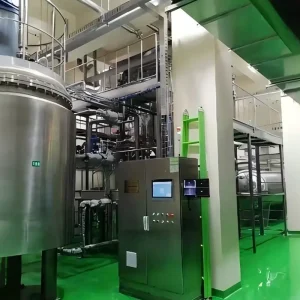
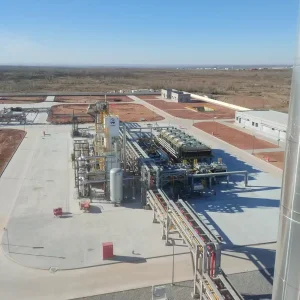
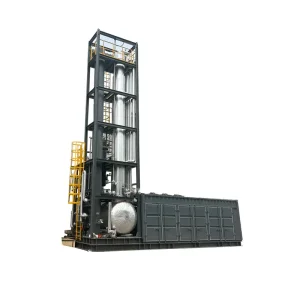
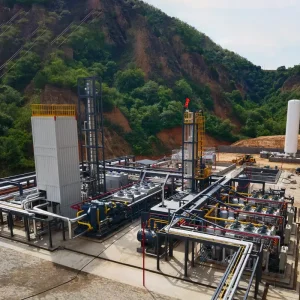
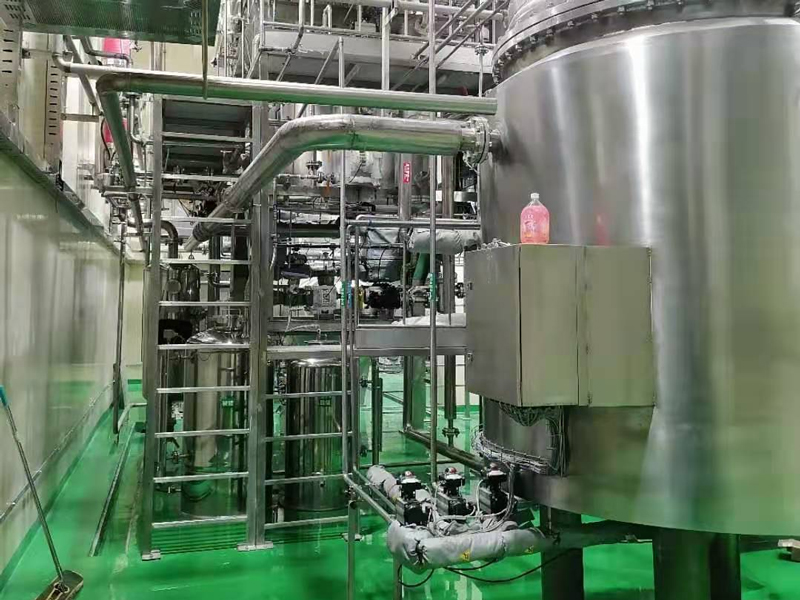
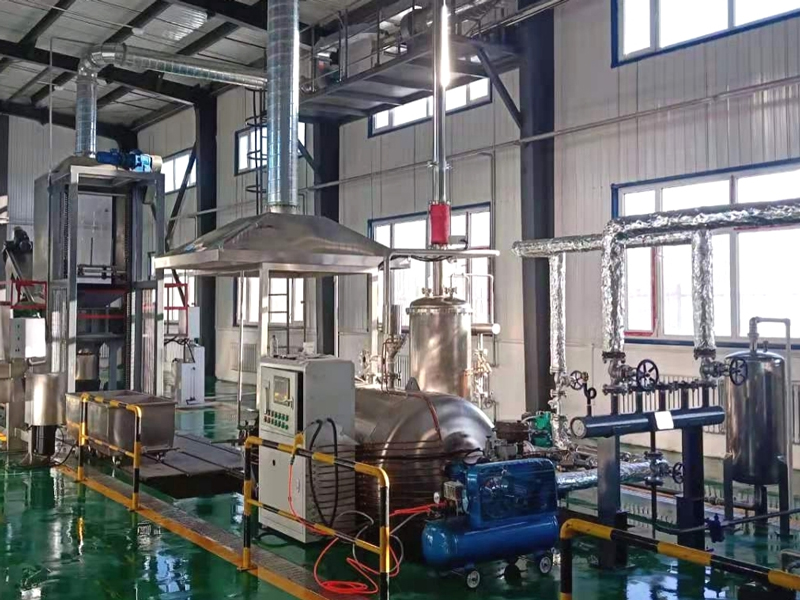
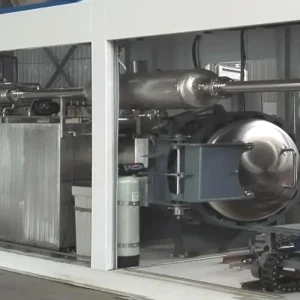
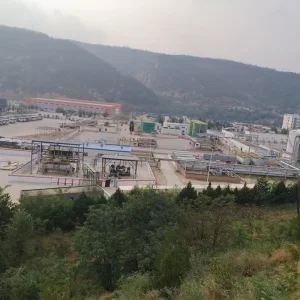
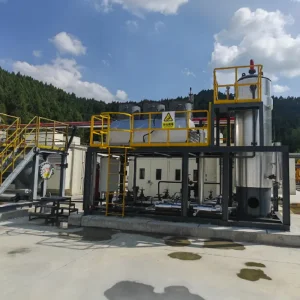
Operational skid installations, biological containment systems, and custom process systems globally deployed.
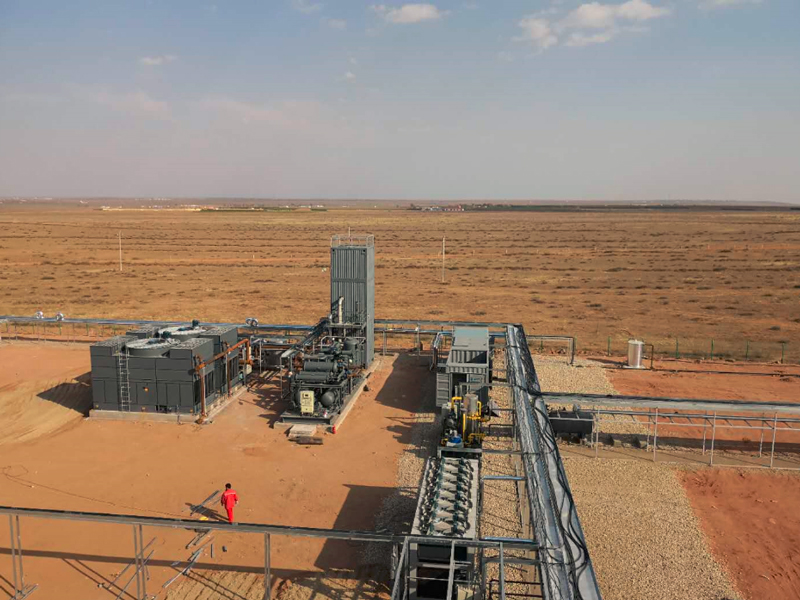
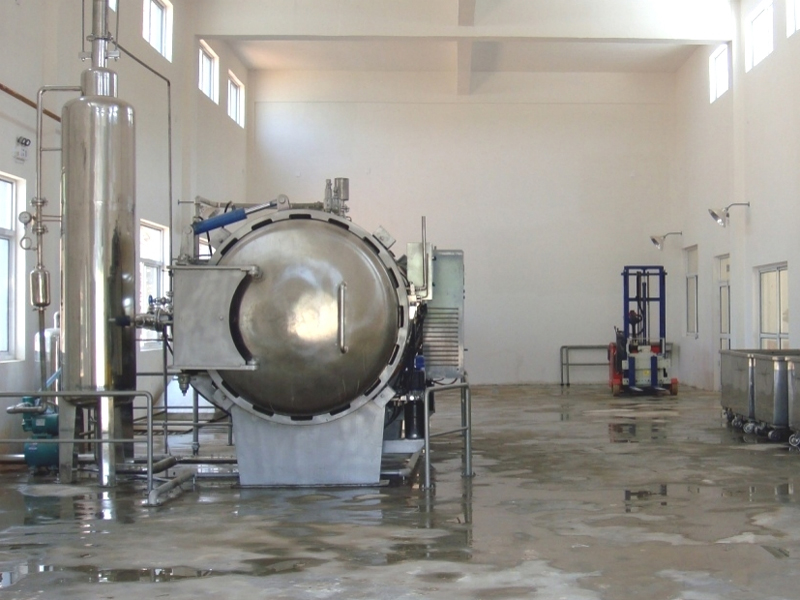
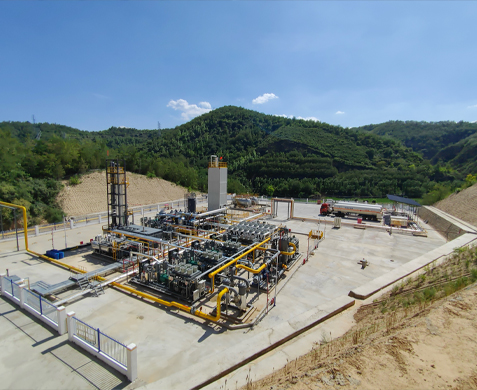
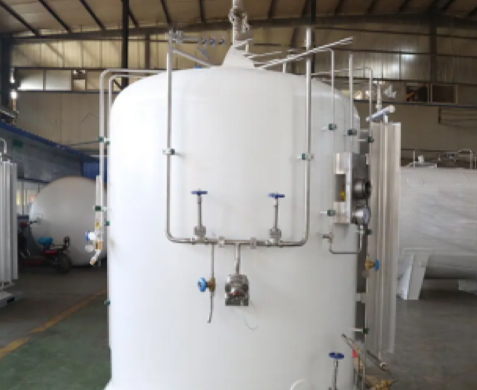
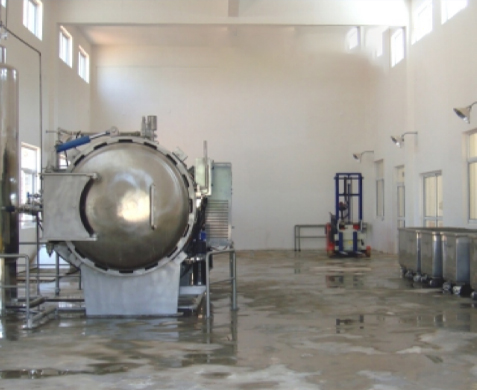
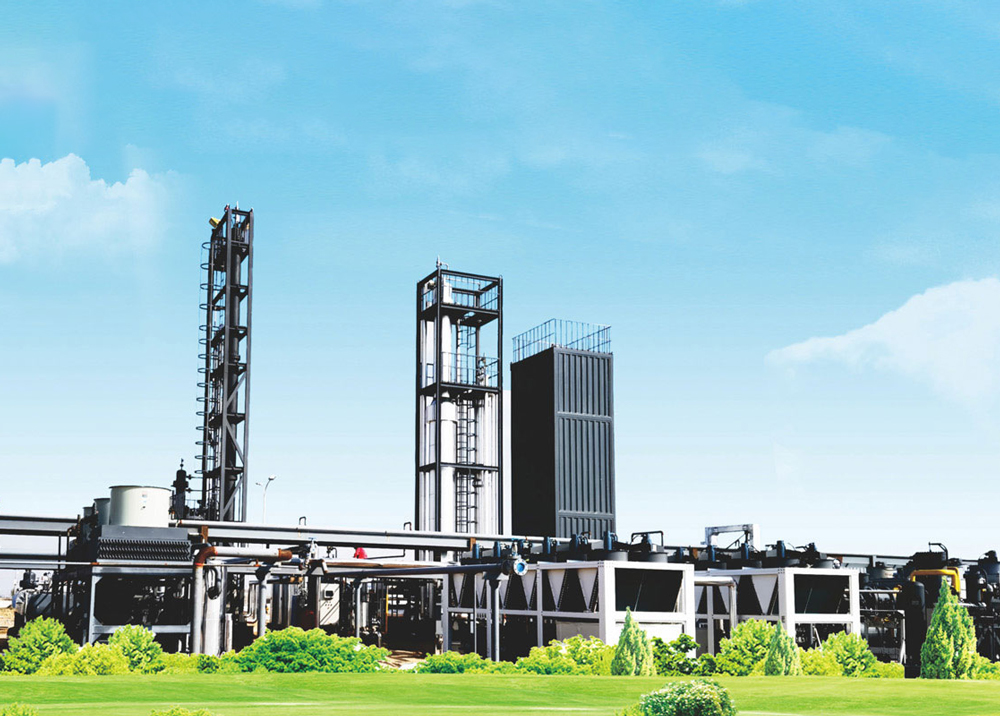
For engineering departments, project developers, and procurement leads, selecting process equipment is a complex process. Our systems are engineered to streamline integration and validation across key operational phases:
To keep pace with evolving clean energy and environmental requirements, our design teams focus on three primary technical targets:
1. Boil-Off Gas (BOG) Helium Extraction: Developing cryogenic separation systems to extract high-value helium from LNG boil-off gas streams, turning trace waste into a usable resource.
2. Decarbonization and Electrification: Transitioning gas sweetening systems to clean electric heating, minimizing carbon footprints in extraction and refining processes.
3. Advanced Automation: Integrating smart instrumentation and PLCs to monitor flows, temperatures, and pressures, supporting automated safety shutdowns and remote operation.
Technical clarifications regarding pressure vessel codes, cryogenic performance, and environmental compliance.
Explore our technical systems designed for chemical, environmental, and cryogenic installations.
 Hongke Qingneng