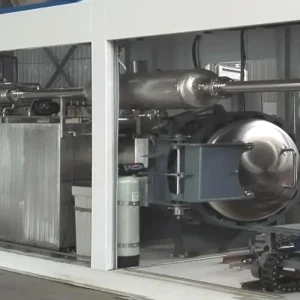
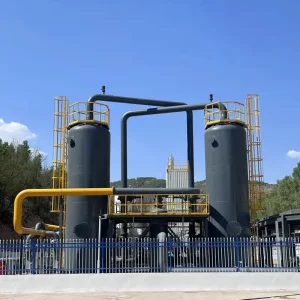
Examine our certified systems engineered for rigorous industrial demands and environmental compliance.
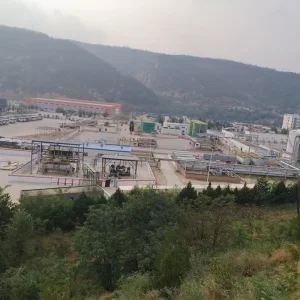
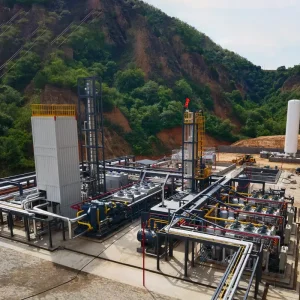
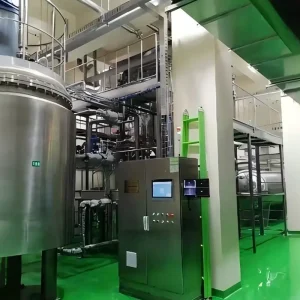
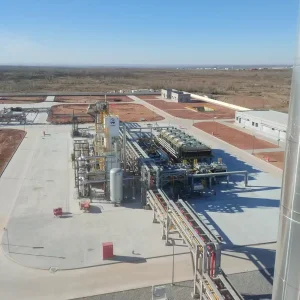
In the global oil and gas processing industries, chemical refining, and environmental mitigation sectors, the removal of liquid droplets from gas streams is vital to ensure downstream equipment reliability, safeguard operational longevity, and guarantee environmental compliance. Knockout Towers (also structurally recognized as knockout drums, liquid separator vessels, or scrubber towers) represent the first line of defense against liquid carryover.
At its core, a knockout tower operates on the physical principles of gravity settling, centrifugal force, and impingement. When a multi-phase gas stream enters the spacious interior of the knockout vessel, the gas velocity drops significantly. This deceleration allows droplets larger than the critical separation threshold to settle out of the gas flow by gravity.
For finer aerosols and droplets (typically below 10–20 microns), highly engineered internal components—such as mesh demisters, vane pack separators, or multi-cyclone bundles—are integrated. These internals force the gas flow through tortuous pathways, forcing small droplets to collide, coalesce into larger drops, and subsequently drop down into the liquid collection sump.
As a leading factory of engineered separation systems, Hebei Hongke Qingneng Environmental Protection Equipment Co., Ltd. utilizes state-of-the-art computational fluid dynamics (CFD) and thermal-hydraulic software to design knockout towers that optimize separation efficiency while keeping pressure drop to a minimum.
The international landscape for industrial processing is shifting rapidly toward carbon neutrality, stricter emission policies, and optimized capital expenditure (CAPEX). These variables dictate how modern industrial projects select their partners and procure modular equipment.
Global plants require adherence to international standards like ASME Section VIII Div. 1, CE-PED, and localized quality marks. Ensuring pressure vessel integrity is paramount to prevent catastrophic failures in explosive environments.
Modern project execution favors skid-mounted packages over field fabrication. Factory-assembled, pre-piped, and pre-wired configurations lower onsite labor costs, reduce project timelines, and ensure superior quality control under clean shop conditions.
Unplanned shutdowns cost gas and chemical plants millions of dollars daily. Procuring separation systems with anti-fouling designs, smart level indicators, and self-cleaning configurations minimizes maintenance downtime.
Established in June 2021 inside the Sanhe Economic Development Zone, Hebei Hongke Qingneng Environmental Protection Equipment Co., Ltd. has established itself as an industry leader in engineering excellence, regulatory compliance, and customized manufacturing.
Unlike typical equipment fabricators, our company bridges advanced academic research and industrial-scale manufacturing. We utilize high-level talent sourced directly from Tsinghua University and the Institute of Physics and Chemistry Technology of the Chinese Academy of Sciences (CAS).
This elite scientific panel is led by recognized industry leaders:
PhD from the Institute of Physics and Chemistry Technology, CAS. National Senior Engineer who has led the National 863 Program, National Natural Science Foundation projects, and aerospace initiatives. Recipient of the Special Prize of Technological Invention of the Chinese Society of Refrigeration.
PhD Candidate and Senior Engineer at the Institute of Physics and Chemistry Technology, CAS. Author of 24 international peer-reviewed papers and inventor behind numerous industrial gas processing patents.
Doctor of Engineering from CAS. Specialist in phase change heat transfer, multi-component fluid thermodynamics, and modular mixed refrigerant liquefaction processes.
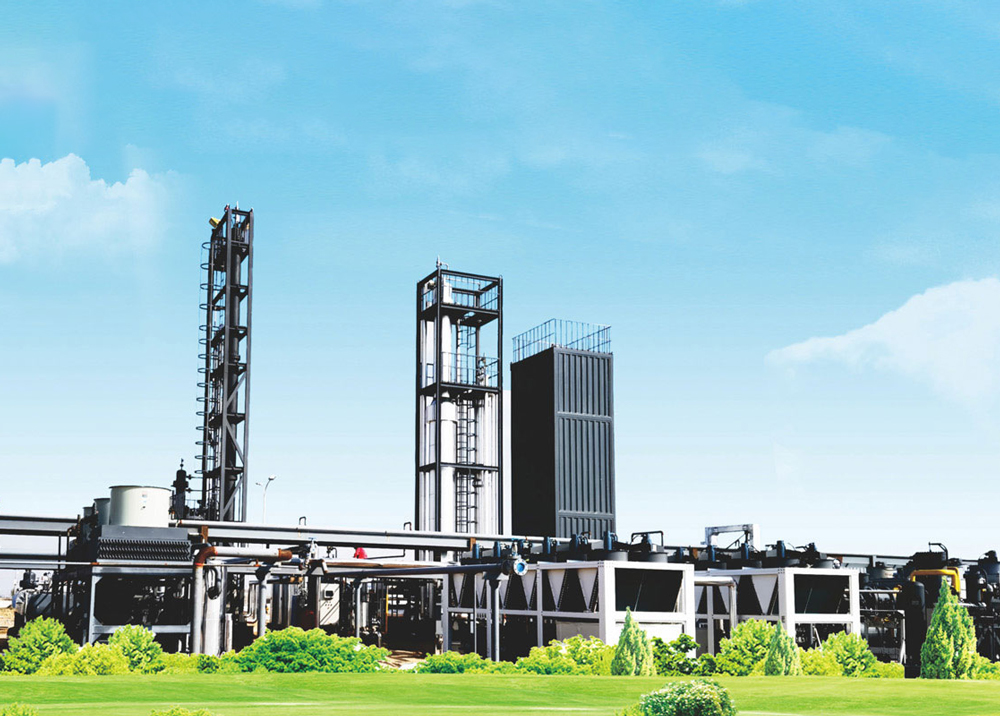
Our commitment to safety and engineering quality is verified by third-party international bodies and state administrations:
Knockout towers rarely operate in isolation. They serve as primary components within integrated processing loops. Hongke Qingneng specializes in engineering complete processing loops that interface seamlessly.
In LNG and pipeline gas production, knockout towers remove heavy hydrocarbons, free water, and pipeline compressor oil before acid gas removal (deacidification) and molecular sieve dehydration. Protecting downstream process steps prevents catalyst poisoning and freezing in cryogenic heat exchangers.
For refineries and chemical sites, VOC emissions pose a significant challenge. Our vapor recovery units (VRUs) utilize knockout towers to handle condensed solvents and product liquids, returning clean gas to fuel networks or multi-stage adsorption packages.
Integrating refrigeration technologies developed by the Chinese Academy of Sciences (CAS), we construct sub-zero cooling setups, vacuum cold traps, and helium extraction systems. Highly reliable knockout separator designs protect these systems from liquid slugging.
A preview of specialized environmental protection and gas processing projects executed by Hongke Qingneng.
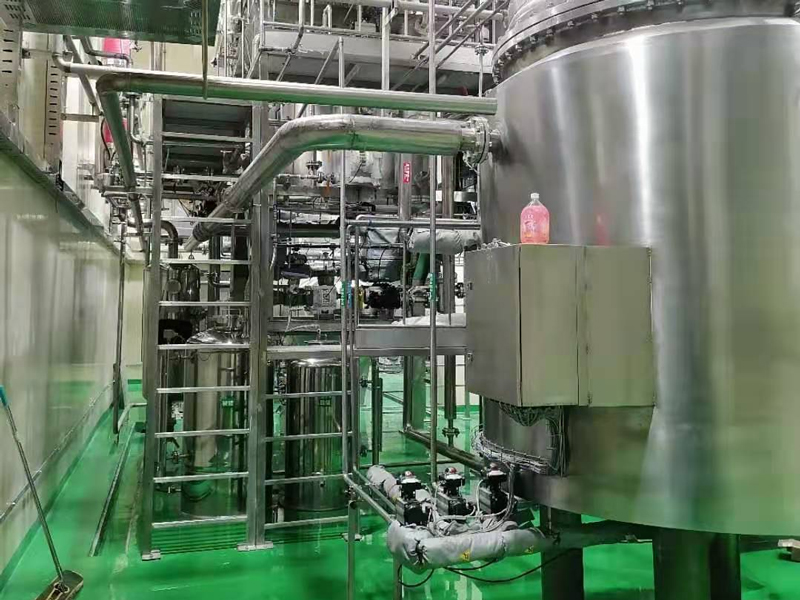
High-temperature hydrolysis system engineered for bio-security and clean disposal in research labs.
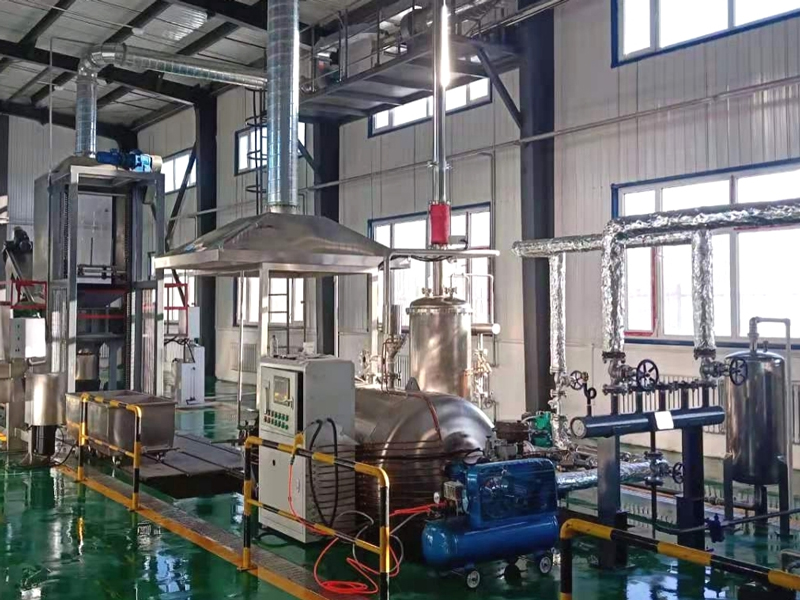
On-the-go sterilization and processing units designed for rapid deployment and regional bio-safety.
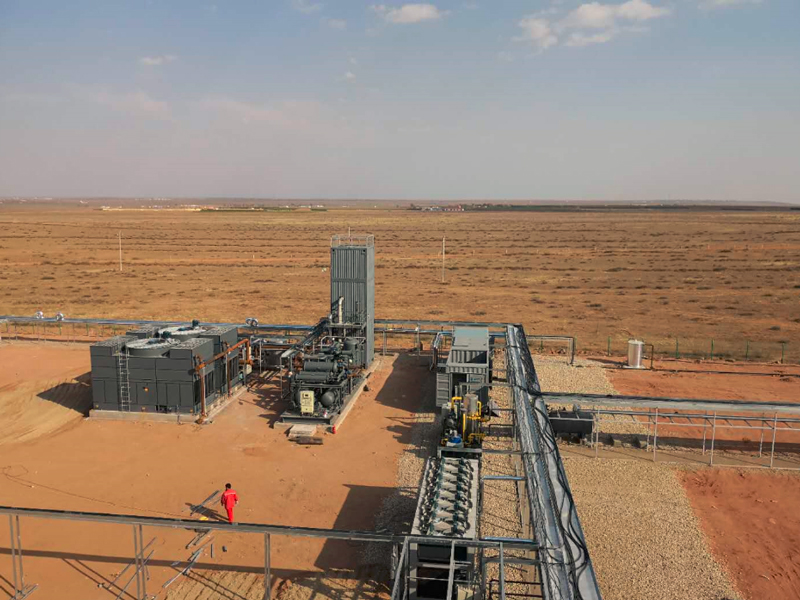
Skid-mounted systems for processing localized associated gas, transforming waste emissions into fuel resources.
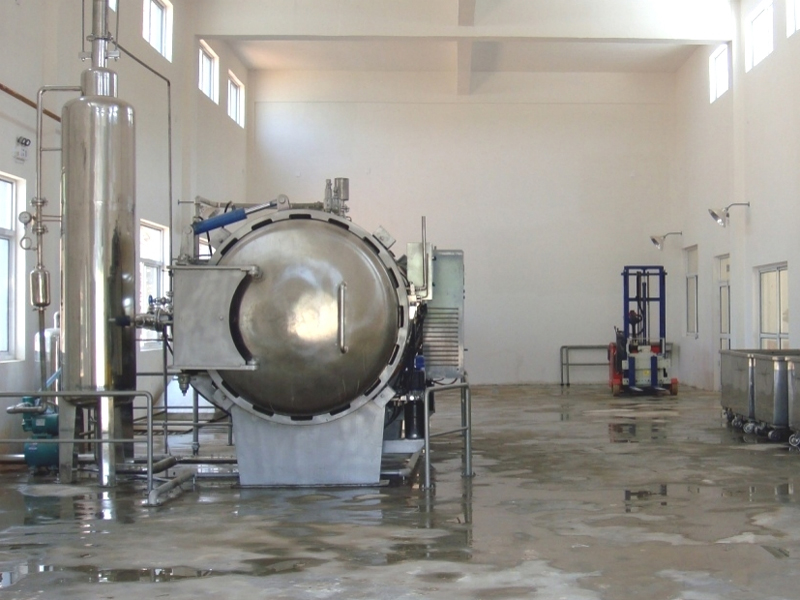
Large-scale industrial autoclaves providing high-pressure steam processing for medical waste streams.
As oil and gas, petrochemical, and environmental sectors shift focus toward digitalization and energy transition, separation technology must evolve. Future processing setups demand higher efficiencies, broader operating envelopes, and remote, automated monitoring systems.
Our current R&D roadmap focuses on:
Our separation, purification, and gas treatment solutions are key contributors to emission reductions. By reducing energy consumption in cryogenic cooling and capturing industrial gas components before venting, our systems help global operators meet carbon targets and improve resource recovery.
Answers to key engineering, sizing, and procurement questions from industrial operators.
We determine gas velocities using the classic Souders-Brown equation (v_max = K * sqrt((rho_liquid - rho_vapor) / rho_vapor)). The K-factor is customized based on operating pressure, gas properties, and chosen separator internals, such as horizontal flow configurations, vertical drums, or demister pads.
We construct pressure vessels in compliance with local regulations and international standards. Our manufacturing credentials include the Chinese national pressure vessel manufacturing license (Class A2). We are equipped to manufacture vessels matching ASME Section VIII Division 1 guidelines for high-pressure operations.
Yes, our engineering team selects specialized alloys (such as SS316L, 2205 Duplex, or corrosion-resistant claddings) to withstand corrosive feed gas containing H2S, CO2, and wet chlorides. We utilize internals that resist fouling to prevent clogging from waxes, scale, or asphaltenes.
Delivery timelines vary based on system size and complexity, generally ranging from 12 to 24 weeks. We offer installation guidance, start-up commissioning services, and on-site support through our team of engineers and technicians.
Examine our broader range of gas recovery, desulphurisation, and environmental technology offerings.
 Hongke Qingneng