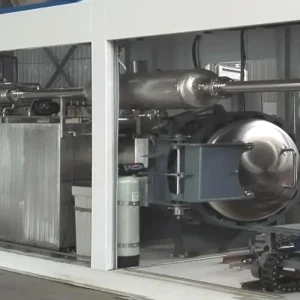
Select environmental protection and skid-mounted energy equipment directly engineered by our CAS research teams
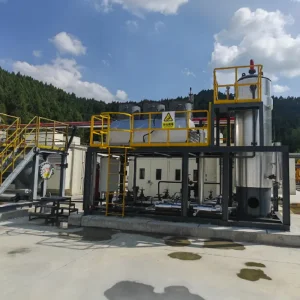
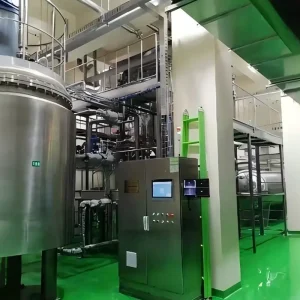
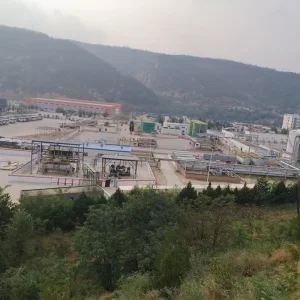
Established in June 2021 with a substantial registered capital of 78 million yuan, Hebei Hongke Qingneng is positioned as an elite innovator in industrial environmental engineering and pressure storage equipment. Operating out of our specialized manufacturing hub in the Sanhe Economic Development Zone, Langfang City, our capabilities span the entire spectrum of development. From custom A2-level pressure vessel fabrication, medical waste steam processing, and biosecurity disposal units, to skid-mounted systems for VOC treatment, industrial refrigeration, natural gas purification, and cryogenic BOG helium extraction—we combine cutting-edge science with heavy industry execution.
Registered Capital (CNY)
Pressure Vessel License
Independent IP Innovations
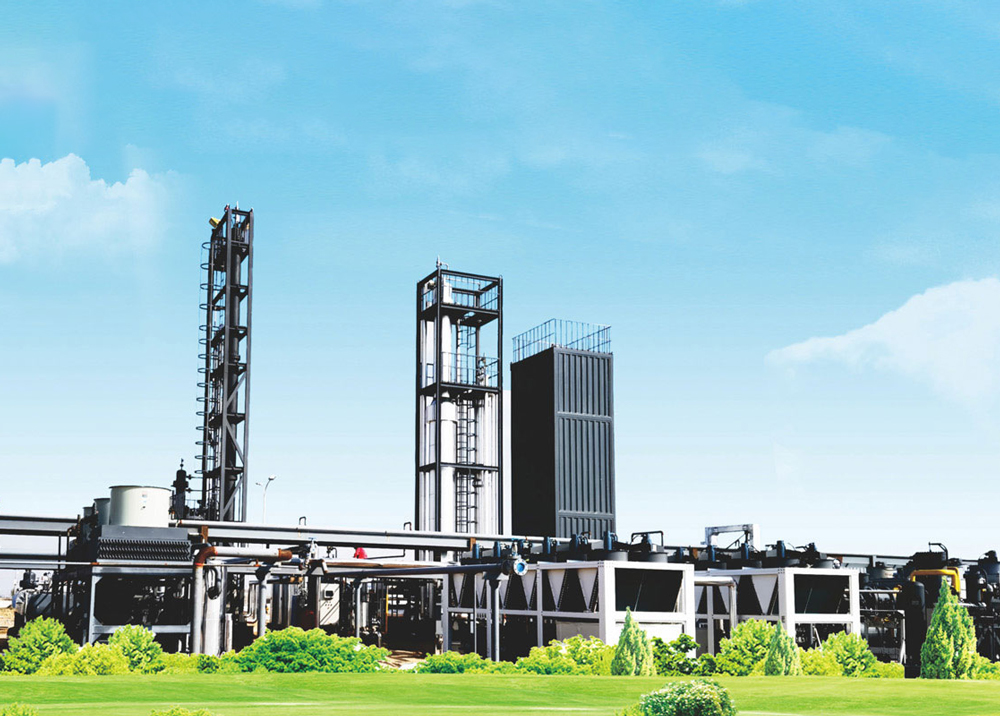
Analyzing thermodynamic mechanics, stress factors, and regulatory safety margins in LPG storage engineering.
Liquefied Petroleum Gas (LPG), consisting primarily of propane and butane mixes, demands exceptional structural integrity during storage and transport due to its vapor pressure characteristics. Globally, the acceleration of industrial clean energy transitions, chemical feedstock demand, and decentralized peak-shaving needs have elevated the standards for high-capacity storage equipment.
In modern storage engineering, safety profiles dictate the optimization of pressure vessels. Advanced stress-field analysis using Finite Element Method (FEM) software is now mandatory to calculate stress distribution near nozzle joins and saddle supports. The choice of materials remains paramount: our design engineers rely on high-grade carbon-manganese steel plates (such as Q345R or equivalent ASTM specifications) to ensure superior tensile strength and yield performance under low-temperature conditions down to -40°C.
Moreover, strict compliance with major global safety systems—such as ASME Section VIII Division 1 & 2, China's GB150 codes, and European PED standards—guarantees the minimization of risk profiles associated with cyclical thermal stress and chemical corrosion cracking in high-humidity zones.
How vertical supply chain integration, automated robotic welding, and location advantages yield unparalleled cost-to-performance metrics.
Located within the Sanhe Economic Development Zone, Langfang City, Hebei Hongke Qingneng leverages a dynamic industrial cluster. This proximity to premium domestic steel producers enables direct procurement of certified metallurgical plates with minimal transportation lag, greatly lowering volatile supply-chain overheads.
Our manufacturing plants deploy high-efficiency automated submerged arc welding (SAW) technologies alongside state-of-the-art non-destructive testing (NDT) rooms—featuring real-time digital radiographic imaging (DR) and ultrasonic testing (UT). This enables us to maintain an defect-free joint rating exceeding 99.8% on raw welds. By optimizing the production cycle with lean-manufacturing models, our plant ensures delivery lead times that are 30% shorter than competitors, without compromising on thermal heat treatment (PWHT) durations necessary to relieve structural stresses.
Founded on academic excellence from Tsinghua University and the Chinese Academy of Sciences (CAS).
Founder & Chairman
Doctorate from the Institute of Physics and Chemistry Technology, Chinese Academy of Sciences (CAS), and Senior National Engineer. Dr. Sun has led national research initiatives including the 863 Program, natural science foundation projects, and aerospace engineering missions. His honors include the First Prize of Science and Technology of China Coal Industry, and the Special Prize of Technological Invention of the Chinese Society of Refrigeration. He holds 20+ proprietary IP filings covering advanced gas processing configurations.
General Manager & Senior Engineer
Ph.D. candidate and Senior Engineer at the Institute of Physics and Chemistry Technology, CAS. Dr. Zou has managed complex project commissions for the "12th Five-Year Plan" national science special initiatives. He has published 24 peer-reviewed academic papers (11 indexed in SCI/EI) and holds 5 national invention patents. His work secured the Beijing Science and Technology Award First Prize and the Silver Medal of the 19th China International Industry Expo.
Chief Engineer
Doctor of Engineering from the Institute of Physics and Chemistry Technology, CAS. Dr. Cheng specializes in mixed working medium phase changes, gas liquefaction dynamics, and thermodynamic cycles. He was awarded the 2016 First Prize of Science and Technology Award of Beijing for his contributions to skid-mounted natural gas liquefaction technologies. He oversees process design across our non-standard pressure vessels and tail gas recovery systems.
Rigorous standards validated by international quality and safety regimes.
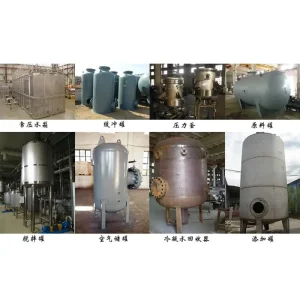
Authorized to design and manufacture medium-to-high pressure storage vessels, shell and tube heat exchangers, and chemical reactors without dimensional or volumetric limitations.
Conforms to stringent Health, Safety, Security, and Environmental guidelines required by Sinopec and China Petroleum networks, ensuring risk-free execution in hydrocarbon zones.
Integrated QA/QC processes ensure complete raw-material traceability, mechanical test validations, and strict tracking of welding logs from initial cut to hydrostatic testing.
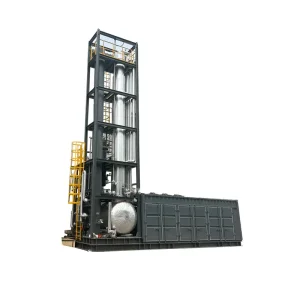
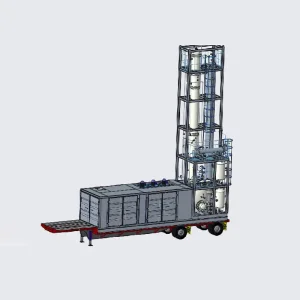
Specialized expertise in the manufacturing of small skid-mounted liquefaction equipment (LNG/LPG), enabling recovery of associated gas in scattered wells.
Proven performance across large-scale industrial and environmental projects in China and globally.
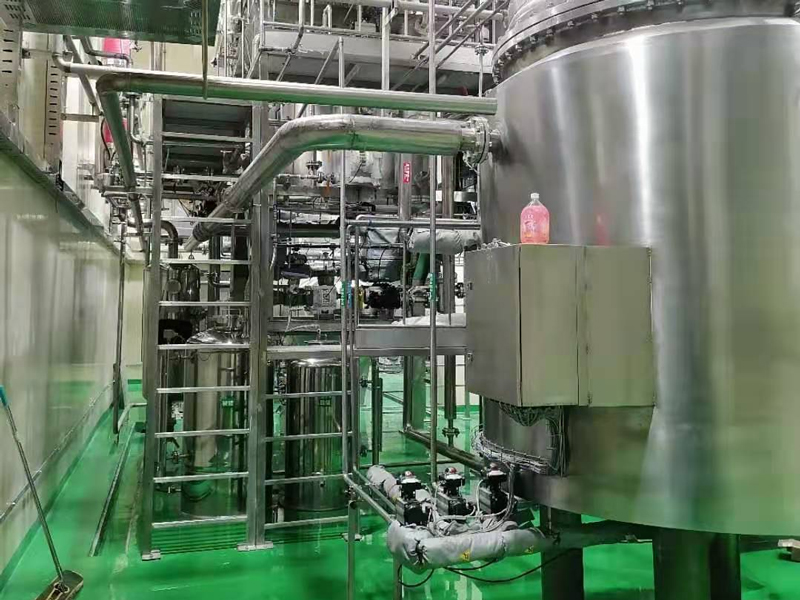
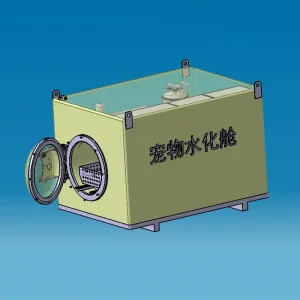
High-temperature biocatalytic hydrolysis setup engineered to meet biological laboratory biosafety containment levels.
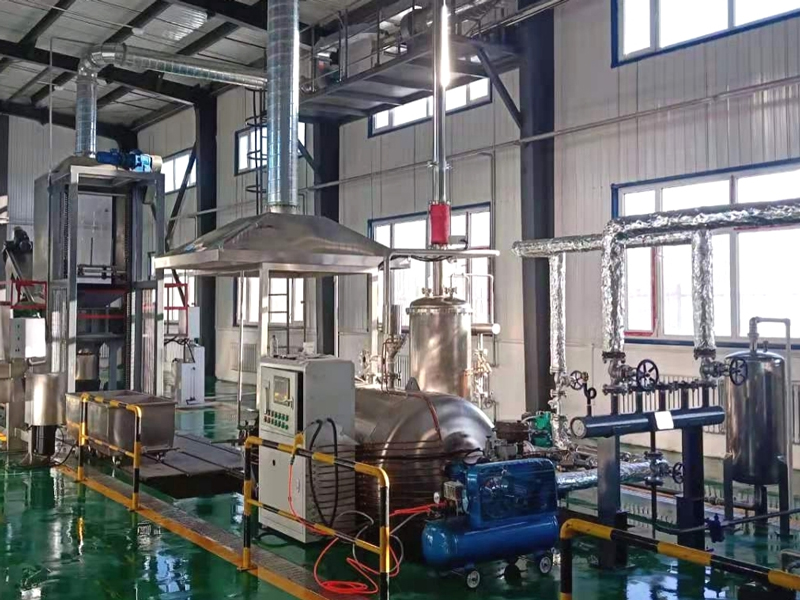
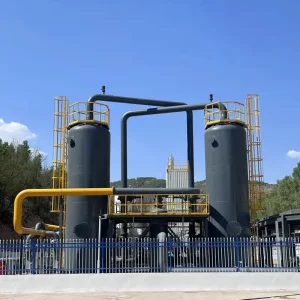
Modular steam disinfection skids optimized for emergency biohazard deployment and fast transport logistics.
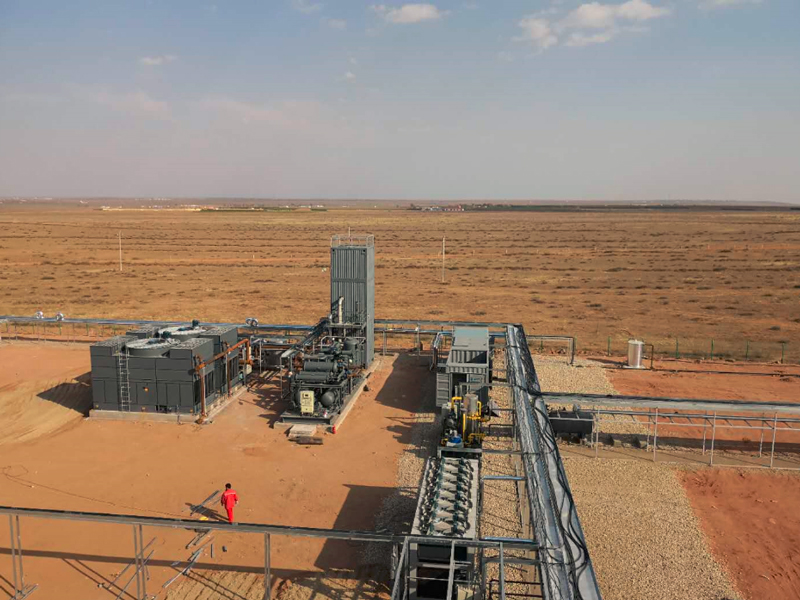
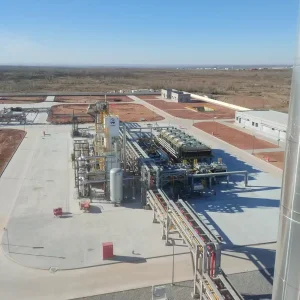
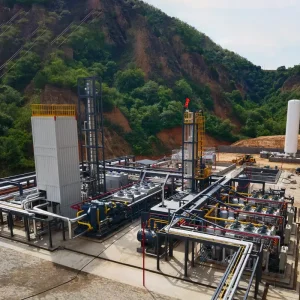
Skid-mounted associated gas liquefaction processing unit deployed in oilfields to recover scattered flare gas.
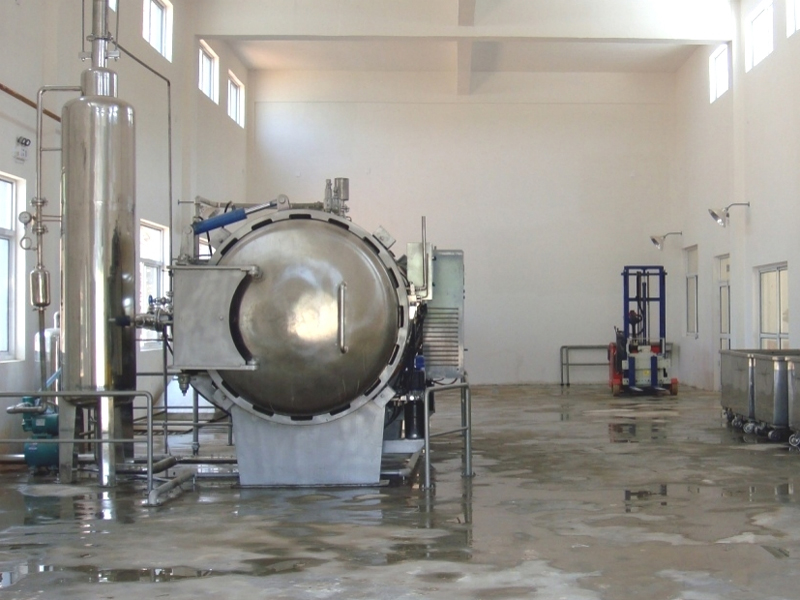
High-capacity automated processing system for regional biomedical hazardous waste treatment plants.
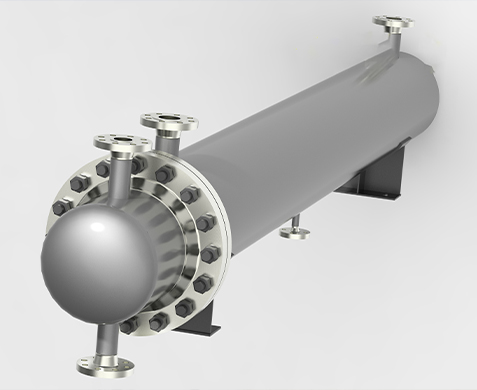
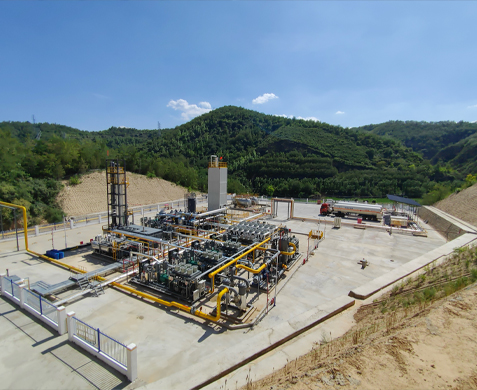
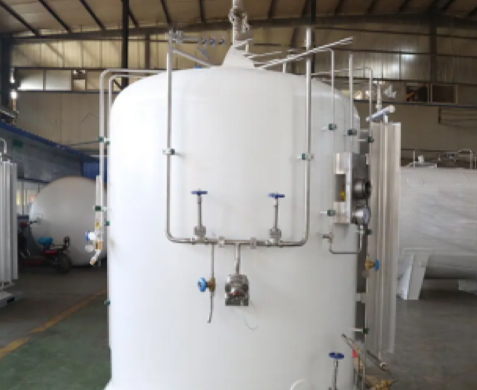
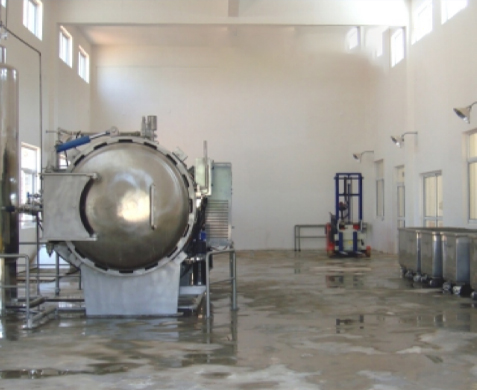
Pressure vessels manufactured by Hebei Hongke Qingneng serve diverse sectors:
As environmental mandates tighten, industrial emissions standards require advanced scrubbers and thermal treatment systems. The integrating of VOC abatement directly with LPG recovery loops allows chemical processing plants to achieve carbon-neutral balances. Our R&D efforts focus on lightweight high-pressure carbon composite designs and hydrogen-compatible inner linings to facilitate the hydrogen blending transition.
Essential engineering answers regarding manufacturing processes, testing procedures, and raw material selections.
Advanced engineering solutions tailored for global EPC procurement and environmental compliance
 Hongke Qingneng