Explore our premium range of industrial separation, waste treatment, and custom pressure vessels manufactured to strict global standards.
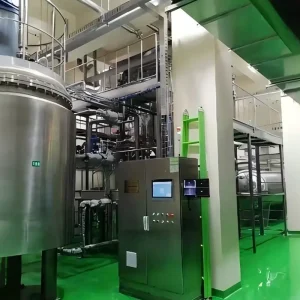
Designed for biosafety containment and clean tissue destruction.
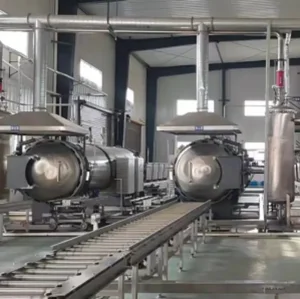
High-capacity automated autoclave lines for regional medical waste sterilization.
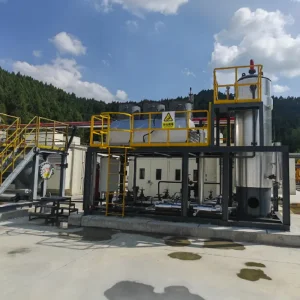
Improves plant carbon index and captures methane emissions effectively.
Robust engineering suited for field processing under variable pressure dynamics.
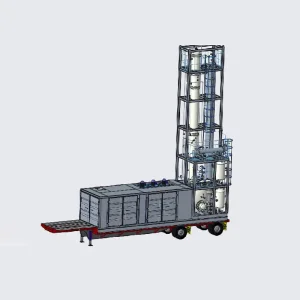
Skid-mounted and modular design for quick mobilization in isolated fields.
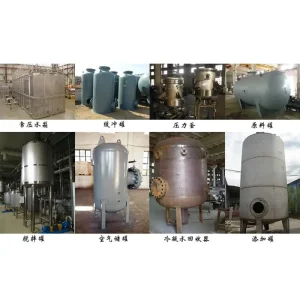
Manufactured strictly to A2 levels for high pressures and corrosive fluids.
Advanced heat exchangers and reactor vessels for heavy chemical processing.
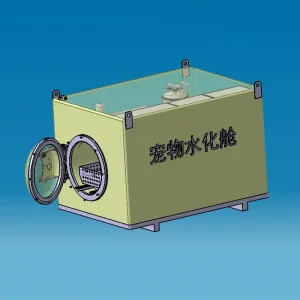
Alkaline hydrolysis chambers offering a sustainable alternative to traditional burial.
In the current industrial paradigm, the demand for high-efficiency **separation systems** is scaling rapidly, driven by strict ESG (Environmental, Social, and Governance) mandates and the global energy transition. Modern industrial buyers are moving away from piecemeal equipment sourcing, targeting instead unified, thermodynamic-optimized skid designs. Large-scale chemical factories, municipal healthcare networks, and petrochemical processing hubs require specialized systems that maintain containment integrity while maximizing raw resource recovery.
Key procurement priorities focus heavily on **localization, compliance, and thermal efficiency**. In regions such as the Americas, European Union, and Southeast Asia, operators require pressure equipment holding ASME Section VIII or CE/PED certifications. Consequently, working with certified A2-level manufacturers in China allows companies to combine cost-efficiency with high engineering standards, utilizing precision-welding capabilities and advanced metallurgy.
Furthermore, the surge in biological waste processing—such as centralized medical autoclaves and animal carcass high-temperature hydrolysis—points to a significant market shift toward complete sterilization validation, low energy consumption, and odorless emissions control.
Registered Capital
R&D Intellectual Patents
Skid-Mounted Systems Built
Pressure Vessel License
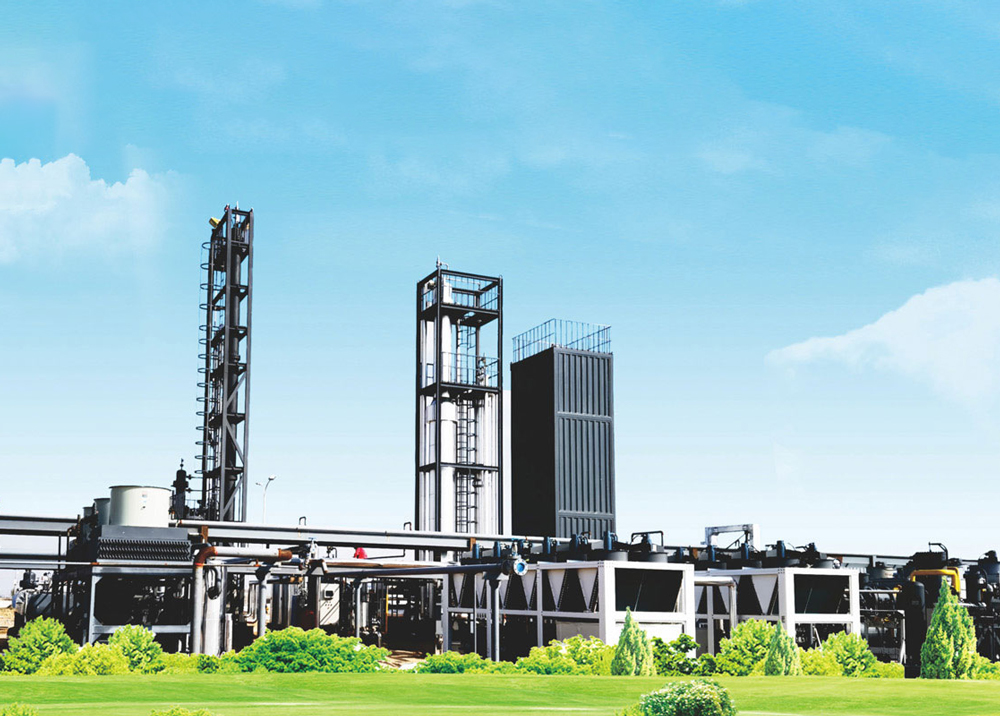
Integrating Academy of Sciences research with state-of-the-art heavy machinery manufacturing.
Established in June 2021 with a substantial registered capital of **78 million yuan**, Hebei Hongke Qingneng Environmental Protection Equipment Co., Ltd. stands as a premier tech enterprise. Located in the high-end industrial base of Sanhe Economic Development Zone, Langfang City, our facilities are optimized for the custom fabrication of non-standard pressure vessels, medical waste treatment machinery, and cryogenic separation skids.
Our manufacturing scope encompasses A2-level pressure vessels, medical waste high-temperature steam treatment systems, laboratory animal tissue treatment devices, biological live-toxic wastewater processing units, and skid-mounted purification rigs for coalbed methane, shale gas, and natural gas. Additionally, the company excels in BOG (Boil-Off Gas) helium extraction, chemical VOC abatement, and industrial low-temperature refrigeration systems ranging down to -180°C.
Dr. Sun obtained his doctorate from the Institute of Physics and Chemistry Technology, Chinese Academy of Sciences (CAS). As a National Senior Engineer, he has led key aerospace, military, and National 863 Program projects. A recipient of the Special Prize of Technological Invention from the Chinese Society of Refrigeration and the Beijing Science and Technology Award, he holds more than 20 independent intellectual property patents, steering the company’s core technology path.
A Ph.D. candidate and senior engineer from the Institute of Physics and Chemistry Technology, CAS, Dr. Zou oversees business operations. He has managed multiple major national science projects and corporate developments, publishing 24 domestic and international academic papers (including 11 SCI/EI papers) and securing 5 national invention patents alongside a silver medal at the 19th China International Industry Expo.
Holding a Doctor of Engineering from CAS, Dr. Cheng’s research centers on the process thermodynamics of skid-mounted natural gas liquefaction. He has resolved critical phase-change heat transfer challenges for multi-component mixed refrigerants. With decades of basic and applied engineering experience, he guides the structural design of all heavy-duty recovery systems.
Ensuring absolute safety, compliance, and optimized performance under extreme conditions.
Backed by elite researchers from Tsinghua University and the Chinese Academy of Sciences. We focus on phase-change thermodynamics, mixed working mediums, and modular skid designs to ensure high energy conservation and emissions reduction in demanding environments.
Our goal is to assist global industries in capturing fugitive emissions, reducing their carbon footprint, and minimizing environmental liabilities. We design gas recovery and resource protection plants that align with standard climate agreements.
Recovering methane emissions from isolated natural gas fields, shale reservoirs, and coalbed methane operations is critical. Standard systems often release low-pressure gas, wasting energy and contributing to atmospheric emissions. Our CAS-derived **skid-mounted natural gas liquefaction plants** solve this. By using multi-component mixed refrigerant cycle (MRC) systems, we customize cooling curves to match specific feed gas pressures, achieving high thermodynamic efficiency.
Before liquefaction, gas passes through our deacidification, dehydration, and heavy hydrocarbon removal purification towers. These steps prevent freezing in the main cryogenic heat exchangers, ensuring continuous operation down to -162°C.
Chemical, pharmaceutical, and refrigeration industries require highly specific pressure boundary designs. Working under high temperatures, high pressures, or highly corrosive fluids demands specific ASME/GB standard alignment.
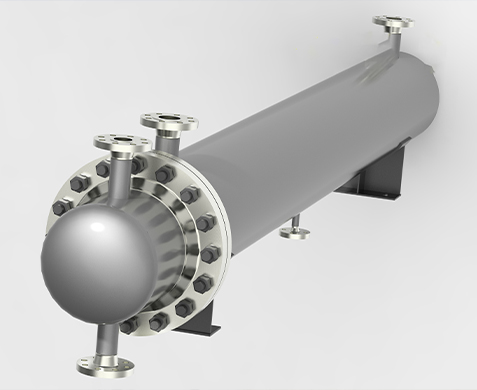
Our pressure vessel line-up includes shell-and-tube heat exchangers, high-pressure separation drums, and jacketed chemical reactors. Every vessel undergoes finite element analysis (FEA) to verify structural margins, followed by radiographic, ultrasonic, and hydrostatic testing to guarantee seal integrity.
Effective containment is crucial when handling medical waste and animal carcasses. Traditional cremation emits carbon and particulate matter, while burial risks groundwater contamination.
Our high-temperature steam treatment equipment and alkaline hydrolysis chambers offer clean alternatives. Using thermal pasteurization and chemical breakdown, the systems destroy pathogens and reduce waste volumes without producing toxic emissions. The process operates under automated PLC controls, ensuring safe pressure cycling and consistent pathogen destruction.
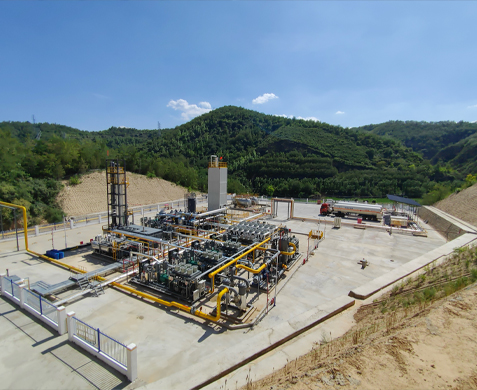
Showcasing our completed projects in cryogenic processing and biosafety engineering.
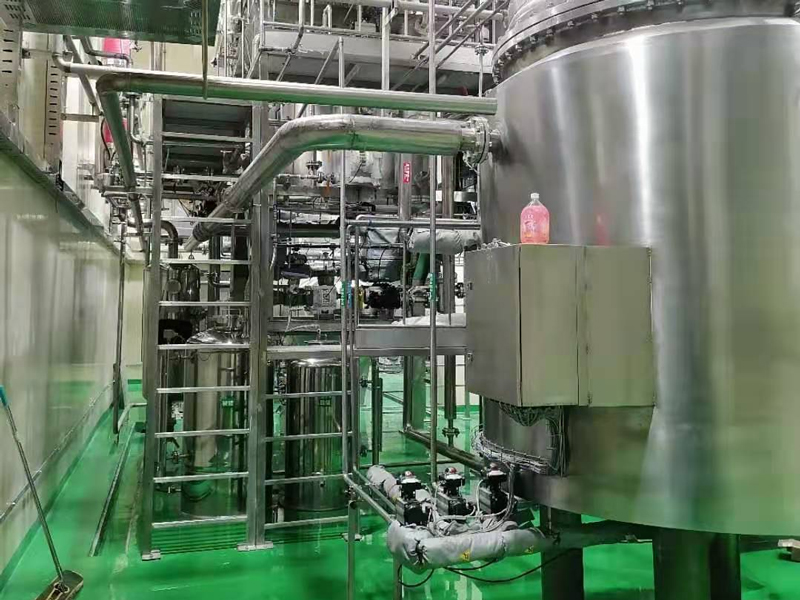
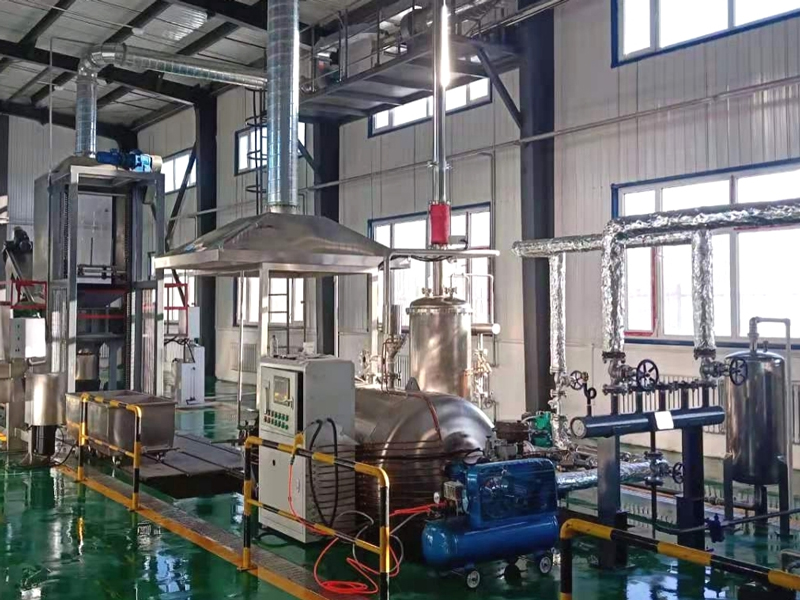
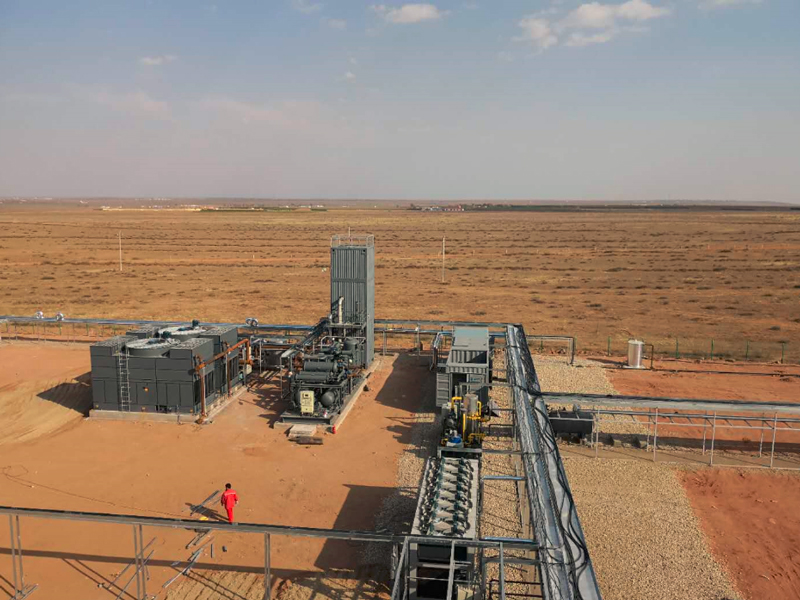
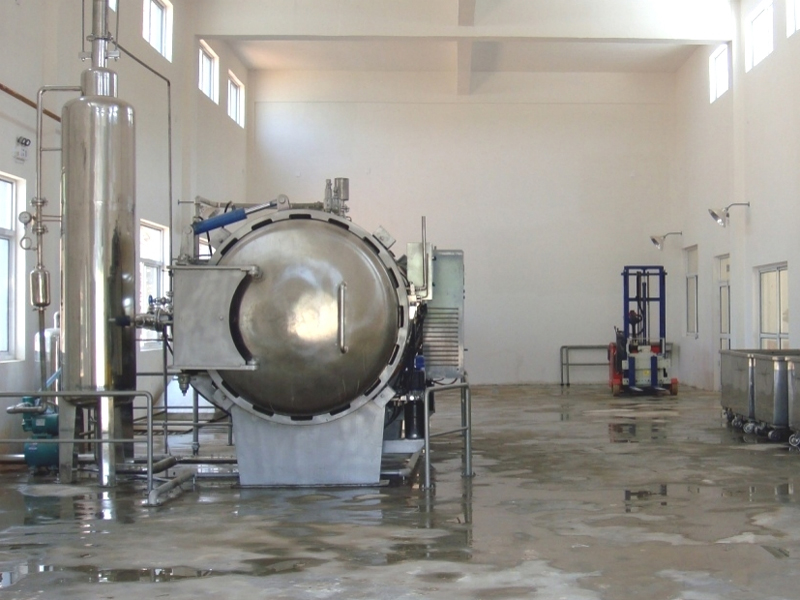
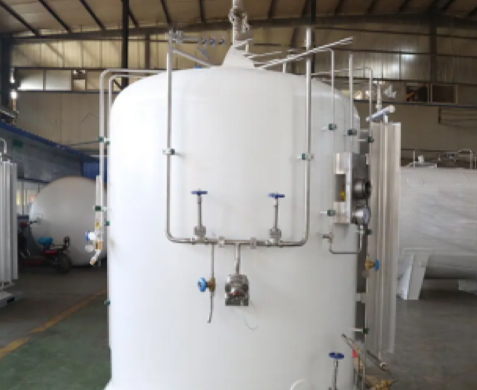
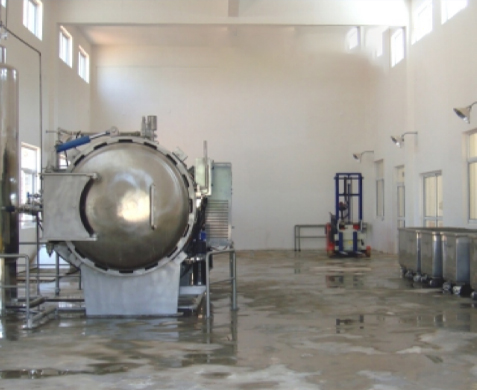
A look inside our production bays and high-precision testing areas.
Get professional technical insights regarding our equipment specifications and global deployment protocols.
We hold a licensed A2 Level Pressure Vessel Manufacturing designation. This permits us to design and fabricate medium-to-high pressure vessels, including non-standard shell-and-tube heat exchangers, chemical reactors, separation columns, and heavy-wall containment modules. All designs comply with Chinese GB150 and are customizable to match international standards such as ASME Section VIII and CE/PED.
Traditional gas liquefaction requires large centralized plants, which are impractical for localized wellheads, scattered shale reservoirs, or coalbed methane extraction. Our mobile skid-mounted units consolidate purification (dehydration, deacidification) and liquefaction into a compact, pre-wired frame. This minimizes site installation time, reduces pipeline costs, and allows for rapid relocation once a well is depleted.
Alkaline hydrolysis uses elevated temperatures and an alkaline water solution to break down organic matter into sterile liquid waste and calcium-phosphate bone ash. This process consumes approximately 90% less energy than flame cremation and avoids air emissions like carbon dioxide, mercury, and particulate matter, offering a clean solution for biosafety research labs and pet care facilities.
Yes, our engineering team, with research background from the CAS Institute of Physics and Chemistry Technology, specializes in low-temperature refrigeration systems down to -180°C. We design custom BOG recovery loops that utilize multi-stage cryogenic separation to extract high-purity helium, helping operators monetize a valuable gas that is typically lost during LNG storage.
Further configurations and technical solutions tailored for modern process plants.
Industrial gas compressors and absorption beds for zero-flaring mandates.
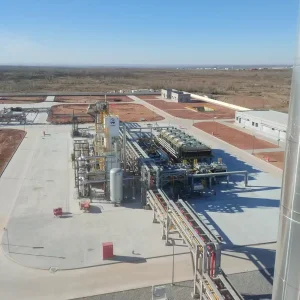
Comprehensive support services from initial simulation to onsite commissioning.
Field-tested heavy duty modules built to handle extreme thermal cycles.
Automated, compact design suitable for urban pet service agencies.
Corrosion-resistant vessels designed for severe process requirements.
Clean technology with low energy consumption and simple maintenance.
Turnkey skid systems including purification, compression, and cold-box modules.
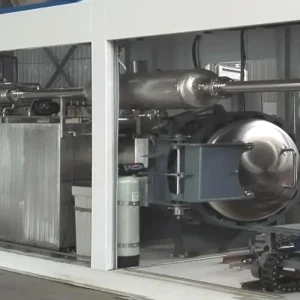
Vehicle-mounted sterilization units designed for remote healthcare applications.
Our doctoral engineering team is ready to analyze your separation system demands, thermodynamic parameters, and custom dimensional specifications.
Interested in custom designs?
We provide one-stop, skid-mounted solutions including thermodynamic simulations, engineering drawings, fabrication under certified QC protocols, and startup support. Please contact us with your processing volume, design temperature/pressure, and gas composition specs.
 Hongke Qingneng