Explore our industrial plants, skid-mounted systems, and high-pressure treatment containers built to international certifications.
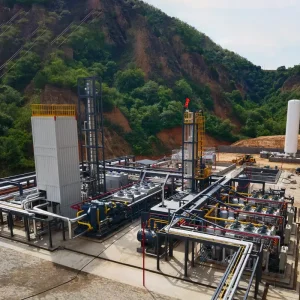
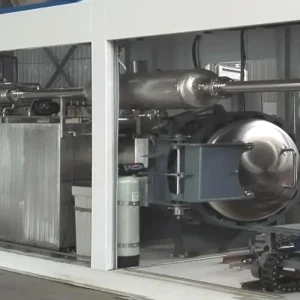
In modern heavy industries, energy refinement, and bio-security infrastructure, pressure containers serve as the primary containment barriers for high-energy thermodynamic processes. From storing liquefied natural gas (LNG) at cryogenic temperatures to sterilizing hazardous medical waste under high-pressure steam, the structural integrity of these vessels is paramount.
Globally, industrial demands are shifting toward decentralized, modular, and skid-mounted processing units. Traditional field-constructed tanks are increasingly replaced by factory-tested, non-standard custom pressure vessels. These specialized containers must withstand severe operating environments, including extreme thermal cycles (-196°C to over 300°C), hydrogen embrittlement, and highly corrosive organic compounds.
Regulatory frameworks such as ASME Section VIII, the European Pressure Equipment Directive (PED), and China's GB150 govern this space. Compliance requires not only exceptional metallurgical engineering but also rigorous quality management systems to prevent catastrophic mechanical failures.
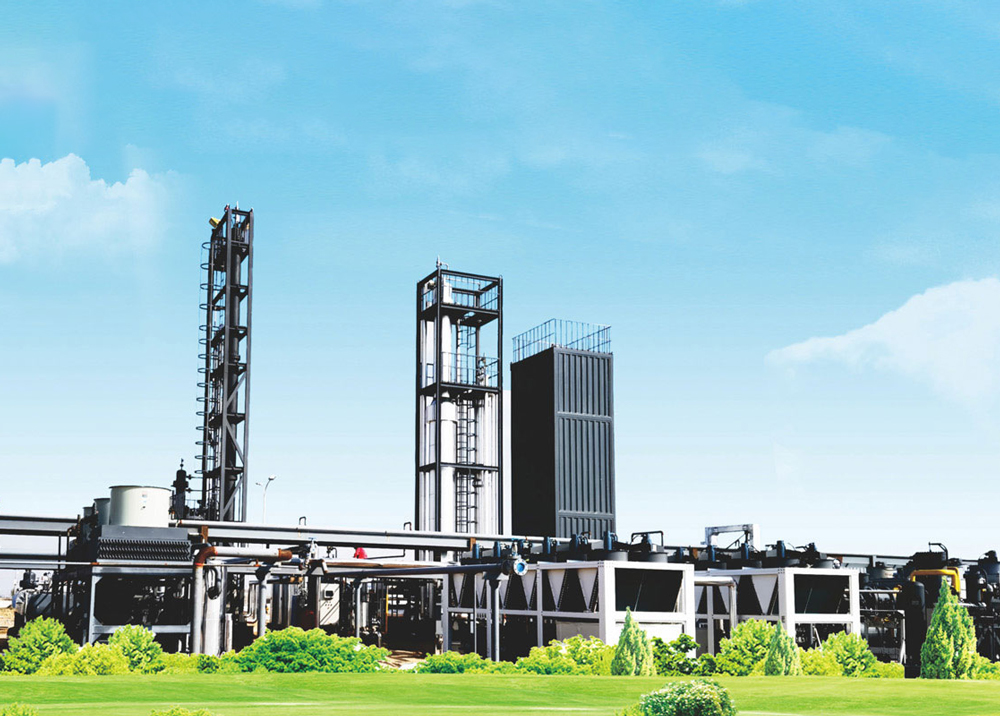
Our technologies are driven by senior researchers from the Technical Institute of Physics and Chemistry, Chinese Academy of Sciences (CAS).
Holding a Ph.D. from the Institute of Physics and Chemistry Technology, Chinese Academy of Sciences, Dr. Sun has led several aerospace, military, and national key science programs (such as the National 863 Program). He has been awarded the First Prize of Science and Technology of China Coal Industry, and the Special Prize of Technological Invention of the Chinese Society of Refrigeration. Under his leadership, the company holds over 20 proprietary patents.
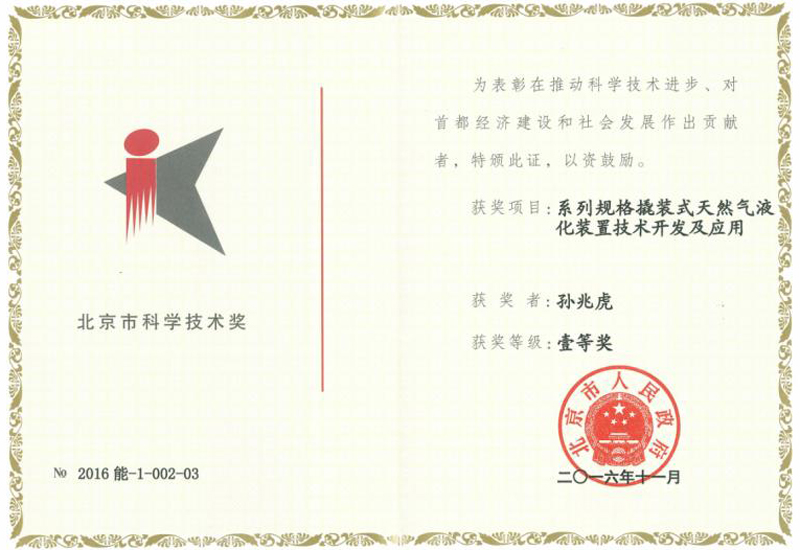
A Ph.D. candidate specializing in industrial thermal processes, Zou has managed the company's business development and technology transitions for years. He has published 24 academic papers (11 SCI/EI indexed), obtained 5 national patents, and received the Beijing Science and Technology Award. He oversees the implementation of our large-scale gas purification projects.
A specialist in mixed-medium phase transitions and heat transfer, Dr. Cheng designed the company's modular natural gas liquefaction plants. His academic and practical work on cryogenic liquefaction systems won the Special Prize of Science and Technology from the Chinese Refrigeration Society. He oversees all basic research translation into commercial plant engineering.
Registered Capital (RMB)
Pressure Vessel Manufacturing License
Skid-Mounted Systems Delivered
Proprietary Patents & Intellectual Property
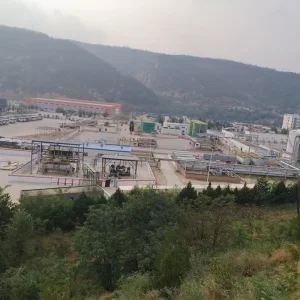
Operating within the Sanhe Economic Development Zone in Langfang City, Hebei Hongke Qingneng Environmental Protection Equipment Co., Ltd. leverage direct access to specialized steel mills, highly trained precision welders, and modern non-destructive testing (NDT) labs.
Our facility holds the A2 Level Pressure Vessel Manufacturing License alongside Pressure Pipeline Component licenses. Furthermore, our design-to-build workflow is governed by GB/T19001-2016 (ISO 9001) quality systems, alongside Sinopec HSSE and China Petroleum Health, Safety, and Environment Management System certifications.
By integrating academic engineering with localized assembly lines, we achieve significant cost-efficiencies and delivery turnarounds. Our modular, skid-mounted systems are fully assembled, pre-piped, wired, and tested in our factory prior to shipment, reducing on-site installation timelines by up to 60%.
Our custom pressure containers and systems operate across five key sectors, delivering high-temperature containment and cryogenic processing.
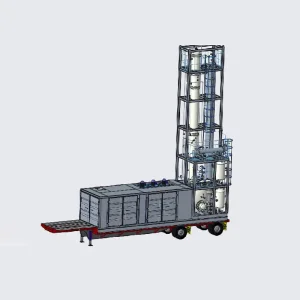
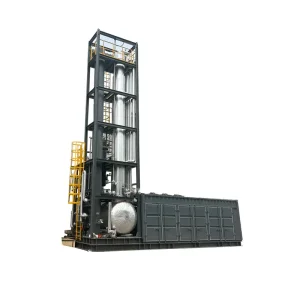
Integrated skid-mounted LNG systems, deacidification, dehydration, and heavy hydrocarbon removal columns operating down to -196°C.
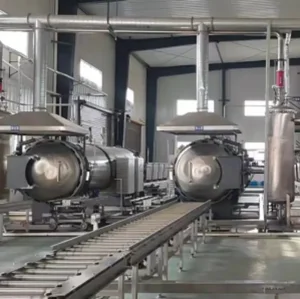
High-temperature steam treatment autoclaves for medical waste and laboratory animal tissues, utilizing thermal hydrolysis process vessels.
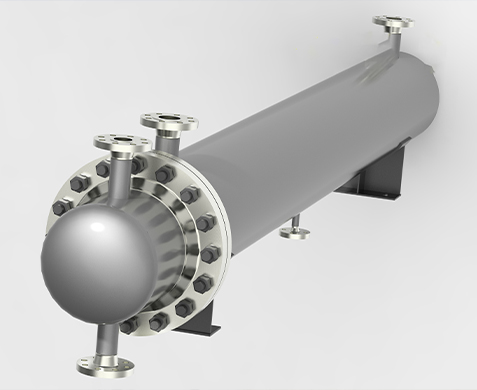
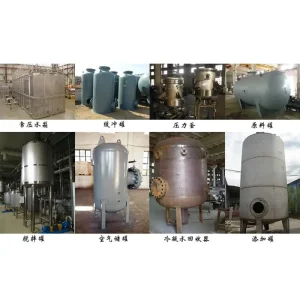
Custom-engineered shell and tube heat exchangers, separator columns, reactors, and pressure containers according to precise process dynamics.
Low-temperature cooling systems operating from -40°C down to -180°C, custom vacuum cold traps (-135°C), and industrial freeze dryers.
How our R&D platform addresses high pressures, chemical attack, and cryogenics.
Automatic submerged arc welding (SAW) and gas tungsten arc welding (GTAW) are executed by certified specialists. Every pressure boundary weld undergoes 100% radiographic or ultrasonic testing.
We fabricate using low-carbon stainless steels (304L, 316L), duplex alloys, and carbon steels specifically treated to resist hydrogen-induced cracking (HIC) and stress corrosion cracking (SCC).
Using advanced simulation software (HTRI, PV Elite), we design our thermal components to optimize heat transfer efficiency, minimizing stress concentrations at nozzle intersections.
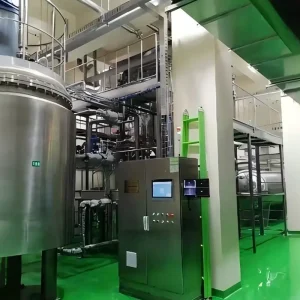
Redundant relief valves, rupture disks, and electronic temperature/pressure transmitters interface directly with smart control panels to allow fail-safe shutdown sequences.
Our solutions are deployed across environmental processing sites, laboratories, and resource recovery centers.
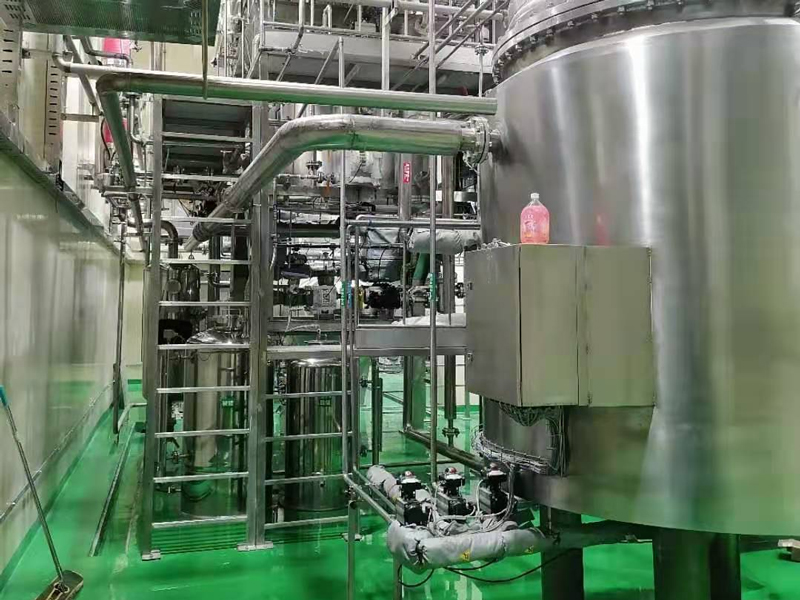
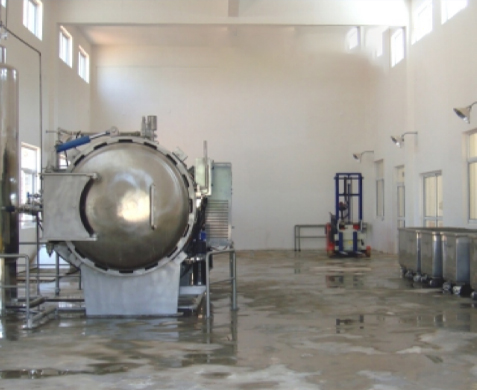
High-temperature thermal hydrolysis container designed for bio-containment laboratories, ensuring zero pathogen release.
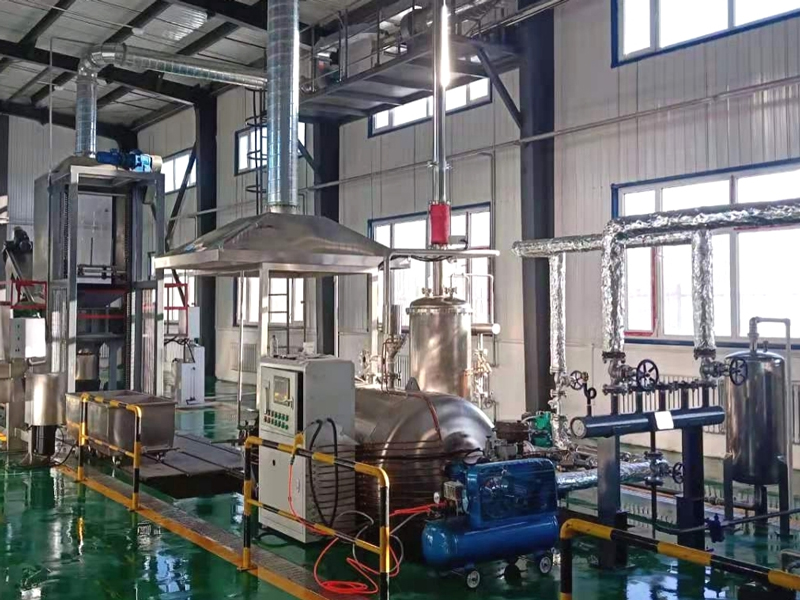
A trailer-mounted autoclave container system designed for emergency bio-medical sterilization in isolated areas.
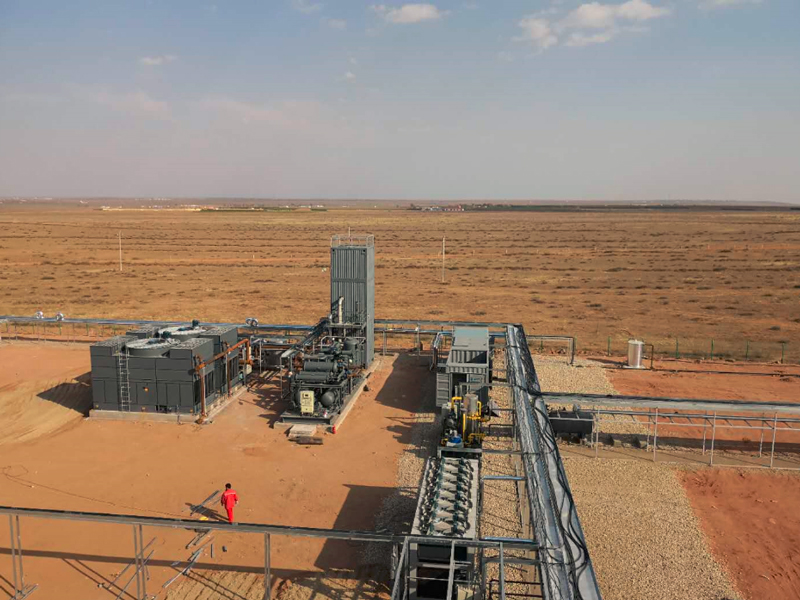
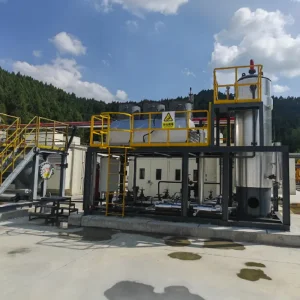
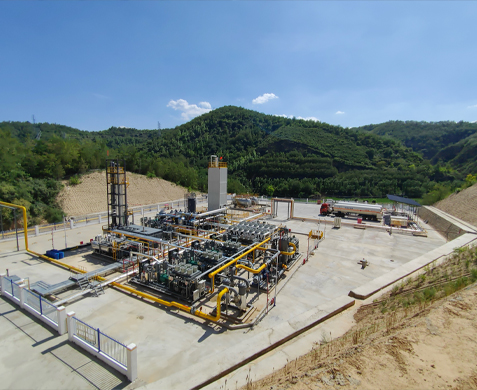
Skid-mounted processing units separating and liquefying natural gas directly at the wellhead.
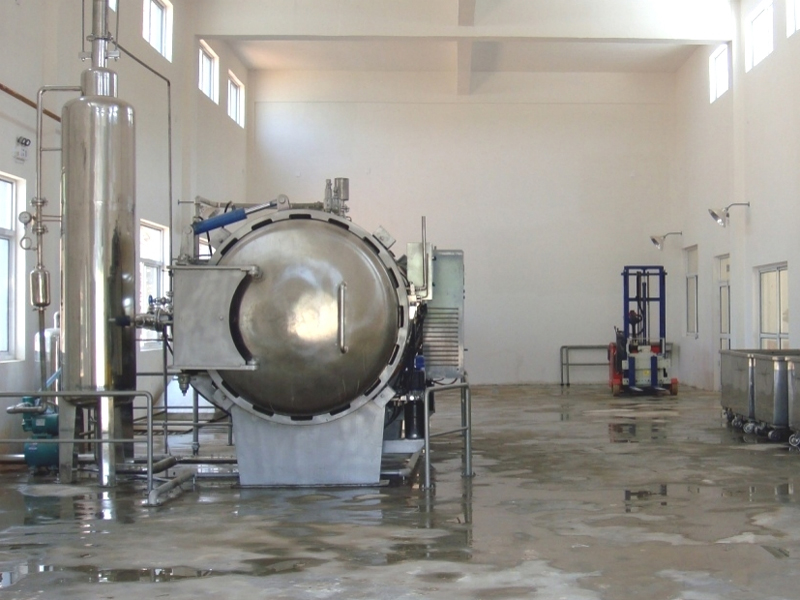
Industrial-scale pressure vessel sterilizer deployed for municipal infectious waste treatment plants.
When procurement officers evaluate custom pressure container manufacturers, several critical indicators must be scrutinized beyond simple production costs:
Our facility at Hebei Hongke Qingneng integrates these protocols seamlessly into our production pipelines, ensuring that every pressure vessel delivered meets the strict safety and performance expectations of municipal and global corporate buyers.
Regulatory requirements for atmospheric protection and zero-pathogen discharge are forcing chemical and biological plants to implement specialized emission-control containers.
We are seeing a high volume of requests for VOC exhaust treatment systems, deacidification modules, and helium purification systems (extracting helium from BOG during liquefied gas processes).
This shift means a pressure container is no longer just a passive shell; it is an active component integrated with digital sensors, process piping, and automation controls. By sourcing a pre-assembled skid, EPC companies minimize engineering errors, simplify supply chains, and secure faster project sign-offs.
Expert answers addressing materials, certifications, testing procedures, and environmental compliance.
Explore our customized non-standard equipment, recovery devices, and clinical/laboratory hydrolysis reactors.
 Hongke Qingneng