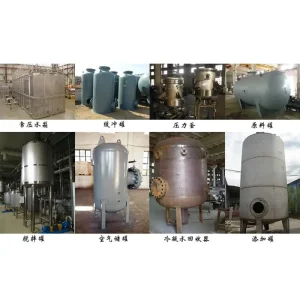
Explore our high-performance technical skids, purification lines, and eco-friendly treatment installations designed for global energy & environmental compliance.
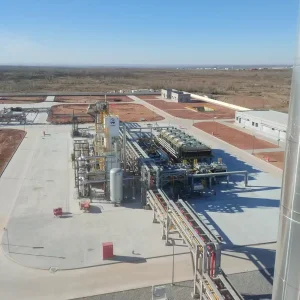
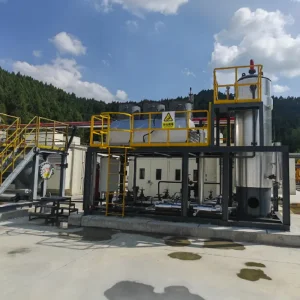
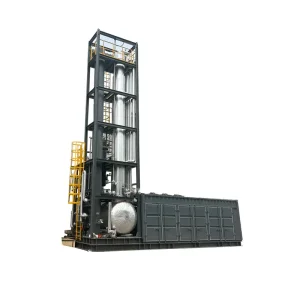
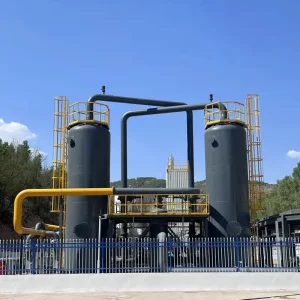
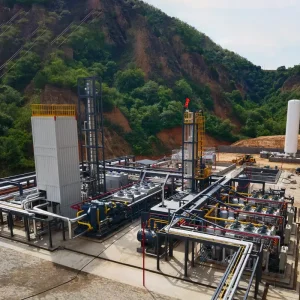
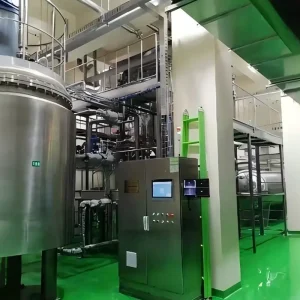
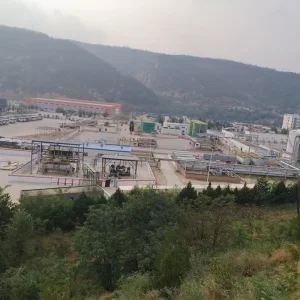
Hebei Hongke Qingneng Environmental Protection Equipment Co., Ltd. was established in June 2021 with a registered capital of 78 million yuan. Located in the highly specialized industrial base of the Sanhe Economic Development Zone in Langfang City, our enterprise specializes in the research, development, and state-of-the-art manufacturing of energy conservation and environmental protection equipment.
Supported by a world-class R&D team comprising doctoral talents and researchers from Tsinghua University and the Institute of Physics and Chemistry Technology of the Chinese Academy of Sciences (CAS), we engineer critical solutions across multiple industrial sectors. Our key product lines include specialized process heating solutions such as hot air stoves (hot stoves), non-standard pressure vessels, medical waste autoclave systems, hydrocarbon purification loops, and skid-mounted LNG liquefaction lines.
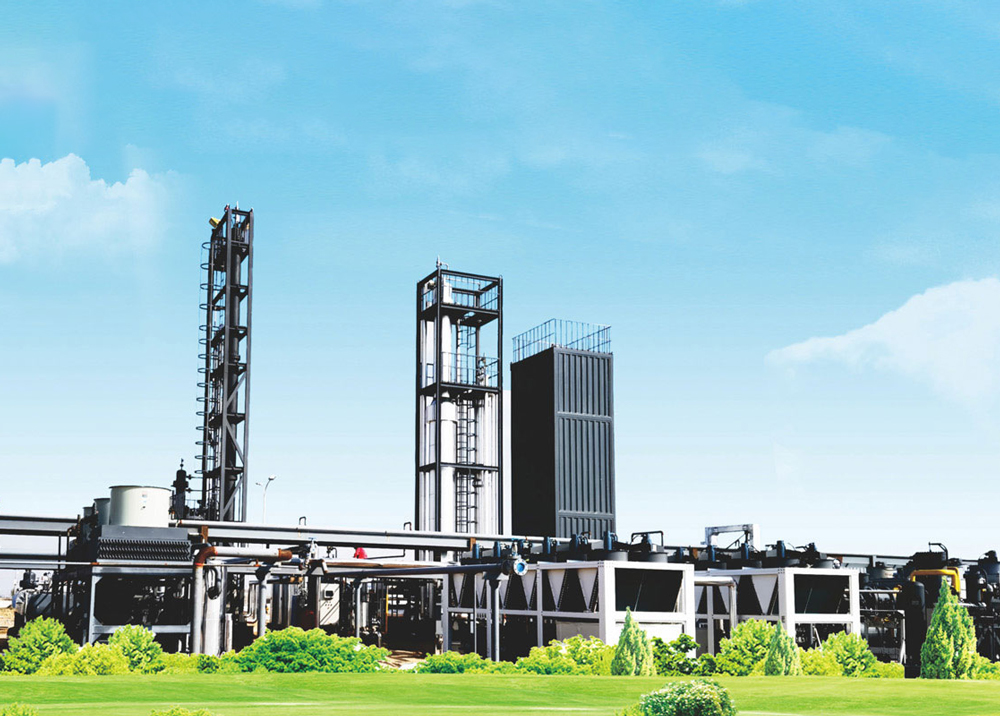
A synergistic blend of academic excellence, advanced international certifications, and social commitment.
We leverage core intellectual property derived from deep collaborations with Tsinghua University and the Chinese Academy of Sciences. Our focus remains on phase-change heat transfer, cryogenic processes, and high-efficiency thermal recovery circuits, resulting in dozens of engineering patents.
We operate under strict global standards. Our facility holds the A2-level Pressure Vessel Manufacturing License, Pressure Pipeline Component Manufacturing License, ISO9001 (GB/T19001-2016) Quality Management System Certification, and Sinopec HSSE / CNPC HSE Management System Certifications.
Our technologies target massive carbon emission reductions, helping heavy industries implement reliable air pollution controls, clean heat recovery loops, and zero-emission natural gas treatment configurations for sustainable resource protection.
Our core research and engineering division is led by recognized scientists and industry veterans in thermal physics.
Holds a Ph.D. from the Institute of Physics and Chemistry Technology, CAS. A National Senior Engineer, he has led multiple state programs, including the National 863 Program and National Natural Science Foundation projects. He is a recipient of the First Prize of Science and Technology of the China Coal Industry, the Special Prize of Technological Invention of the Chinese Society of Refrigeration, and the Beijing Science and Technology Award.
A Ph.D. candidate and Senior Engineer at CAS, he manages market development and operational strategies. He has directed several scientific research initiatives under the "12th Five-Year Plan" national major special projects, published 24 peer-reviewed academic papers (11 indexed in SCI/EI), and secured 5 national invention patents. He holds the Silver Medal of the 19th China International Industry Expo.
Ph.D. in Engineering from CAS. His breakthrough research focuses on skid-mounted natural gas liquefaction systems, phase change heat transfer behaviors, and mixed working medium flow characteristics. He oversees basic process calculations, ensuring thermodynamics and fluid dynamics remain optimized across all custom pressure vessels, hot air stoves, and environmental processing skids.
Proven execution across municipal environmental operations, petrochemical sectors, and biotech facilities.
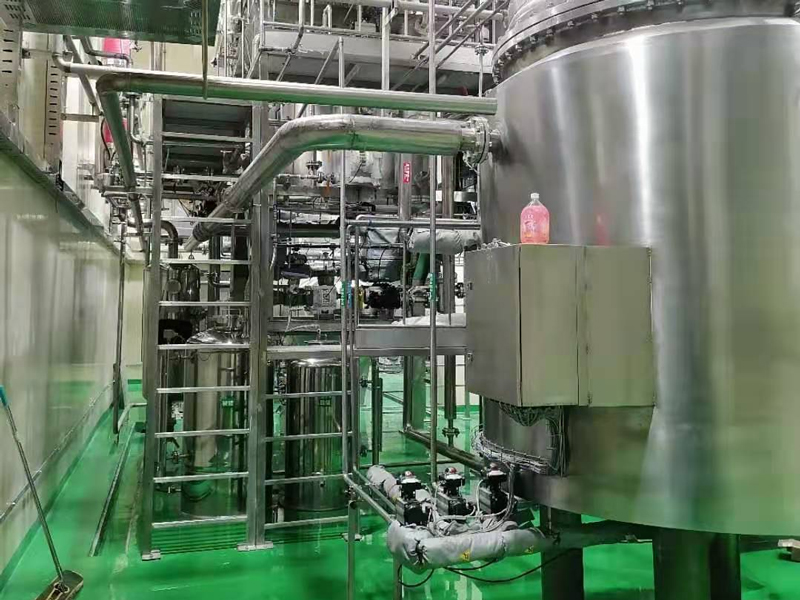
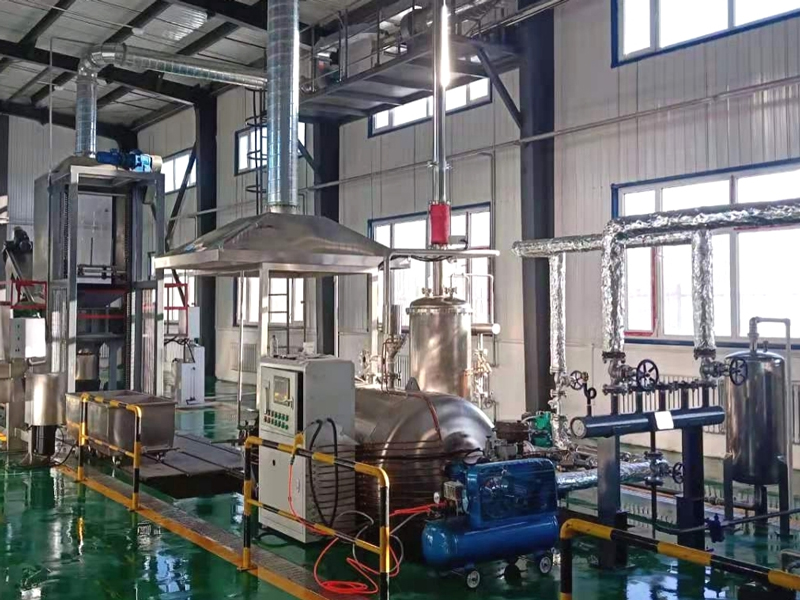
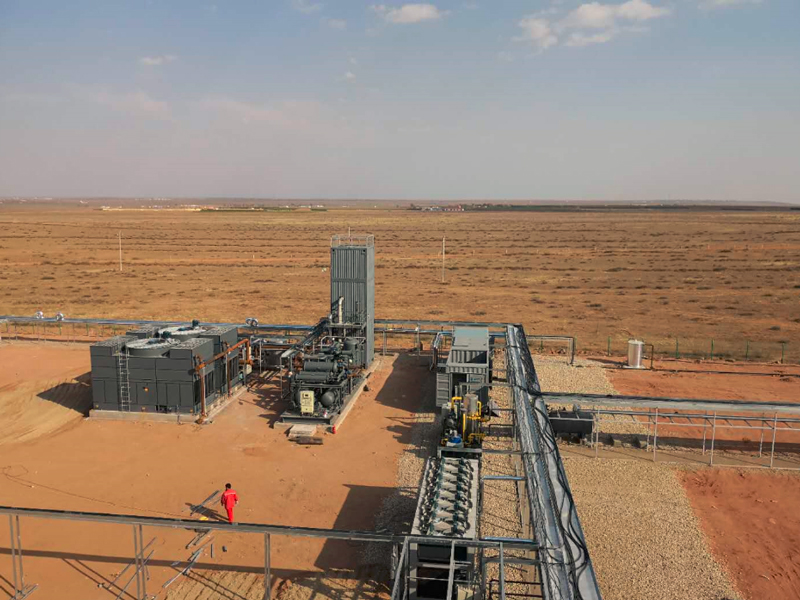
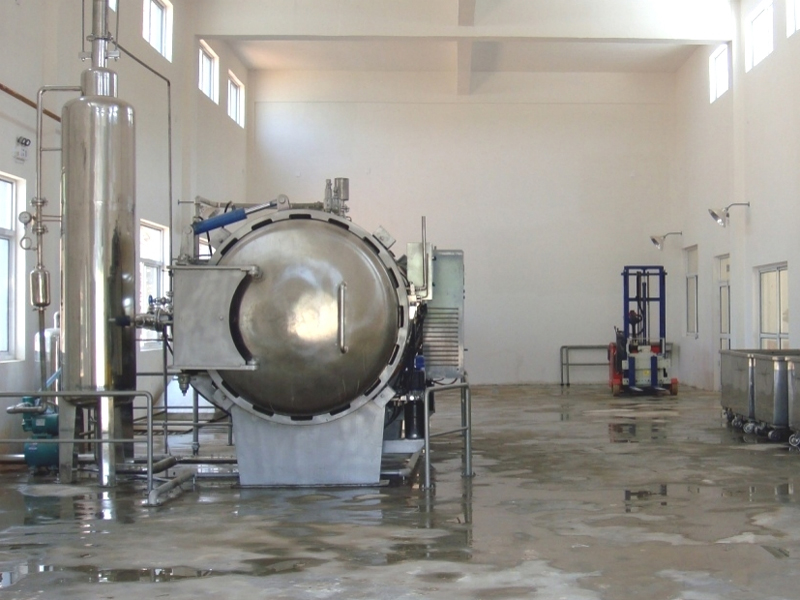
An in-depth engineering analysis of hot air stoves, pressure heat exchange loops, and modern emissions management.
In heavy industrial processing, natural gas treatment, and municipal waste management, direct and indirect-fired hot air stoves (commonly referred to as hot stoves or process air heaters) are critical. These systems provide controlled, high-temperature gas streams required for regenerators, thermal desorption units, dehydration packages, and high-performance dryers. As professional designers, we configure hot stoves to handle extreme thermal stresses while maintaining clean combustion, maximizing heat transfer rates, and keeping NOx and CO emissions below international regulatory limits.
Our non-standard pressure vessel manufacturing capability allows us to integrate combustion chambers directly with shell-and-tube or plate-type heat exchangers. This integration prevents contamination of the process air stream by combustion products—a vital requirement in laboratory animal carcass processing, hazardous waste steam autoclaving, and gas-drying regeneration loops.
A primary challenge for process engineers is balancing high thermal output with fuel efficiency. Standard designs often lose up to 30% of energy through exhaust gases. By implementing advanced economizers and recuperative air preheaters, our hot stoves achieve thermal efficiencies exceeding 92%. Key structural features include:
Manufacturing heavy-duty thermal systems and certified pressure vessels demands a robust supply chain, precision fabrication equipment, and rigorous QA/QC. Our facility in the Sanhe Economic Development Zone, Langfang, leverages several regional and operational strengths:
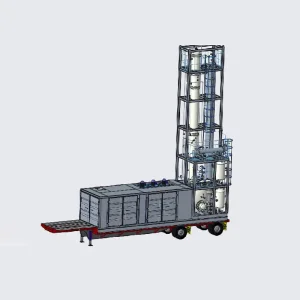
Modern industry demands modular, plug-and-play solutions. Instead of sourcing separate burners, heat exchangers, and control systems, international clients utilize our skid-mounted configurations. Our macro solutions cover three main sectors:
The industrial thermal landscape is moving toward complete electrification, hydrogen-blended combustion, and modularization. The transition from heavy, field-erected refractory furnaces to compact, skid-mounted metallic hot air stoves is accelerating. These designs reduce on-site civil works by 80% and allow for swift relocations as field demands shift. Additionally, integrating IoT-enabled sensors allows for real-time monitoring of thermal gradients, enabling predictive maintenance models that prevent thermal shock and fatigue in pressure boundaries.
Expert answers addressing standard engineering, procurement, and certification queries from international buyers.
Our design process utilizes finite element analysis (FEA) to simulate thermal stresses and computational fluid dynamics (CFD) to optimize combustion aerodynamics. We match the thermal output (ranging from 100,000 kcal/h to over 10 million kcal/h) with appropriate metallurgy (like SS310S or custom refractory linings) and burner systems (modulating, low-NOx) based on the client's feed gas or oil composition.
We hold the Chinese A2-level Pressure Vessel Manufacturing License, GB/T19001-2016 Quality Management System Certification, and major oil and gas supplier approvals (Sinopec HSSE and CNPC HSE). For international projects requiring ASME Sec VIII Div 1, CE/PED, or other regional standards, we work in cooperation with authorized inspection agencies to design, fabricate, and stamp vessels accordingly.
Yes. Our skid-mounted liquefaction and purification systems are designed for complex, non-conventional gas sources. We engineer custom modular blocks for acid gas removal (H2S, CO2 deacidification), molecular sieve dehydration (moisture removal), mercury removal, and heavy hydrocarbon separation, ensuring the processed gas meets cryogenic liquefaction or pipeline specifications.
We manufacture high-performance cascade refrigeration machinery operating between -40℃ and -180℃, freeze dryers operating between -70℃ and -100℃, and vacuum cold traps functioning down to -135℃. These systems are critical for cryogenic condensation, BOG helium extraction, gas recovery, and advanced pharmaceutical processing.
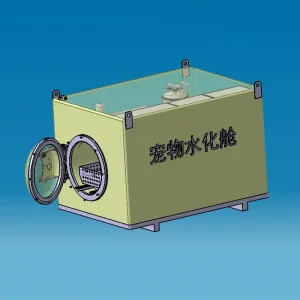
Our laboratory animal carcass and medical waste hydrolysis systems utilize high-temperature, high-pressure steam digestion or sterilization technology. The animal tissues are broken down under precise thermal cycles, killing pathogens and rendering the residues sterile. The gaseous emissions are processed through multi-stage VOC extraction and treatment packages, ensuring clean and odor-free venting.
Select specialized equipment, non-standard vessels, and high-capacity processing skids from our catalog.
 Hongke Qingneng