Explore our leading industrial-grade systems engineered for precision purification, cryogenic cooling, and environmental compliance.
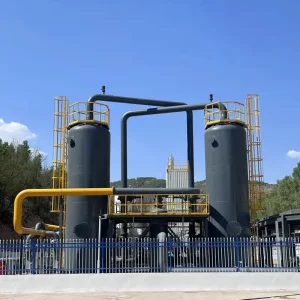
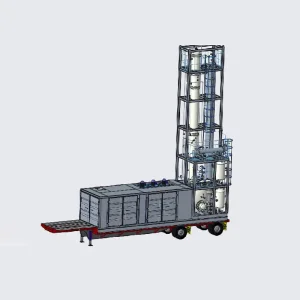
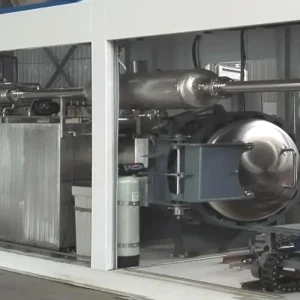
An authoritative review of thermodynamic efficiencies, micro-skid innovations, and global decarbonization trajectories.
As the global energy framework shifts toward net-zero paradigms, the conversion of raw biogas into Bio-LNG (Liquefied Biomethane) stands out as a critical pathway for decarbonizing long-haul transport and grid systems. Biogas liquefaction is more than just cooling; it is a complex cryogenic process requiring highly advanced purification and thermal management. Historically, the high capital costs associated with large-scale liquefaction plants limited this process to major facilities. However, recent breakthroughs in small-scale and skid-mounted technologies have opened up new possibilities for agricultural operations, municipal wastewater systems, and organic waste plants worldwide.
“By transforming distributed biomethane resources into cryogenically stable Bio-LNG, industrial operators can increase energy density by a factor of 600, enabling highly efficient long-distance distribution without relying on regional pipeline networks.”
The global biogas liquefaction sector is experiencing rapid evolution driven by three key factors: process simplification, methane slip minimization, and carbon negative integration. Modern biogas liquefaction factories are moving away from traditional, bulky mixed refrigerant systems toward compact, standardized Nitrogen expansion cycles and optimized single-flow mixed refrigerant (SMR) architectures. These advancements reduce mechanical complexity, minimize volatile refrigerant leaks, and allow units to dynamically adjust to changing biogas flow rates.
Additionally, tighter regulations on methane emissions have made carbon footprint mitigation a primary design priority. Advanced factories are now building closed-loop process designs where flash gases and boil-off gases (BOG) are automatically routed back into the feed-gas stream. Finally, combining biogas liquefaction with carbon capture and storage (BECCS) technologies allows facilities to separate and liquefy carbon dioxide alongside methane, yielding high-purity liquid CO2 for industrial use while achieving a net-negative emissions profile.
International developers face distinct engineering challenges during procurement. The raw biogas feedstock must undergo complete purification before entering the cryogenic heat exchanger. Any trace levels of carbon dioxide, water vapor, hydrogen sulfide, or siloxanes will freeze solid at -162°C, causing blockages, thermal stresses, and potential system shutdowns. Because of this, procurement teams look for suppliers who can deliver fully integrated purification and liquefaction lines. Key specifications include:
Reducing feed gas carbon dioxide levels to under 50 ppm to prevent freezing in cold boxes.
Achieving a water dew point below -70°C to completely eliminate ice crystals in the cold box.
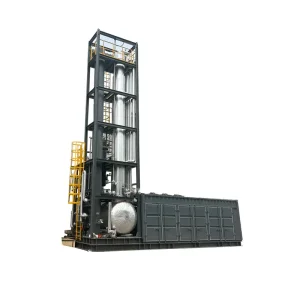
Ensuring all piping, heat exchangers, valves, and control systems are pre-assembled on a single steel frame to minimize on-site installation work and costs.
Combining academic research from the Chinese Academy of Sciences (CAS) with advanced industrial manufacturing capabilities.
Established in June 2021 with a registered capital of 78 million yuan, Hebei Hongke Qingneng Environmental Protection Equipment Co., Ltd. stands as a key innovator in the Sanhe Economic Development Zone, Langfang City. We specialize in engineering high-end thermal, cryogenic, and environmental solutions, ranging from industrial-scale gas purification systems to skid-mounted liquefaction equipment.
Our technical focus spans coalbed methane (CBM) upgrading, shale gas conditioning, biogas purification, VOC thermal destruction, industrial refrigeration, and helium extraction from BOG streams. Through strict quality standards, we deliver reliable, custom-engineered equipment to clients worldwide.
Our technical edge is built on close collaboration with researchers from Tsinghua University and the Institute of Physics and Chemistry Technology, Chinese Academy of Sciences (CAS). These partnerships allow us to directly translate advanced thermodynamic and cryogenic theories into robust, field-ready industrial systems.
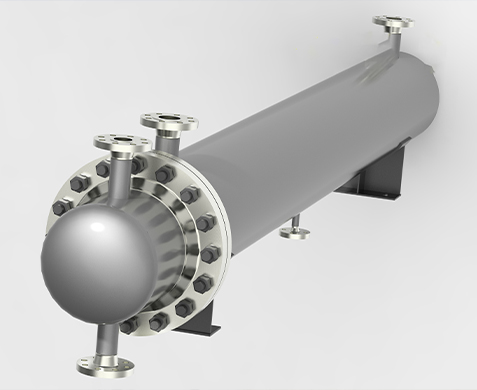
By applying advanced mixed working medium phase change heat transfer models, we build highly efficient heat exchangers that maximize heat transfer coefficient while minimizing pressure drop across our systems.
How modern production methods reduce costs and speed up deployment for international projects.
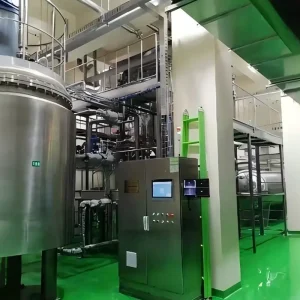
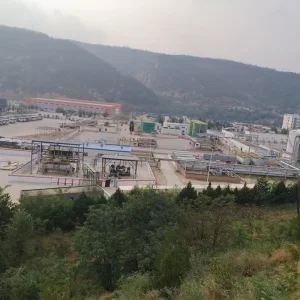
Building high-performance biogas liquefaction systems requires advanced manufacturing, high-precision machining, and strict quality control. Our modern facility in the Sanhe Economic Development Zone integrates advanced production methods to optimize cost efficiency and maintain high quality across all system components.
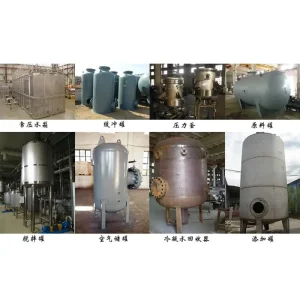
By using automated welding systems, high-precision CNC tube-sheet machining, and digital assembly tracking, we eliminate the variance associated with manual assembly. Each pressure vessel, heat exchanger, and skid frame is built and tested under factory conditions, avoiding the delays and quality issues common with traditional field construction.
“Industrial modularization allows us to complete up to 95% of fabrication, wiring, and software testing inside our facility, reducing site installation times from months to a few weeks.”
Our localized supply chain in China's industrial heartland provides reliable access to raw materials and critical components, protecting our project timelines from global logistics disruptions. This complete control over the manufacturing process—from raw steel to final software testing—allows us to deliver systems that meet ASME, PED, and GB standards at competitive price points.
Optimized configurations designed for agricultural, municipal, and industrial energy recovery.
Converting raw gas from large dairy and swine farms into Bio-LNG. Provides farmers with a transportable energy source and diversifies farm revenue streams through commercial fuel sales.
Managing variable gas flows and high CO2 concentrations in municipal waste systems. Our adaptive control systems adjust to fluctuating gas compositions to prevent process trips.
Capturing flared gas from remote shale oil and gas wells. Trailer-mounted, mobile liquefaction skids convert associated gas into high-value LNG directly at the wellhead.
Review our operational projects and equipment installations delivering reliable service across diverse industrial sectors.
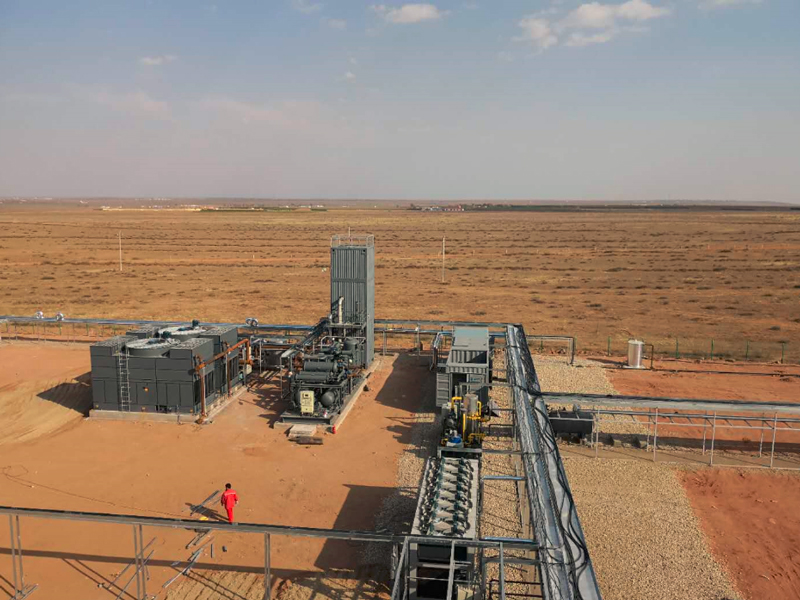
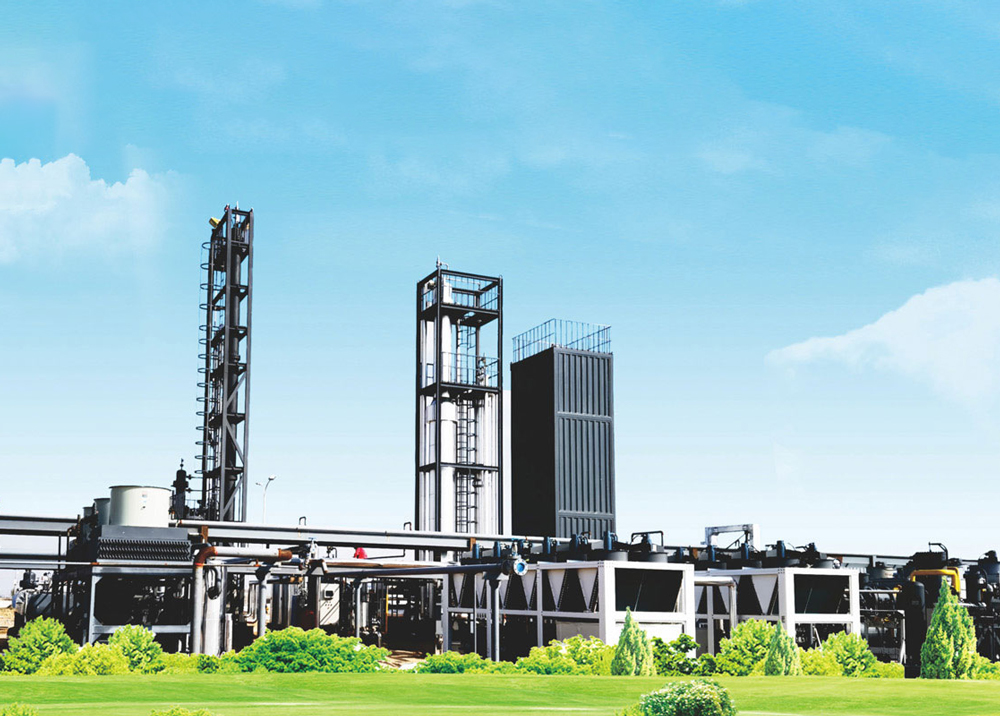
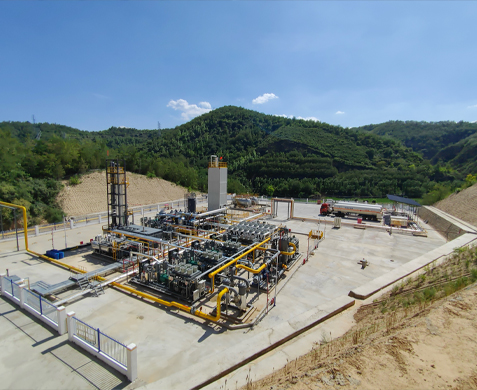
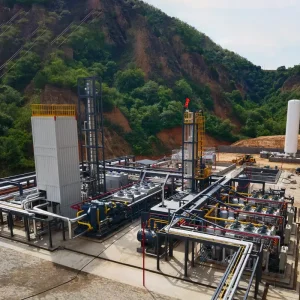
Our skid-mounted associated gas liquefaction plant operating in a remote field environment. It features integrated heavy hydrocarbon separation, acid gas removal, and a single mixed refrigerant loop to recover stranded gas assets and prevent gas flaring.
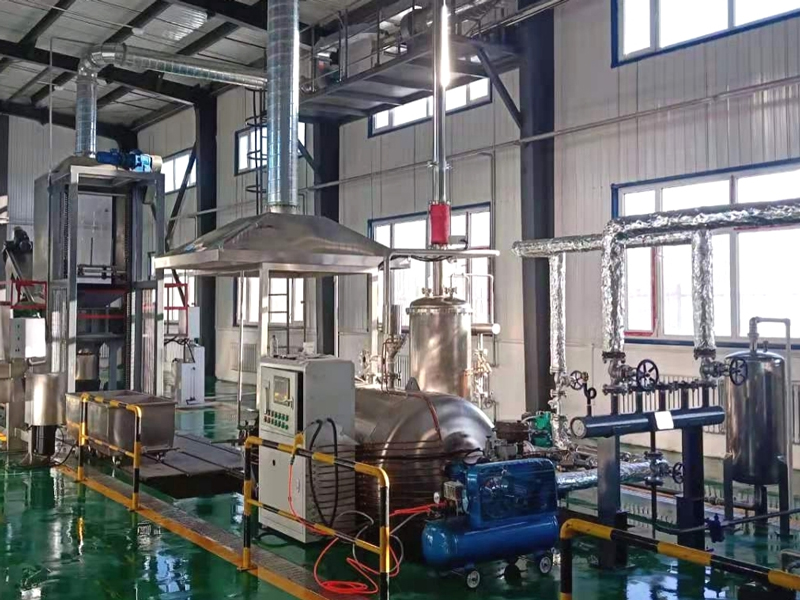
A self-contained, trailer-mounted high-temperature steam sterilization unit designed for rapid deployment during emergency medical events or remote military operations, ensuring safe biological waste processing.
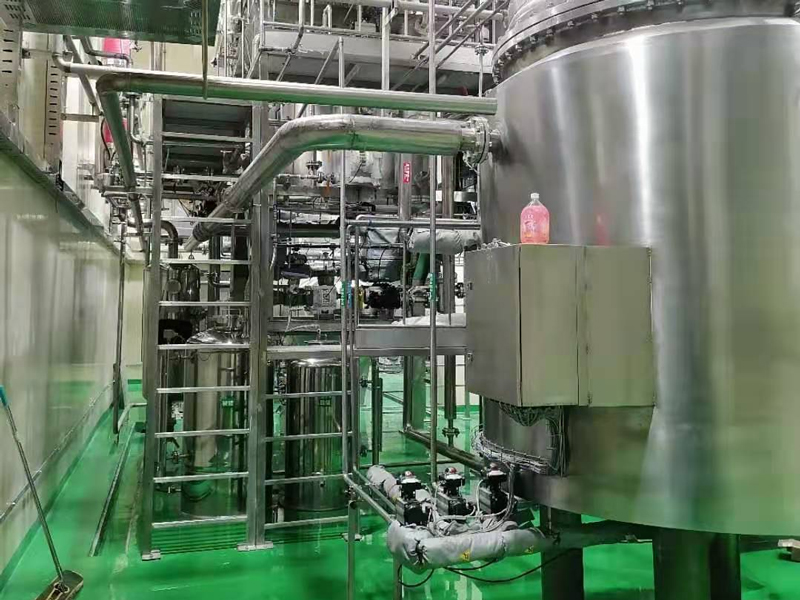
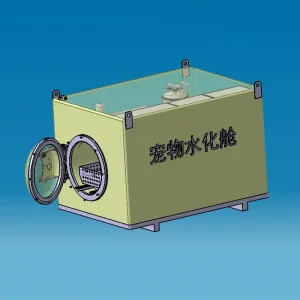
An installation of our high-temperature hydrolysis system in a research laboratory setting. Provides complete sterilization and liquefaction of organic tissues, meeting strict bio-safety guidelines.
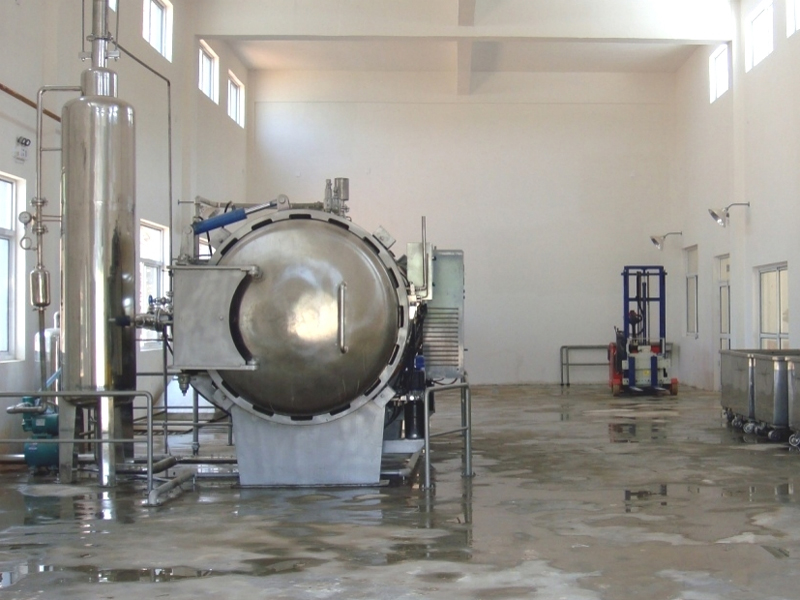
A large-scale plant designed for regional waste management, utilizing automated loading systems and PLC-controlled steam cycles to treat hazardous clinical waste efficiently.
Common questions about biogas liquefaction systems, pre-treatment steps, and operational requirements.
A: Cryogenic liquefaction operates at -162°C, which requires feed gas carbon dioxide levels to be under 50 ppm to prevent carbon dioxide ice from blocking the heat exchanger. Water content must be reduced to less than 1 ppm (dew point below -70°C). Hydrogen sulfide (H2S) must be kept below 4 ppm to prevent corrosion, and siloxanes must be completely removed to avoid silica deposits on process surfaces.
A: Skid-mounted configurations offer several advantages. The entire process system—including pre-treatment columns, cold box, valves, and instruments—is assembled and tested in our factory. This minimizes on-site installation work, cuts deployment times by up to 60%, and avoids complex field construction work. Additionally, these mobile units can be relocated if local feed gas availability changes.
A: We offer two main cooling cycles depending on the project size. For smaller installations, we use a single mixed refrigerant (SMR) loop containing nitrogen, methane, ethylene, propane, and isopentane, which offers high thermodynamic efficiency. For applications where refrigerant logistics are difficult, we configure a closed-loop Nitrogen Expansion Cycle, which uses nitrogen from the air as the sole refrigerant for simpler operation.
A: Our systems include an automated upstream purification stage, which uses amine washing or multi-stage membrane separation. This stage stabilizes raw biogas with fluctuating methane content (from 45% to 70%) into consistent, high-purity biomethane (above 99%) before it enters the liquefaction cold box, protecting downstream operations.
A: Our facility holds the Class A2 pressure vessel manufacturing license and complies with GB/T19001-2016 quality management standards. For international projects, we can design and build pressure vessels that meet ASME Sec VIII Div 1 or PED 2014/68/EU standards to ensure compliance with local regulations.
Get in touch with our engineering team to discuss your project requirements, feed gas specifications, and custom configuration needs.
Request Technical ConsultationExplore our full range of gas recovery, VOC mitigation, and advanced purification products.
 Hongke Qingneng