 Hongke Qingneng
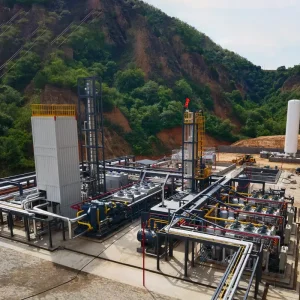
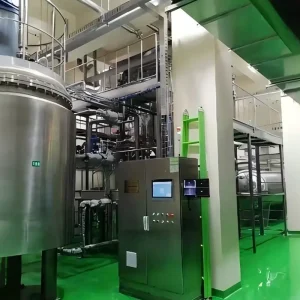
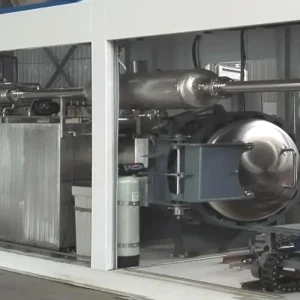
Explore our state-of-the-art compression vessels, liquefaction skids, and purification facilities designed for high-efficiency operation.
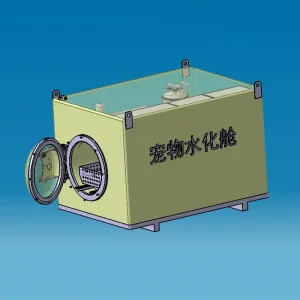
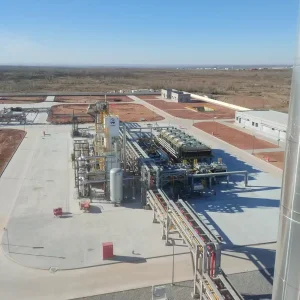
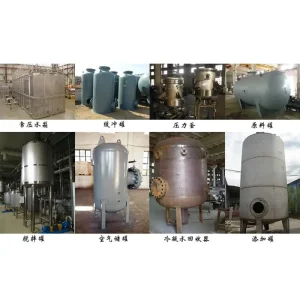
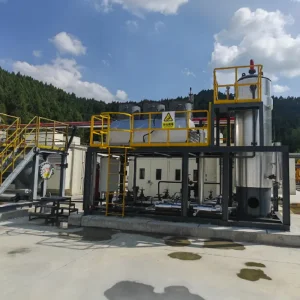
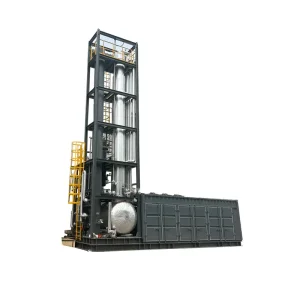
Hebei Hongke Qingneng Environmental Protection Equipment Co., Ltd. - A Pioneering Industrial Technology Entity
Established in June 2021 with a registered capital of 78 million yuan, Hebei Hongke Qingneng Environmental Protection Equipment Co., Ltd. is a modern manufacturing and research enterprise situated in the industrial corridor of the Sanhe Economic Development Zone, Langfang City. Our core mission addresses the industrial imperative of energy conservation, carbon mitigation, and biological containment safety through highly engineered hardware systems.
We specialized in the engineering, design, stress analysis, and production of Class A2 pressure vessels, medical waste high-temperature steam sterilization plants, bio-hazard animal tissue hydrolysis equipment, multi-stage volatile organic compound (VOC) exhaust treaters, cryo-refrigeration machines (-40℃ to -180℃), and helium extraction units from BOG (Boil-Off Gas). By implementing skid-mounted design methodologies, we offer global customers plug-and-play processes for methane purification, natural gas processing, and bio-containment management.
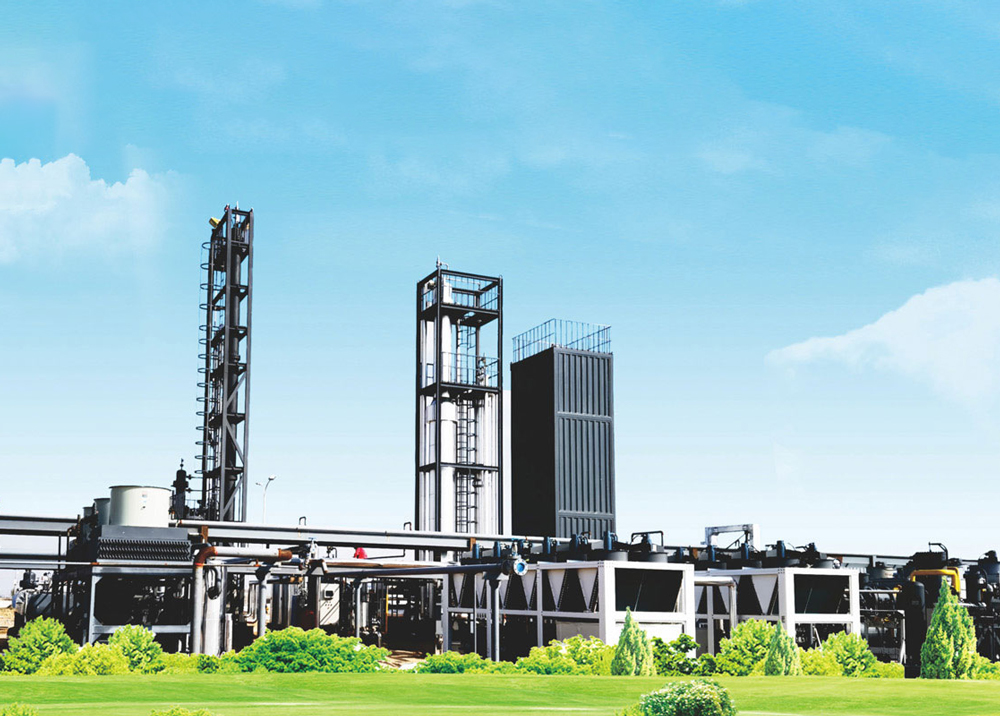
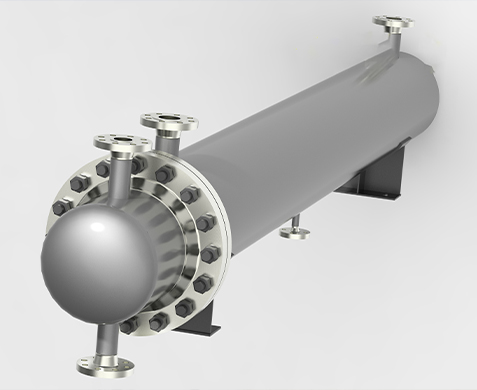
Non-standard Class A2 pressure vessels, shell-and-tube heat exchangers, and hot blast stoves built to ASME & GB specifications.
Turnkey processing systems for Shale Gas, CBM, and Natural Gas including deacidification, dehydration, and fractionated liquefaction.
High-temperature steam treatment for centralized medical waste, mobile disaster recovery vehicles, and animal carcass hydrolysis.
Deep-temperature cold traps (-135℃) and refrigeration loops (-40℃ to -180℃) alongside BOG helium recovery systems.
In petrochemical processing, natural gas refining, and bio-safety treatment, the containment boundary is the most critical safety system. A Top Compression Vessel functions at the absolute threshold of structural endurance, dealing with high operating pressures, extreme cryogenic or thermal ranges, and potentially corrosive process media. Designing and manufacturing these systems requires deep knowledge of mechanical physics, materials science, and fluid dynamics.
To assure long-term operation, high-quality factories rely on advanced finite element analysis (FEA) to simulate thermal shocks, cyclic pressures, and seismic stresses. Materials are selected based on strict criteria; low-temperature applications require high-impact nickel-alloy steels (like SA-333 or SA-353) or austenitic stainless steels (such as 304L/316L) to prevent low-temperature embrittlement. Conversely, high-temperature autoclaves for biological and chemical waste require high corrosion resistance and high yield strength at temperature.
China has become a major hub for high-quality pressure vessels. Factories located in industrial areas like Langfang utilize complete industrial clusters to shorten production lead times. Local sourcing of heavy metallurgical plates (such as certified carbon steels and high-alloy plates), combined with advanced domestic steel refining, reduces raw material costs. Furthermore, local manufacturers have scaled up specialized procedures such as submerged arc welding (SAW), automated tube-to-tubesheet orbital welding, and large-scale post-weld heat treatment (PWHT) furnaces. This allows us to deliver high-quality, customized systems at a competitive price point.
Developing advanced technologies in collaboration with China's leading research institutes
Our engineering team brings together researchers from Tsinghua University and the Institute of Physics and Chemistry Technology, Chinese Academy of Sciences (CAS). Over the years, the company has focused on developing skid-mounted liquefaction systems, low-temperature cryogenics, and bio-safety waste-handling facilities. We hold a number of independent intellectual property patents, and our designs are backed by practical field experience across several industrial projects in China.
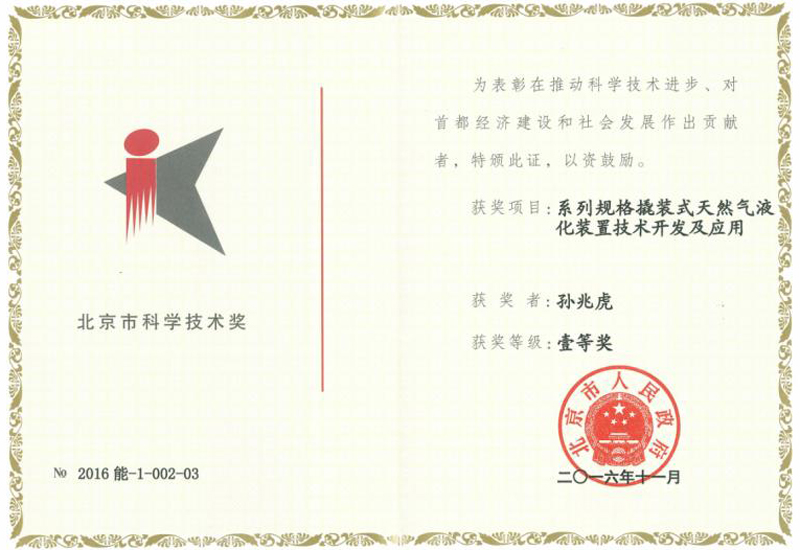
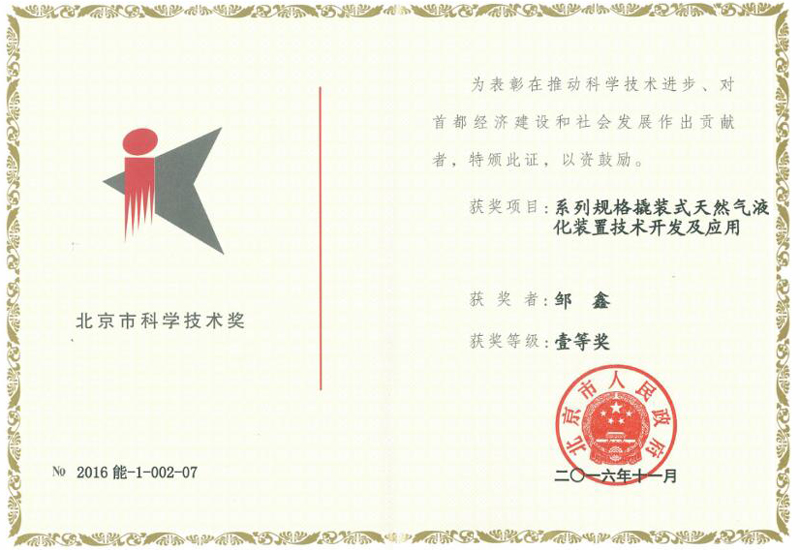
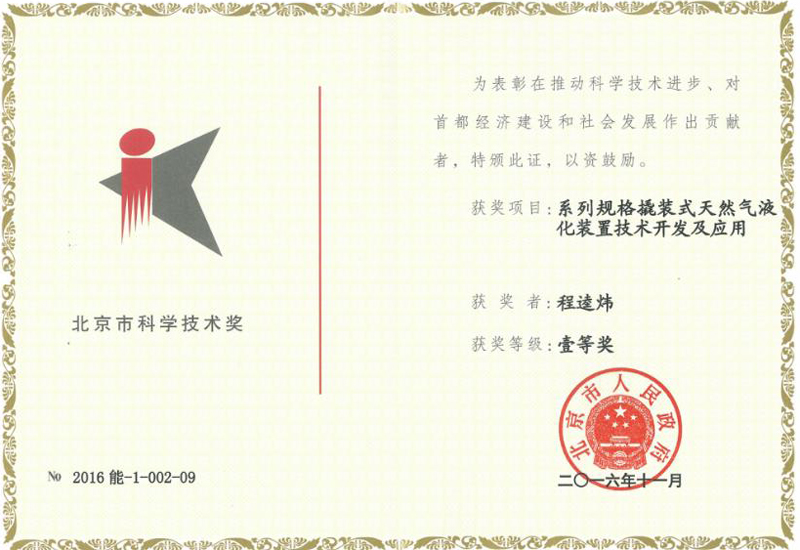
Holding a doctorate from the Institute of Physics and Chemistry Technology, CAS, Dr. Sun is a senior engineer who has led national high-technology initiatives including the National 863 Program and natural science funds. He has received the Beijing Science and Technology Award (First Prize, 2016) and the Chinese Society of Refrigeration Technological Invention Award (Special Prize, 2015). Under his guidance, the firm has developed more than 20 independent intellectual property portfolios.
A senior engineer from the Institute of Physics and Chemistry Technology, CAS, Zou Xin oversees company operations. He has managed several major science and technology initiatives under the "12th Five-Year Plan", published 24 academic papers (11 indexed in SCI/EI), and holds 5 patents. His honors include the Special Award of the 7th China Refrigeration Society Technological Invention Award and the Silver Medal of the 19th China International Industry Expo.
Dr. Cheng earned his engineering doctorate from the Institute of Physics and Chemistry Technology, CAS. He specializes in mixed-refrigerant thermodynamic cycle modeling and phase-change heat transfer characteristics under varying flow regimes. His technical research directly supported the development of our compact specification skid-mounted LNG liquefaction systems, which received the Special Prize from the Chinese Refrigeration Society.
Engineered products backed by industrial certifications and quality control procedures
We hold A2 level pressure vessel manufacturing licenses, pressure pipeline component manufacturing licenses, and high-tech enterprise certifications. We are also recognized as an official Langfang municipal R&D platform, confirming our focus on engineering quality.
Our quality systems are certified under GB/T19001-2016 / ISO 9001:2015. Additionally, we maintain Sinopec HSSE and China Petroleum Health, Safety, and Environment management system certifications to meet the standards of major petrochemical projects.
By combining our academic background with in-house manufacturing, we supply non-standard pressure vessels, heat exchangers, and cryogenic skids that are fully customized to the user's specific process conditions and footprint constraints.
Meeting the demands of energy processing, environmental recovery, and bio-containment worldwide
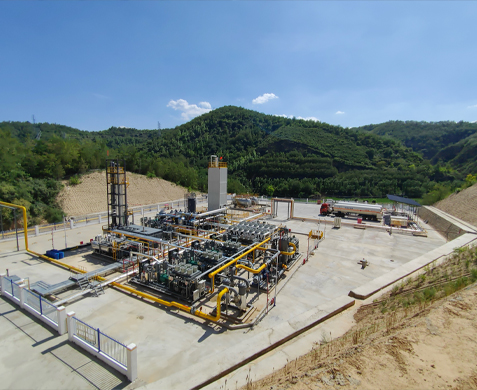
In distant gas fields, shale reservoirs, and coal-bed methane extraction sites, building large-scale pipeline systems is often economically unfeasible. Our mobile, skid-mounted natural gas liquefaction plants offer an efficient way to recover this scattered resource. The skid package includes pre-treatment purification loops (using amine-based acid gas scrubbing and molecular sieve dehydration towers) and a mixed refrigerant cycle (MRC) refrigeration box. By mounting all components on structural steel skids, the system can be deployed and commissioned quickly, turning remote gas assets into transportable LNG.
Industrial healthcare, municipal waste plants, and research facilities require reliable containment and disposal of bio-hazardous wastes. We build centralized high-temperature steam sterilizers and mobile, vehicle-mounted medical waste units. These systems use thermal steam processes to treat pathogenic contaminants at temperatures of 134°C and above under pressure, avoiding the emissions associated with traditional incineration. For animal husbandry and laboratory facilities, our high-temperature hydrolysis equipment offers a clean, reliable way to process animal carcasses, breaking down organic tissues into safe effluents.
Reducing hydrocarbon emissions is key to meeting environmental standards in the chemical and storage sectors. Our multi-stage VOC treatment systems use condensation, scrubbing, and carbon bed adsorption to recover volatile gases. By integrating high-efficiency heat exchangers and low-temperature chilling loops, these systems can recover valuable solvents from process tail gases, helping operators meet emissions standards while lowering operating costs.
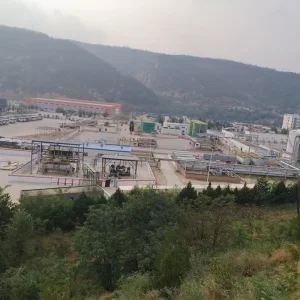
A showcase of some of our successful installations and environmental projects
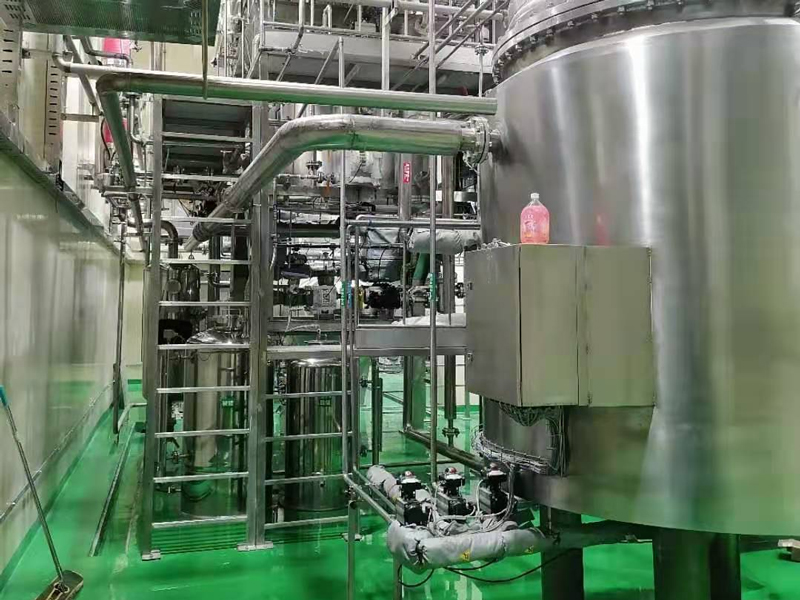
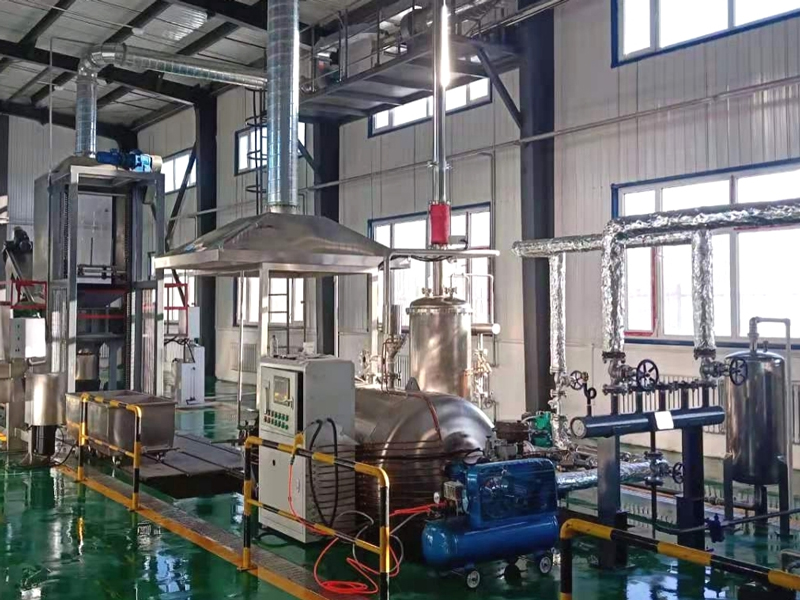
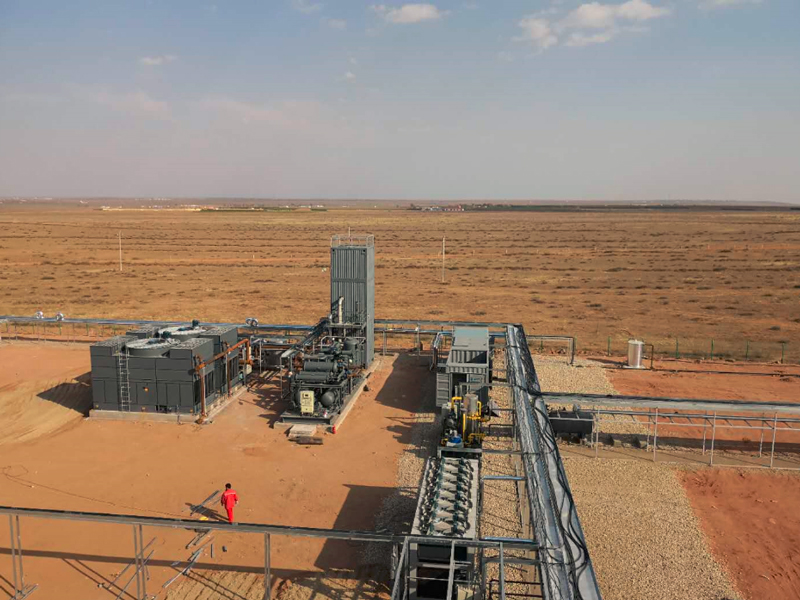
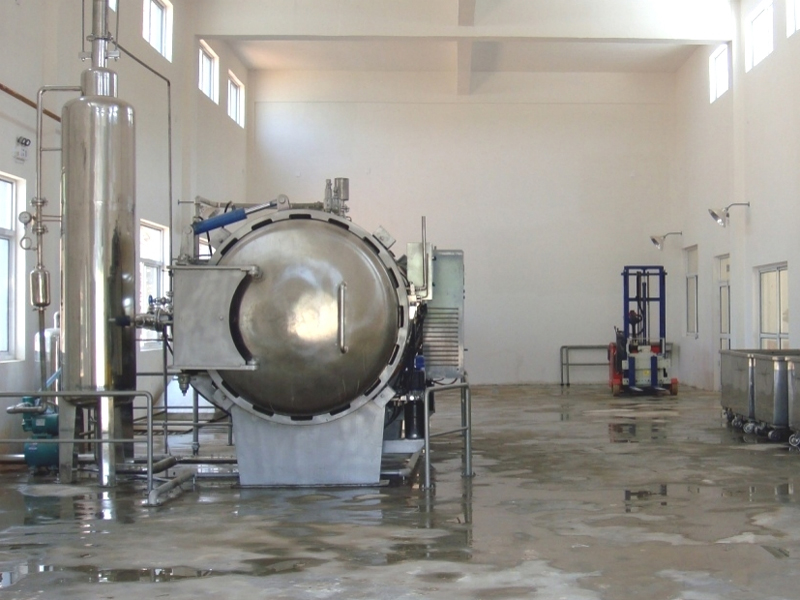
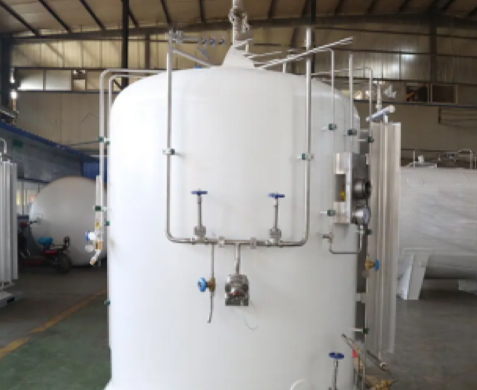
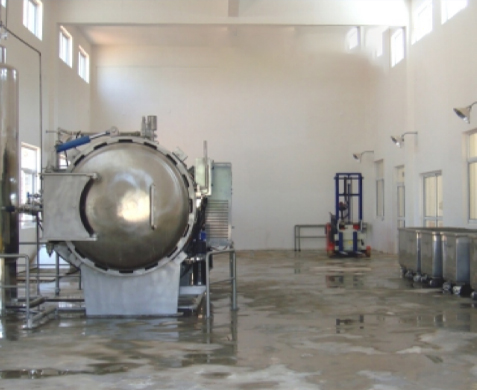




Streamlining cross-border compliance and project delivery for engineering companies
Global EPC contractors and chemical operators require strict adherence to design codes and quality records. From our Langfang facility, we work directly with client engineers to support the review of calculations, weld procedure specifications (WPS), and non-destructive examination (NDE) mappings. Our manufacturing team matches design requirements to ensure compliance across regional regulations.
We provide full design dossiers, which include Mill Test Reports (MTRs) for pressure-boundary steels, hydrostatic test records, radiographic testing (RT) records, and paint and coating dry film thickness (DFT) checks. Additionally, all skid designs undergo structural analysis to verify weight distribution and lift points, ensuring safe transport and crane lifting at the final installation site.
Technical responses regarding our design methods, materials, and customization options
Our pressure vessels are designed and built to GB150 (China's National Pressure Vessel Standard) and Class A2 manufacturing license requirements. We also offer customization to align with ASME Section VIII Division 1 guidelines. All pressure vessels undergo full quality control inspections, including hydrostatic testing, pneumatic leak testing, and 100% radiographic testing (RT) or ultrasonic testing (UT).
For cryogenic processes down to -196℃, we use austenitic stainless steels (such as 304L and 316L) to prevent low-temperature brittle fracture. Our design team, utilizing research from the Chinese Academy of Sciences, optimizes the mixed refrigerant cycle (MRC) and cryogenic heat exchangers to manage phase-change heat transfer, reducing energy consumption during the liquefaction process.
Our hydrolysis equipment uses high-temperature, high-pressure thermal processes or alkaline digestion to break down laboratory animal carcasses and organic tissues. By operating at elevated temperatures within a sealed vessel, the system breaks down proteins and neutralizes pathogens. This approach provides a safe, emission-free alternative to traditional incineration.
We supply multi-stage VOC purification systems tailored to the gas composition. These typically combine cryogenic condensation (to recover liquid hydrocarbons) with subsequent scrubbers and carbon bed adsorption. This multi-stage approach helps operators meet environmental limits while recovering solvents for reuse.
Explore our specialized medical waste, hydrolysis, and chemical exhaust treatment lines.