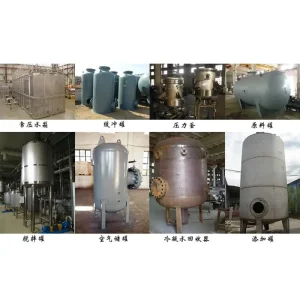
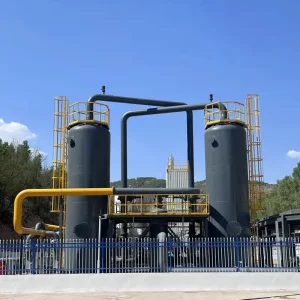
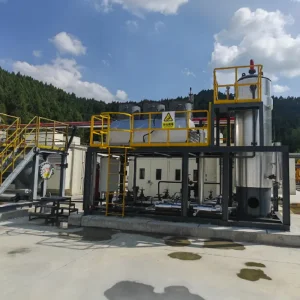
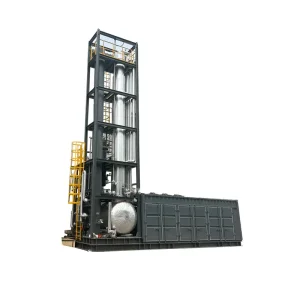
Explore our industrial-grade, custom-engineered skid systems designed for optimal hydrocarbon recovery, treatment, and dehydration.
An in-depth whitepaper on the technologies, thermodynamic cycles, and process design parameter matrices essential for deep moisture removal.
In midstream energy, petrochemical production, and hazardous waste treatment fields, the implementation of a high-performance industrial dehydration system is critical. Liquid water and moisture vapors carry severe thermodynamic and chemical risks. The presence of even minute traces of water in natural gas streams, feedstocks, or organic solvents can trigger the formation of solid clathrate hydrates, lead to severe pipe wall corrosion, and cause catastrophic structural blockages within cryogenic processing equipment.
To satisfy the strict standards of modern industrial operations, custom dehydration systems rely on two key principles: adsorption kinetics (solid desiccant processes) and condensation mechanics (absorption/refrigeration). At Hebei Hongke Qingneng Environmental Protection Equipment Co., Ltd., we design thermal-swing-adsorption (TSA) setups utilizing premium Synthetic Zeolite Molecular Sieves (primarily type 3A, 4A, and 13X matrices) that consistently reduce dew points to under -100°C (-148°F), achieving outlet water concentrations below 0.1 ppmv.
Technical Insight: Selecting the correct pore diameter for your desiccant is vital. In methane streams containing heavy hydrocarbons, 3A molecular sieves are preferred over 4A molecular sieves. The 3.0 Å pore size prevents co-adsorption of hydrocarbons, preserving maximum drying capacity for water molecules (2.6 Å).
Modern high-capacity dehydration processes generally use multiple adsorption vessels configured for alternating cycles. While one vessel actively processes the gas stream under high pressure and low temperature, the standby vessel undergoes thermal regeneration. This process is governed by two main thermodynamic modes:
Our industrial dehydration designs are tailored to handle challenging gas and waste treatment environments. We deliver optimized solutions across four core sectors:
Cryogenic LNG production requires the absolute removal of carbon dioxide (CO2), hydrogen sulfide (H2S), and water vapor (H2O) to prevent freezing inside heat exchangers. Our skid-mounted molecular sieve packages isolate acid gases and target moisture, ensuring consistent runtimes for liquefaction facilities.
Industrial emissions containing volatile organic compounds (VOCs) are treated using combined condensation-adsorption methods. Dehydration prevents ice formation during deep VOC condensation steps, enabling high-purity recovery and compliance with air pollution regulations.
Our specialized steam dehydration technologies are integrated into laboratory animal carcass hydrolyzers and medical waste processors. High-temperature steam sterilization is followed by efficient drying phases, reducing waste volume and ensuring biosafety compliance.
In extreme cooling loops, trace moisture can freeze and damage compressor systems. Our specialized drying equipment utilizes advanced desiccants to maintain dry conditions, supporting smooth operations in freeze-drying and BOG helium extraction.
Hebei Hongke Qingneng Environmental Protection Equipment Co., Ltd. was established in June 2021 with a registered capital of 78 million yuan. Headquartered within the industrial base of Sanhe Economic Development Zone, Langfang City, the company occupies a key position in the environmental protection and energy conservation equipment sector. We focus on the research, development, and production of custom industrial systems.
Our core capabilities span across the design and manufacturing of various pressure vessels, medical waste high-temperature steam treatment systems, animal tissue (residue) processors, biological wastewater (live toxic wastewater) neutralizing equipment, skid-mounted gas purification packages, coalbed methane/shale gas/natural gas treatment plants, VOC recovery systems, industrial refrigeration machinery, and BOG helium extraction units.
We work in collaboration with research institutes, including Tsinghua University and the Institute of Physics and Chemistry Technology, Chinese Academy of Sciences (CAS). This academic partnership ensures that our thermodynamics, flow characteristics, and process engineering models are rooted in solid scientific research. It enables us to bring theoretical advancements in gas purification directly to industrial applications.
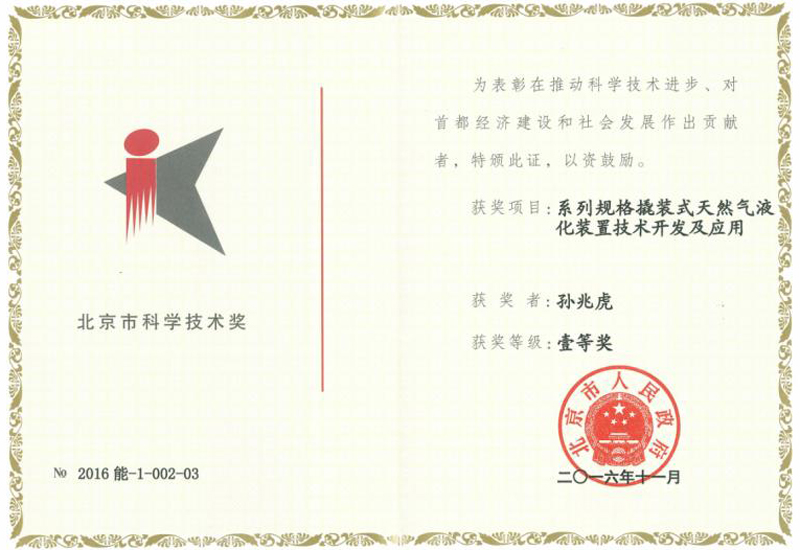
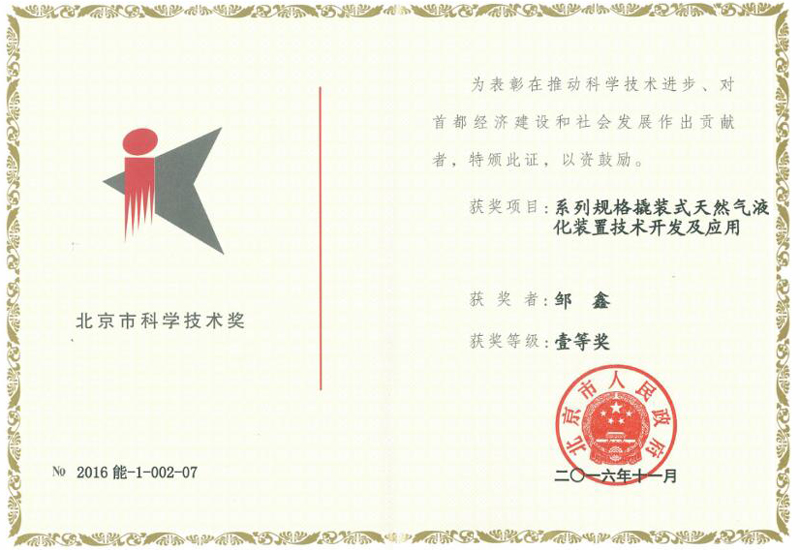
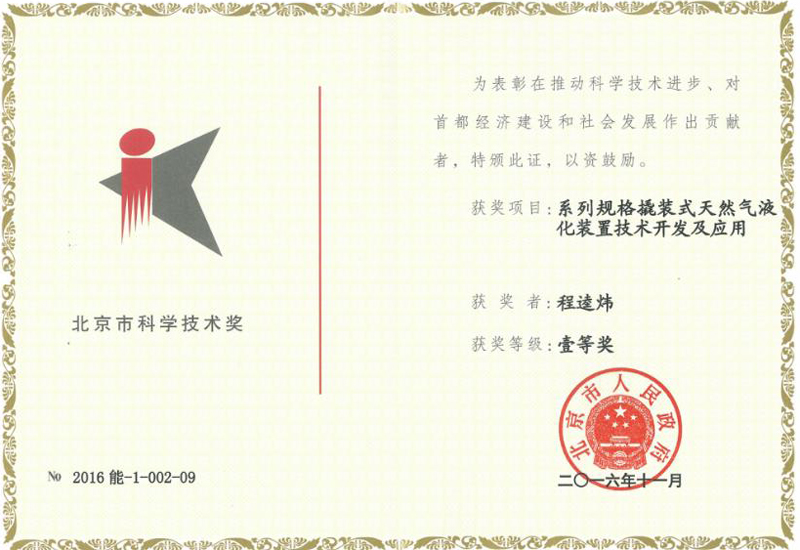
Our technical direction is guided by engineering experts with deep academic and industry experience:
Operating from Sanhe Economic Development Zone, our manufacturing facility utilizes digital process controls and modern supply chain integration. We offer distinct production advantages for global industrial projects:
Our quality system is verified by international and local industrial standard organizations, ensuring adherence to safety regulations:
Our systems are designed for high structural integrity and efficiency. By assembling piping, instrumentation, control systems (PLC/DCS), and mechanical components on a single rigid base frame, we achieve:
As industries shift toward low-carbon operations, dehydration systems must balance high purification levels with reduced energy usage. Our engineering roadmap focuses on three development areas:
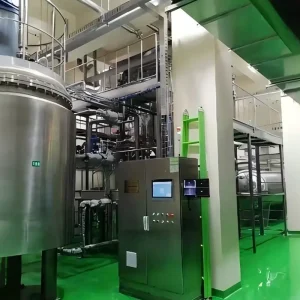
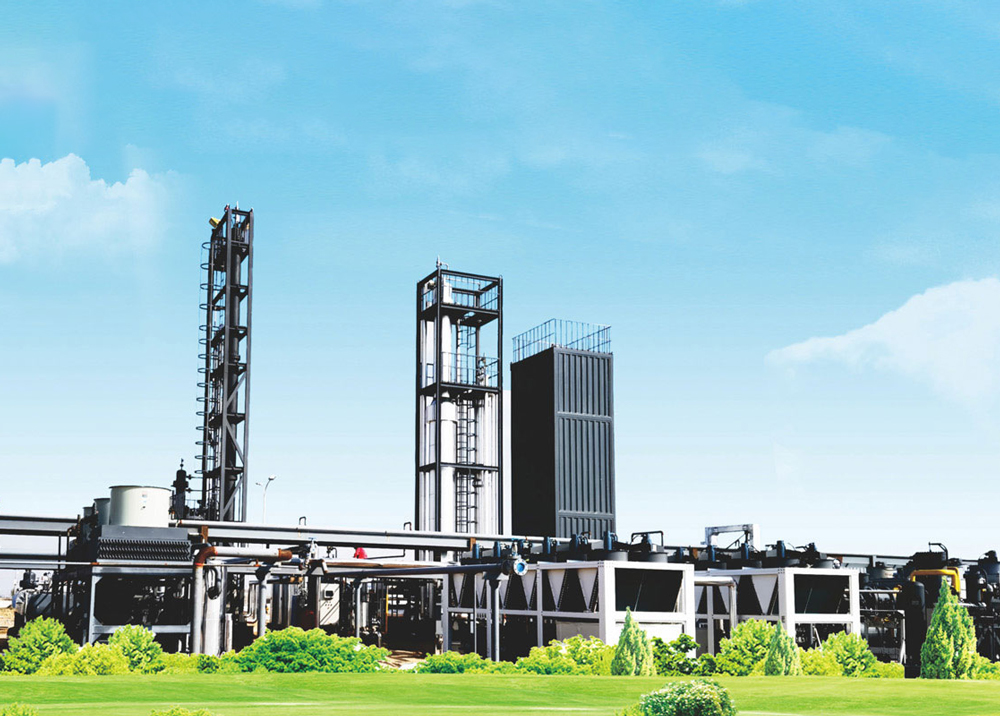
Real-world industrial installations showcasing our high-temperature sterilization, gas liquefaction, and bio-waste treatment systems.
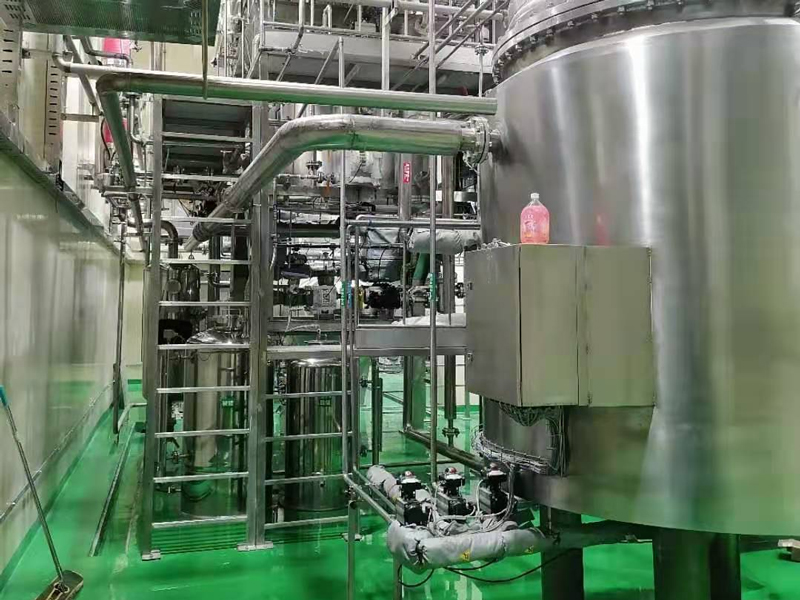
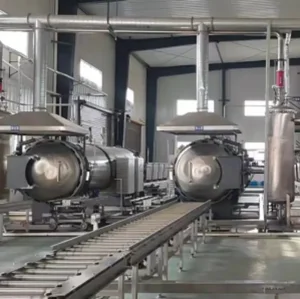
High-temperature thermal hydrolysis system designed for clean sterilization of research biological waste.
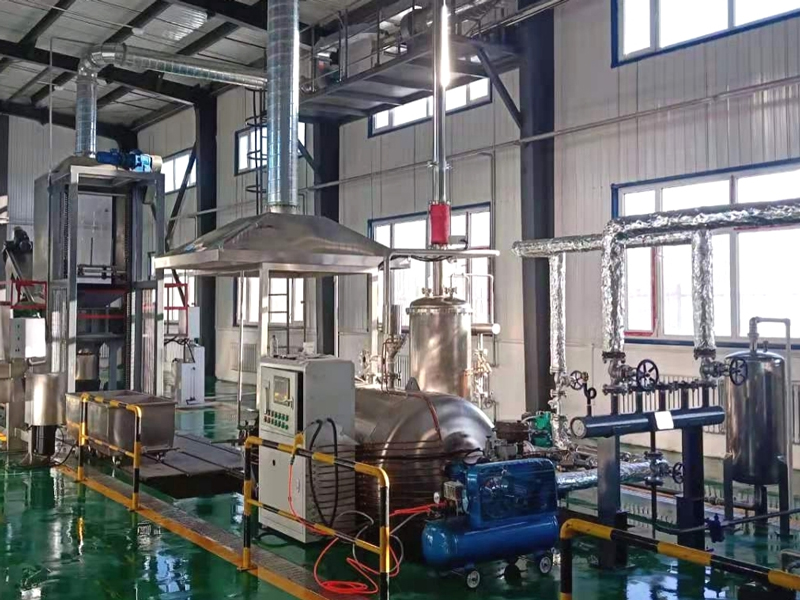
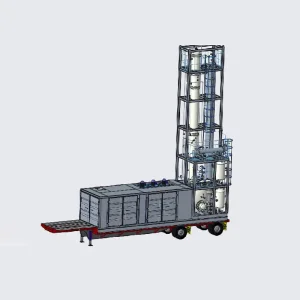
Trailer-mounted steam sterilizer designed for emergency response and remote site medical waste treatment.
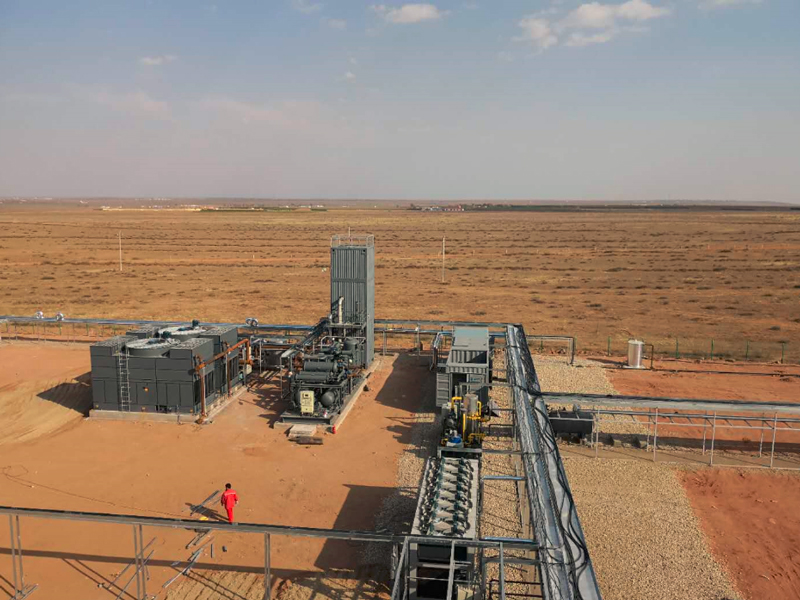
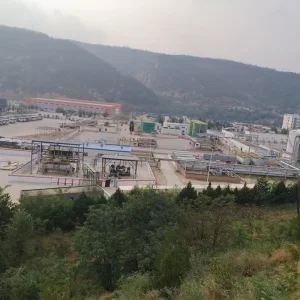
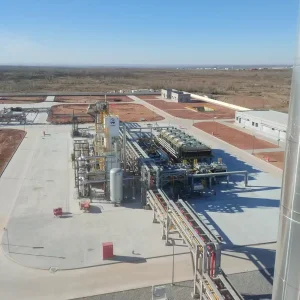
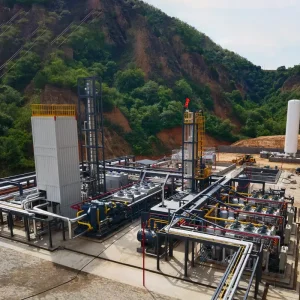
Skid-mounted gas treatment plant designed for processing scattered wellhead gas in challenging terrains.
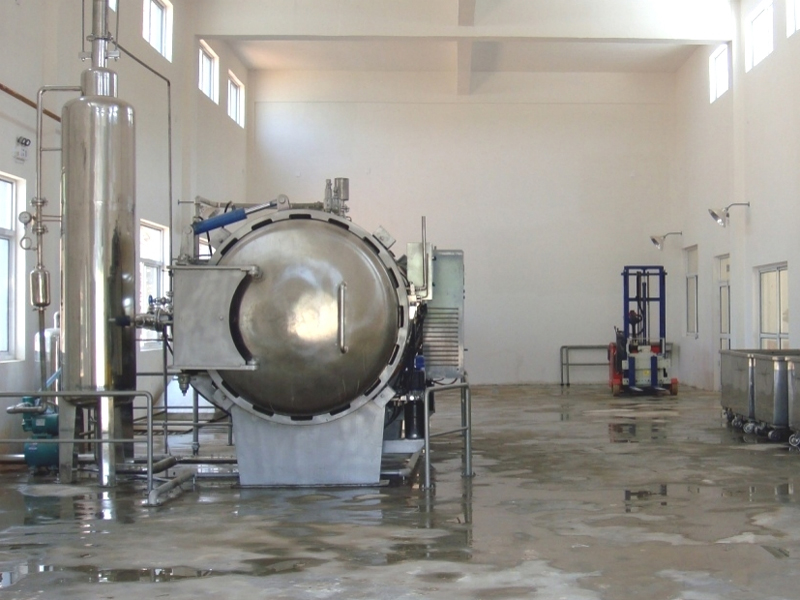
High-capacity steam autoclave systems utilizing vacuum drying cycles for municipal sanitation facilities.
Combining scientific research partnerships with professional pressure vessel manufacturing capability.

Our designs are developed in collaboration with researchers from Tsinghua University and the Institute of Physics and Chemistry Technology (CAS), resulting in a portfolio of independent intellectual property patents.

We hold the A2 level pressure vessel manufacturing license, pressure pipeline component manufacturing license, ISO9001 system certification, and Sinopec HSSE qualification, meeting international safety and quality standards.

Our gas purification and VOC treatment systems are designed to support air pollution prevention, resource conservation, and industrial emission reduction initiatives.
Common engineering and design questions regarding gas dehydration and purification technologies.
Submit your design specifications, raw gas compositions, and compliance requirements to our engineering team.
Our engineering team works with customers to design systems matching specific process conditions:
If you have any questions or require project budget estimates, please feel free to reach out to our team.
Complete process solutions for industrial gas drying, hydrocarbon recovery, environmental protection, and thermal waste processing.
 Hongke Qingneng