Explore our premium product portfolio designed for optimal heat transfer, structural integrity, and maximum operating lifecycle under extreme processing environments.
In modern hydrocarbon processing, biochemical synthesis, and environmental control systems, the pressure vessel serves as the structural heartbeat of the operations plant. As global regulations demand lower fugitive emissions, increased thermal efficiency, and zero-leak operations, the adoption of top heating methodologies in pressure vessels has become standard practice.
Top heating configurations differ substantially from traditional bottom-fired or lateral jacketed designs. By applying localized heat flux via dedicated top-entry elements, specialized internal baffles, and thermal siphoning mechanics, these vessels maintain highly uniform temperature profiles across the fluid phase. This prevents bottom sediment pyrolysis, avoids hotspots, and reduces the energy requirements of heavy-phase agitation systems.
Whether dealing with the liquefaction of shale gas, treatment of complex hazardous medical waste streams, or the processing of corrosive chemical bypass streams, understanding the structural mechanics, thermodynamic optimizations, and material behaviors under high temperature-pressure variables is critical to securing global supply lines.
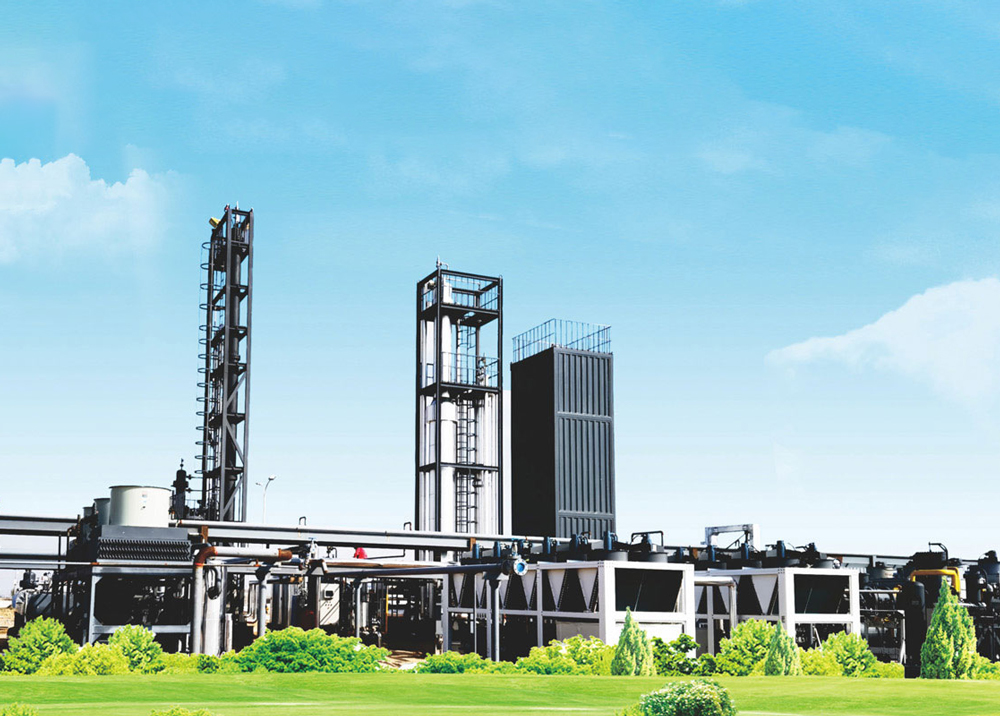
Combining academic research with advanced engineering to lead the global environmental and pressure vessel supply chain.
Our company harnesses deep intellectual partnerships with Tsinghua University and the Institute of Physics and Chemistry Technology, Chinese Academy of Sciences (CAS). In recent years, we have dedicated research resources to the advancement of thermal transfer mechanics, skid-mounted gas liquefaction devices, and biological risk mitigation systems, obtaining dozens of proprietary patents and securing strong field metrics in China.
We hold the A2 Level Pressure Vessel Manufacturing License and the Pressure Pipeline Component Manufacturing License. Additionally, our factories maintain strict compliance certifications, including GB/T19001-2016 Quality Management System, Sinopec HSSE, and China Petroleum Health, Safety and Environment Management System. We are also recognized as a high-tech enterprise and Langfang municipal R&D platform.
Industrial operations must balance throughput with ecological stewardship. Our state-of-the-art environmental equipment facilitates massive gas recovery, prevents critical VOC leaks, reduces carbon emissions, and ensures absolute safety in biomedical waste processing. We believe clean technology is a mandate, not an option.
Meet the Ph.D. founders and thermal science researchers shaping our technological breakthroughs.
Ph.D. from the Institute of Physics and Chemistry Technology, Chinese Academy of Sciences (CAS). Dr. Sun has led key National 863 Program projects, NSFC major projects, and aerospace initiatives. He won the First Prize of Science and Technology of the China Coal Industry, and the Special Prize of Technological Invention of the Chinese Society of Refrigeration. Over 20 independent R&D patents are actively commercialized under his leadership.
Ph.D. candidate and Senior Engineer at CAS. Zou Xin has directed commercial scaling and operational execution of Hongke Qingneng for years. With 24 academic papers (11 indexed in SCI/EI), 5 patents, and major awards from the Beijing Science and Technology Committee, he bridges pure science and robust, high-performance manufacturing logistics.
Doctor of Engineering from CAS. Dr. Cheng specializes in skid-mounted natural gas liquefaction systems, phase-change heat transfer optimization, and multicomponent working fluid behavior. Recipient of the 2016 First Prize of Science & Technology Award of Beijing, he manages thermodynamic calculation modeling and structural stresses inside high-temperature, high-pressure vessels.
International procurement agents and operations engineers evaluate pressure vessel manufacturers on three strict dimensions: compliance pedigree, structural adaptability, and operational reliability.
Standard "off-the-shelf" solutions frequently fail to address the specific density and corrosive elements present in shale and coalbed methane deposits. Modern global procurement mandates customized metallurgy (e.g., Duplex steel, hastelloy, high-nickel alloys), comprehensive third-party NDT certifications (RT, UT, MT, PT), and modular skid designs that dramatically reduce on-site structural assembly times in regions like North America, the Middle East, and Western Europe.
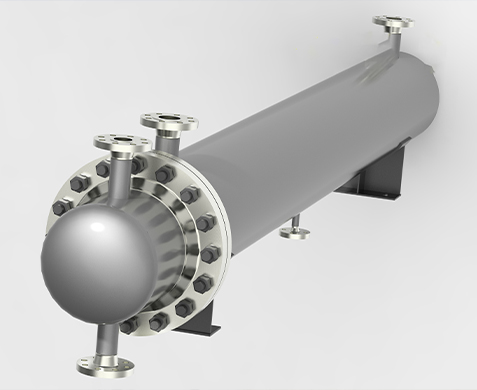
Hebei Hongke Qingneng leverages the geographic advantages of Langfang City within the Sanhe Economic Development Zone, adjacent to massive industrial, metallurgical, and component logistics clusters. By utilizing advanced automated welding gantries, smart plasma cutters, and automated heat treatment ovens, we deliver premium engineering quality at optimal cost structures.
Our localized vertical supply chain integration allows us to procure high-grade certified steel, industrial refrigeration compressors, custom electrical control skids, and valve manifolds rapidly. This minimizes procurement delays, ensuring global projects stay on track and under budget.
Discover how our pressure vessels and skid-mounted equipment operate across different industrial sectors.
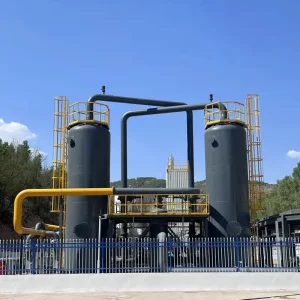
Skid-mounted deacidification, heavy hydrocarbon removal, and purification modules allow remote oilfields to harvest flare gas and monetize shale deposits safely.
High-temperature, high-pressure steam treatment vessels configured as centralized or mobile trailer systems, ensuring absolute biological containment and destruction of pathogens.
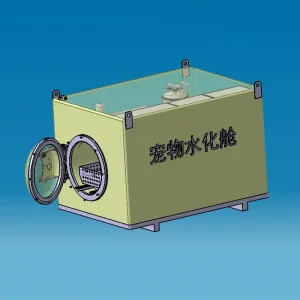
Providing high-temperature hydrolysis equipment for processing laboratory animal carcasses, rendering tissues harmless via pressurized alkaline hydrolysis.
Refrigeration systems achieving -40°C to -180°C ranges, supporting pharmaceutical freeze drying, industrial helium extraction (BOG tail gas), and VOC recovery lines.
View visual highlights from our completed engineering case studies across domestic and international regions.
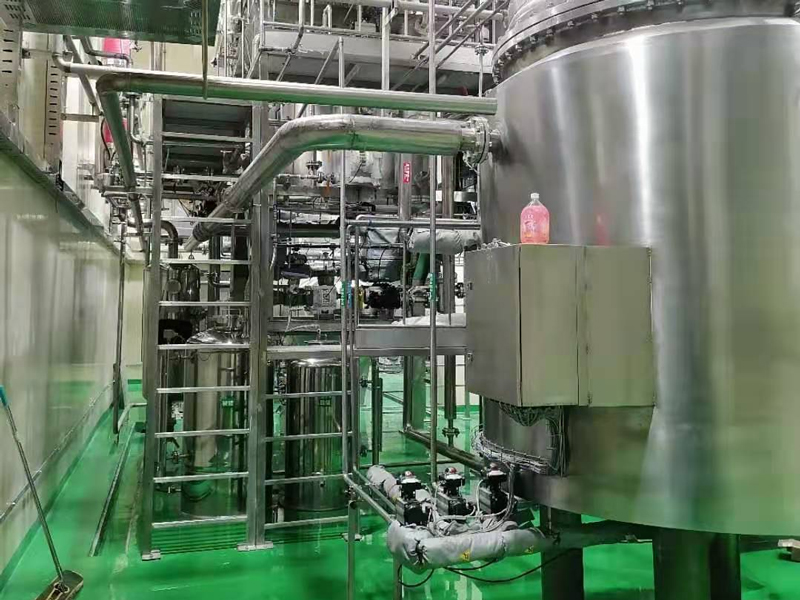
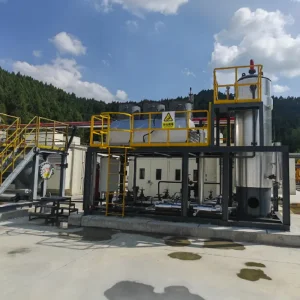
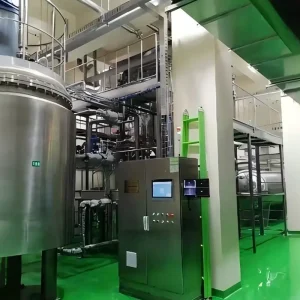
Complete biological safety system employing thermal hydrolysis under high pressure.

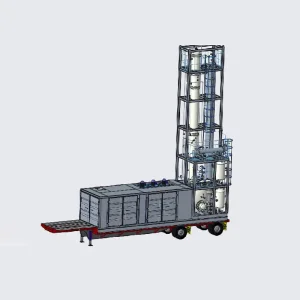
Trailed configuration for rapid emergency response and disinfection in remote zones.

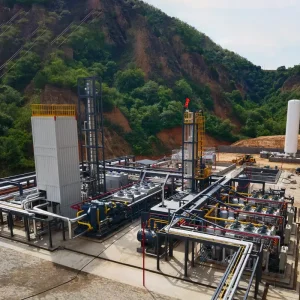
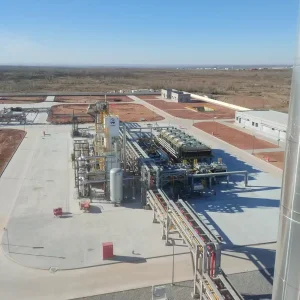
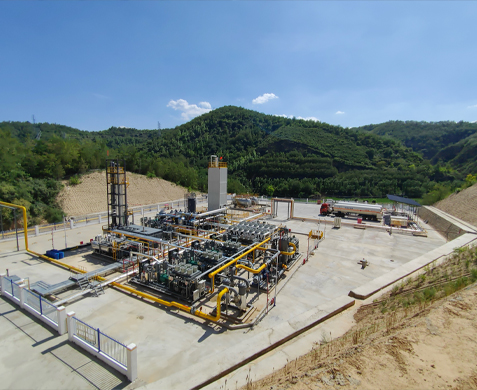
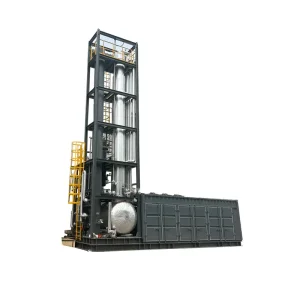
Skid-mounted gas extraction unit capturing pipeline-grade natural gas directly from the well.

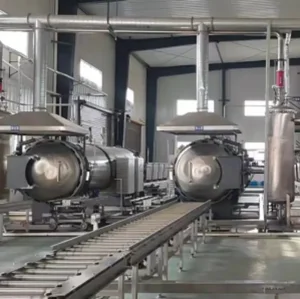
Large autoclave vessel systems for municipal medical waste sterilization.
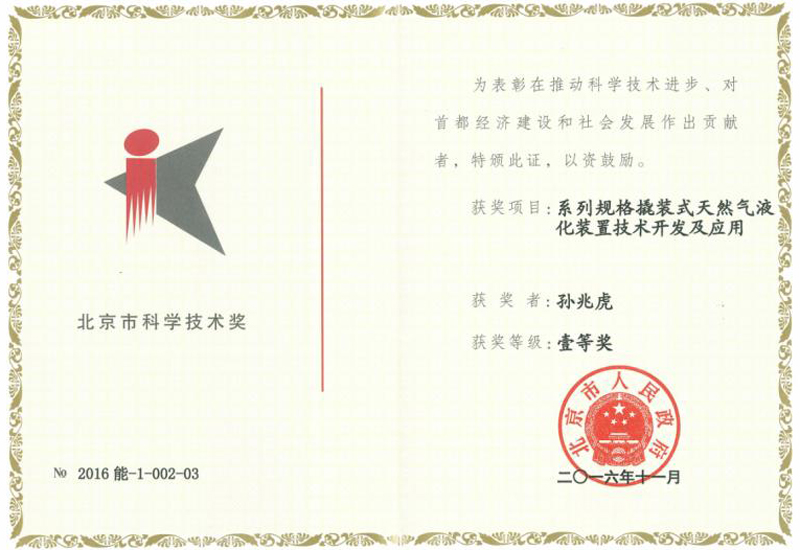
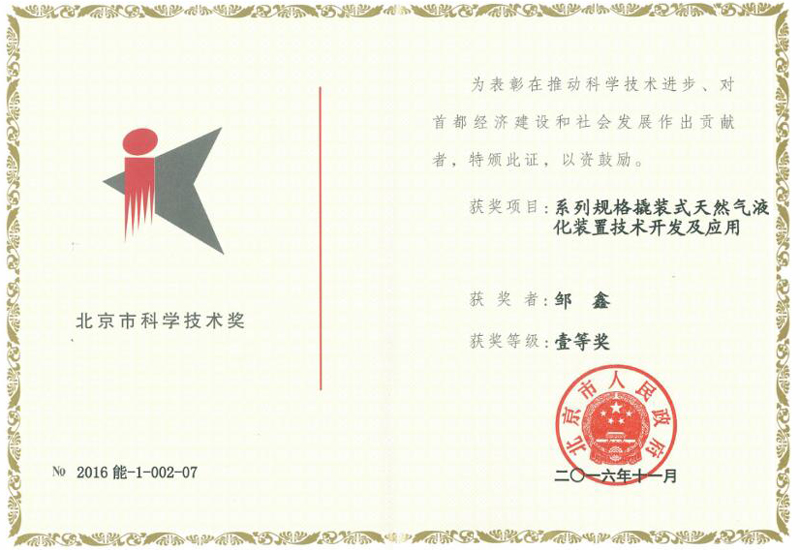
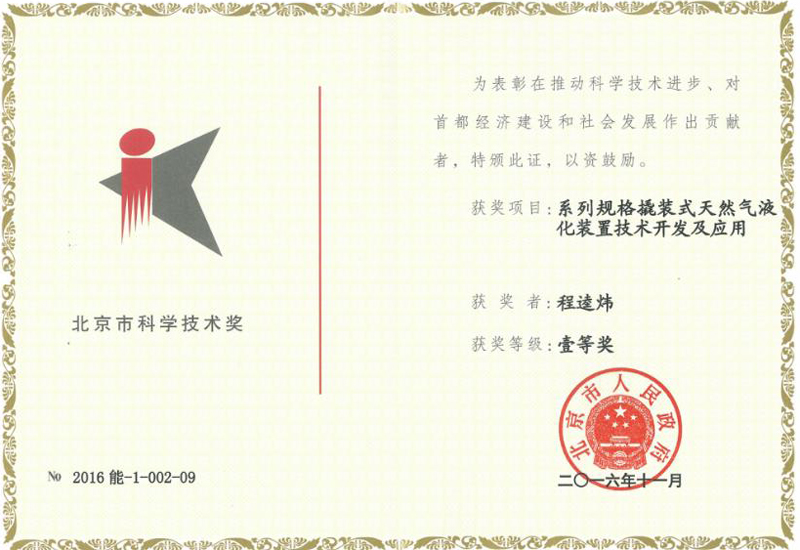
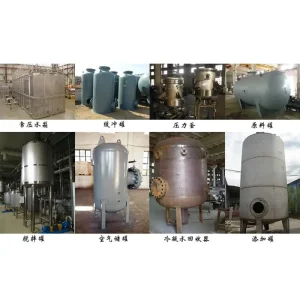
Comprehensive machinery divisions developed by Hongke Qingneng to serve specialized project sectors.




Comprehensive engineering insights regarding pressure vessel selection and deployment.
Top heating configurations are selected when fluid components within the vessel are highly sensitive to bottom pyrolysis, sedimentation, or localized hotspot degradation. By integrating thermal inputs at the upper vapor-liquid interface or through vertical thermowells, engineers utilize natural convection currents to distribute heat uniformly. Thermodynamic calculations, viscosity coefficients, and thermal sensitivity profiles of the target process fluid dictate the specific height, layout, and wattage of the heating assembly.
Under our A2 Level Pressure Vessel license, all raw materials undergo strict chemical testing and macroscopic inspections prior to fabrication. Automated SMAW, GTAW, and SAW processes are executed by certified high-pressure weld operators. Post-weld quality validation is performed using Non-Destructive Testing (NDT), including 100% radiographic (RT) and ultrasonic (UT) testing, followed by hydrostatic and hydrostatic pressure tests in dedicated containment rooms, satisfying GB and regional standards.
Skid-mounted arrangements consolidate components—including deacidification beds, heat exchangers, compressor piping, and control systems—onto single or double transportable steel structures. This format allows 98% of the assembly, wiring, and pressure validation to be performed under controlled factory conditions. As a result, field installation times are slashed by up to 75%, and overall risk factors on remote gas projects are minimized.
Our specialized multi-component refrigeration systems are designed to operate from -40°C down to cryogenic ranges of -180°C. These systems are used for volatile organic compound (VOC) condensation, BOG helium recovery systems, and biological pharmaceutical freeze drying. Thermal insulation chambers utilize custom high-vacuum multi-layer containment methods to minimize thermal energy infiltration.
High-temperature alkaline hydrolysis inside pressurized containment vessels breaks down proteins, pathogens, and infectious materials into sterile, aqueous residues. Unlike incinerators, our system operates completely closed, producing zero hazardous stack gas emissions, reducing operating energy costs, and eliminating harmful VOC release, which makes it highly suitable for research laboratory centers and modern veterinary facilities.
Explore our highly integrated equipment for gas extraction, hazardous waste treatment, and advanced VOC purifications.
 Hongke Qingneng