Explore our leading technical offerings, engineered for high-performance sterilization, purification, and energy resource recovery.
In the modern era of clinical medicine, biotechnology research, and global pandemic response, the management of hazardous biomedical waste has become a critical pillar of public health security. Traditional disposal methods, such as uncontrolled incineration, present substantial environmental challenges, releasing harmful dioxins and heavy metal pollutants into the atmosphere. The global shift toward eco-sustainable, high-efficiency autoclave sterilization represents a major milestone in thermal bio-decontamination.
As a leading authority in high-pressure vessel design and cryogenic engineering, Hebei Hongke Qingneng Environmental Protection Equipment Co., Ltd. specializes in manufacturing top-tier high-temperature steam medical waste treatment systems, laboratory animal tissue hydrolysis units, and gas purification equipment. Driven by academic collaboration and advanced thermodynamic research, we engineer scalable solutions that ensure complete pathogen eradication while minimizing energy consumption and carbon footprints.
"Effective biological containment relies on precise control of saturated steam pressure, temperature homogeneity, and reliable containment barriers. Our engineering philosophy bridges the gap between academic innovation and industrial-scale manufacturing."
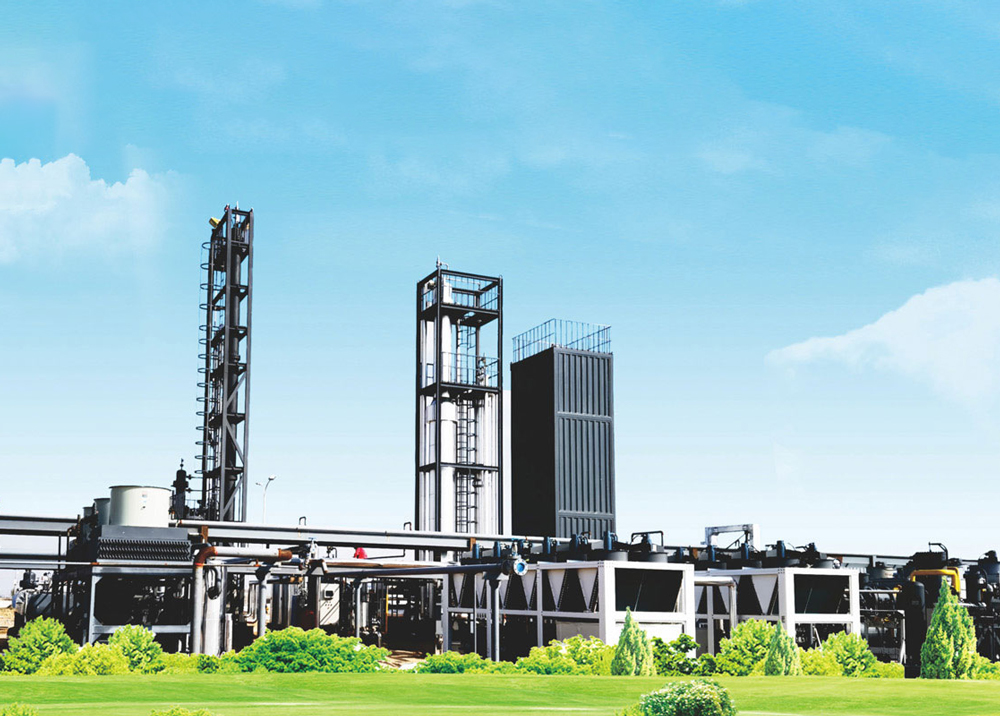
Established with a registered capital of 78 million yuan, our operations span advanced design, thermal testing, and pressure vessel fabrication.
Hebei Hongke Qingneng Environmental Protection Equipment Co., Ltd. was established in June 2021, with a registered capital of 78 million yuan. Located in the industrial base of Sanhe Economic Development Zone, Langfang City, Hebei Province, our facilities are equipped with state-of-the-art fabrication machinery, automated welding gantries, and comprehensive non-destructive testing (NDT) rooms. We focus on the R&D and manufacturing of energy conservation and environmental protection equipment, specializing in the design and manufacturing of various pressure vessels, medical waste high-temperature steam treatment equipment, animal tissue (residue) treatment equipment, biological wastewater (live toxic wastewater) treatment equipment, skid-mounted assembly of various equipment, coalbed methane/shale gas/natural gas purification and liquefaction, VOC treatment, chemical tail gas treatment, industrial refrigeration, BOG tail gas helium extraction, and other advanced environmental systems.
Registered Capital (RMB)
Pressure Vessel License
Skid-Mounted Systems Built
R&D Patents Issued
Our technologies are designed and verified by senior thermodynamic experts and research scientists from the Chinese Academy of Sciences.
Dr. Sun obtained his doctorate from the Institute of Physics and Chemistry Technology, Chinese Academy of Sciences (CAS), and holds the title of National Senior Engineer. He has presided over the National 863 Program, major Natural Science Foundation projects, aerospace and defense projects, and national science & technology special programs. His honors include the Excellent Young Paper Award (2007 Chinese Society of Engineering Thermophysics), First Prize of Science and Technology of China Coal Industry (2013), Special Prize of Technological Invention of Chinese Society of Refrigeration (2015), and the First Prize of Beijing Science and Technology Award (2016).
Zou Xin is a Ph.D. candidate and senior engineer from the Institute of Physics and Chemistry Technology, CAS. He has managed the market business, technical validation, and strategic operations of Hongke Qingneng for years. He has led major scientific research initiatives under the "12th Five-Year Plan" national major special projects, published 24 peer-reviewed academic papers (including 11 SCI/EI indexed papers), and authored 5 national invention patents. His research won the Beijing Science and Technology Award (First Prize) and the Silver Medal of the 19th China International Industry Expo.
Dr. Cheng holds a Doctor of Engineering from the Institute of Physics and Chemistry Technology, CAS. An expert in phase change heat transfer characteristics and mixed refrigerant thermodynamics, he developed the "Technology Development and Application of Skid-mounted Natural Gas Liquefaction Unit with Series of Specifications." He has decades of experience combining fundamental research with practical engineering, leading the process design and structural optimization for multiple medical waste autoclave projects, gas plants, and high-pressure chemical systems.
We build our products to meet the most stringent safety certifications and environmental standards in the world.
Our close collaboration with Tsinghua University and the Institute of Physics and Chemistry Technology, Chinese Academy of Sciences, enables us to incorporate thermodynamic principles into our heat exchanger designs, steam generation systems, and low-temperature refrigeration systems.
We possess the class A2 level pressure vessel manufacturing license and pressure piping component manufacturing license. Our facility meets GB/T19001-2016 Quality Management Standards, Sinopec HSSE, and China Petroleum Health, Safety and Environment Management System standards.
Our environmental and energy solutions support national air pollution control, carbon neutrality, and resource conservation efforts. By replacing fossil-fired waste treatment systems with energy-efficient autoclaves and gas recovery equipment, we help clean energy initiatives globally.
Through our advanced manufacturing facility, we serve clients in environmental protection, energy recovery, and industrial cryogenics.
Saturated steam sterilization is an effective method for destroying microbial pathogens, viruses, and heat-resistant bacterial spores (such as Geobacillus stearothermophilus). The process utilizes latent heat transfer; as steam condenses on cooler waste materials, it releases heat that denatures structural proteins and enzymes. To achieve sterilization, the system must maintain a temperature of 134°C (273.2°F) under a saturated pressure of 0.22 MPa for a minimum holding time of 45 minutes (or 121°C at 0.11 MPa for 60 minutes), depending on the load density and regulatory guidelines.
Our sterilization chambers are constructed from premium Grade 304 or 316L stainless steel, designed to withstand cyclical pressure shifts and chemical exposure. Internal steam jackets and vacuum systems remove air pockets, ensuring steam penetrates dense waste bags, hollow tubing, and sharps containers.
For international buyers, selecting a medical waste sterilizer requires alignment with international engineering and health standards:
China's industrial infrastructure offers several advantages for international procurement teams looking for custom engineering solutions:
Different installation sites present unique spatial and operational challenges. We address these needs through localized engineering adaptions:
The medical waste treatment industry is adopting new technologies to improve safety and sustainability:
Our systems have been deployed across diverse municipal, clinical, and energy sectors.
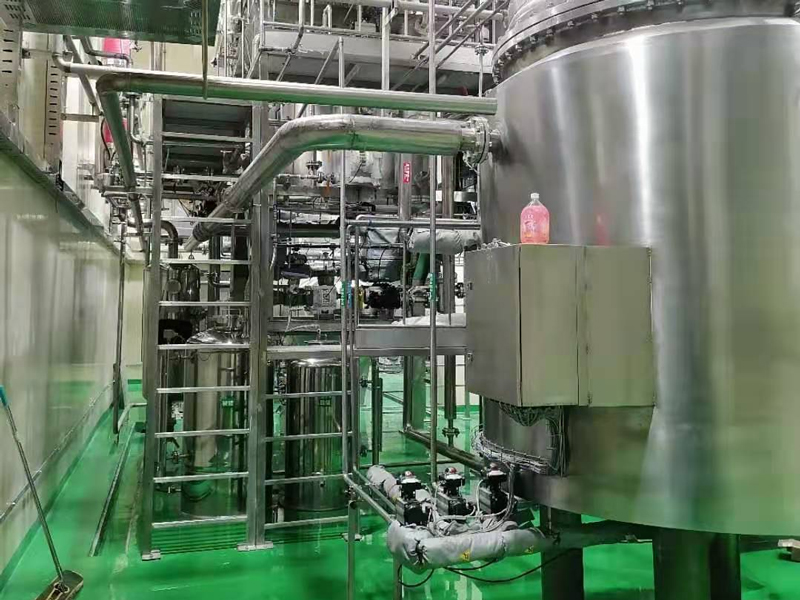
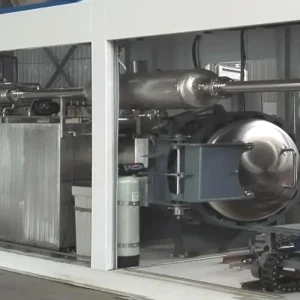
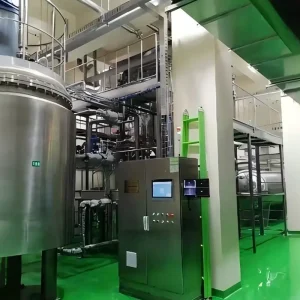
Designed and built for a high-containment university research lab. Features automated alkaline hydrolysis and biological effluent neutralization prior to municipal discharge.
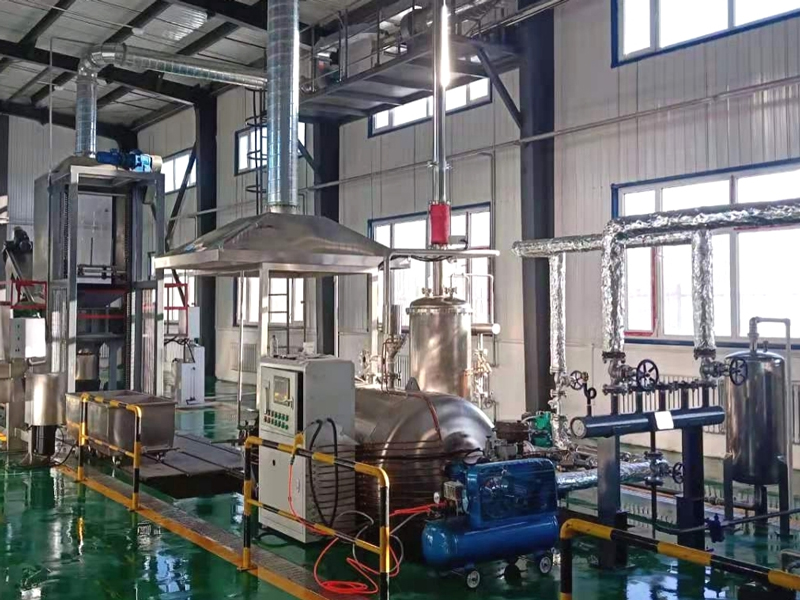
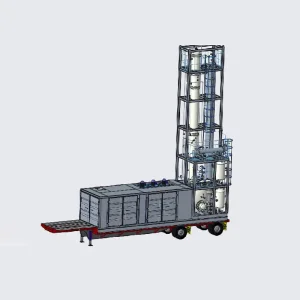
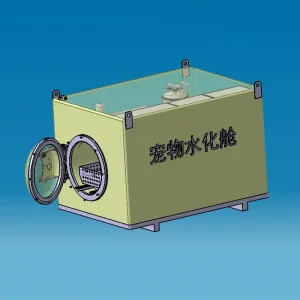
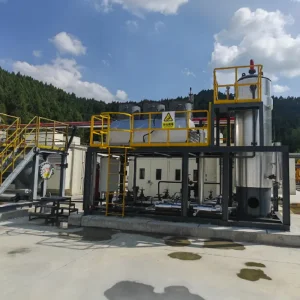
A skid-mounted, containerized high-temperature steam sterilization system. Deployed for regional emergency health networks and remote military medical bases.
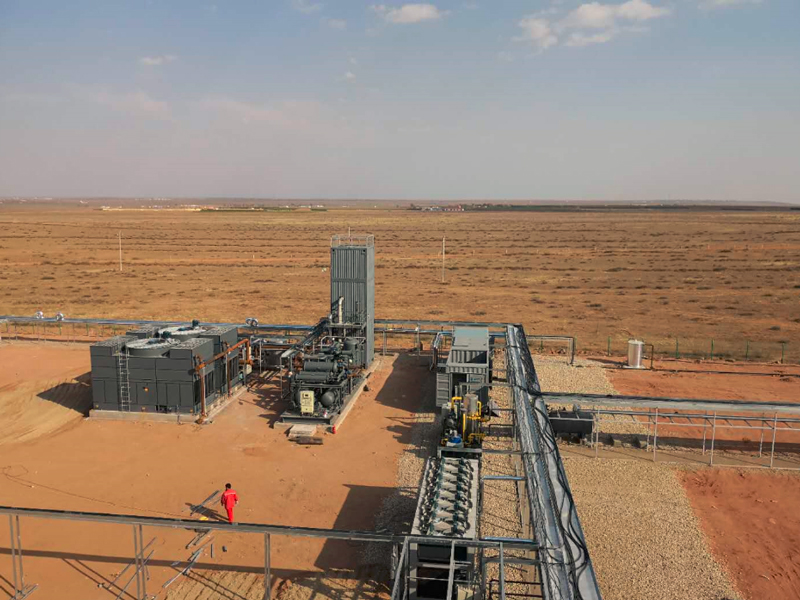
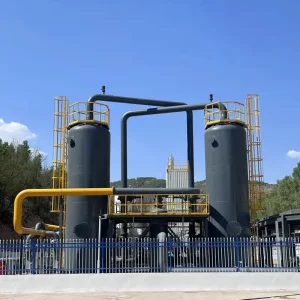
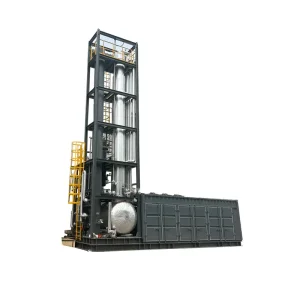
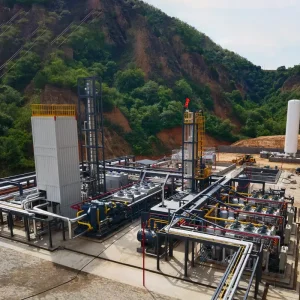
Industrial-scale skid-mounted installation capturing methane emissions from stranded wells. Features cryogenic separation and mixed refrigerant liquefaction.
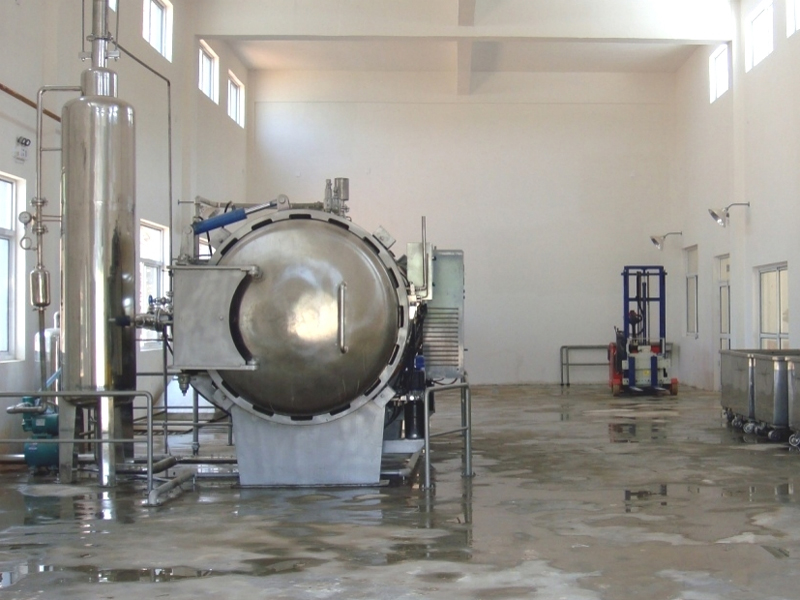
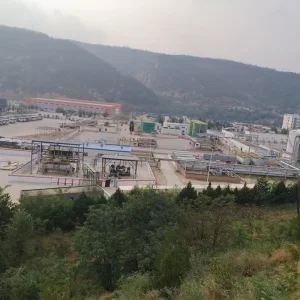
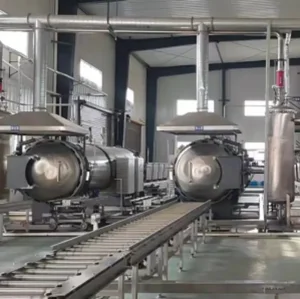
A multi-ton automated sterilization plant serving a major municipality. Integrates heavy pre-shredding, steam heat recovery, and automated loading systems.
Find answers to common questions about pressure vessel standards, sterilization times, and custom installation requirements.
High-temperature steam sterilization does not generate toxic emissions such as dioxins, furans, or heavy metal ash. It operates on electricity and steam, making it cleaner and easier to permit in urban environments. It also reduces volume by up to 80% when paired with a shredder, while lowering overall operating costs.
Yes. As an A2-rated pressure vessel manufacturer, our engineering team designs and fabricates systems to satisfy both Chinese GB standards and major international codes, including ASME Section VIII Division 1 and the European Pressure Equipment Directive (PED). We supply all required manufacturing documentation, material test reports, and non-destructive testing (NDT) records.
Our alkaline hydrolysis systems utilize an aqueous solution of sodium or potassium hydroxide under heat and pressure (typically 150°C and 0.4 MPa). This process accelerates the natural decomposition of organic tissue, breaking proteins down into sterile amino acids and peptides. The remaining bone residue is easily crushed into sterile calcium phosphate, providing a biosecure alternative to traditional cremation.
Yes. During the initial air evacuation phase of the autoclave cycle, the vented air may contain odors and volatile organic compounds (VOCs). Our systems route this exhaust stream through a condensation system, HEPA filtration, and activated carbon scrubbers. For chemical applications, we construct custom multi-stage VOC purification systems to meet local emission limits.
All of our large-scale medical waste sterilizers and gas purification plants are constructed as skid-mounted systems. They are pre-wired, pre-piped, and fully tested at our Langfang facility before shipment. For installation, we provide complete engineering drawings, piping layouts, and remote commissioning support. We can also dispatch technical teams to handle site installation, start-up, and operator training.
View our additional range of pressure vessels, LNG systems, and custom purification plants built to global standards.
Whether you require custom ASME pressure vessels, centralized hospital autoclaves, or skid-mounted LNG equipment, our CAS-backed engineering team is ready to design and manufacture your system.
Submit Technical Inquiry Hongke Qingneng