Explore our leading industrial skid-mounted plants, engineered to minimize carbon footprints and maximize hydrocarbon recovery.
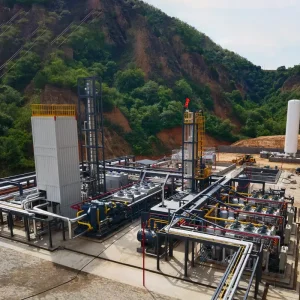
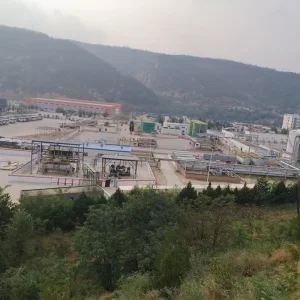
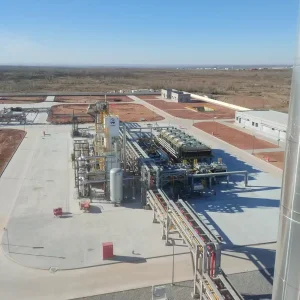
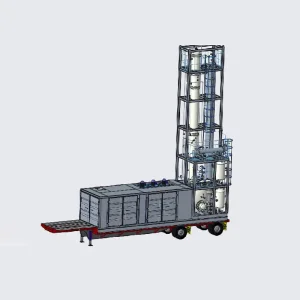
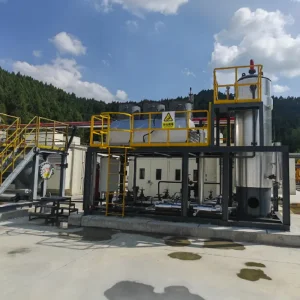
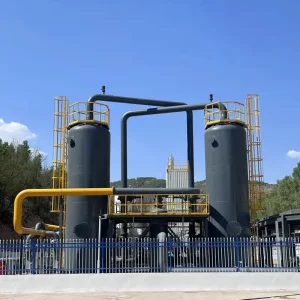
Modern industrial markets demand unmatched precision in gas separation, waste sterilization, and environmental mitigation. The global shift toward decarbonization has accelerated the necessity for high-efficiency top separation systems. Energy developers and chemical processors require infrastructure that minimizes volatile organic compounds (VOCs) and processes complex multi-component hydrocarbon streams.
From recovery systems targeting Coalbed Methane (CBM) to skid-mounted helium extraction (BOG) and high-temperature waste disinfection systems, modern processing plants must balance thermal efficiency with modular, deployable configurations. Hebei Hongke Qingneng Environmental Protection Equipment Co., Ltd. sits at the intersection of academic refrigeration science and field-ready industrial manufacturing, delivering scalable skid-mounted architectures worldwide.
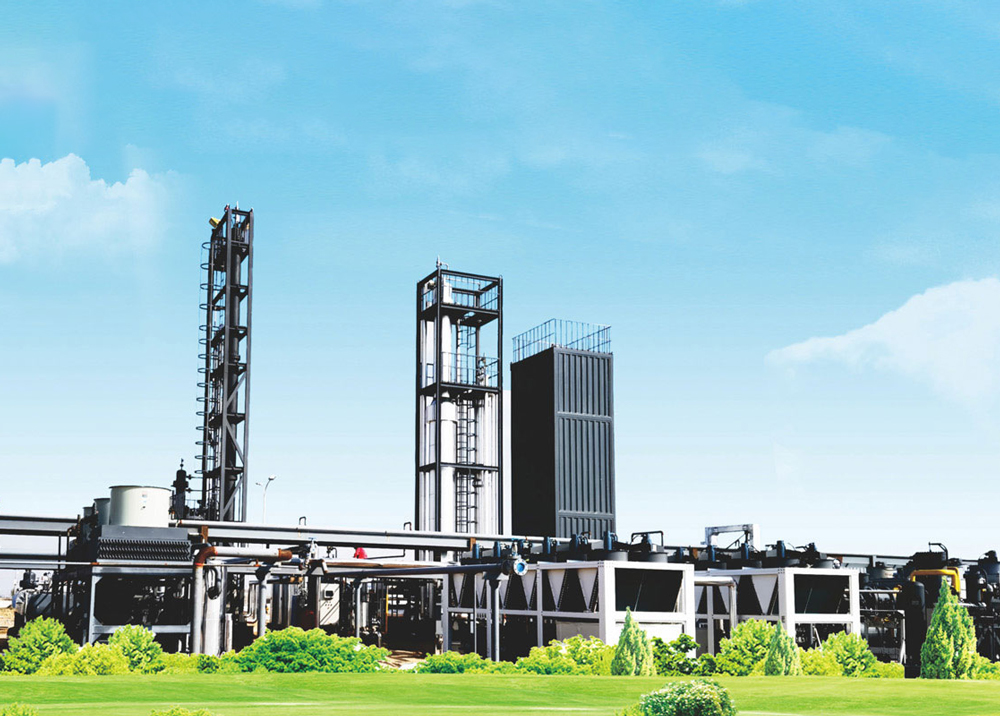
Pioneering scientific partnerships with Tsinghua University and the Chinese Academy of Sciences.
Established in June 2021 within the Sanhe Economic Development Zone, Langfang City, Hebei Hongke Qingneng Environmental Protection Equipment Co., Ltd. specializes in the R&D and manufacturing of energy conservation and environmental protection systems. Backed by independent intellectual property, we provide one-stop, turnkey solutions covering pressure vessel engineering, hazardous bio-waste sterilization, industrial refrigeration (-40℃ to -180℃), and custom gas liquefaction systems.
Founder & Chairman | PhD from the Institute of Physics and Chemistry Technology, CAS
A national senior engineer who has spearheaded multiple prestigious initiatives including the National 863 Program, Aerospace and Military projects, and Major Knowledge Innovation Projects of the Chinese Academy of Sciences (CAS). His honors include the First Prize of Science and Technology of China Coal Industry (2013), Special Prize of Technological Invention of the Chinese Society of Refrigeration (2015), and the First Prize of the Beijing Science and Technology Award (2016). He has engineered over 50 sets of small-scale skid-mounted liquefaction systems in active use across critical infrastructure projects.
General Manager & PhD Candidate | Senior Engineer, Institute of Physics and Chemistry Technology, CAS
Directing operational expansion and compliance, Zou Xin has managed high-stakes scientific undertakings including the "12th Five-Year Plan" National Major Science & Technology special projects. An author of 24 international and domestic academic papers (11 indexed by SCI/EI) and owner of 5 national invention patents, Zou Xin was awarded the Special Award of the 7th China Refrigeration Society Technological Invention Award and the Silver Medal of the 19th China International Industry Expo.
Chief Engineer | Doctor of Engineering, Institute of Physics and Chemistry Technology, CAS
An expert in thermodynamic mixed-refrigerant process configurations and phase-change heat transfer, Dr. Cheng developed the groundbreaking "Technology Development and Application of Skid-mounted Natural Gas Liquefaction Unit with Series of Specifications." His theoretical and practical advancements in mixed-working fluid flow dynamics secured the Special Prize of the Science and Technology Award of the Chinese Refrigeration Society and the First Prize of the Beijing Science and Technology Award.
Combining technological ingenuity, verified safety credentials, and environmental stewardship.
Collaborative research pipelines with Tsinghua University and the Chinese Academy of Sciences keep our R&D at the forefront of thermodynamic technology. Our proprietary cryogenic and phase-change designs maximize energy efficiency and operational reliability in the field.
Equipped with official A2 level pressure vessel manufacturing licenses and pressure pipeline component manufacturing permits. Our production lines conform to GB/T19001-2016 (ISO 9001), Sinopec HSSE, and China Petroleum (CNPC) Health, Safety, and Environment Management standards.
We build our technologies with global decarbonization goals in mind. By capturing flared gases, purifying VOCs, and extracting high-value helium from tail gas, we help industrial complexes lower their net carbon footprint and meet strict local emissions codes.
Custom engineering across environmental processing, cryogenic natural gas fields, and non-standard fabrication.

• Centralized medical waste steam systems
• Mobile waste treatment skids
• Harmless animal tissue (residue) processors
• Toxic biological wastewater autoclaves

• Skid-mounted LNG units for associated gas
• Deacidification, dehydration, and heavy hydrocarbon removal
• Small to mid-scale liquefaction plants
• BOG helium extraction systems

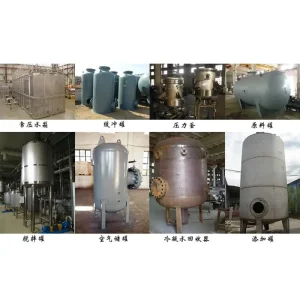
• A2 class custom pressure vessels
• High-performance shell and tube heat exchangers
• Custom hot air furnaces
• Multi-functional thermodynamic test benches

• Ultra-low temp chillers (-40℃ to -180℃)
• Industrial freeze dryers (-70℃ to -100℃)
• High-capacity vacuum cold traps (-135℃)
• Cascade refrigeration process design
High-capacity environmental protection systems and LNG projects designed and built to strict regulatory standards.
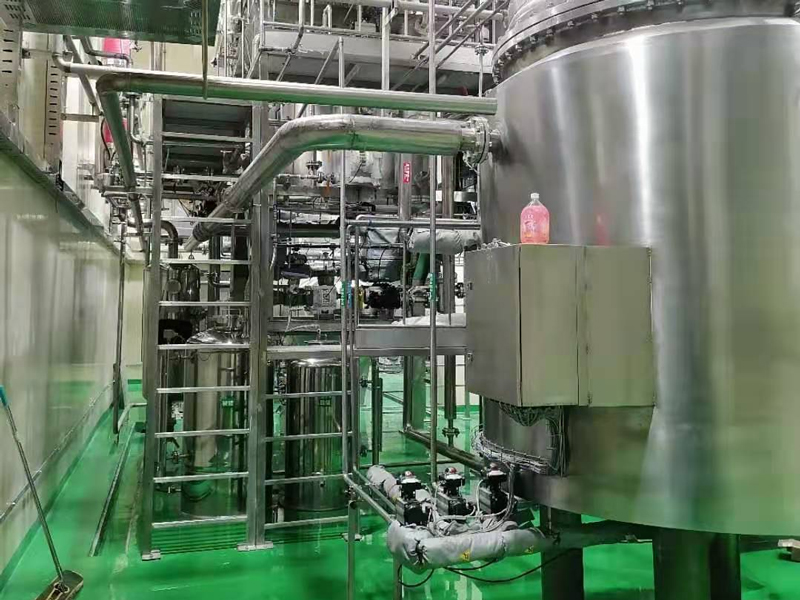
Complete high-temperature hydrolysis system engineered for university research facilities and bio-safety centers.
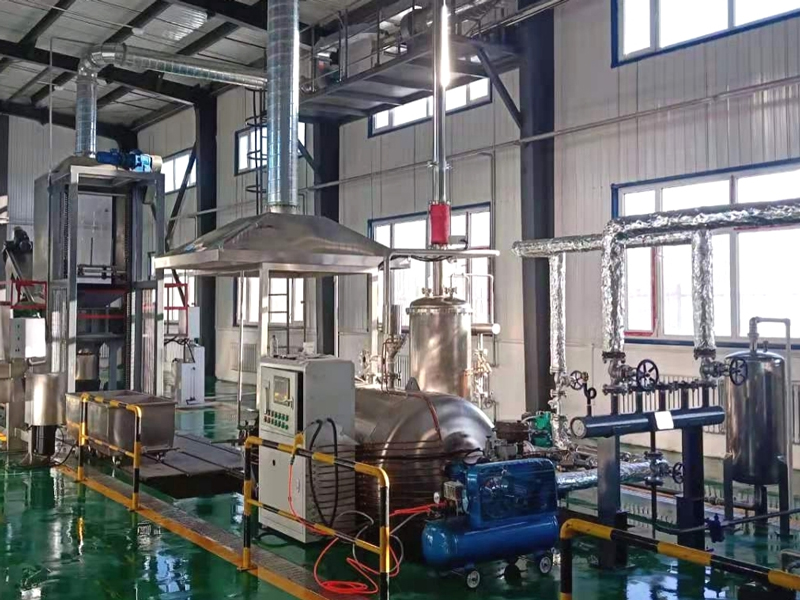
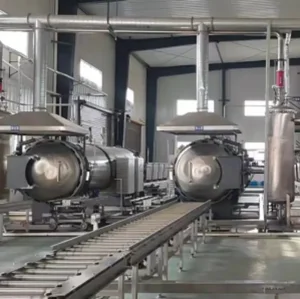
A containerized, self-powered autoclave system designed to process medical waste on-site in remote regions.
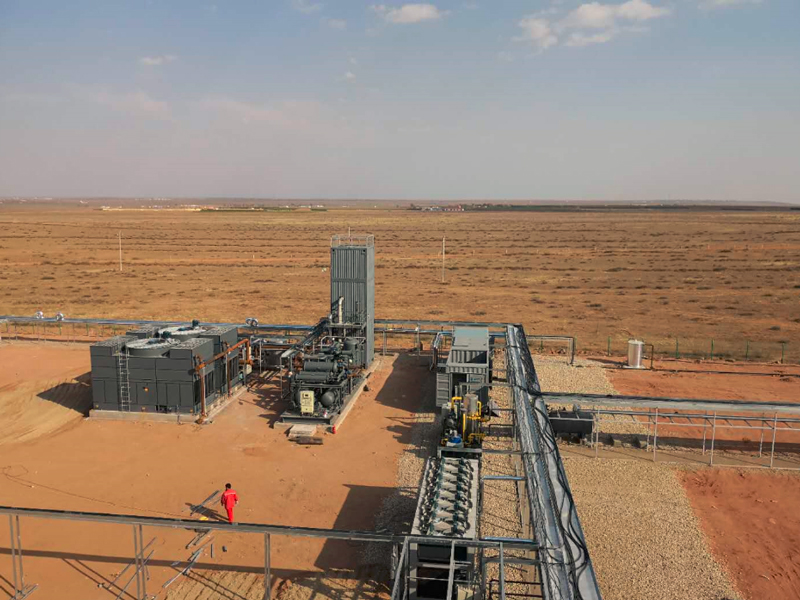
Designed and built to capture and liquefy isolated wellhead gas, reducing flaring emissions.
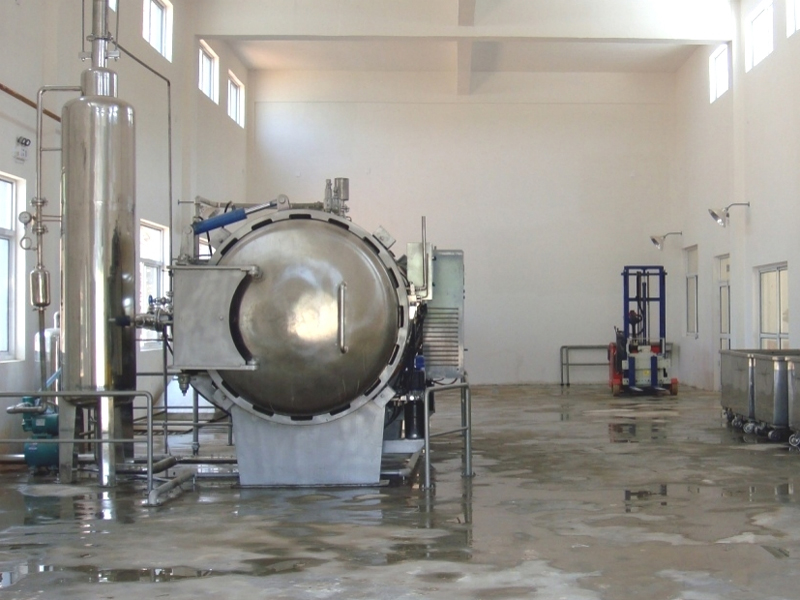
A large-scale plant processing tons of clinical waste daily, utilizing custom high-pressure vessels.
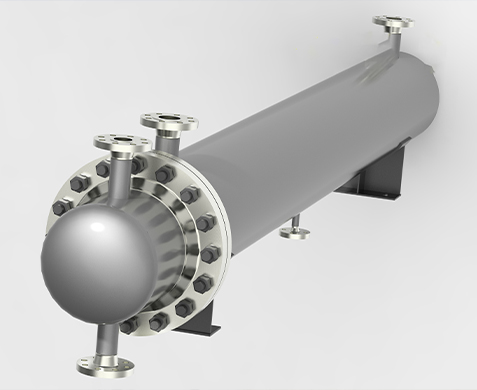
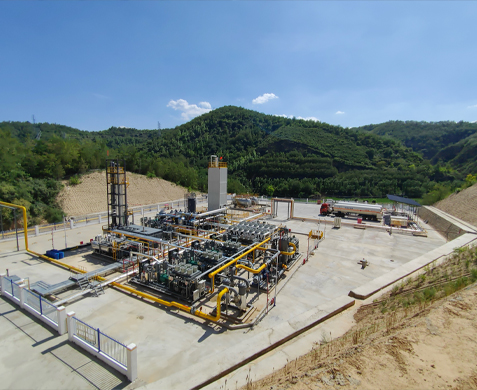
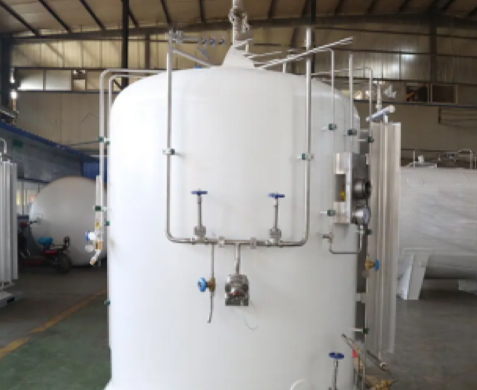
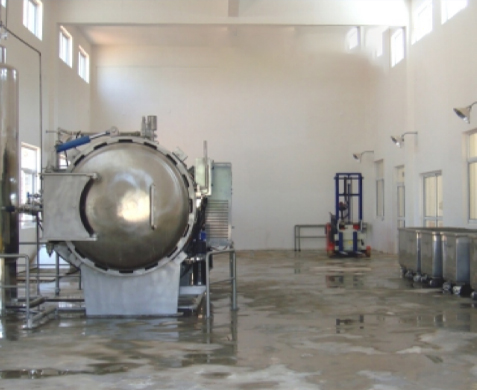
A deep look at thermodynamic mixed-refrigerant processes and structural pressure vessel engineering.
In gas processing, separation systems must manage multi-phase thermal dynamics as complex streams undergo phase changes. Our technical approach, developed alongside the Institute of Physics and Chemistry Technology (CAS), utilizes a mixed refrigerant cycle (MRC) optimized for small to mid-scale liquefaction plants.
Unlike pure refrigerant loops, our MRC designs use custom hydrocarbon and inert gas mixtures (nitrogen, methane, ethane, propane, butane). By matching the refrigerant's boiling profile with the natural gas cooling curve, we reduce thermodynamic irreversibility in the main cryogenic heat exchanger. This system design improves overall compressor efficiency by 15% to 22% compared to standard nitrogen expansion systems.
Managing sulfur compounds requires chemical and thermal systems designed for long-term durability. We manufacture both dry and wet desulfurization units:
Handling volatile liquids, cryogens, and high-temperature steam requires robust pressure vessels. Operating under an A2 manufacturing license, we build non-standard pressure vessels using strict welding procedures (GTAW/GMAW/SAW) and perform complete non-destructive testing (NDT), including radiographic and ultrasonic tests.
Whether building carbon steel surge vessels, stainless steel shell-and-tube heat exchangers, or cryogenic double-walled storage tanks, each system is designed to comply with GB 150 codes as well as international ASME Section VIII regulations.
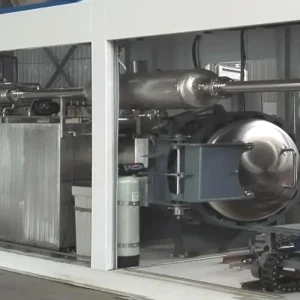
For bio-safety laboratories and medical waste facilities, we design thermal autoclaving and high-temperature hydrolysis systems. These units use saturated steam at 134°C to 150°C under high pressure to fully sterilize infectious materials, including laboratory animal carcasses and clinical waste.
Integrated shredding systems and PLC-controlled steam cycles ensure complete thermal penetration, converting hazardous bio-waste into sterile organic residues and liquids that can be safely discharged through toxic wastewater treatment systems.
Our key development priorities for the next generation of industrial separation and cryogenics.
Refining our Boil-Off Gas (BOG) helium extraction systems to recover high-value helium from LNG storage boil-off, using multi-stage membrane separation combined with low-temperature condensation.
Integrating cloud-based monitoring and predictive AI models into our skid-mounted equipment. This allows operators to track heat exchanger efficiency, detect early fouling, and adjust mixed refrigerant ratios in real time.
Developing zero-emission biological waste processing systems that capture and treat all gaseous exhausts and liquid waste, ensuring full environmental compliance in municipal and medical facilities.
Professional engineering answers about industrial gas separation, waste processing, and custom manufacturing.
Skid-mounted designs are built and tested in our factory, which minimizes field construction time and cost. They are highly modular, easy to transport, and can be quickly relocated to capture associated gas from isolated wells, reducing gas flaring and saving valuable hydrocarbons.
Under our A2 license, we perform design calculations using specialized PV Elite and SW6 software to ensure compliance with GB 150 and ASME standards. Materials are tracked from procurement through fabrication, and every vessel undergoes strict NDT inspection and hydrostatic pressure testing.
Our systems typically operate with saturated steam at temperatures between 134°C and 150°C and pressures of 0.22 to 0.5 MPa. Standard cycle times range from 45 to 90 minutes depending on waste density and volume. This process ensures a microbial inactivation level exceeding 99.9999% (Log 6 reduction).
Yes. For chlorinated or acidic VOC streams, we design specialized corrosion-resistant systems. We combine catalytic oxidation or scrubbers with alloys like Hastelloy or titanium to prevent acid condensation corrosion and safely neutralize chlorinated organic compounds.
Our leadership team includes CAS PhDs who actively translate research in cryogenic engineering and thermodynamic mixed refrigerants into practical, field-tested systems. This helps us optimize thermodynamic performance in real-world applications.
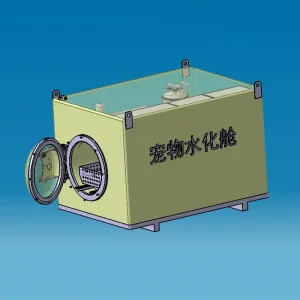
Explore our highly certified pressure vessels, pet harmless treatment chambers, and mobile medical waste autoclaves.
Get in touch with our technical team for custom project configurations, sizing, and pricing details.
 Hongke Qingneng