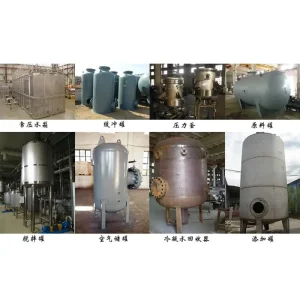
Discover our core line of premium, certified pressure vessel designs and skid-mounted environmental process solutions.
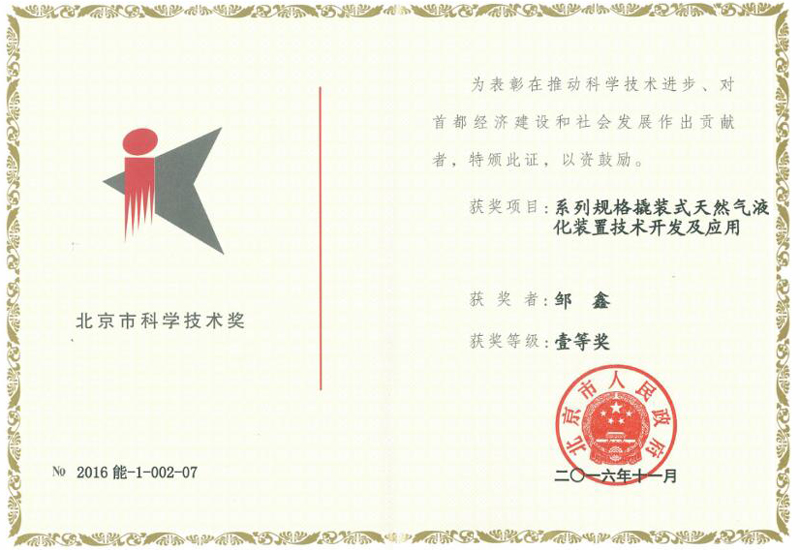
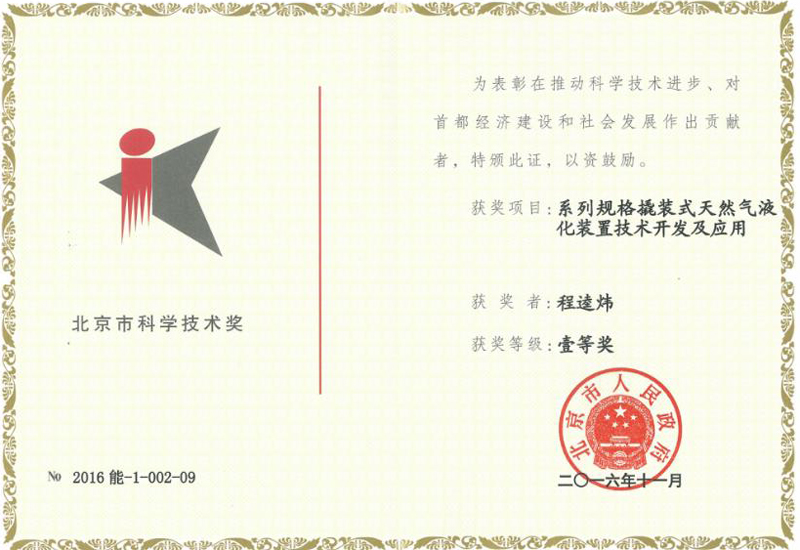
Our core R&D team is staffed by specialists from Tsinghua University and the Institute of Physics and Chemistry Technology, Chinese Academy of Sciences (CAS). This academic foundation enables us to tackle phase change heat transfer problems and custom thermodynamics with absolute mathematical precision.
We hold the highly coveted A2 Level Pressure Vessel Manufacturing License alongside a dedicated pressure pipeline component manufacturing license. Our facility is certified under GB/T19001-2016 (ISO 9001), Sinopec HSSE, and CNPC Health, Safety and Environment Management systems.
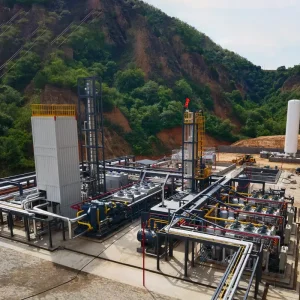
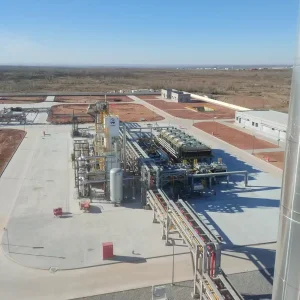
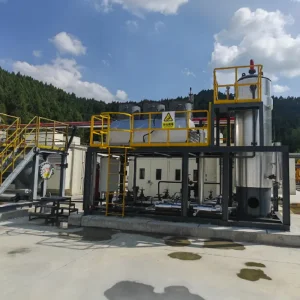
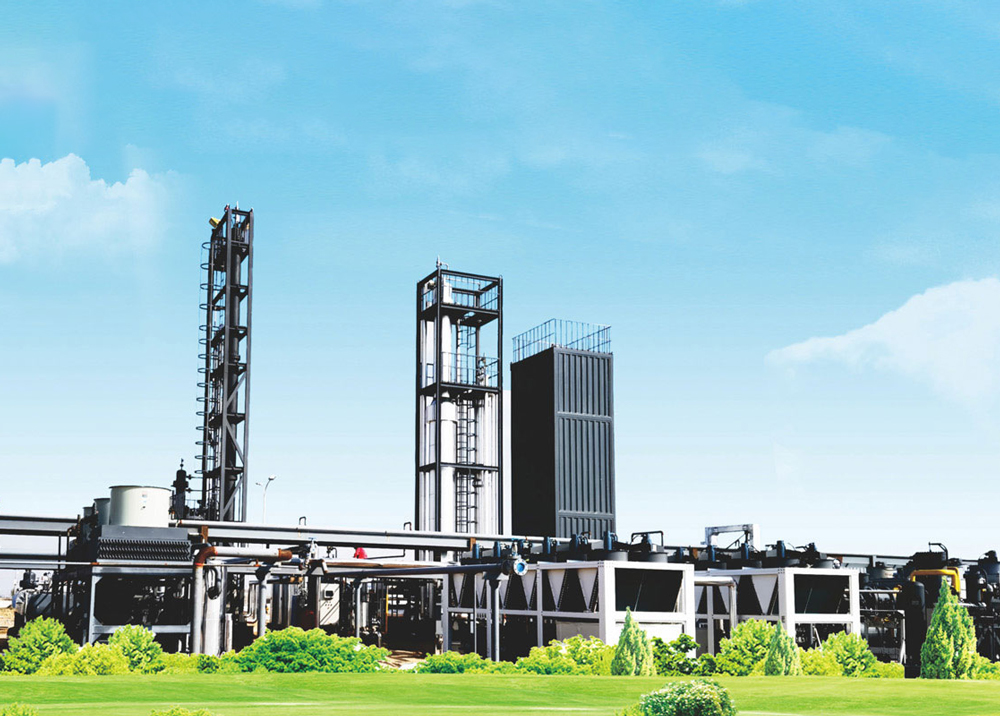
We aim to assist the global energy sector in achieving carbon reduction goals. Our skid-mounted recovery units play a critical role in minimizing venting during natural gas recovery and processing, helping our clients control emissions and reclaim valuable resources.
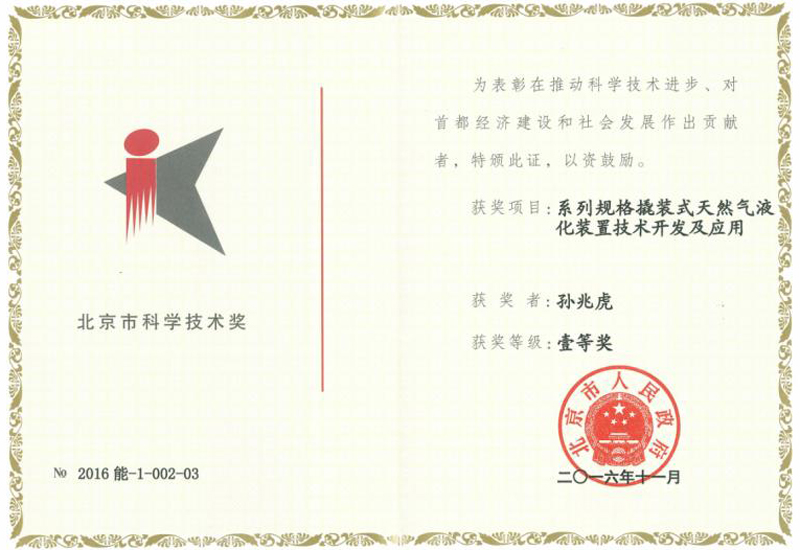
Our technical innovation is guided by industry-recognized doctors and senior engineers with extensive backgrounds in cryogenics and physics.




Small pressure vessels serve as critical containment systems across modern oil and gas, pharmaceutical, laboratory, and cryogenic industries. Unlike large storage spheres or colossal refinery columns, small vessels (typically defined by volumes under 10 cubic meters) must maintain tight dimensional tolerances, feature flexible piping interfaces, and support quick-cycling thermal states. Designing these units requires an understanding of mechanical fatigue, cyclic thermal loads, and localized stress concentrations around the nozzles.
As processes shift toward modular and skidded setups, small pressure vessels must deliver high performance within compact spaces. Utilizing finite element analysis (FEA) and computational fluid dynamics (CFD), our engineers optimize wall thicknesses, nozzle placement, and saddle supports. This ensures compliance with structural regulations while keeping total equipment weight low, which is crucial for mobile and skid-mounted applications.
Global energy and environmental regulations demand rapid deployment, minimal site construction, and reduced footprint. Skid-mounting pressure vessels along with their associated piping, instrumentation, and control systems has transitioned from an optional choice to a key industry standard.
Whether capturing flare gas at remote wells, recovering methane from coal beds, or processing hazardous waste at localized hospitals, skid-mounted systems offer pre-commissioned, factory-tested solutions that minimize onsite installation errors. By integrating pressure vessels directly into rugged steel transport frames, we deliver plug-and-play process systems capable of handling extreme operations.
Navigating the complex regulatory landscape of international pressure vessel codes is essential for global deployments. Design houses and manufacturers must comply with specific regional standards:
Hebei Hongke Qingneng integrates raw material traceability, non-destructive testing (NDT) such as RT, UT, MT, and PT, and hydrostatic pressure testing to ensure every vessel operates safely under high pressures.
The next generation of small pressure vessels will incorporate real-time monitoring and smart diagnostic sensors. High-temperature and cryogenic applications require continuous tracking of wall temperature distribution and strain. By embedding heat flux sensors and strain gauges into structural zones, operators can monitor material fatigue and predict maintenance needs.
Additionally, the industry is shifting toward materials that offer higher corrosion resistance and improved weight-to-strength ratios, such as duplex stainless steels and titanium alloys. These materials help extend the service life of processing systems in corrosive environments like sour gas fields, petrochemical plants, and marine settings.
A showcase of successfully implemented projects, from medical containment to clean energy liquefaction.
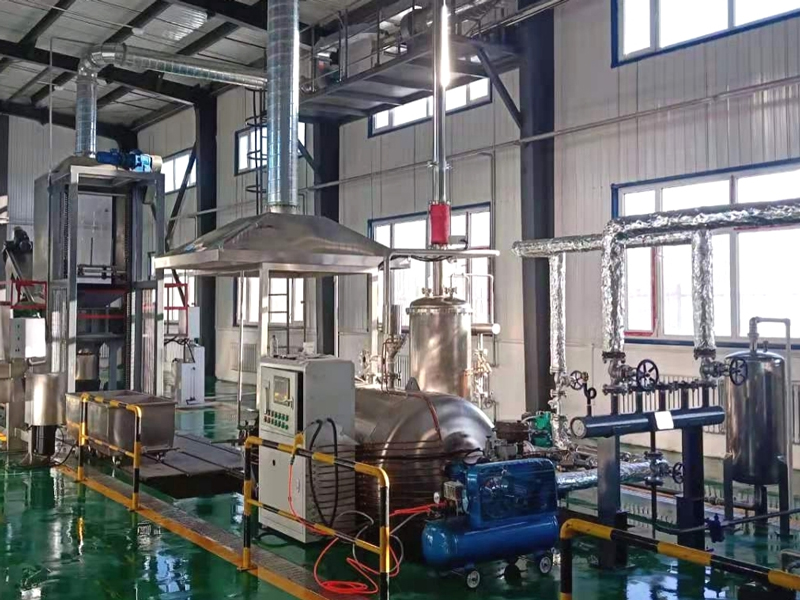
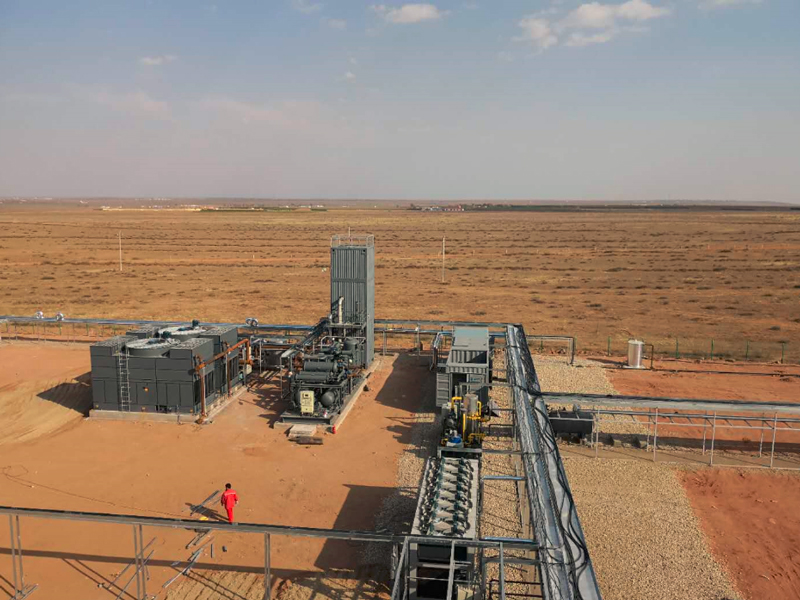
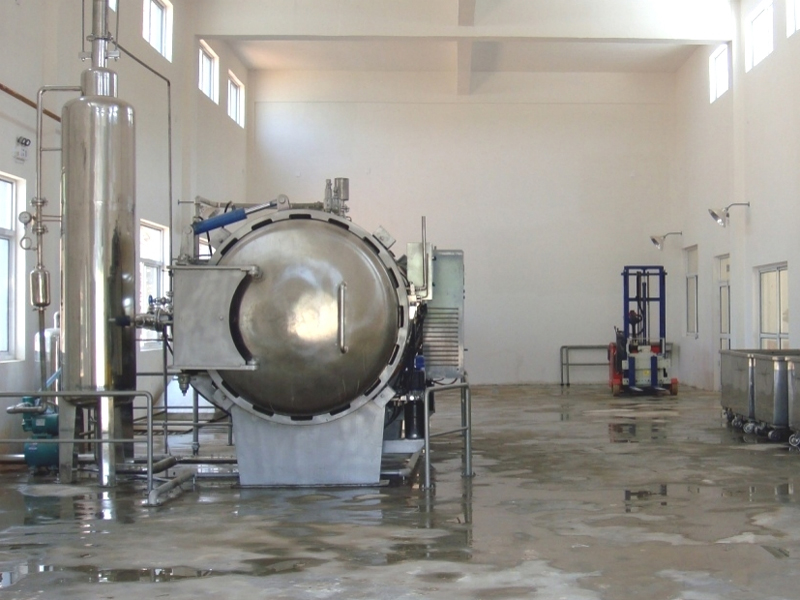
Answers to common engineering questions regarding small pressure vessel design, fabrication, and compliance.
For cryogenic processes (down to -196°C) and high-purity environments, we primarily utilize austenitic stainless steels like 304, 304L, 316, and 316L due to their excellent low-temperature impact toughness and corrosion resistance. For highly corrosive sour gas purification services, duplex alloys or specialized inner-linings are integrated.
Skid-mounting groups the pressure vessels, valves, piping, and electronic controls onto a single, rigid steel frame. This design allows for complete factory assembly and testing, reduces site civil construction requirements, and simplifies relocation when processing gas at variable wellheads or shifting industrial locations.
The A2 manufacturing license allows the holder to design and fabricate low and medium pressure vessels (with no limit on design pressure up to high-pressure thresholds, excluding extreme A1 scale vessels). This covers the majority of process columns, shell-and-tube heat exchangers, and storage vessels used in the chemical and environmental sectors.
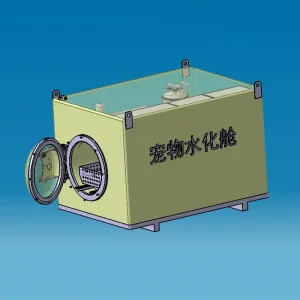
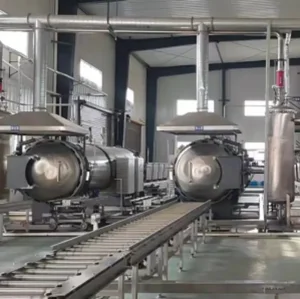
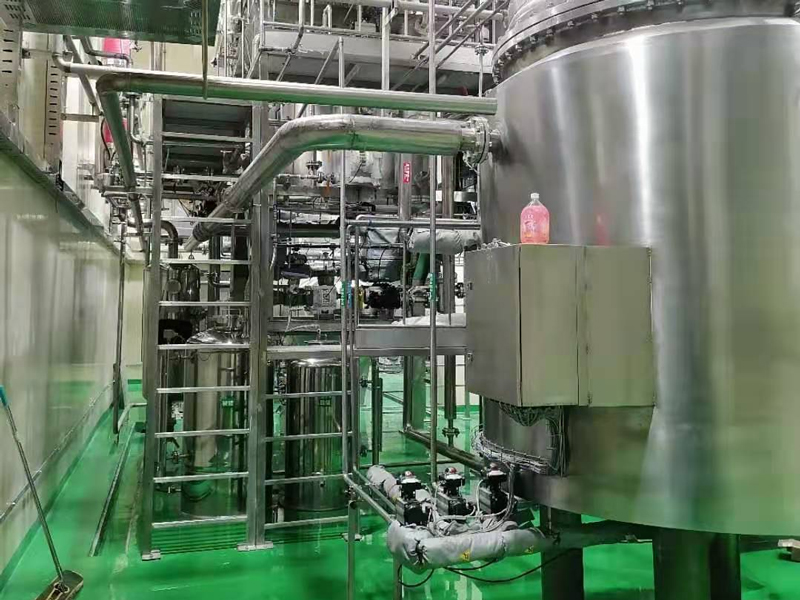
Our high-temperature hydrolysis and autoclave steam treatment systems are designed as hermetically sealed pressure vessels. We employ specialized sealing gaskets, integrated bio-seal barriers, and automated steam-purge cycles to ensure all pathogens, spores, and liquid runoffs are neutralized before disposal.
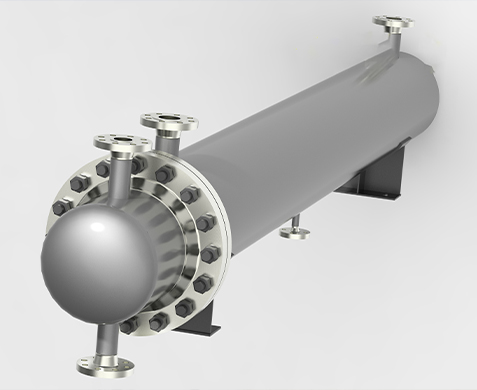
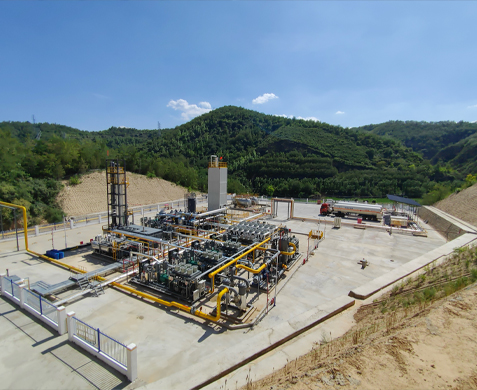
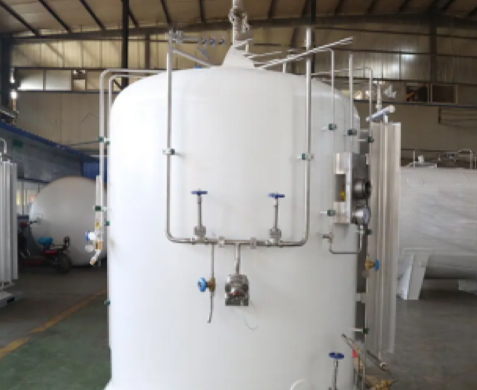
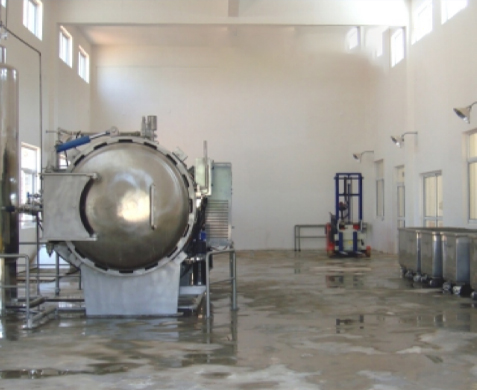
Explore our specialized process units, exhaust gas recovery machinery, and custom-designed pressure vessel configurations.
 Hongke Qingneng