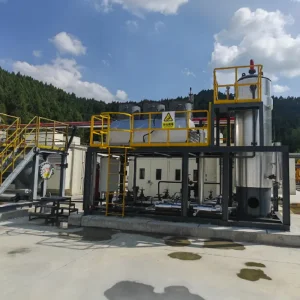
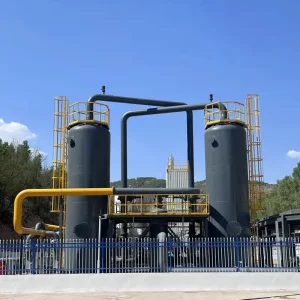
Explore our industrial-grade, non-standard custom pressure vessel assemblies and VOC exhaust treatment systems designed to comply with strict global safety benchmarks.
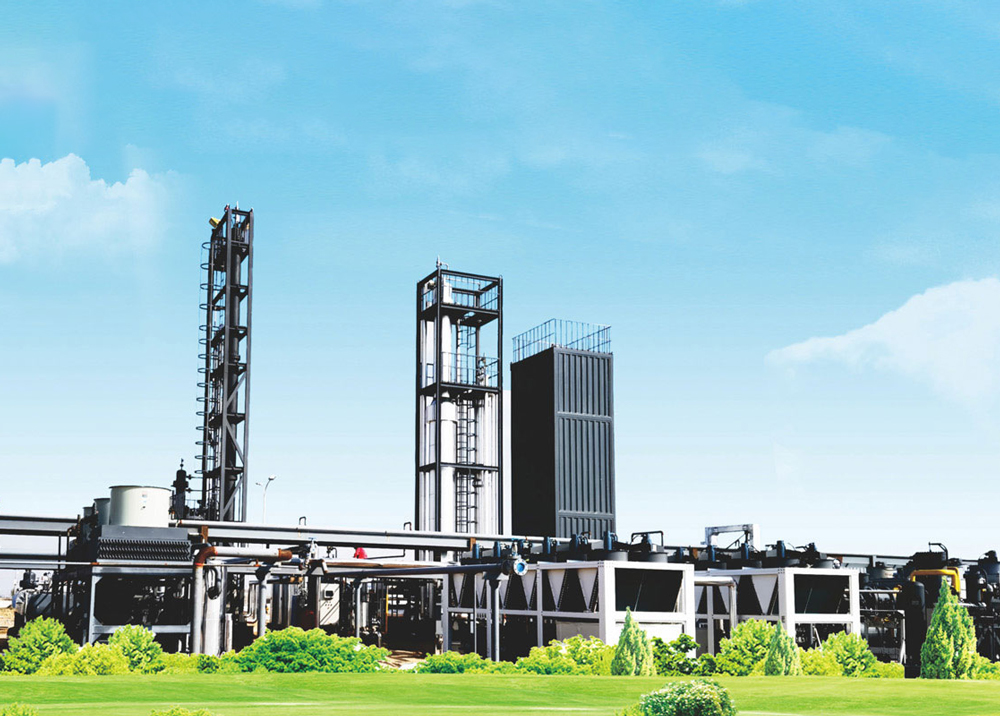
Liquefied Natural Gas (LNG) processing operations rely on exceptional thermal management systems. At temperatures plummeting below -162°C (-260°F), traditional metals risk catastrophic brittle failure. In this extreme operating threshold, LNG heat exchangers serve as the primary phase change component, managing massive latent heat shifts during liquefaction and regasification stages.
By leveraging fluid dynamics theories established by our academic consultants from Tsinghua University and the Chinese Academy of Sciences (CAS), our designs optimize heat transfer coefficient margins while limiting total pressure drop. We prioritize high-grade cryogenic alloys like SUS304, SUS316L, and specific aluminum combinations to eliminate intergranular cracking hazards under cyclic thermal stress conditions.
Hebei Hongke Qingneng Environmental Protection Equipment Co., Ltd. combines academic research with advanced manufacturing capabilities to deliver custom skid-mounted industrial solutions.
Established in June 2021 with a registered capital of 78 million yuan, our high-tech manufacturing plant is strategically located in the Sanhe Economic Development Zone, Langfang City. We specialize in designing and producing heavy industrial equipment, including non-standard A2-grade pressure vessels, VOC mitigation units, medical waste systems, and comprehensive natural gas/coalbed methane purification systems.
Our competitive advantage lies in our strong scientific leadership. Guided by leading cryogenics experts, our engineering team holds numerous patents, enabling us to transition advanced physical theories into reliable industrial hardware.
Our manufacturing and quality assurance frameworks align with international standards:
PhD graduate from the Institute of Physics and Chemistry Technology, Chinese Academy of Sciences (CAS). Dr. Sun is a National Senior Engineer who has led major research projects, including the National 863 Program. He holds the 2016 Beijing Science and Technology First Prize and the 2015 Chinese Society of Refrigeration Invention Award.
PhD Candidate and Senior Engineer at the Institute of Physics and Chemistry Technology, CAS. Zou Xin manages our commercial operations and scaling strategies. He has published 24 peer-reviewed academic papers (including 11 indexed by SCI/EI) and holds 5 patents alongside the 2017 China International Industry Expo Silver Medal.
Doctor of Engineering from the Institute of Physics and Chemistry Technology, CAS. Dr. Cheng is a specialist in the fluid dynamics and phase change properties of mixed working media. He is the technical architect behind our skid-mounted LNG systems, helping to optimize thermal performance and minimize energy loss.
Discover how Langfang's industrial infrastructure enables Hebei Hongke Qingneng to deliver high-performance, cost-effective cryogenic equipment worldwide.
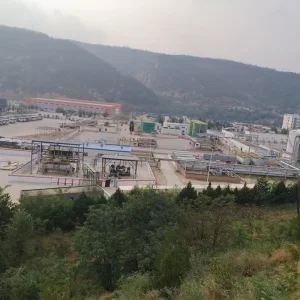
Hebei Province is a major global hub for metallurgy and raw steel processing. Our factory in the Sanhe Economic Development Zone benefits from direct sourcing of high-grade raw materials. This eliminates long-distance logistics delays and ensures access to fully certified, traceably documented cryogenic steels.
Our production floor features automated orbital welding, advanced robotic plasma cutting, and specialized multi-axis tooling. By reducing manual handling, we achieve clean weld surfaces and precise component alignments, keeping manufacturing tolerances well within ASME Section VIII requirements.
Quality control is fundamental to our process. Every wholesale LNG heat exchanger undergoes rigorous testing before shipment, including helium leak detection, radiographic weld inspections, hydrostatic testing, and thermal cycling. This ensures safe performance at extreme temperatures.
The global energy sector is shifting toward cleaner options, with LNG acting as a key transition fuel. As companies work to reduce carbon emissions, demand for efficient cryogenic processing technology is increasing rapidly.
At the same time, recovering valuable byproducts has become commercially critical. Industrial operations now focus on extracting trace helium from Boil-Off Gas (BOG) during liquefaction. This process requires highly specialized cryogenic separators and multi-channel heat exchangers capable of handling helium's low boiling point (-268.9°C).
Additionally, developers prefer pre-commissioned, skid-mounted equipment to speed up project execution. By building and testing structural frames, purification columns, and heat exchangers in a controlled factory environment, we help project operators minimize on-site installation work and avoid common field assembly delays.
Understanding the demands of modern gas processing installations:
From deep-well natural gas purification to specialized medical waste sterilization, our custom configurations are designed to meet diverse operating requirements.
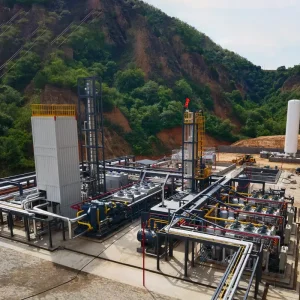
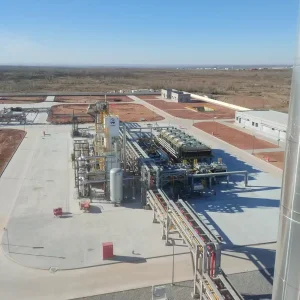
Our compact, skid-mounted liquefaction systems capture associated gas from remote wellheads and coalbed methane pockets. These systems process, dehydrate, and liquefy stranded gas sources, turning potential flares into clean, transportable liquid fuel.
We design custom thermal oxidizers and carbon adsorption systems to treat volatile organic compounds (VOCs) in petrochemical, chemical, and paint manufacturing plants, helping operators meet modern clean air standards.
We supply centralized and mobile high-temperature steam sterilization systems. These units process medical waste and animal carcasses efficiently, using thermal control to meet strict biosecurity regulations.
Explore some of our real-world projects, showing our work from design through to final deployment.
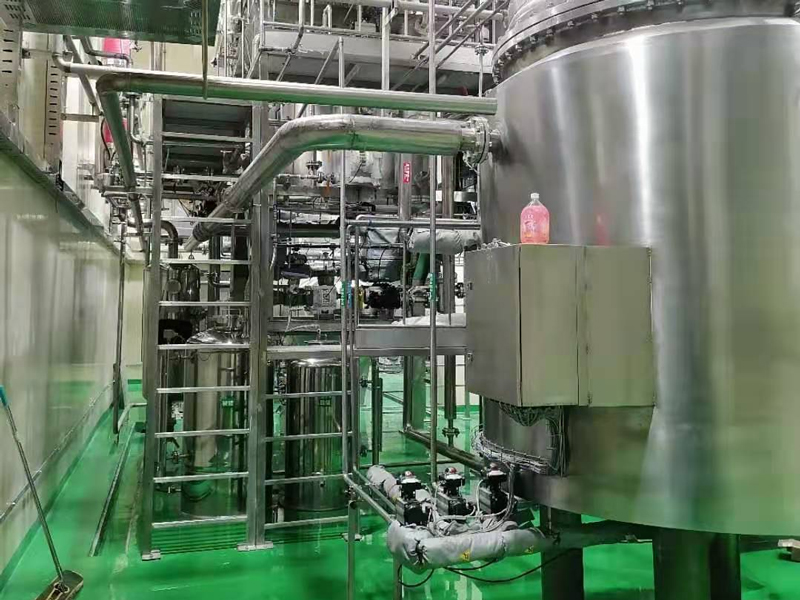
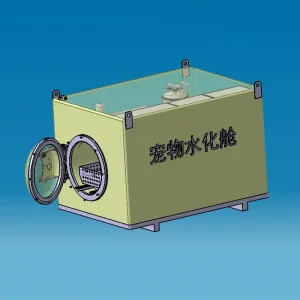
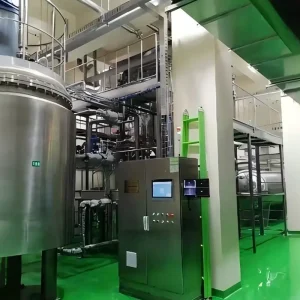
High-temperature hydrolysis systems designed for containment facilities and veterinary research labs.
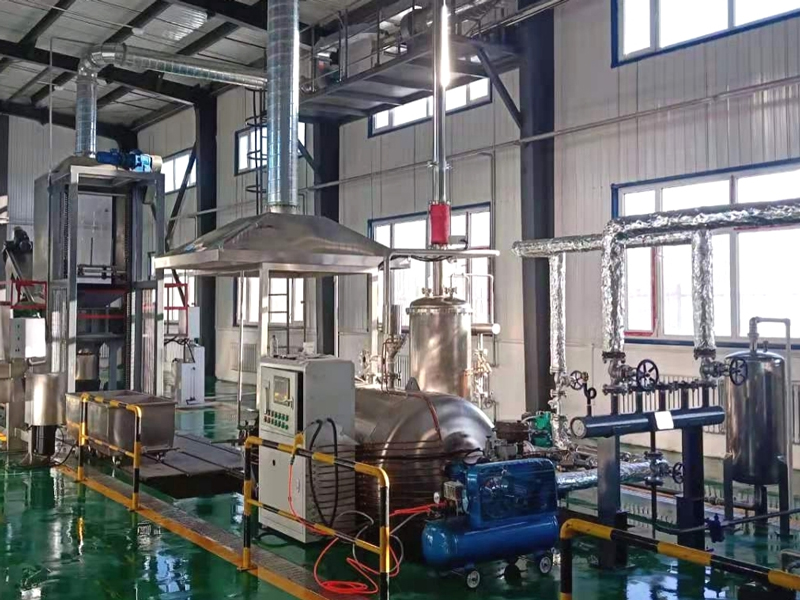
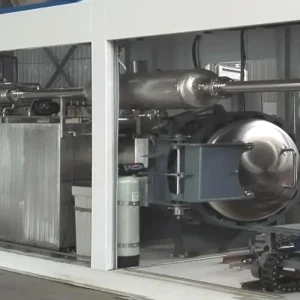
Trailer-mounted steam sterilization systems for emergency biological response and rural healthcare centers.
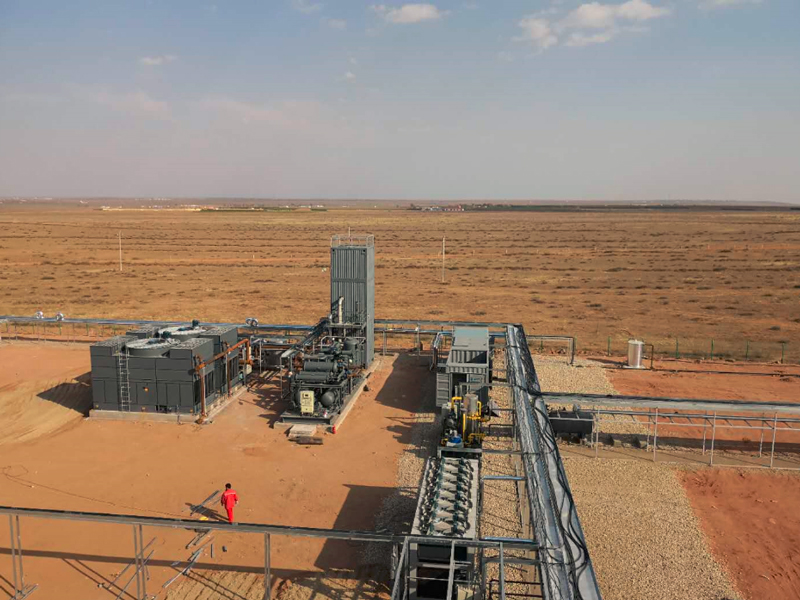
Skid-mounted LNG processing systems operating at remote wells to capture and liquefy natural gas.
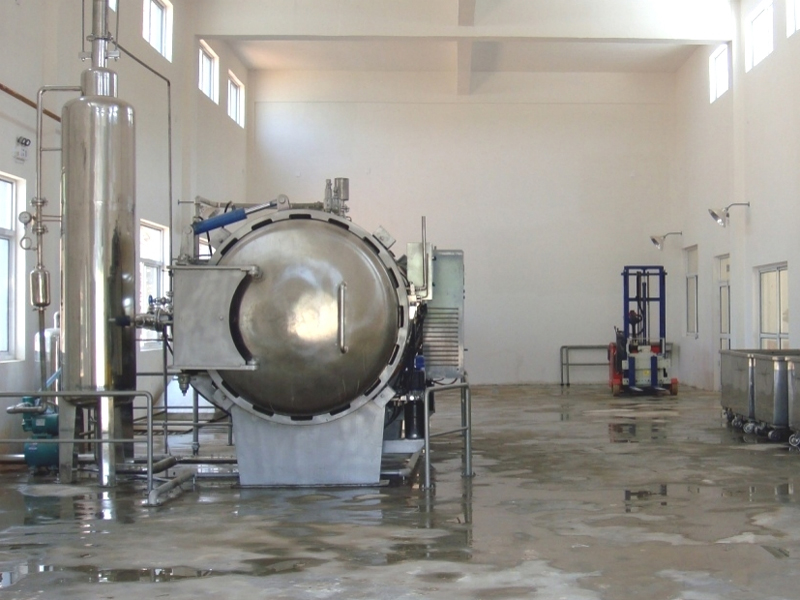
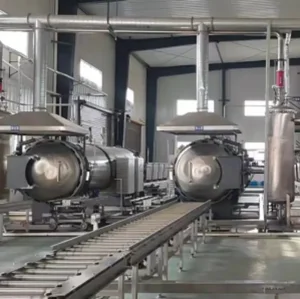
Large-scale municipal waste facilities processing high-volume clinical waste with automated sterilizers.
Key technical criteria global procurement managers should verify when ordering industrial cryogenic heat exchangers.
Engineers must design equipment to withstand cryogenic temperatures while managing thermal contraction stresses. This requires FEA (Finite Element Analysis) modeling of tube-to-tubesheet joints to ensure mechanical integrity under cyclic thermal loads.
Ensure all pressure boundary parts are fabricated using certified materials (such as dual-certified 304/304L stainless steel). MTRs (Material Test Reports) should document chemical composition and impact energy testing at -196°C.
Procurement teams should verify that manufacturers hold active welding procedures (WPS/PQR) compliant with ASME Section IX or EN ISO standards. All pressure boundaries must undergo non-destructive examination (RT/UT/PT) by certified inspectors.
Before shipment, cryogenic heat exchangers must be thoroughly dried and charged with positive nitrogen pressure. This prevents moisture ingress and internal corrosion during sea transport and storage.
Answers to common questions about cryogenic heat exchangers, custom pressure vessels, and procurement specifications.
At cryogenic temperatures (-162°C and lower), carbon steels become brittle. We use austenitic stainless steels (such as 304, 304L, 316, and 316L) and specific aluminum alloys. These metals maintain high impact strength and ductility, preventing structural cracks during operational thermal cycling.
Our design process utilizes finite element analysis (FEA) to simulate thermal gradients during startup and shutdown. We integrate flexible structural supports, optimize expansion joints, and utilize advanced tube bundle arrangements to accommodate thermal movement, ensuring mechanical stability over long operational lifespans.
Skid-mounted systems are pre-assembled, piped, wired, and tested at our factory before shipping. This approach reduces on-site civil works, simplifies installation, and shortens the commissioning phase, lowering the total cost of ownership compared to field-erected plants.
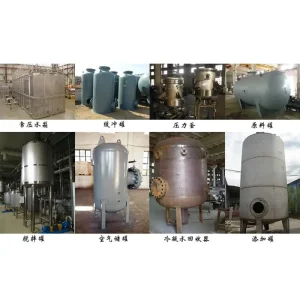
Yes, we specialize in custom A2-class pressure vessels. Our engineering team designs columns, separators, and storage tanks tailored to specific space requirements, pressure ratings, and processing goals, while ensuring full compliance with national and international safety regulations.
We apply standard testing protocols, including radiographic (RT) and ultrasonic (UT) weld testing, liquid penetrant testing (PT), hydrostatic pressure testing, and helium mass spectrometer leak detection. These tests verify the seal integrity and weld quality of every unit before it leaves our facility.
Our core technical team includes Ph.D. holders from the Chinese Academy of Sciences and Tsinghua University. This background allows us to integrate advanced thermodynamics and cryogenics research directly into our commercial equipment, helping to improve energy efficiency across our product line.
Explore our complete range of specialized process equipment, including desulfurizers, laboratory animal treatment units, and full-scale liquefaction plants.
Review the design parameters and engineering features built into our cryogenic and environmental equipment lines.
"Our engineering designs emphasize technical innovation and customer-focused upgrades. By combining research insights from Tsinghua University and the Chinese Academy of Sciences, we supply reliable gas recovery and environmental control systems. Our goals align with industrial efforts to manage carbon emissions, minimize air pollution, and protect natural resources."
 Hongke Qingneng