Animal Tissue (Residue) Treatment Equipment Manufacturers & Factory serving the New Zealand market

Providing New Zealand's agricultural, processing, and biosecurity sectors with advanced, high-temperature hydrolysis, sterile processing, and environmentally sound organic waste management technologies.

Send Inquiry Now View Technical Specs

Primary Bio-Waste Disposal & Treatment Systems

Engineered for compliance with MPI standards, biosecurity protocols, and high-efficiency rendering and sterilization operations across New Zealand.
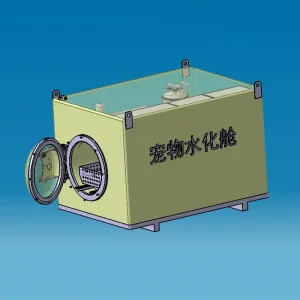
New Zealand Eco-Friendly Companion Animal Bio-Waste Treatment System

New Zealand Eco-Friendly Companion Animal Bio-Waste Treatment System

Learn More
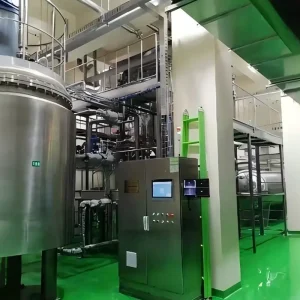
High-Temperature Hydrolysis Carcass Disposal Unit for New Zealand Laboratories

High-Temperature Hydrolysis Carcass Disposal Unit for New Zealand Laboratories

Learn More
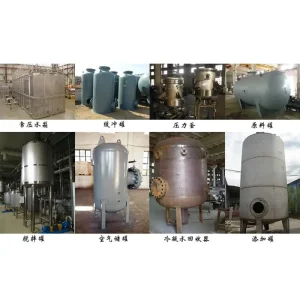
ASME/NZS 1200 Compliant Non-Standard Pressure Vessels for Agricultural Processing

ASME/NZS 1200 Compliant Non-Standard Pressure Vessels for Agricultural Processing

Learn More
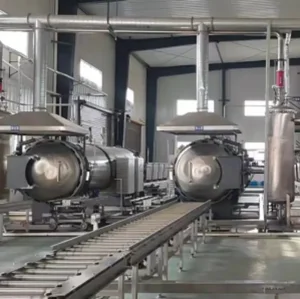
Centralized Medical & Bio-Hazard Waste Steam Autoclave for Regional NZ Councils

Centralized Medical & Bio-Hazard Waste Steam Autoclave for Regional NZ Councils

Learn More
Inquire About These Systems
Scientific Pedigree & Manufacturing Excellence

Hebei Hongke Qingneng Environmental Protection Equipment Co., Ltd.

Established with a registered capital of 78 million yuan, Hongke Qingneng is a pioneering force in the R&D and manufacturing of environmental protection equipment. Our manufacturing base is strategically situated in the Sanhe Economic Development Zone, Langfang City, focusing heavily on engineering thermodynamic efficiency and biosecurity waste management solutions.

Our operational capabilities span the design, fabrication, and commissioning of complex pressure vessels, medical waste treatment units, high-temperature thermal hydrolysis chambers, and biological wastewater sterilizers. By integrating advanced academic research with industrial-scale fabrication, we supply robust plant solutions that meet the strict requirements of international biosecurity frameworks, including New Zealand's Ministry for Primary Industries (MPI) directives.
¥78M
Registered Capital
A2
Pressure Vessel License
50+
Skid Assemblies Delivered
20+
Patents & IP Rights
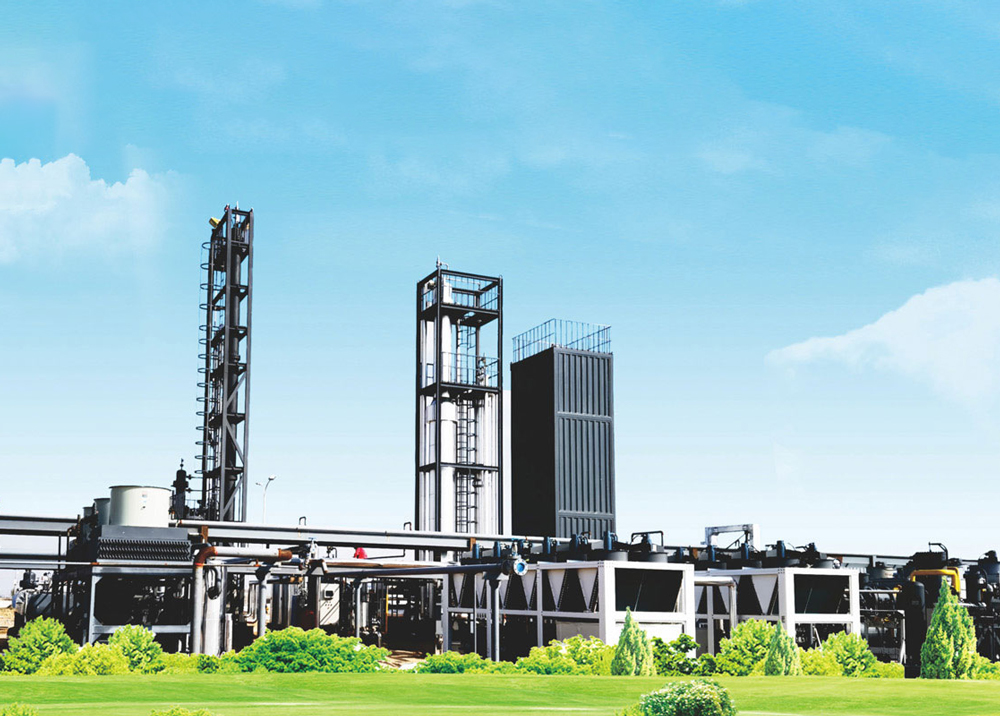
Hongke Qingneng Advanced Factory Workshop

Led by Academic Experts & Senior Engineers

Our core technical panel comprises senior academics from the Institute of Physics and Chemistry Technology, Chinese Academy of Sciences (CAS), and Tsinghua University.

DS

Dr. Sun Zhaohu

Founder & Chairman

Ph.D. from the Institute of Physics and Chemistry Technology, CAS. Recipient of Beijing Science and Technology Award First Prize. Oversees thermodynamic design and national engineering program conversions.

DZ

Dr. Zou Xin

General Manager & Senior Engineer

Ph.D. Candidate with 24 published papers (11 SCI/EI). Holds 5 national patents. Managed key "12th Five-Year" environmental and cryogenic scientific projects.

DC

Dr. Cheng Kuwei

Chief Engineer

Doctor of Engineering, CAS. Expert in mixed working media phase change heat transfer, thermodynamic cycle optimization, and process system safety scaling.

Industrial Context: Animal Tissue & Organic Waste Management in New Zealand

Understanding the unique environmental, biosecurity, and agricultural dynamics of NZ.

Biosecurity Act 1993 and MPI Compliance Requirements

New Zealand maintains some of the most rigorous biosecurity controls in the world. Being an island nation dependent on its primary agricultural sector (dairy, venison, beef, and sheep), managing organic residues, veterinary laboratory waste, and animal carcasses requires strict containment systems. Equipment used for animal tissue treatment must provide complete thermal denaturation of pathogens, including heat-resistant endospores and viral agents, preventing leakage into local aquifers or agricultural soils.

Our high-temperature, high-pressure thermal hydrolysis systems are engineered to exceed the standard operational envelopes specified by the New Zealand Ministry for Primary Industries (MPI). The processing parameters guarantee complete sterilization (typically operating at 133°C to 160°C under saturated steam pressure of 3 to 6 bar for a duration of at least 20 to 60 minutes), rendering materials pathogen-free and ready for subsequent stabilization or landfill processing.

RMA (Resource Management Act) and Odor Emission Abatement

In New Zealand, environmental resource consents are governed strictly under the Resource Management Act (RMA). A primary hurdle for animal rendering plants, pet crematoriums, and laboratory animal waste systems is odor control and volatile organic compound (VOC) emissions. Local regional councils enforce zero-boundary-odor thresholds.

Hongke Qingneng tackles this challenge by supplying integrated plant assemblies. Our animal tissue processing systems are coupled with advanced desulphurization modules and VOC exhaust treatment systems. By employing wet scrubbers, dry media adsorbers, and direct thermal oxidizer systems, the exhaust gases generated during high-temperature hydrolysis are cleaned and deodorized before discharge, assisting plants in acquiring and retaining crucial resource consents.

Modular Skid-Mounted Integration

Given the remote geographic distribution of processing facilities across the North and South Islands (from Waikato and Canterbury to Southland), on-site installation and construction labor costs in New Zealand are exceptionally high. To counter this, our Chinese factory specializes in skid-mounted assembly. The entire system—including pressure vessels, steam boilers, piping networks, instrumentation, control panels, and scrubbers—is built, pre-commissioned, and verified at our plant in China. It is then transported in standard ISO containers to New Zealand as a ready-to-run package, minimizing site construction time and ensuring plug-and-play field integration.

Why New Zealand Enterprises Partner with Hebei Hongke Qingneng

Leveraging high-level academic engineering and Chinese supply chain efficiencies for domestic compliance.

🔬

Academic Design & IP

Our thermal systems are engineered from research models developed at the Chinese Academy of Sciences, ensuring optimized phase-change thermodynamics, high energy recovery coefficients, and safety factors exceeding traditional industrial norms.

📜

Certified Pressure Vessels

Holding the A2 pressure vessel manufacturing license alongside GB/T19001-2016 quality management system credentials, we manufacture components that align with design guidelines required for NZS 1200 compliance audits.

🏭

Advanced Supply Chain

By sourcing high-grade steel, control units, and processing auxiliaries directly from long-term supply chains, we provide highly robust capital equipment with significant cost advantages over European and American manufacturers.

Localized Applications Across New Zealand Industries

Solving specific bio-processing and organic residue challenges in local municipalities and enterprises.

  • Meat Processing Plants & Abattoirs: Integrating automated high-temperature rendering systems to process offal, bone, and soft tissue. The resulting sterile output is converted into stabilized tallow and meat-and-bone meal (MBM) in compliance with international export regulations.
  • Pathology Laboratories & Universities: Installing localized benchtop and medium-scale animal carcass hydrolysis chambers within research facilities in Palmerston North, Hamilton, and Dunedin. These units neutralize transgenic tissues, experimental pathogens, and clinical remains safely on-site.
  • Biosecurity Ports & Quarantine Stations: Supplying containerized, mobile medical and biological waste autoclaves to strategic port boundaries. High-temperature steam systems process intercepted bio-hazardous items and suspect food products before local landfill disposal.
  • Veterinary & Pet Crematoriums: Providing carbon-efficient, zero-emission pet hydration chambers (alkaline hydrolysis/aquamation units) as sustainable alternatives to traditional fire cremation, appealing to the eco-conscious consumer base in Auckland, Wellington, and Christchurch.

Proven Engineering Installations

Examples of specialized installations deployed for biological waste management, gas clean-up, and resource recovery projects.
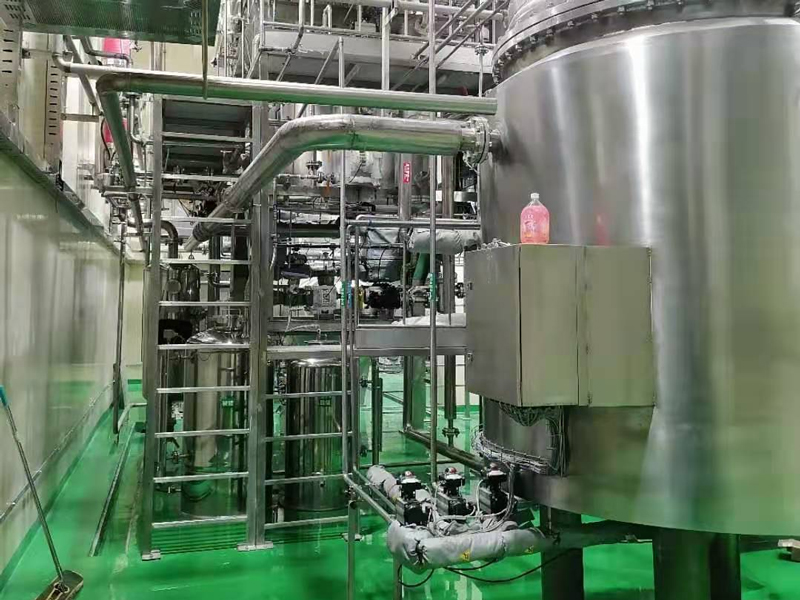
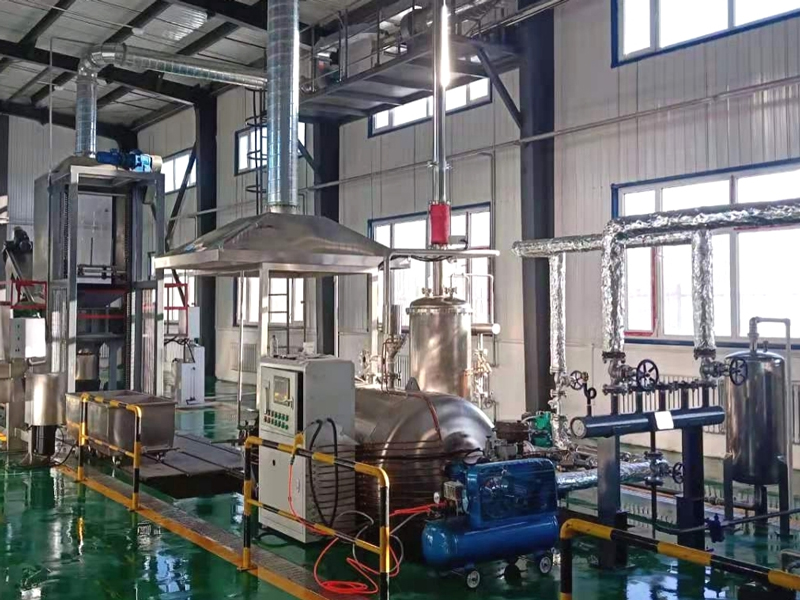
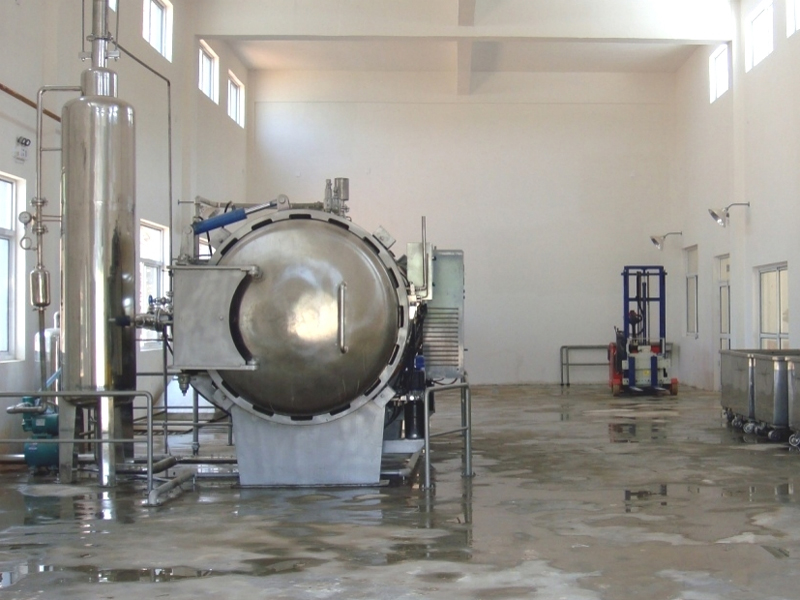
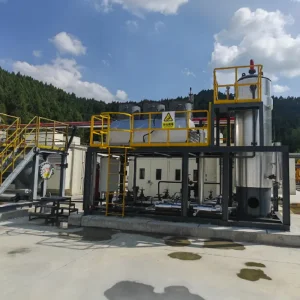
Laboratory Animal Residue Harmless Treatment Unit

Laboratory Animal Residue Harmless Treatment System

Mobile Medical Waste Treatment Container

Mobile Medical & Quarantine Waste Disintegrator

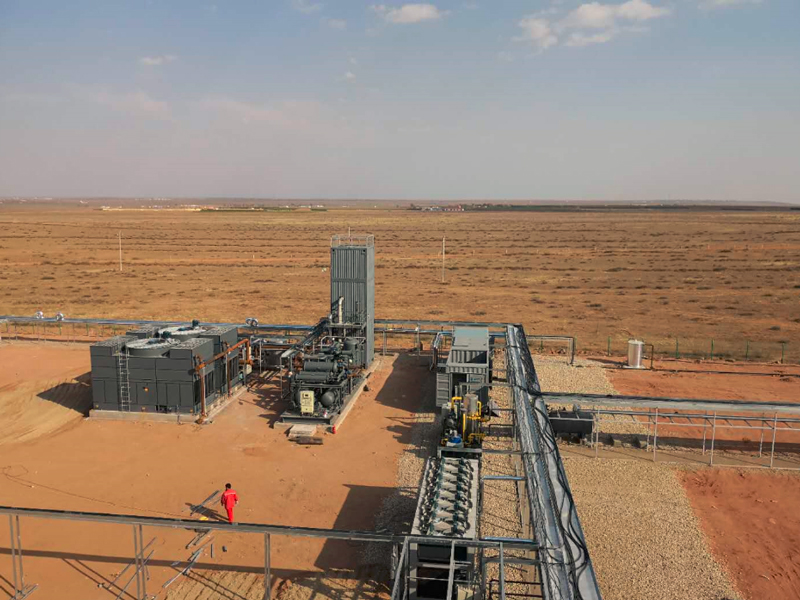
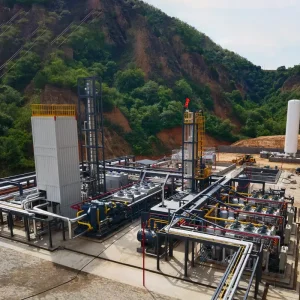
Industrial Skid-Mounted Gas Recovery Site

M3/d Bio-Gas and Rendering Off-Gas Liquefaction Site

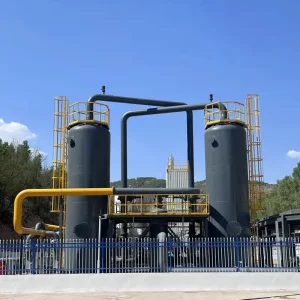
Centralized Medical Waste Sterilizer Plant

Centralized Bio-Hazard High-Temp Steam Sterilizer

Frequently Asked Questions

Key information regarding international standards, design specs, and operational setups for the New Zealand region.

1. Are your pressure vessels certified for compliance in New Zealand?
Yes. While we hold A2 level manufacturing licenses in China, we construct our high-pressure reactors, steam boilers, and hydrolysis autoclaves using internationally recognized design formulas (such as ASME Section VIII or equivalent). We work in conjunction with certified third-party inspection bodies (like SGS, TÜV, or Lloyd’s Register) to issue verified design reports and pressure test certificates that satisfy New Zealand's AS/NZS 1200 pressure equipment standards.
2. How does the thermal hydrolysis process compare to traditional incinerators?
Thermal hydrolysis uses high-temperature saturated steam inside a sealed pressure chamber to break down animal tissue and complex proteins into sterile organic liquid and solid pulp. Unlike incinerators, it produces zero particulate emissions, smoke, or toxic ash. It is more energy-efficient, operates inside closed piping systems to eliminate odor leaks, and outputs sterile, stable residues that can be processed as organic fertilizer bases or disposed of in municipal landfills without risk of pathogen contamination.
3. What odor abatement technologies are integrated with your animal tissue processors?
We supply custom configurations depending on the layout. For rendering plants and laboratories, we integrate wet chemical scrubbers (to neutralize amines and hydrogen sulfide), dry carbon adsorption beds, and thermal oxidizers. Any high-density non-condensable gases generated during cooking or hydrolysis are piped directly to the boiler furnace or a combustion unit to break down volatile organic compounds (VOCs) at high temperatures before release.
4. Can your equipment handle biosecurity risks such as prions or Foot and Mouth disease?
Yes. Our pressure vessels can be set up to run specific thermal decontamination cycles. For general bacterial and viral pathogens, standard cycles of 133°C for 20 minutes under 3 bars of pressure are sufficient. For higher biosecurity containment levels (e.g., prions or extreme veterinary biohazards), our systems can operate at 140°C to 160°C for extended hold times, fully denaturing biological agents to guarantee safe discharge.
5. What voltage and utility requirements are standard for your skid-mounted plants?
Our manufacturing and engineering design teams configure the electrical control panels to match New Zealand’s standard industrial power supply of 400V AC at 50Hz (3-Phase). We integrate components from internationally supported brands (such as Siemens PLCs, Schneider contactors, and ABB drives) so that local technicians can perform maintenance or source spare parts easily.
6. How is installation and commission managed for projects in New Zealand?
We focus on modular, skid-mounted engineering. All pumps, piping, sensors, and structural frames are pre-assembled at our factory in Langfang. We perform complete factory acceptance tests (FAT) before containerization. Once the skid arrives at your site in New Zealand, installation is reduced to connection of major utility lines (water, power, steam, drainage). Our engineering staff can provide real-time remote installation supervision, or deploy factory field engineers to assist with start-up and site verification (SAT).

Comprehensive Product Catalog

Heavy-duty pressure vessels, environmental treatment systems, and industrial recovery machinery manufactured to high industrial tolerances.
Off-Grid Organic Waste Liquefaction & Bio-Energy Plant Solutions

Off-Grid Organic Waste Liquefaction & Bio-Energy Plant Solutions

View Details
Mobile Bio-Security and Quarantine Animal Waste Disintegrator System

Mobile Bio-Security and Quarantine Animal Waste Disintegrator System

View Details
Rendering Exhaust & Thermal Oxidizer Gas Recovery Systems

Rendering Exhaust & Thermal Oxidizer Gas Recovery Systems

View Details
Skid-Mounted Off-Gas Capture & Liquefaction Systems for Rendering Refineries

Skid-Mounted Off-Gas Capture & Liquefaction Systems for Rendering Refineries

View Details
Heavy-Duty Veterinary Clinical Waste Sterilizer for Animal Health Facilities

Heavy-Duty Veterinary Clinical Waste Sterilizer for Animal Health Facilities

View Details
Advanced Wet & Dry H2S Odor Control Desulphurisation Systems for Rendering Plants

Advanced Wet & Dry H2S Odor Control Desulphurisation Systems for Rendering Plants

View Details
Mobile Skid-Mounted Biogas Clean-up & Liquefaction Units

Mobile Skid-Mounted Biogas Clean-up & Liquefaction Units

View Details
Alkaline Hydrolysis Pet Cremation Alternative (Aquamation) Chambers for NZ Market

Alkaline Hydrolysis Pet Cremation Alternative (Aquamation) Chambers for NZ Market

View Details