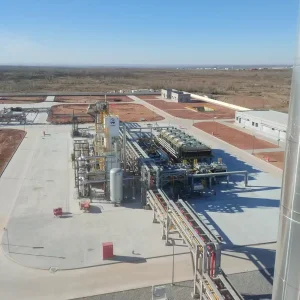
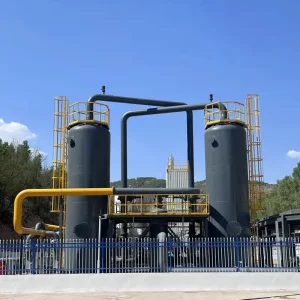
Advanced high-pressure thermal reactors, hydrolysis units, and pressure vessel solutions customized for veterinary services, livestock processing, and laboratory containment in Kazakhstan.
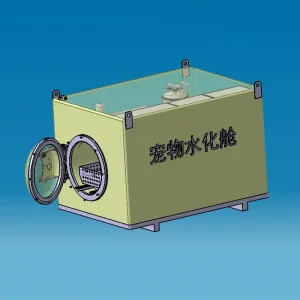
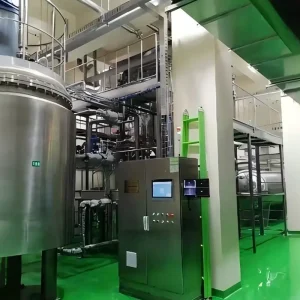
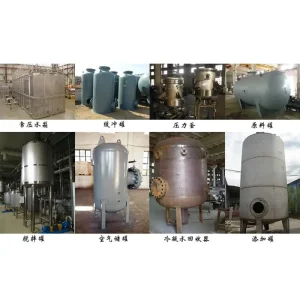
An in-depth analysis of ecological compliance, biosecurity protocols, and advanced processing infrastructure in Central Asia.
As Kazakhstan continues to expand its position as a primary agricultural exporter in Central Asia, the modernization of animal carcass rendering, pathological residue neutralization, and veterinary waste processing has become a top priority. Government initiatives aligned with the Environmental Code of the Republic of Kazakhstan emphasize "Zero Waste" methodologies, biosecurity containment, and strict mitigation of groundwater contamination risks associated with traditional cattle burials.
Kazakhstan's livestock industry is undergoing rapid scaling, particularly across regional agricultural hubs such as Kostanay, Karaganda, and Almaty. However, large-scale livestock accumulation introduces the pressing challenge of managing agricultural byproducts, biological residues, and sudden disease outbreaks. Standard sanitary-epidemiological regulations (SanPiN) mandate that biological waste must not simply be discarded or buried; it must undergo complete sterilization or thermal hydrolysis to prevent the spread of virulent pathogens such as Anthrax, Brucellosis, and Foot-and-Mouth Disease.
Historically, open-air cremation or crude pit burials were common practice. Under current ecological directives, these methods are being systematically replaced by high-temperature hydrolysis reactors, centralized carcass rendering lines, and skid-mounted thermal sterilization units. Procurement directors at major agro-holdings are actively seeking international partners capable of supplying ASME or European-standard pressure vessels that can withstand severe continental winters (often reaching -40°C in Northern Kazakhstan) while maintaining high thermodynamic efficiency.
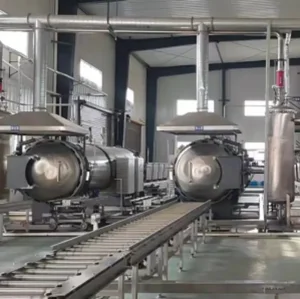
The treatment of animal tissue residues utilizes high-temperature, high-pressure steam hydrolysis. Our proprietary design implements a horizontal or vertical pressure vessel equipped with an internal mechanical agitator. The process can be outlined in three distinct phases:
| Process Phase | Parameters | Objective & Output |
|---|---|---|
| 1. Sterilization & Loading | 121°C - 134°C, 2-3 bar | High-pressure saturated steam penetrates the biological cellular matrix, inactivating all vegetative bacteria, spores, and viral loads. |
| 2. Hydrolysis / Breakdown | 140°C - 160°C, 4-6 bar | Thermal cracking of proteins and lipids. Complex tissues are broken down into sterile liquid fats (tallow) and solid bone/meat meal. |
| 3. Dehydration & Drying | Negative Pressure (Vacuum) | Moisture is evaporated under vacuum conditions to minimize thermal degradation of the byproduct, yielding a stable, low-moisture feed ingredient or biofuel feedstock. |
Crucially for urban-adjacent locations in Almaty or Astana, the system integrates a multi-stage gas treatment line. Off-gases containing VOCs and hydrogen sulfide are routed through condenser units, followed by dry/wet desulphurisation columns or thermal oxidizers to ensure absolute odor control.
In addition to solid animal residue processing, we provide specialized gas recovery, desulphurisation, and pressure vessels for environmental containment.
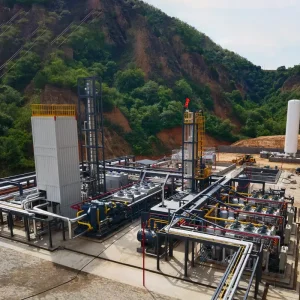
Partnering with a specialized Chinese equipment manufacturer like Hebei Hongke Qingneng Environmental Protection Equipment Co., Ltd. yields critical cost and technological benefits for Kazakh enterprises. With a registered capital of 78 million yuan and an production base in Sanhe Economic Development Zone, Langfang City, we bridge the gap between premium academic engineering and highly efficient industrial production.
Our factory houses an in-house heavy machinery workshop specializing in A2-level pressure vessel design, cold-climate thermal insulation, and automated PLC control integrations. This geographical proximity to the Central Asian rail corridor (Belt and Road Initiative) enables direct, secure delivery of heavy-gauge skid assemblies directly to locations across Kazakhstan, bypassing long maritime transit bottlenecks.
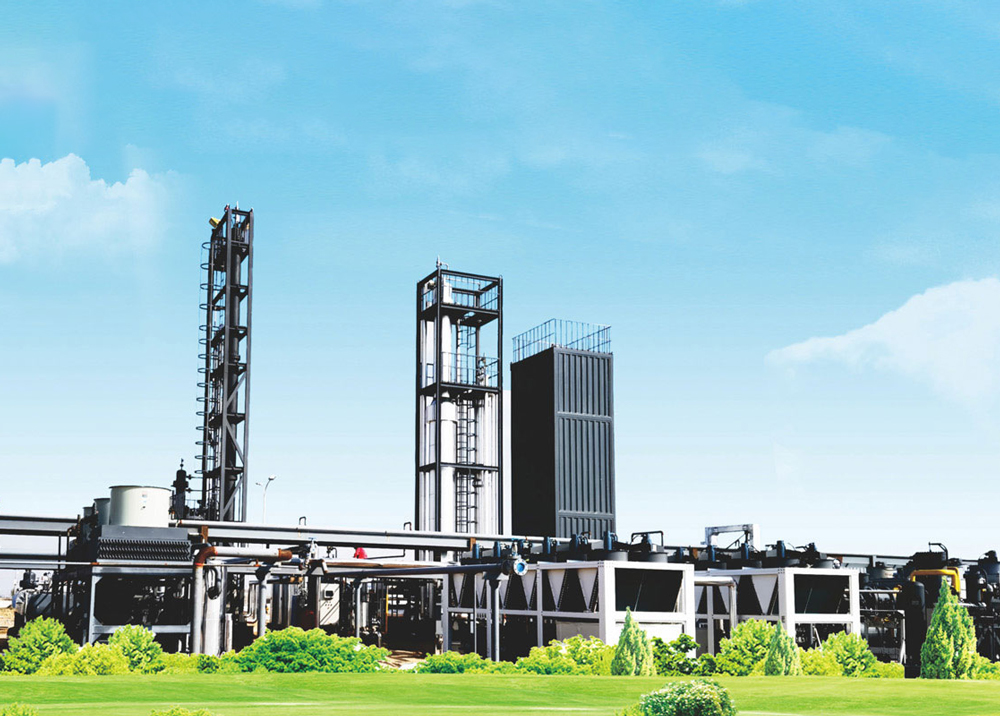
Hebei Hongke Qingneng is not simply an assembly shop; we are a verified high-tech enterprise holding the official A2 Pressure Vessel Manufacturing License, Pressure Pipeline Component License, and ISO9001 Quality System certifications. Our academic partnerships with Tsinghua University and the Chinese Academy of Sciences (CAS) enable us to implement state-of-the-art thermodynamics in our condensation, vacuum-drying, and cryogenic lines.
Our pressure vessels and biological waste processing systems are engineered to meet TR CU 032/2013 (Equipment operating under excess pressure) and TR CU 010/2011 (Safety of machinery) declarations, ensuring smooth customs clearance and regulatory licensing on-site.
The technological leadership of Hebei Hongke Qingneng is driven by leading scholars and thermodynamics experts:
Real-world deployments showcasing biological waste rendering, sterilization lines, and gas purification solutions.
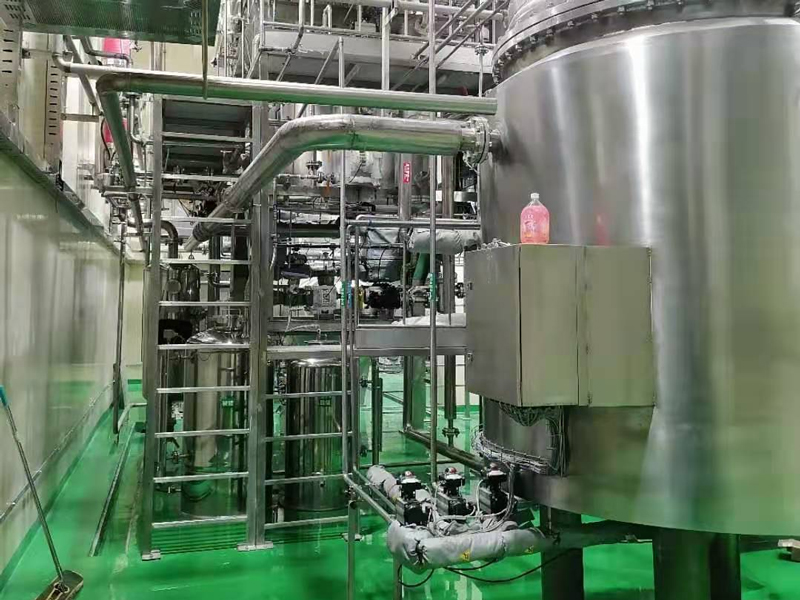
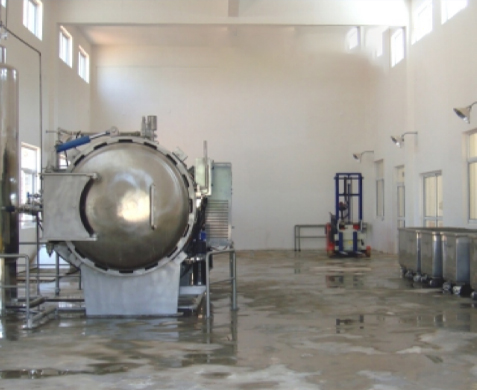
Centralized high-temperature containment and autoclaving system for research facilities.
Inquire Case Details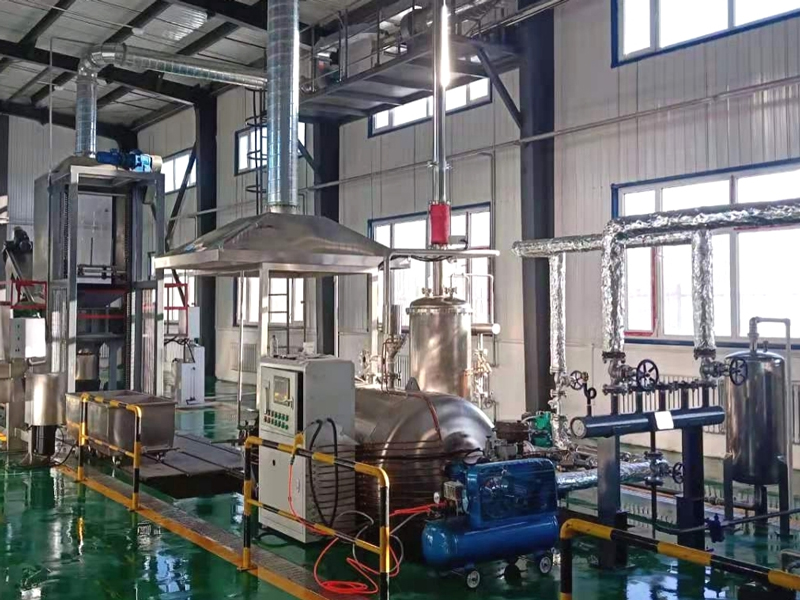
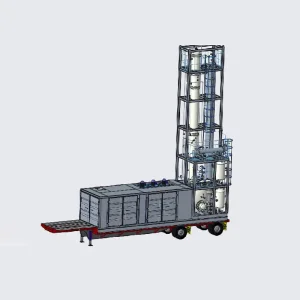
Rapid response trailer-mounted steam treatment units for localized emergency control.
Inquire Case Details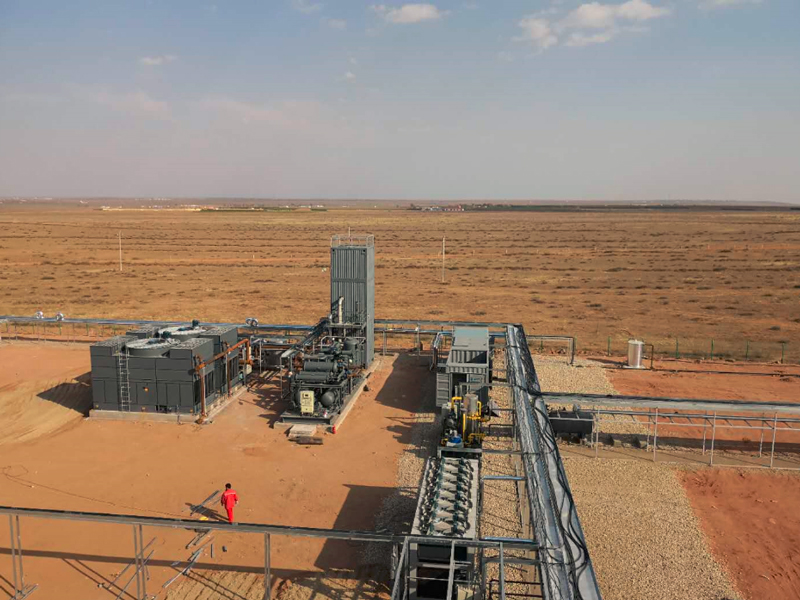
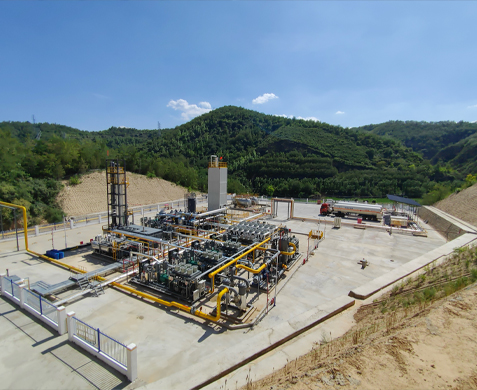
Skid-mounted hydrocarbon and tail-gas separation plant operating in harsh fields.
Inquire Case Details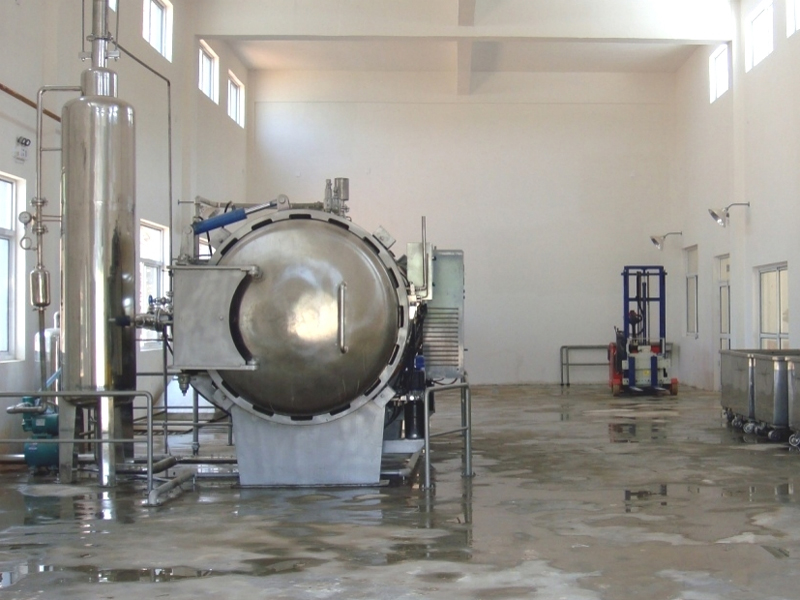
Large-scale continuous sterilization facility with integrated shredding and automated handling.
Inquire Case DetailsA look at the fabrication quality and modular setup of our engineering facilities, pressure piping, and custom vessels.
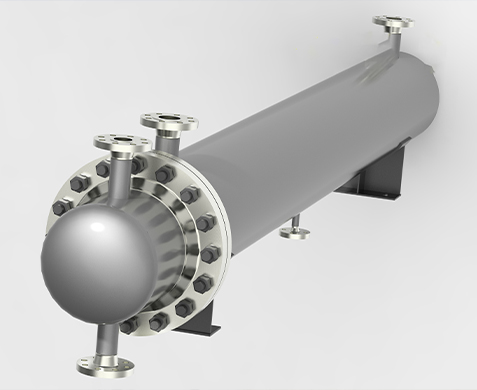
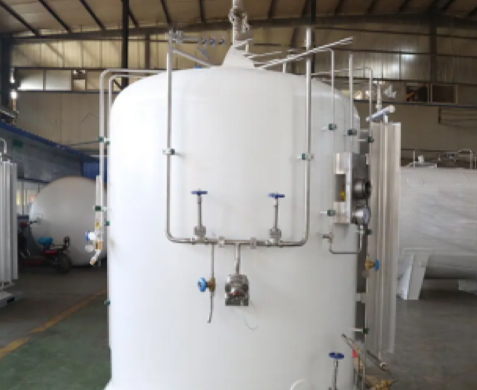
Explore the full portfolio of cryogenic storage, skid-mounted gas treatment, hydrolysis autoclaves, and customized boilers.
Detailed engineered answers regarding localized integration, compliance, thermodynamics, and operations in Kazakhstan.
 Hongke Qingneng