Advanced autoclave, steam treatment, and skid-mounted energy systems engineered for local and regional deployability.
Registered Capital (RMB)
Pressure Vessel Manufacturing License
Skid-Mounted Systems Delivered Globally
Patented Technological Innovations
Evaluating the regulatory transitions and infrastructure pressures on local healthcare sectors.
As the metropolitan footprint of Greater Sydney and the wider New South Wales region expands, healthcare networks face severe compliance demands under the NSW Environment Protection Authority (EPA) guidelines. Traditional logistics networks, relying on long-haul trucking of raw clinical waste to centralized incineration facilities, introduce major carbon footprints, biological contamination liabilities, and escalating tipping fees.
Our systems comply with the NSW Protection of the Environment Operations (Waste) Regulation. Mobile medical waste equipment from Hebei Hongke Qingneng processes biohazards (such as sharps, laboratory cultures, infectious tissues, and clinical plastics) directly at the source, transforming high-risk waste into sterile municipal residue.
By using vehicle-mounted and skid-mounted assemblies, Sydney regional clinics, research laboratories, and remote mining sites can bypass traditional transfer stations, minimizing exposure risks and lowering operational costs across the board.
Employing high-temperature saturated steam under pressure, our equipment reliably achieves a minimum of 6-log10 (99.9999%) reduction of resistant biological indicators (like Geobacillus stearothermophilus spores), exceeding standard sterilization guidelines.
Hebei Hongke Qingneng Environmental Protection Equipment Co., Ltd. - An Industry Pioneer
Established in June 2021 with a registered capital of 78 million yuan, Hebei Hongke Qingneng Environmental Protection Equipment Co., Ltd. is located in the Sanhe Economic Development Zone, Langfang City. We are an energy conservation and environmental protection manufacturer specialized in the design and fabrication of certified pressure vessels, medical waste treatment equipment, and gaseous energy processing units.
Our manufacturing division holds the prestigious A2 level pressure vessel manufacturing license, alongside pressure pipeline component manufacturing licenses, GB/T19001-2016 quality management system certification, and Sinopec HSSE / China Petroleum Safety certifications. We provide one-stop, end-to-end design, manufacturing, and skid integration services to customers worldwide.
An alumnus of the Institute of Physics and Chemistry Technology, Chinese Academy of Sciences (CAS), Dr. Sun is a National Senior Engineer. He has directed key projects under the National 863 Program and the Natural Science Foundation. His academic and industrial contributions have earned him the Special Prize of Technological Invention of the Chinese Society of Refrigeration (2015) and the First Prize of the Beijing Science and Technology Award (2016). Under his leadership, the firm has secured more than 20 independent intellectual property patents.
Holding a Ph.D. from the Institute of Physics and Chemistry Technology (CAS), Dr. Zou oversees business operations. He has led numerous high-profile research projects, including national science and technology special initiatives. He has published 24 peer-reviewed academic papers (including 11 SCI/EI papers) and holds 5 national patents. His work earned the Silver Medal of the 19th China International Industry Expo in 2017.
Dr. Cheng completed his engineering doctorate at the Institute of Physics and Chemistry Technology (CAS). His focus includes the development of skid-mounted natural gas liquefaction systems and thermal transfer mechanisms. With years of experience balancing basic thermodynamic research and practical project engineering, Dr. Cheng oversees the production processes for our gas purification and biological waste treatment platforms.
Why Hongke Qingneng Leads in High-Temperature Steam Sterilization & Energy Skid Systems
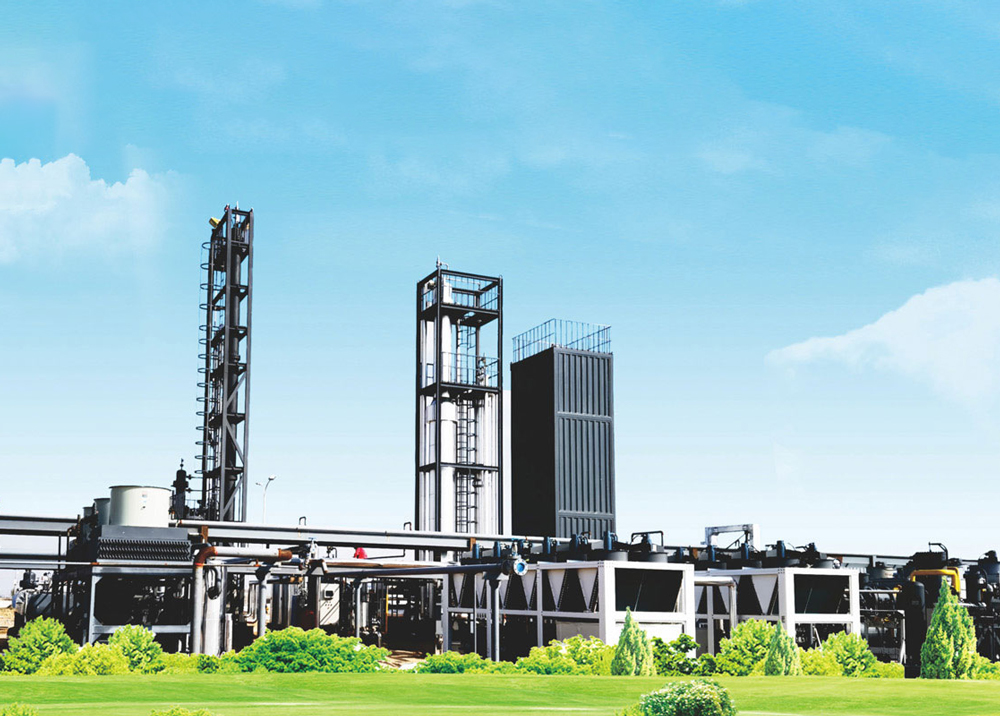
Unlike traditional medical incinerators that generate toxic bottom ash, heavy metals, and harmful dioxins, our High-Temperature Steam Treatment Systems use pressurized steam to neutralize pathogens. By maintaining temperatures of 134°C to 138°C at saturated pressures, the system destroys bacterial spores and viral pathogens without toxic combustion emissions.
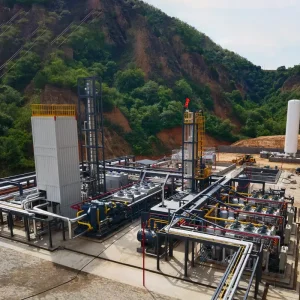
Our core expertise in thermal dynamics, stemming from research at the Chinese Academy of Sciences, enables us to manufacture specialized skid-mounted natural gas (LNG) units, VOC gas treatment devices, and non-standard pressure vessels. We apply the same quality standards used in petro-chemical pressure vessels to our medical waste containment systems, ensuring long-term durability and safety.
Pioneering the next generation of zero-emission biomedical waste recovery solutions.
Developing telemetry modules for real-time monitoring of autoclave pressure and temperature profiles, ensuring complete digital traceability for compliance reporting.
Integrating heat exchangers to recycle waste heat from steam condensate, cutting overall power consumption by up to 25%.
Developing skid-mounted units powered by bio-gas, hydrogen fuel cells, or battery storage for remote operations and mobile deployments.
Refining biological wastewater filtration systems to filter, treat, and recycle condensate water inside a closed-loop system.
Demonstrating engineering reliability and environmental safety across regions
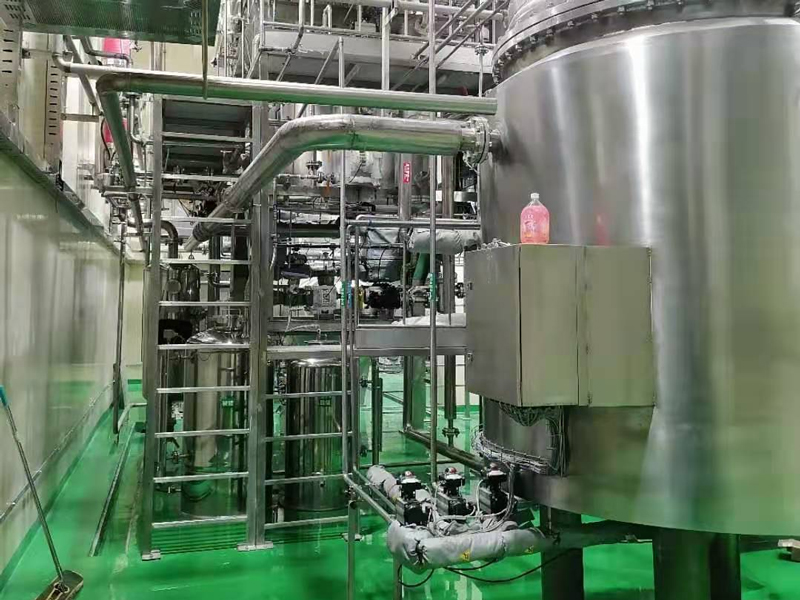
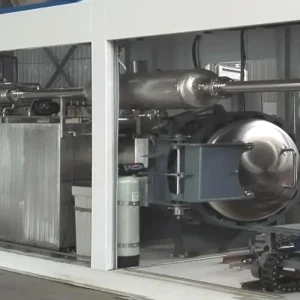
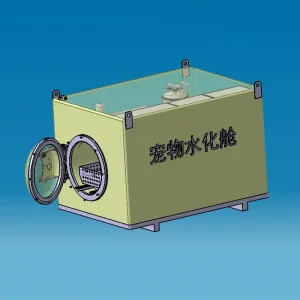
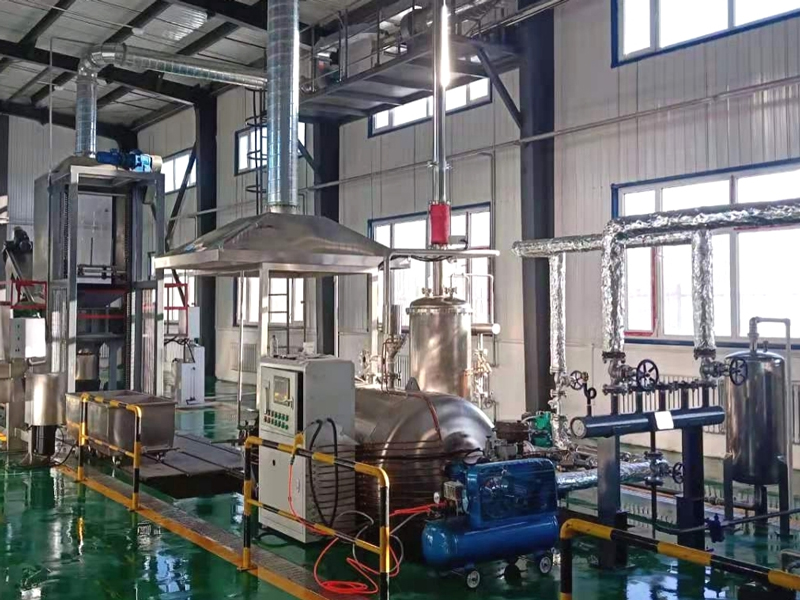
High-temperature thermal hydrolysis unit engineered for research institutions and veterinary universities to safely treat bio-hazardous tissues.
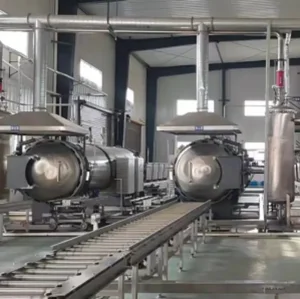
Containerized mobile sterilizer with an integrated shredder, designed for emergency response, field clinics, and isolated communities.
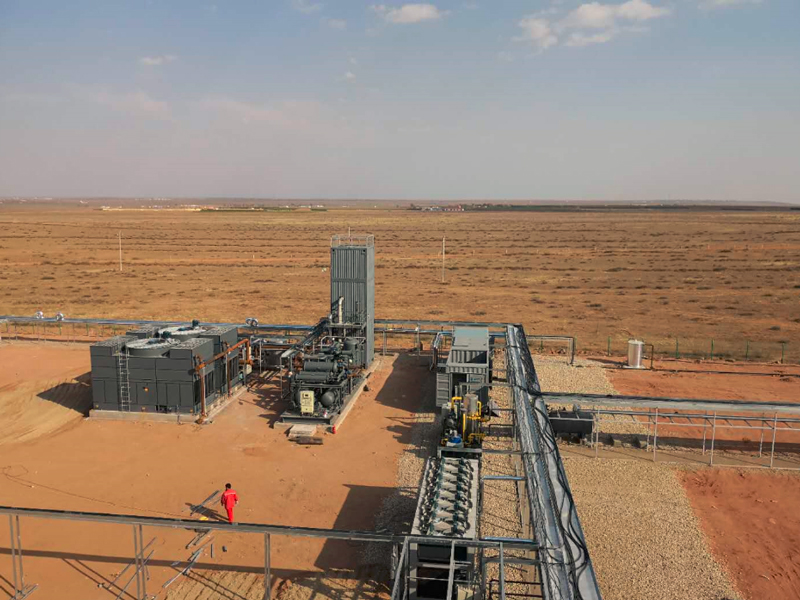
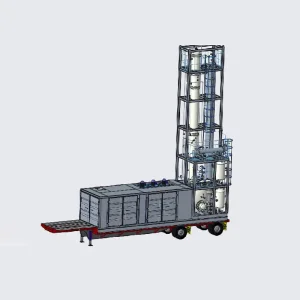
A portable liquefaction system designed to recover isolated gas resources, reducing flaring and greenhouse gas emissions.
Comprehensive technical products utilizing advanced thermodynamics and pressure technology
Across global metropolitan areas like Sydney, public health authorities are shifting their waste management strategies. The historical reliance on massive, centralized combustion plants is giving way to onsite, point-of-generation processing systems. This change is driven by environmental concerns and the financial realities of hazardous waste logistics.
The transportation of biohazardous waste carries inherent safety risks. Spillages, highway incidents, and potential exposure to infectious agents (such as bloodborne pathogens and aerosolized viruses) present serious liabilities for waste management companies and generators. Point-of-generation treatment using mobile equipment helps mitigate these risks. Once sterilized, clinical waste can be safely handled as standard municipal solid waste.
Medical waste is bulky, consisting largely of single-use plastics, protective equipment, and packaging. High-temperature steam autoclaves equipped with integrated heavy-duty shredders can achieve up to an 80% volume reduction. Shredding also renders clinical waste unrecognizable, ensuring compliance with global healthcare standards and preventing scavenging risks.
Incineration releases volatile heavy metals, acid gases, and particulate matter into the atmosphere. In contrast, autoclaving uses steam sterilization to neutralize pathogens without burning. Steam treatment systems also operate with lower energy inputs and greenhouse gas outputs, supporting carbon reduction targets.
Technical and regulatory queries answered by our senior engineering directors.
Contact our senior technical sales team for comprehensive custom specifications, compliance documentation, and project cost estimates.
 Hongke Qingneng