Advanced, modular equipment optimized for high-pressure reservoirs and remote wellheads
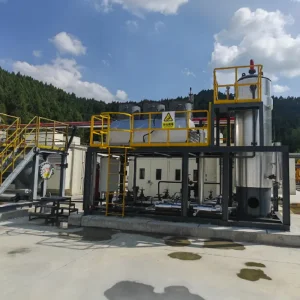
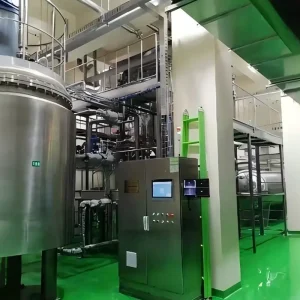
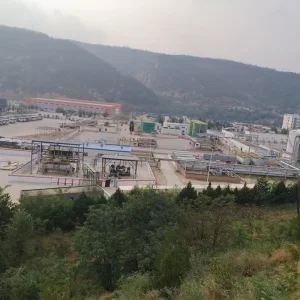
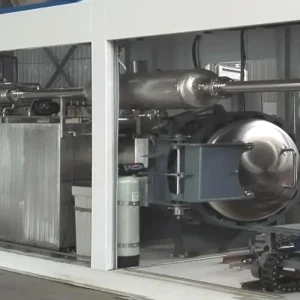
Aligning with ANH Regulations, Methane Mitigation Mandates, and Ecopetrol Sustainability Goals
Colombia represents one of South America's most dynamic yet complex energy landscapes. As major energy operators like Ecopetrol, Frontera Energy, and Gran Tierra Energy navigate the transition toward lower-carbon operations, the mitigation of associated gas flaring has become a legal and operational mandate. The National Hydrocarbons Agency (ANH) of Colombia has instituted strict guidelines regarding carbon emissions and resource preservation. Recovering valuable hydrocarbons from plant tail gas and wellhead exhaust is no longer optional; it is essential to securing social licenses and avoiding high carbon taxes.
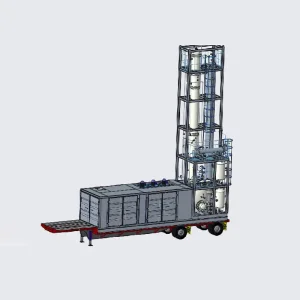
Tail gas recovery units (TGRU) deployed in Colombia's oil and gas fields face unique ambient and geographic pressures. Ranging from high-humidity coastal basins like La Guajira to deep, mountainous jungle terrains like the Llanos basin, treatment plants must be compact, robust, and highly modular. This is where high-quality skid-mounted tail gas recovery systems offer unmatched engineering advantages.
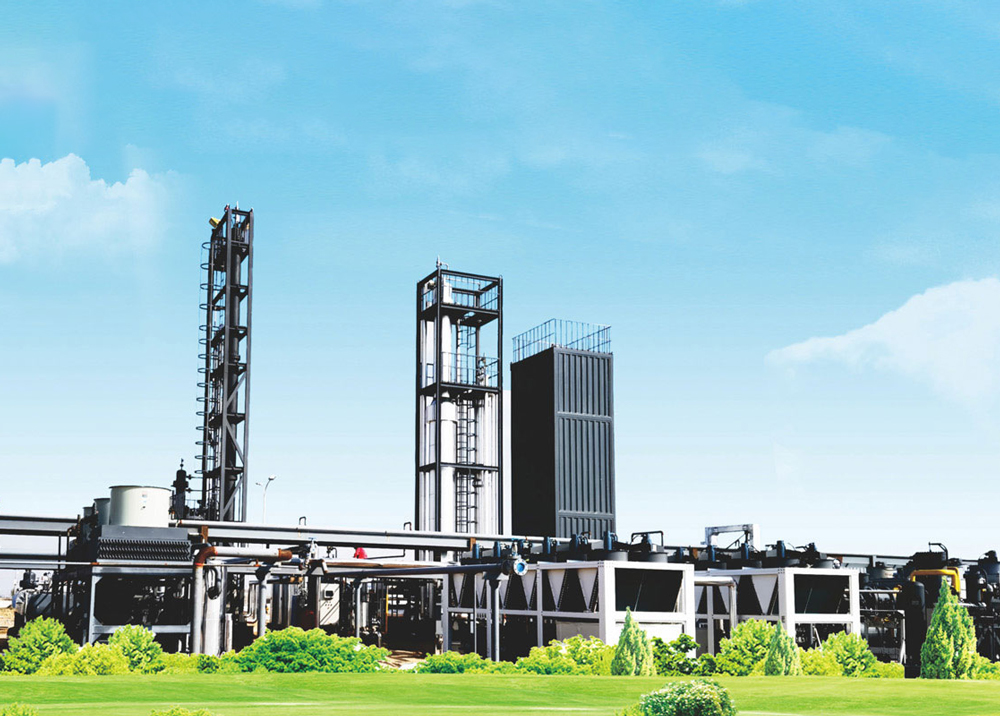
Across the globe, the focus on ESG metrics has redefined what waste gas means. In the past, tail gas from Claus sulfur recovery units or BOG (Boil-Off Gas) from LNG storage facilities was routed directly to high-temperature thermal oxidizers or flare stacks. Today, thermal integration, low-temperature catalytic oxidation, and cryogenic separation technologies are utilized to capture valuable components, including Liquefied Petroleum Gas (LPG), natural gas liquids (NGLs), and trace elements like helium.
By capturing tail gas and processing it through multi-stage condensation, membrane separation, and pressure swing adsorption (PSA), operators are converting waste lines into secondary profit centers. The international price volatility of pipeline natural gas and the surging demand for domestic LPG in Colombia make tail gas recovery highly lucrative, yielding payback periods of less than 24 months for modern skid installations.
Backed by the Chinese Academy of Sciences & Tsinghua University Alumni Expertise
Hebei Hongke Qingneng Environmental Protection Equipment Co., Ltd. was established in June 2021 with a registered capital of 78 million yuan. Located in the industrial core of Sanhe Economic Development Zone, Langfang City, we operate a state-of-the-art R&D and manufacturing facility dedicated to energy conservation, environmental protection, and cryogenic liquefaction. Our team focuses on engineering and fabricating pressure vessels, petrochemical tail gas recovery skids, BOG helium extraction devices, VOC abatement networks, and specialized industrial biological waste treatment systems.
Holds a Ph.D. from the Institute of Physics and Chemistry Technology, Chinese Academy of Sciences (CAS). National Senior Engineer. Recipient of the Special Prize of Technological Invention from the Chinese Society of Refrigeration and the First Prize of the Beijing Science and Technology Award. Presided over 20+ independent R&D patents and managed 50+ modular skid liquefaction installations globally.
Ph.D. candidate and Senior Engineer at the Institute of Physics and Chemistry Technology, CAS. Author of 24 international peer-reviewed papers (11 SCI/EI indexed). Holds multiple national patents in industrial refrigeration and gas separation. Winner of the Silver Medal at the 19th China International Industry Expo.
Doctor of Engineering from the Institute of Physics and Chemistry Technology, CAS. Expert in mixed refrigerant thermodynamic phase-change heat transfer and non-equilibrium fluid dynamics. Led the process design of multiple LNG terminals and skid-mounted tail gas recovery operations internationally.
Combining academic design precision with cost-effective Chinese supply chain integration
We possess national A2-level pressure vessel design and manufacturing licenses, complying with strict ASME equivalents required for high-risk petrochemical installations in South America.
Certified in Sinopec HSSE and China Petroleum Quality, Health, Safety, and Environment Systems. Our equipment is built to withstand hazardous Class I Div 1 environments.
Manufacturing in Langfang permits a highly optimized component supply network, rendering our units 30-40% more cost-effective than Western equivalents with matching high-tier instrumentation (Siemens/ABB/Swagelok).
Engineered solutions designed for the challenging operational topographies of South America
Many wells in Colombia’s Middle Magdalena Valley (MMV) are situated in geographic pockets away from pipeline infrastructure. Building permanent pipelines to connect isolated gas hubs is economically unfeasible. By installing skid-mounted tail gas recovery systems directly at the oil-gas separation stage, producers can capture and condense high-BTU gas. These vapors are converted into local power feedstocks, or condensed into LPG for truck-based virtual pipeline logistics, avoiding routine flaring penalties.
Natural gas in gas basins like La Guajira or onshore reservoirs frequently contains hydrogen sulfide (H2S) and high concentrations of carbon dioxide (CO2). Standard treatment plants utilize amine gas sweetening units, which generate a sulfur-rich tail gas line. Our custom-designed desulphurisation and tail gas polishing skids capture remaining sulfur compounds, enabling compliance with strict environmental air-quality limits imposed by regional autonomous corporations (CARs) in Colombia.
As Colombia increases its LNG import capacities (e.g., SPEC LNG terminal in Cartagena) to backstop power generation, managing boil-off gas (BOG) from cryogenic storage tanks is critical. Our low-temperature refrigeration loops (-40°C to -180°C) re-liquefy BOG and recycle it directly to main storage volumes, protecting the commercial margins of terminal operators.
Tailored structural skids calculated according to NSR-10 (Norma Sismo Resistente Colombiana) for safe operations in active Andean fault lines.
Heavy-duty structural coatings and marine-grade stainless steels (SS316L) to prevent salt-fog degradation in coastal Barranquilla and Cartagena terminals.
Upgraded fan-coil design and high-pressure fin arrays for gas installations situated at high altitudes (e.g., Cundinamarca and Boyacá basins).
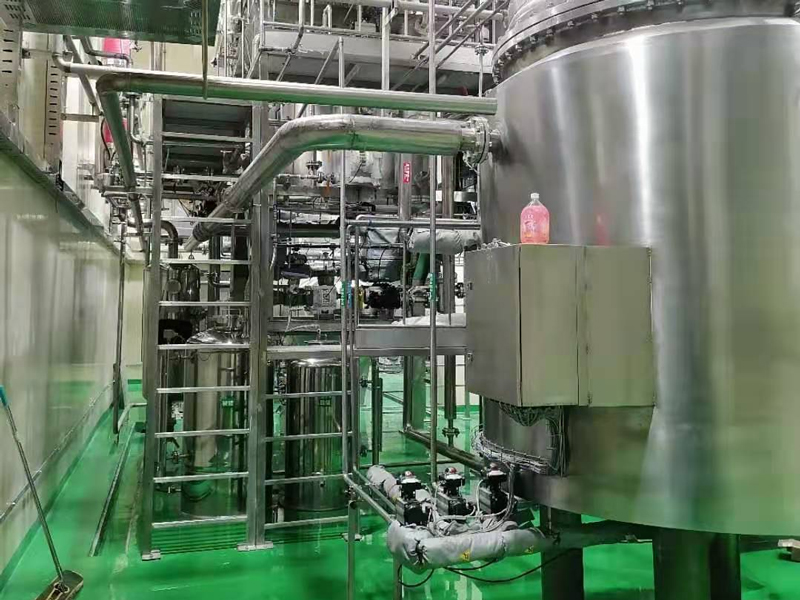
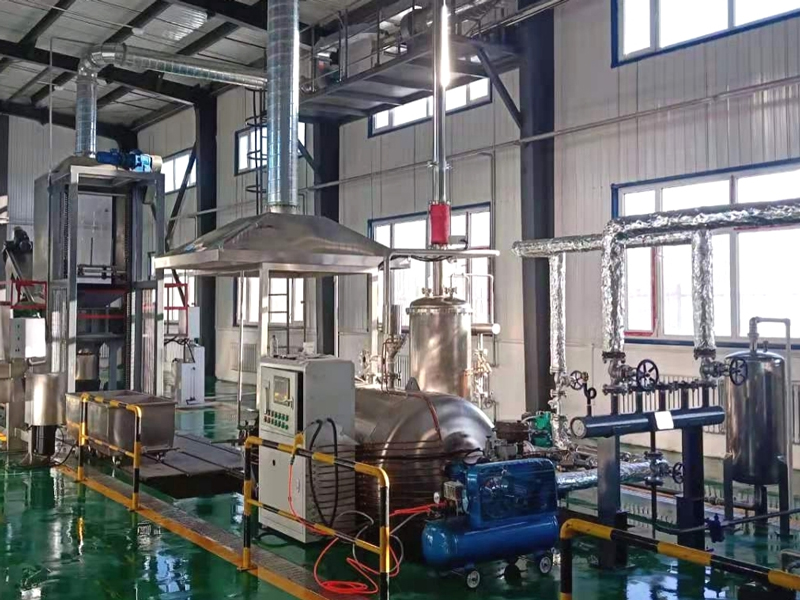
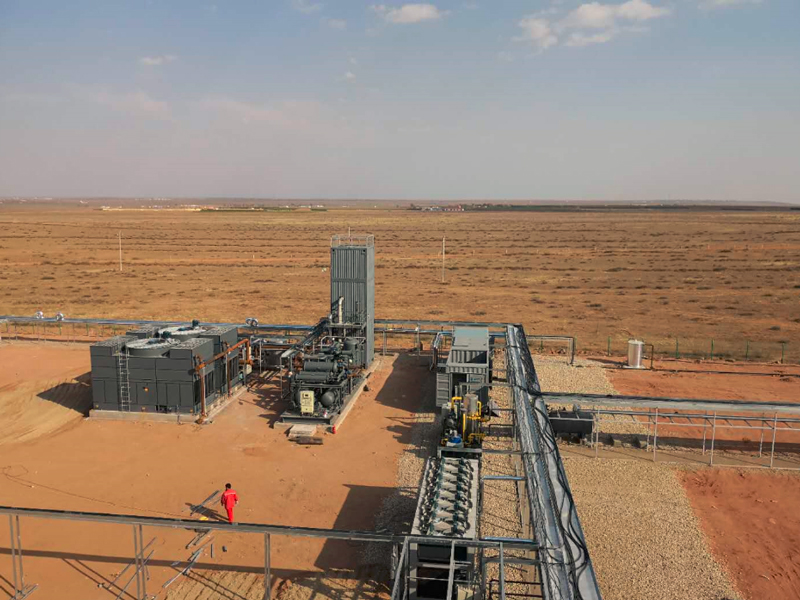
Proven track record of successful gas processing and ecological management systems
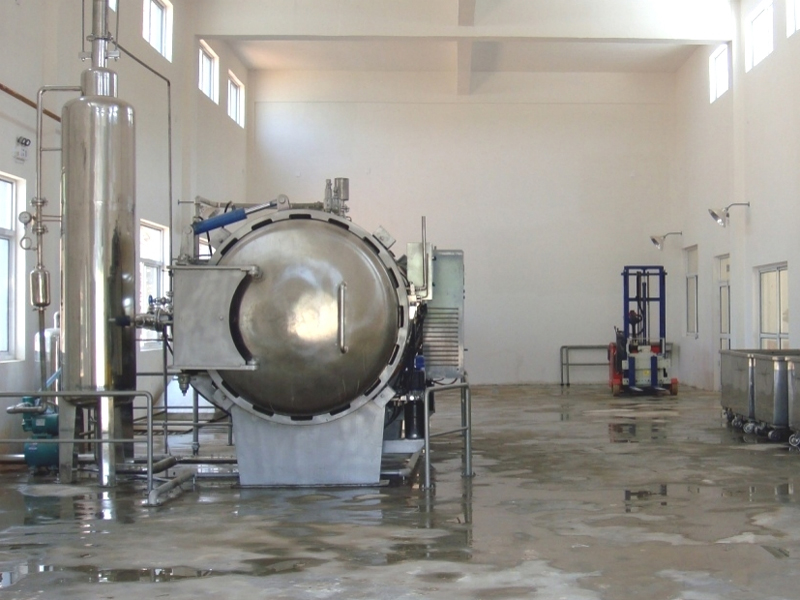
Addressing engineering specifications, standards, and import logistics for Colombia
Explore our full range of certified industrial skids, cryogenic systems, and pressure vessels
 Hongke Qingneng