Engineered to meet the stringent demands of the Norwegian North Sea continental shelf, featuring advanced structural design, high corrosion resistance, and total process safety.
Norway is pioneer in the global transition toward cleaner industrial technologies, carbon neutrality, and deepwater exploration. From the traditional offshore drilling clusters in Bergen and Stavanger to the carbon capture and storage (CCS) hubs like Northern Lights in the North Sea, the demand for highly specialized, non-standard pressure vessels has reached unprecedented levels.
These applications demand equipment designed from the ground up to endure extreme structural stresses, cyclical cryogenic temperatures (for LNG and liquid CO2 transport), and highly corrosive marine atmospheres. Standarized mass-market designs fail to meet the strict NORSOK standards and specific project conditions dictated by Norwegian regulatory bodies, such as the Norwegian Directorate for Civil Protection (DSB) and the Petroleum Safety Authority Norway (PSA).
Operating temperatures ranging from sub-zero Arctic conditions (-46°C to -196°C) to high-pressure gas extraction (up to 300+ Bar) demand extreme precision in metallurgy and structural analysis.
Combining world-class thermodynamic research with advanced pressure vessel manufacturing paradigms to guarantee compliance, safety, and operational longevity.
Ph.D. from the Institute of Physics and Chemistry Technology, Chinese Academy of Sciences. Recipient of major national science and technology special project awards. Leading the design of advanced thermodynamics and structural integration.
Senior Engineer at the Institute of Physics and Chemistry Technology, CAS. Specialist in small skid-mounted liquefaction systems, gas processing, and environmental process purification. Author of 24 major academic publications.
Ph.D. in Engineering from CAS. Expert in mixed working medium phase changes, cryogenic heat transfer flow characteristics, and customized high-pressure boundary integrity calculations.
Deploying specialized modular process technologies for offshore platforms, municipal facilities, and waste treatment plants across Norway.
Fully compliance-tested centralized medical waste steam sterilizers, mobile waste decontamination platforms, and high-temp hydrolysis containment vessels designed for strict bio-security compliance.
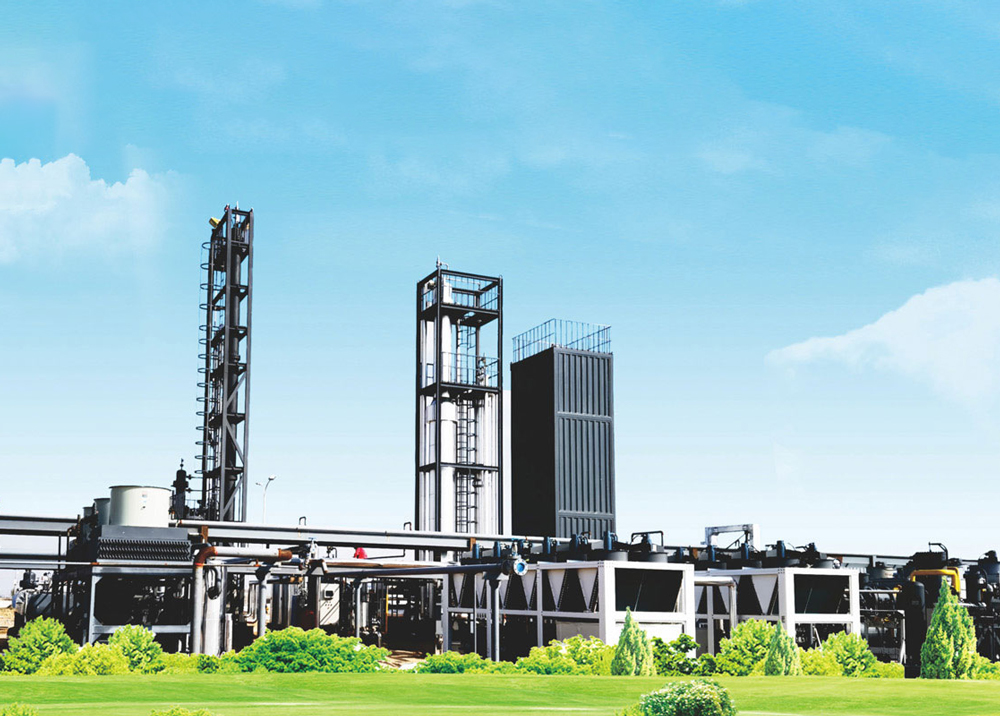
Modular skid-mounted liquefaction facilities, custom-designed separation columns, amine-based deacidification systems, and dehydration vessels tailored for North Sea operators.
Ultra-low temperature systems (-40°C to -180°C), custom vacuum cold traps, helium extraction vessels, and heavy-duty shell and tube heat exchangers built to handle massive thermal expansions.
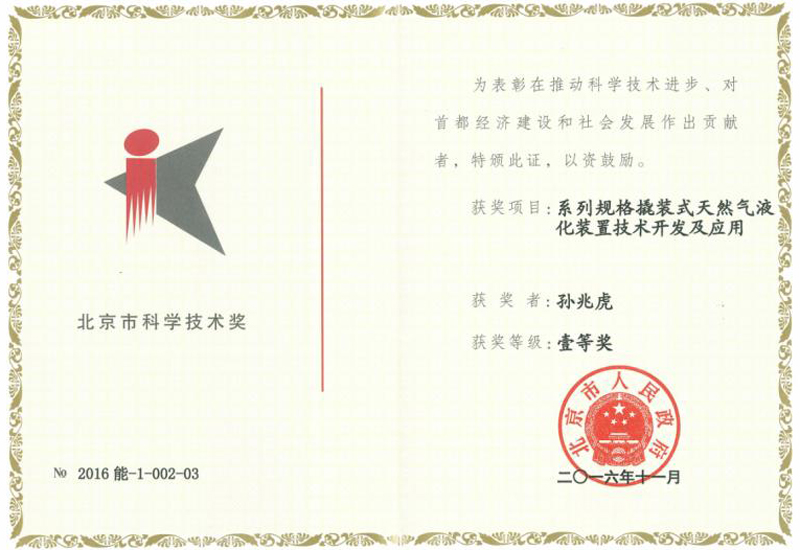
Importing pressure equipment into Norway requires strict adherence to European regulations and Scandinavian industry benchmarks. We provide complete manufacturing transparency, aligning our operations with the European Pressure Equipment Directive (PED 2014/68/EU), CE mark registration, and special material qualification guidelines under NORSOK M-650.
Our Quality Management System is certified under GB/T19001-2016 (ISO 9001:2015 equivalents) and Sinopec HSSE / China Petroleum Safety Management protocols. Every weldment, structural support, and pressure boundary undergoes meticulous non-destructive testing (NDT), including radiographical (RT), ultrasonic (UT), magnetic particle (MT), and liquid penetrant testing (PT) accompanied by complete material traceability reports (EN 10204 3.1/3.2 certificates).
Strict utilization of Super Duplex stainless steel, Hastelloy, and cryogenic carbon steels matching NACE MR0175/ISO 15156 standards.
Partnering with DNV, Lloyd's Register, and TÜV Rheinland to verify hydro-tests, design calculations, and weld integrity.
Combining high-efficiency production lines with customized engineering design to offer unmatched value for Norwegian infrastructure developments.
By coordinating with localized industrial clusters in Northern China (Sanhe Economic Development Zone, Langfang), we maintain continuous access to high-grade steel mills, automated plasma cutting, automatic submerged arc welding (SAW) stations, and state-of-the-art heat-treatment furnaces. This industrial centralization reduces structural costs while speeding up execution timelines.
Compared to Western European fabricators, our engineering team, guided by researchers from the Chinese Academy of Sciences, can optimize wall thicknesses through advanced Finite Element Analysis (FEA) and computational fluid dynamics (CFD). The result is lighter, structurally optimized pressure vessels that require less structural support on offshore platforms, significantly cutting shipping and installation costs for Norwegian engineering companies.
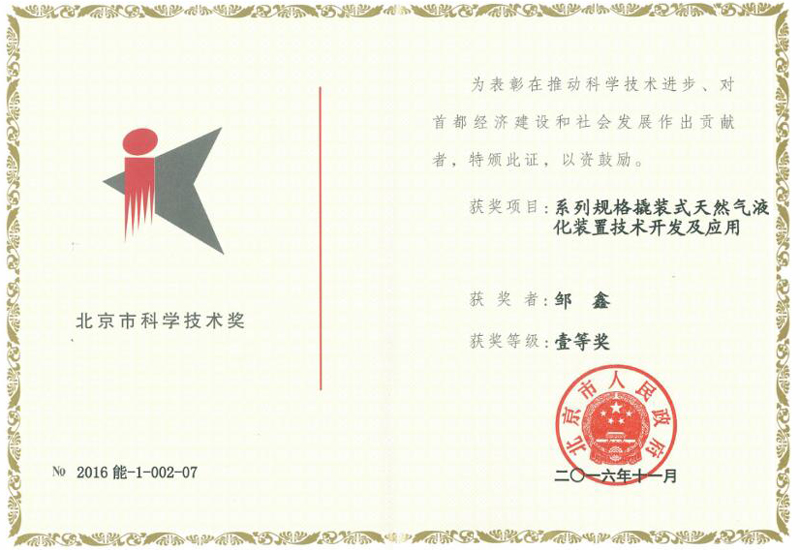
Explore some of our major projects engineered for hazardous areas, demanding cryogenic operations, and specialized waste treatment installations.
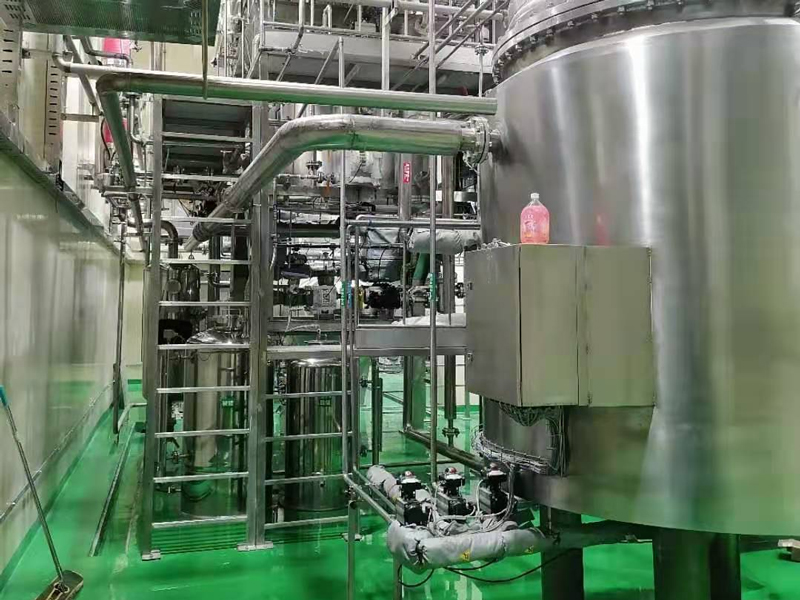
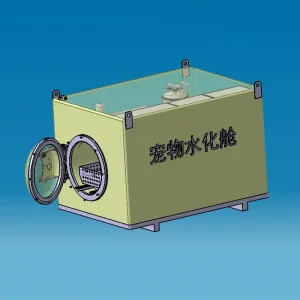
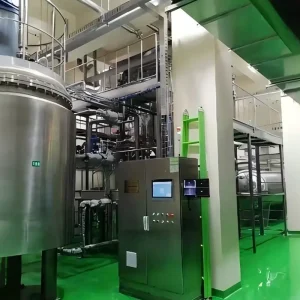
High-pressure alkaline hydrolysis system featuring automatic loading and custom bio-sealing boundaries designed for Scandinavian laboratories.
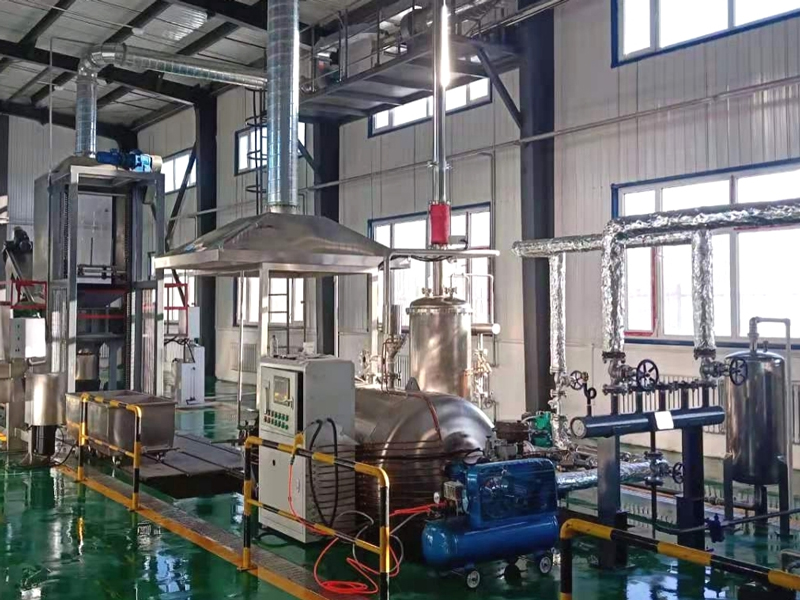
Fully containerized, rugged mobile autoclave system designed for remote northern regions and rapid emergency medical response.
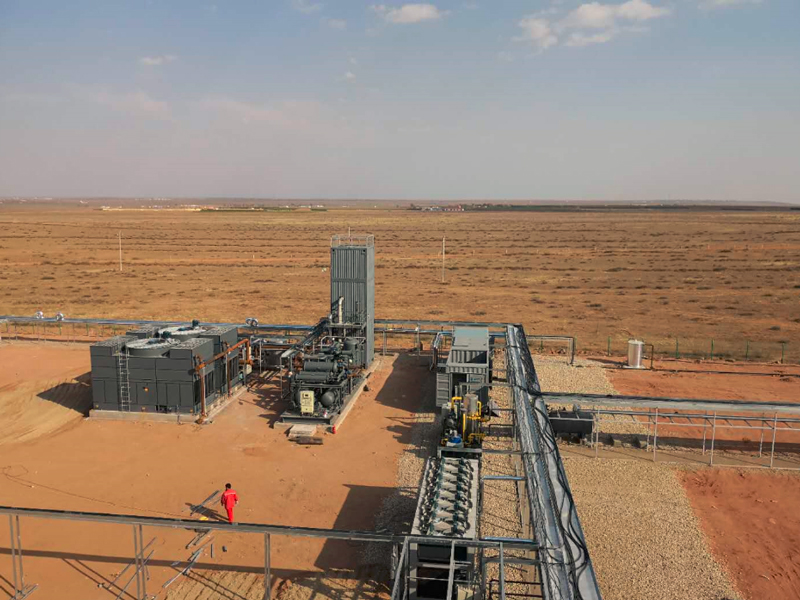
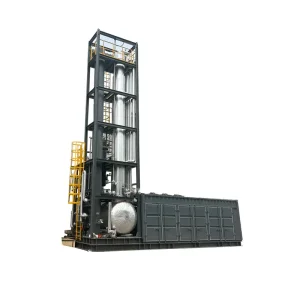
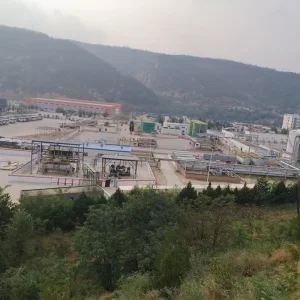
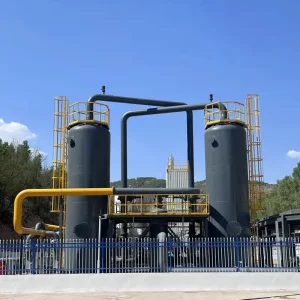
A high-capacity natural gas processing plant capable of recovering flared gases under demanding coastal atmospheric conditions.
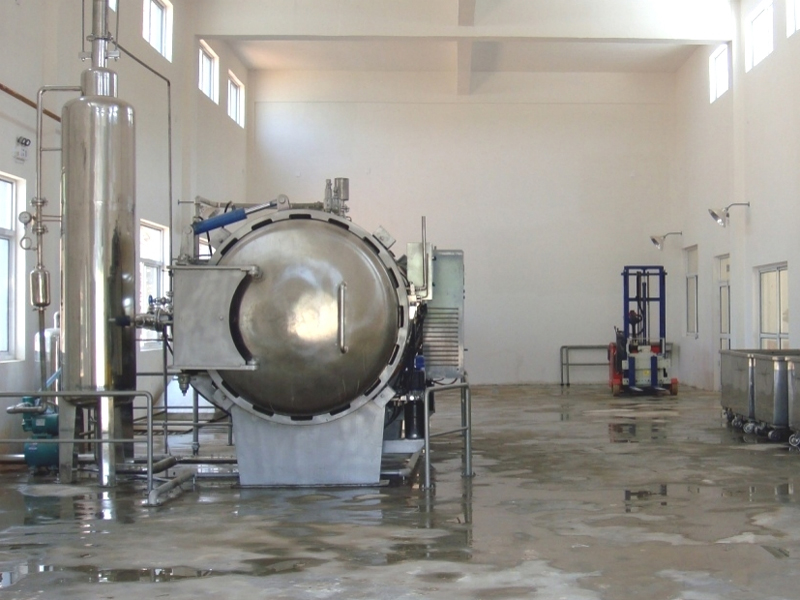
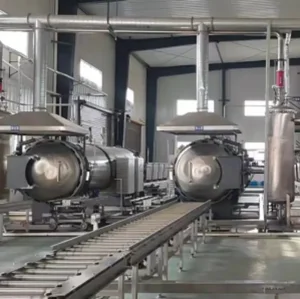
A high-volume heavy-wall cylindrical sterilizer utilizing multi-stage pre-vacuum processes to handle municipal bio-waste.
Engineered to deliver high thermal efficiency, precise control, and safe operation for offshore platforms, refineries, and municipal treatment systems in Norway.
Providing clarity on regulatory compliance, engineering standards, material sourcing, and logistical support for importing custom pressure vessels into Norway.
Yes. We specialize in custom designs compliant with the European Pressure Equipment Directive (PED 2014/68/EU) and CE marking requirements. Additionally, for Norwegian offshore applications, we select raw materials from foundries and mills qualified under NORSOK M-650 standards. We provide complete EN 10204 3.1 material certificates and support 3.2 third-party inspection audits.
To resist chloride stress corrosion cracking typical of marine environments, we work with duplex stainless steel (such as Duplex 2205 / UNS S31803 and Super Duplex 2507 / UNS S32750), high-alloy stainless steels (316L, 904L), Hastelloy C276, and titanium. All materials are tested to ensure they satisfy Charpy V-notch impact toughness requirements at low design temperatures.
We design in accordance with ASME Section VIII Div. 1 & Div. 2, EN 13445, and AD 2000 rules. Our engineering team, supported by experts from the Chinese Academy of Sciences (CAS), uses PV Elite for basic design verification and ANSYS for localized Finite Element Analysis (FEA) at nozzles, saddles, and lifting lugs to guarantee structural safety under fatigue conditions.
We deliver under FOB, CIF, or DDP terms. Heavy skid-mounted units are securely packed on heavy-duty steel saddles and treated with marine-grade rust preventative coatings. Shrink-wrapping and vacuum desiccants are utilized inside protective structures to safeguard delicate instrument panels and valves during ocean transport from Tianjin/Shanghai to major Norwegian industrial ports.
Get in touch with our elite engineering team today. Send us your datasheets, design parameters, and compliance requirements to receive a comprehensive technical proposal and quote.
Send Inquiry Now Hongke Qingneng