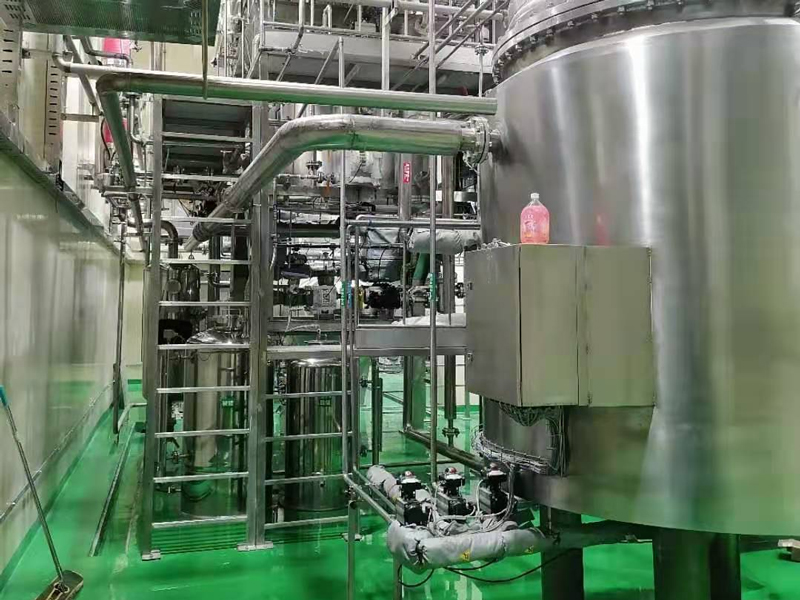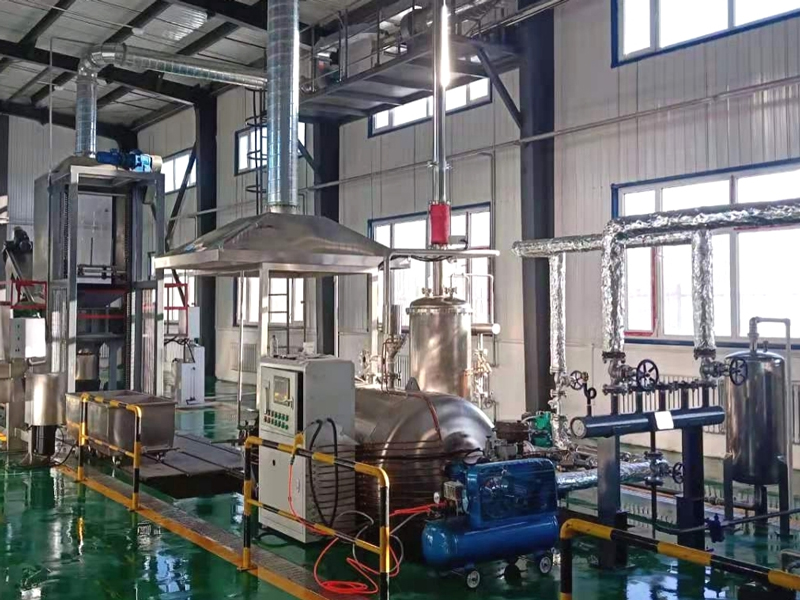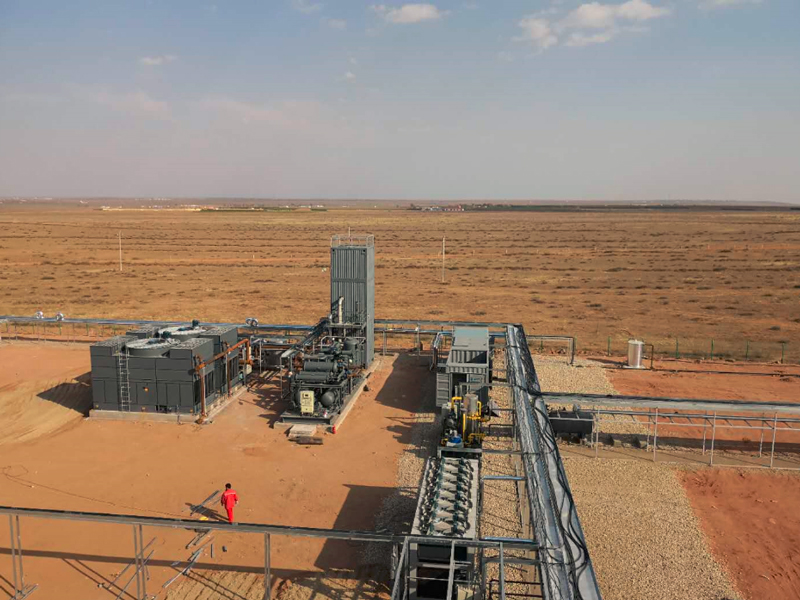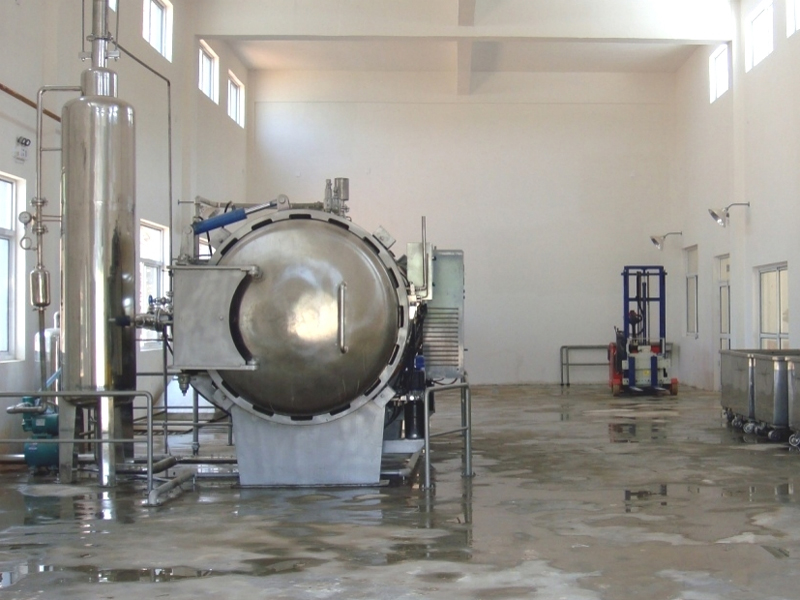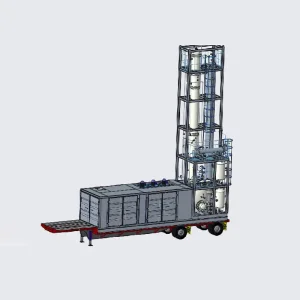
Advanced cryogenic liquefaction systems engineered for peak performance and strict California localized grid demands.
View Specifications →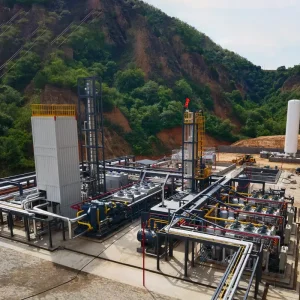
Compact design engineered for decentralized coalbed methane, shale gas, and isolated pipeline access points.
View Specifications →
State-of-the-art multi-stage refrigeration modules configured for non-conventional natural gas streams.
View Specifications →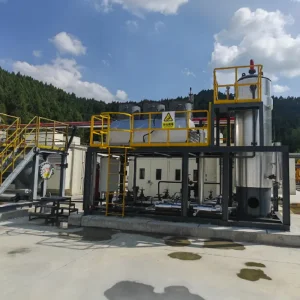
Industrial-grade flare gas and tail gas recovery systems complying with Bay Area Air Quality regulations.
View Specifications →The San Francisco Bay Area is at the forefront of the global energy transition. With California's aggressive policies to reduce greenhouse gas emissions, industrial operators and municipal utilities are facing intense pressure to replace carbon-intensive infrastructure. In this dynamic regulatory environment, truck-mounted and skid-mounted liquefied natural gas (LNG) plants emerge as critical transition vectors. They provide highly flexible, decentralized, and scalable infrastructure capable of converting remote or previously flared methane into valuable, clean-burning liquid fuel.
This whitepaper details the architectural, thermodynamic, and mechanical advantages of skid-mounted LNG units manufactured by Hebei Hongke Qingneng Environmental Protection Equipment Co., Ltd. Backed by extensive research collaborations with elite institutions, including the Institute of Physics and Chemistry Technology of the Chinese Academy of Sciences (CAS) and Tsinghua University, our systems provide Northern California operators with the capability to process, liquefy, and store gas locally while complying with the strict safety and ecological standards set by California regulatory bodies.
"Decentralization is the cornerstone of modern energy resilience. By combining the agility of a truck-mounted footprint with the high thermal efficiency of a large-scale cryogenic plant, operators in California can establish rapid-response LNG supply chains with zero stranded assets."
The industrial landscape of Northern California is defined by unique micro-economic and environmental parameters. Key focus areas driving the demand for modular LNG plants in the San Francisco market include:
Established in June 2021 with a registered capital of 78 million yuan, our high-tech manufacturing center is located in the Sanhe Economic Development Zone, Langfang City. We focus on the design, engineering, and manufacturing of advanced environmental protection systems, industrial refrigeration, and modular skid-mounted liquefaction facilities.
Our competitive advantage lies in our world-class R&D team, led by renowned PhDs and Senior Engineers from the Chinese Academy of Sciences and Tsinghua University. Holding A2-level pressure vessel manufacturing licenses, pressure pipeline component manufacturing permits, and GB/T19001-2016 quality system certifications, we offer customized solutions built to international standards, including ASME and PED protocols.
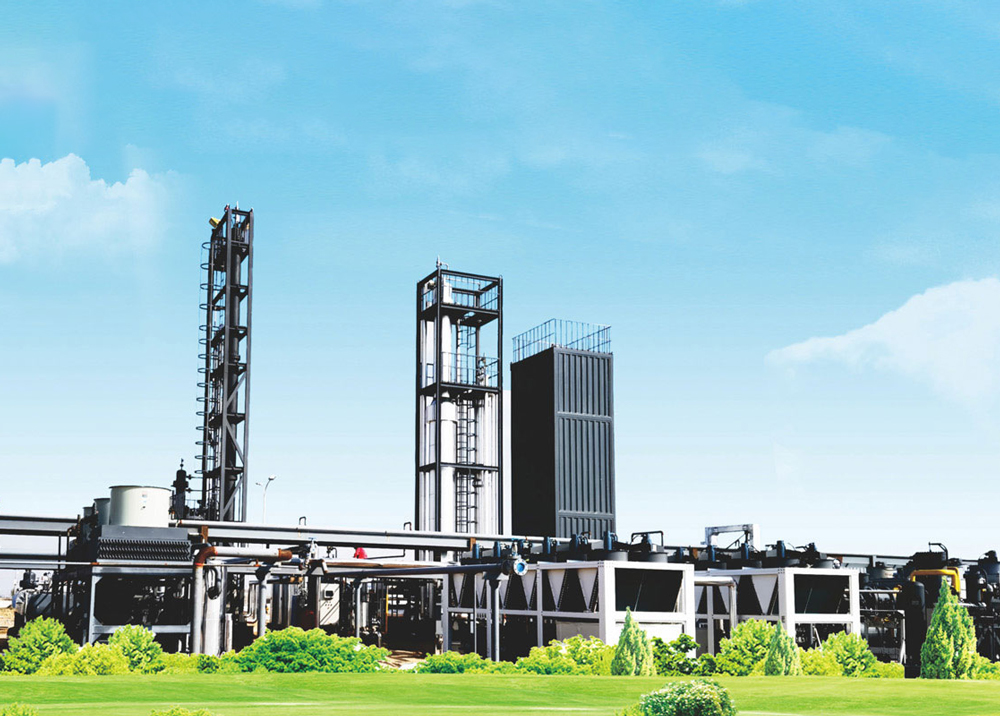
Our skid-mounted LNG liquefaction systems utilize the Mixed Refrigerant Cycle (MRC) process, which is optimized for small-to-medium-scale mobile units. Unlike traditional cascade systems that require multiple compressors, MRC utilizes a single compressor circuit handling a mixture of nitrogen, methane, ethane, propane, and butane. This significantly reduces the structural footprint, makes transportation easier, and lowers mechanical wear points.
| Parameter | Value / Range | Engineering Standard |
|---|---|---|
| Liquefaction Capacity | 5,000 to 150,000 Nm³/day | ISO 16903 / NFPA 59A |
| Feed Gas Pressure Range | 1.5 to 7.0 MPa (G) | ASME B31.3 Piping |
| Inlet CO2 Allowance | ≤ 3.0 % (vol) pre-treatment | MDEA Deacidification Skid |
| Refrigeration Technology | Single Mixed Refrigerant (SMR) | CAS Cryogenic R&D Lab |
| Structural Compliance | California Seismic Zone 4 Ready | ASCE 7-16 / IBC Compliance |
Founder & Chairman
Doctorate from the Institute of Physics and Chemistry Technology, Chinese Academy of Sciences. Awarded Beijing's Science & Technology first prize, Dr. Sun has led 863 Program projects and managed structural engineering implementation on over 50 large-scale liquefaction arrays.
General Manager
PhD scholar and former researcher at the Chinese Academy of Sciences. Published 24 peer-reviewed international scientific papers and holds 5 critical patents in specialized thermodynamic cycle operations.
Chief Engineer
Doctor of Engineering from CAS. Recognized for breakthroughs in fluid flow characteristics of mixed refrigerants under extreme cold conditions, bridging theoretical physics and heavy industrial manufacturing.
Deploying energy infrastructure in Northern California requires navigation of some of the world's most detailed compliance standards. Our skid-mounted LNG configurations are specifically designed to address these regulatory frameworks:
Because our plants are manufactured as modular, pre-tested skids, civil work on-site is minimized. This significantly streamlines the CEQA environmental review process. Our integrated VOC abatement and natural gas exhaust gas recovery systems ensure that fugitve emissions are kept below the strict thresholds set by the Bay Area Air Quality Management District (BAAQMD).
All on-skid electrical installations conform to National Electrical Code (NEC) Class 1, Division 1 and 2 hazardous location requirements. Control cabinets are manufactured to UL 508A specifications. Structural skids are reinforced to withstand severe ground accelerations in accordance with California Building Code (CBC) Title 24 seismic parameters.
Our holding tanks, heat exchangers, and separator vessels are manufactured in our ISO 9001-certified factory under A2 pressure vessel standards, which can be certified to ASME Section VIII Division 1 with the "U" stamp to meet standard American regulatory inspections.
As Northern California targets zero carbon emissions by 2045, the role of natural gas infrastructure must shift. The design of our skid-mounted equipment ensures compatibility with future fuel alternatives:
By capturing biogas from landfills, agricultural waste, and municipal solid waste, operators can feed renewable gas into our liquefaction plants. The result is Bio-LNG, which acts as a carbon-negative fuel for heavy-duty trucking and public transport networks in California.
Our cryogenic cold boxes and process piping modules are engineered with metallurgical specifications (such as high-grade 304/316L stainless steel and nickel alloys) that allow operations with blended gas streams containing up to 15-20% hydrogen without metal embrittlement issues.
Advanced fractionation columns can be added to our standard LNG liquefaction units to extract valuable trace elements, such as industrial-grade helium, from the boil-off gas (BOG) stream, creating an additional high-margin revenue source.
Each skid is designed to comply with standard transportation limits, keeping height below 4.2 meters and width within 3.5 meters. For permit-free highway transit in California, the layout can be optimized into multiple smaller interconnected skids that are easily assembled on-site.
Yes. Our heavy desulphurisation equipment features multi-stage wet chemical scrubbing combined with solid oxide adsorption polishing, reducing hydrogen sulfide (H2S) levels down to parts-per-million (ppm) levels to protect cryogenic downstream exchangers.
All structural skids, anchor points, and cryogenic pipe racks are engineered to meet California Seismic Zone 4 requirements. The system is equipped with automatic emergency shutdown valves (ESD) controlled by local seismic activity sensors.
Thanks to modular construction, fabrication and pre-commissioning are completed at our Langfang manufacturing center in 16 to 24 weeks. On-site installation, pipeline hookup, and final commission testing in San Francisco generally take 4 to 8 weeks, significantly faster than traditional built-on-site facilities.
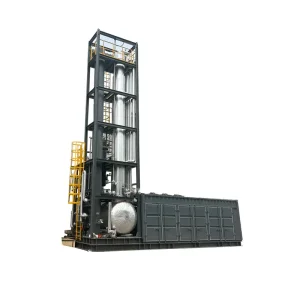
Premium amine scrubbing plant removing high acid gas concentrations for downstream LNG processes.
Learn More →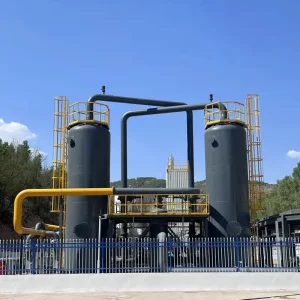
Engineered desulphurisation columns ensuring safe operations and compliance with BAAQMD rules.
Learn More →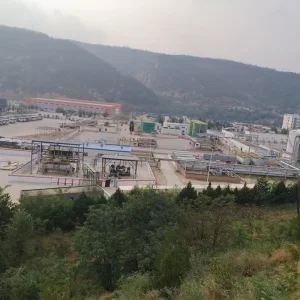
High-efficiency recovery units designed to capture volatile organic compounds at fuel terminals.
Learn More →
Advanced carbon bed and condensation systems for refineries and petrochemical storage.
Learn More →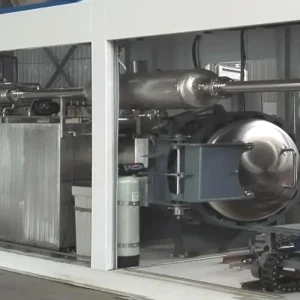
Rugged trailer-mounted units providing sterilizing capacity for health systems.
Learn More →
Fully enclosed container system featuring high-pressure autoclaving chambers.
Learn More →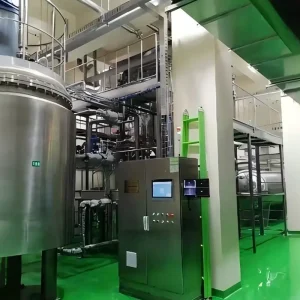
Secure containment thermal alkaline hydrolysis units for biotechnology research centers.
Learn More →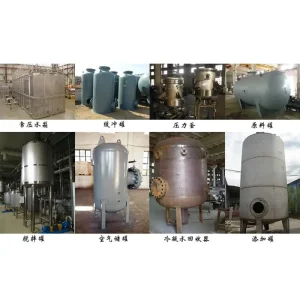
Custom designed, thick-walled storage and process vessels for challenging cryogenic storage projects.
Learn More →Contact our technical sales team for custom process flow engineering, dynamic calculations, compliance checks, or price estimates for the California market.
Send Inquiry Now Hongke Qingneng