High-efficiency, portable, and skid-mounted technologies engineered for immediate deployment in European energy distribution networks.
As Germany accelerates its Energiewende (Energy Transition), the metropolitan and industrial zones of Berlin and the surrounding Brandenburg region face unprecedented pressures to decarbonize thermal networks, industrial production, and heavy-duty logistics. Under the local Berlin Climate Protection and Energy Act (EWG Bln), the city-state aims for net-zero carbon emissions by 2040. Achieving this ambitious target requires a multifaceted energy infrastructure strategy that transitions away from coal and heavy fossil fuels toward highly flexible, low-carbon, and zero-carbon alternatives.
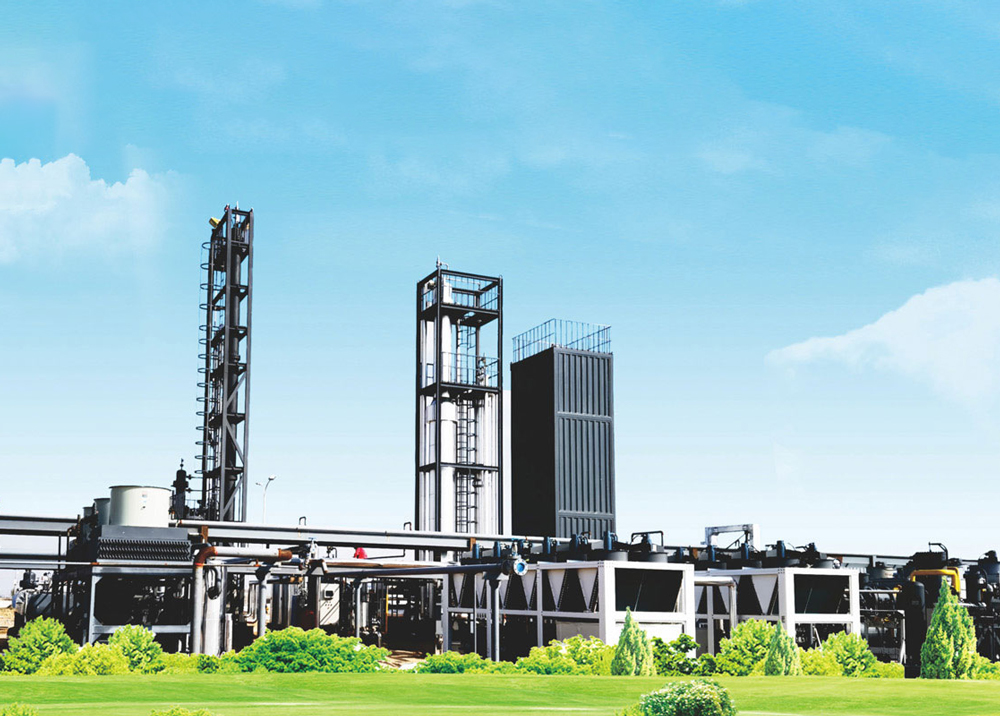
Within this framework, Liquefied Natural Gas (LNG), particularly Bio-LNG (liquefied biomethane derived from organic municipal and agricultural waste structures), represents a critical bridging utility. It provides high-density thermal and mechanical power while slashing local particulate matter, sulfur dioxide (SOx), and nitrous oxide (NOx) emissions. Mobile, vehicle-mounted, and skid-mounted LNG installations have emerged as key technological solutions. These modular units bypass the immense financial and regulatory barriers of constructing permanent regional natural gas pipelines, offering rapid deployment to industrial zones, agricultural grid hubs, and off-grid trucking fuel depots.
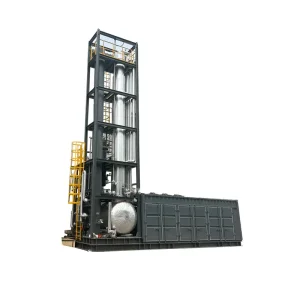
Globally, the LNG supply chain is shifting from massive, centralized baseload liquefaction terminals toward highly modular, flexible, and decentralized designs. Traditional gas treatment plants demand years of environmental impact assessments and heavy capital expenditure. In contrast, skid-mounted gas treatment systems and pre-assembled cold-boxes are constructed and dynamically tested within a controlled factory environment before being shipped directly to the operating site.
This paradigm shift is driven by three key market forces:
The heart of Hebei Hongke Qingneng Environmental Protection Equipment Co., Ltd.'s engineering prowess lies in our proprietary thermodynamic processes. The conversion of gaseous methane to its cryogenic liquid phase (at approximately -162°C under atmospheric pressure) requires highly engineered cooling cycles. Our skid-mounted liquefaction equipment utilizes two primary thermodynamic routes:
The MRC process utilizes a tailored mixture of nitrogen, methane, ethane, propane, and butane. This mixed phase matches the cooling curve of natural gas during liquefaction, minimizing thermodynamic irreversibility. For large-scale localized operations, MRC provides superior energy efficiency, requiring less specific energy (kWh per kg of LNG produced) compared to expansion cycles.
Ideally suited for vehicle-mounted and highly portable systems, this process uses pure gaseous nitrogen as the cooling medium. Because nitrogen is non-flammable and non-toxic, it eliminates complex chemical handling and storage requirements on site. This route is highly valued by German municipal planners seeking approval in environmentally sensitive areas. It features rapid start-stop profiles, allowing operators to react to fluctuating gas feed rates without structural thermodynamic shock to the cold-box heat exchangers.
Founded in Sanhe Economic Development Zone with a registered capital of 78 million Yuan, bringing world-class cryogenic expertise to the global stage.
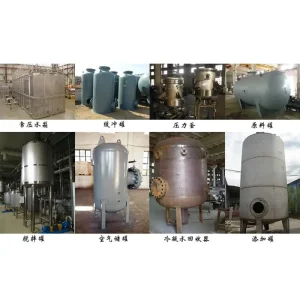
Established in June 2021, Hebei Hongke Qingneng Environmental Protection Equipment Co., Ltd. has established itself as an industry leader in industrial environmental protection, gas purification, and cryogenic modular skid design. The company operates a state-of-the-art facility specializing in non-standard pressure vessels, centralized medical waste steam treatment chambers, animal residue processing systems, and high-performance gas processing systems.
Our strategic focus is bridging the gap between theoretical cryogenic physics and heavy industrial manufacturing. By maintaining a deep academic partnership with research institutes such as the Institute of Physics and Chemistry Technology, Chinese Academy of Sciences (CAS), we design custom plants that operate at peak efficiency. This allows us to deliver high energy output while reducing operational costs and carbon emissions.
A combination of world-class academic leadership, rigorous safety licensing, and a commitment to global environmental stewardship.
Our R&D team features top academic talent from Tsinghua University and the Chinese Academy of Sciences (CAS). By combining fundamental thermodynamics research with field experience, we have secured multiple independent patents for skid-mounted natural gas purification, gas liquefaction, and low-temperature nitrogen gas recovery.
The company holds an A2-level pressure vessel manufacturing license, a pressure pipeline component manufacturing license, and is certified under GB/T19001-2016 (ISO 9001:2015). We also maintain Sinopec HSSE and CNPC Health, Safety, and Environment management certifications, ensuring strict adherence to global safety protocols.
Our skid-mounted systems are engineered to target atmospheric pollution and industrial emissions. By capturing and purifying gas at the source, our equipment helps customers reduce carbon footprints, minimize methane flaring, and support localized circular energy economies.
Meet the PhD scientists and senior engineers driving innovation in modern cryogenic and chemical equipment manufacturing.
Dr. Sun earned his Ph.D. from the Institute of Physics and Chemistry Technology, Chinese Academy of Sciences (CAS). He has led multiple high-priority initiatives under China's National 863 Program, the Natural Science Foundation, and complex aerospace defense projects. A recipient of the First Prize of Beijing Science and Technology Award and the Special Prize of Technological Invention by the Chinese Society of Refrigeration, Dr. Sun has successfully applied over 20 proprietary cryogenic patents to major natural gas infrastructure installations worldwide.
Dr. Zou specializes in market deployment and industrial scale-up of environmental gas purification technologies. He has overseen many large-scale R&D projects, including the "12th Five-Year Plan" National Major Science and Technology special programs. Dr. Zou has published over 24 peer-reviewed academic papers (with 11 indexed in SCI/EI databases), holds 5 core invention patents, and was awarded the Silver Medal at the 19th China International Industry Fair.
Dr. Cheng's primary research focuses on multicomponent phase change heat transfer characteristics and flow dynamics within high-pressure mixed refrigerant systems. He has directed the design of over 50 mobile liquefaction plants and specialized chemical tail gas recovery setups. His breakthrough research on the thermodynamic optimization of mini-scale skid-mounted cold boxes earned him the Special Prize of the Science and Technology Award from the Chinese Refrigeration Society.
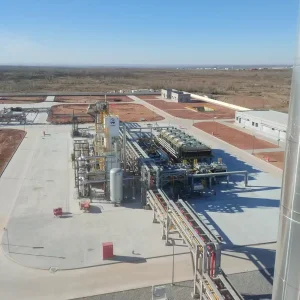
Real-world deployments of specialized environmental and cryogenic installations operating globally.
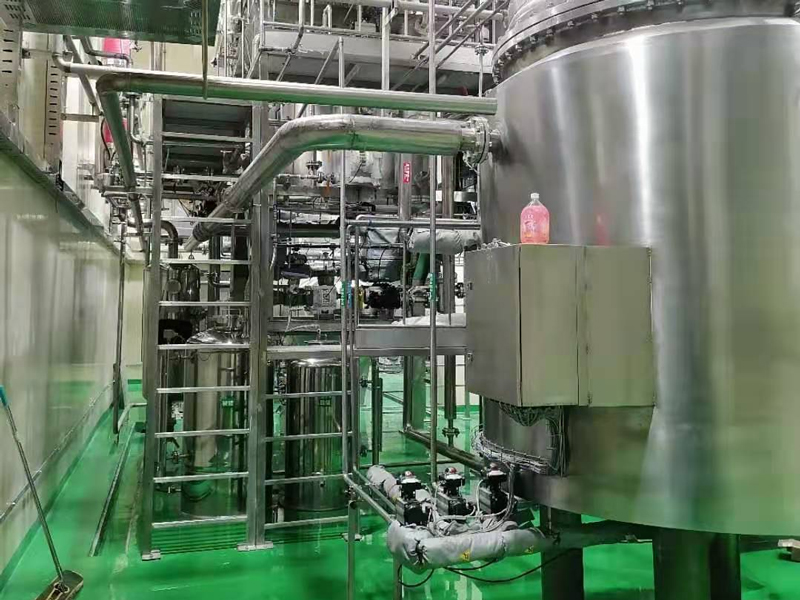
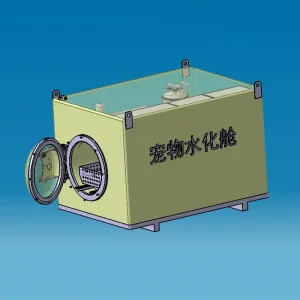
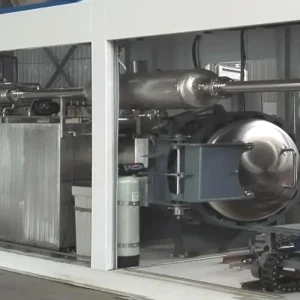
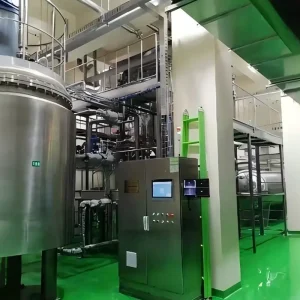
High-temperature, safe steam sterilization chambers deployed in high-security research laboratories.
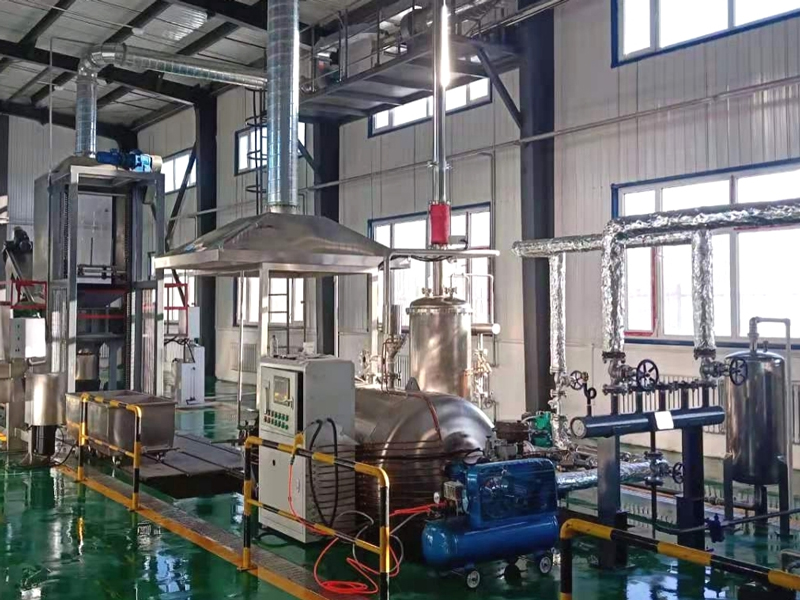
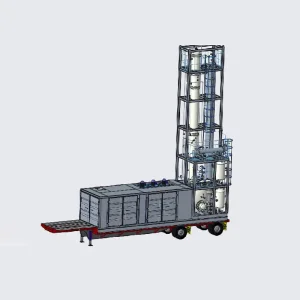
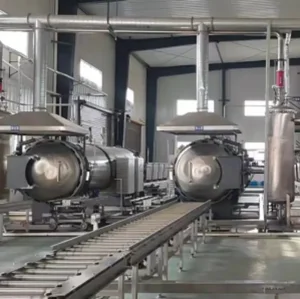
Trailer-mounted thermal sterilization units designed for rapid deployment during rural biological events.
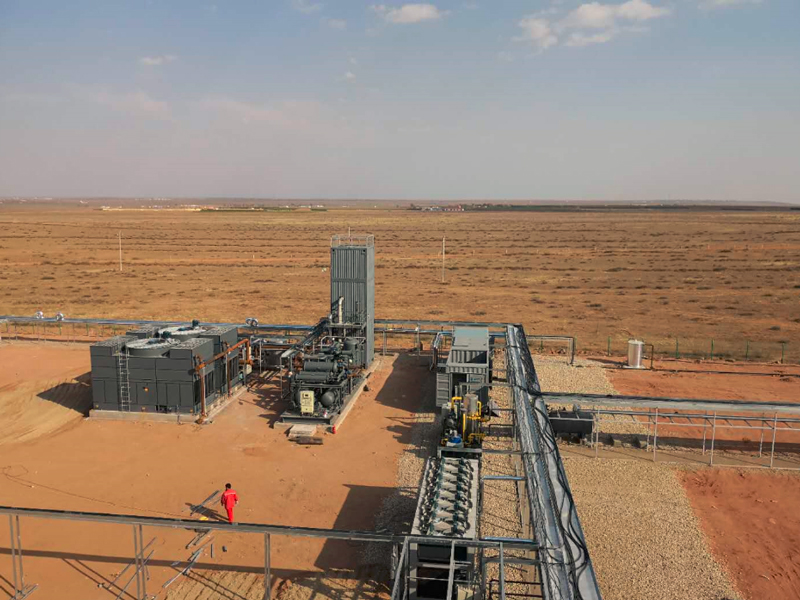
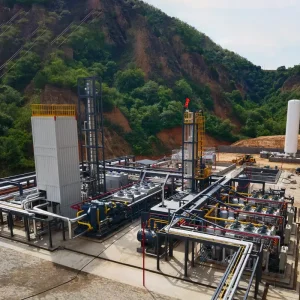
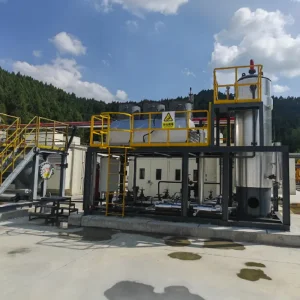
A self-powered recovery system designed to purify and liquefy associated petroleum gas at the wellhead.
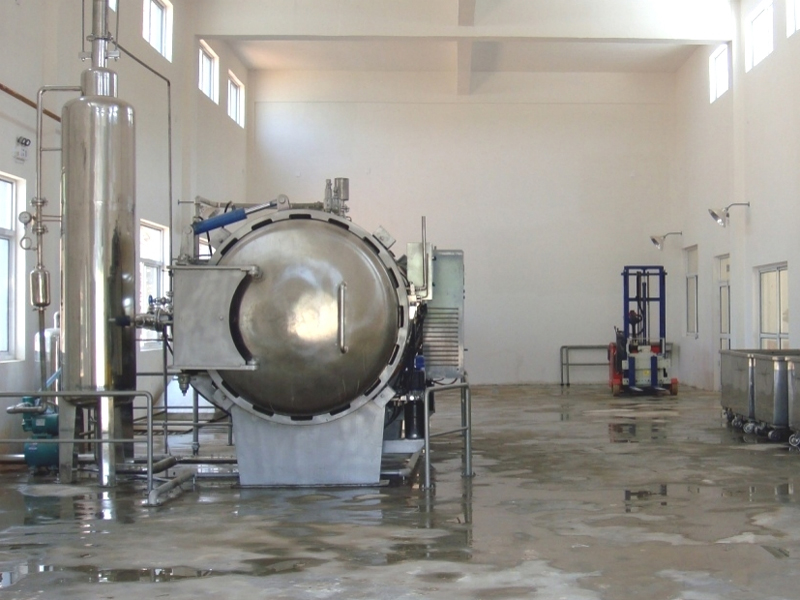
Large-scale, fully automated bio-hazardous waste treatment plant handling over 10 tons per day.
To ensure reliable, safe operation in the Berlin market, our truck-mounted and skid-mounted LNG systems integrate multi-stage purification protocols. Unprocessed natural gas or biogas contains water, carbon dioxide (CO2), hydrogen sulfide (H2S), heavy hydrocarbons, and trace aromatics. These components must be removed to avoid freezing within the cryogenic micro-channel heat exchangers.
Utilizing a highly efficient MDEA (Methyl Diethanolamine) absorption process, this skid reduces CO2 levels to under 50 ppmv. This step prevents solid dry ice formation inside the cold box, protecting downstream equipment from blockages and pressure buildup.
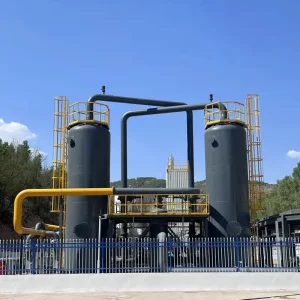
Using a twin-tower thermal swing adsorption (TSA) system filled with high-grade synthetic zeolites, water content is reduced to below 1 ppmv. The dew point of the gas is brought down to -100°C under pressure, protecting the aluminum plate-fin heat exchangers from hydrate formation.
Before liquefaction, gas passes through a specialized sulfur-impregnated activated carbon bed. This step adsorbs heavy hydrocarbons and mercury, protecting the cold box's brazed aluminum joints from liquid metal embrittlement.
Exporting industrial machinery to Germany requires strict adherence to European manufacturing directives. Hongke Qingneng's design division coordinates closely with inspection bodies (such as TÜV SÜD or TÜV Rheinland) to ensure compliance with the following frameworks:
Addressing technical, regulatory, and design questions for engineers and municipal planners in Berlin.
Preserving original product paths with localized modifications for the European market.
 Hongke Qingneng