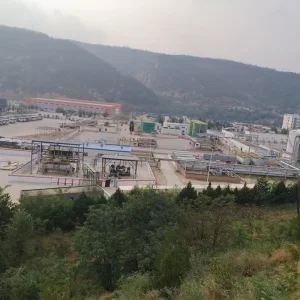
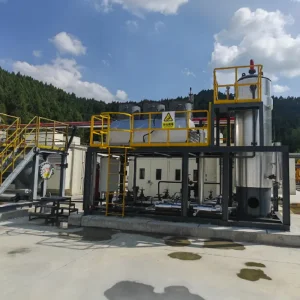
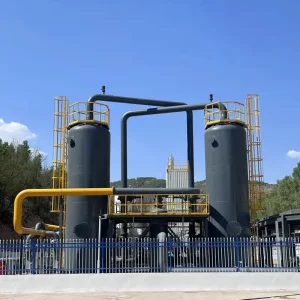
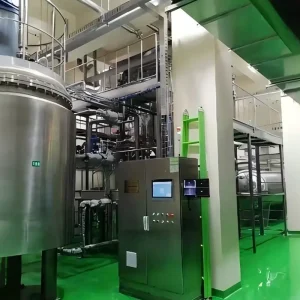
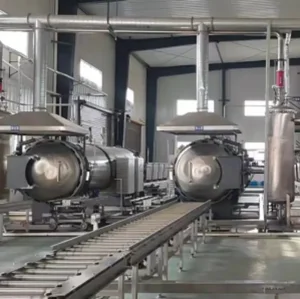
Optimized process components designed for complex hydrocarbon abatement and industrial stream cleanups.
The landscape of air pollution control in the United States is governed by some of the most rigorous regulatory framework systems in the world. As the United States Environmental Protection Agency (EPA) continues to tighten the National Ambient Air Quality Standards (NAAQS) for ground-level ozone, industrial plants, refineries, chemical process factories, and energy developers face unprecedented pressures to eliminate Volatile Organic Compounds (VOCs) and Hazardous Air Pollutants (HAPs). Compliance with the Clean Air Act (CAA) Title V Operating Permits demands not just abatement, but verified, high-destruction-efficiency performance records that can withstand federal audits.
Regional policies, such as the South Coast Air Quality Management District (SCAQMD) rules in California and the Texas Commission on Environmental Quality (TCEQ) guidelines, impose stringent limits on emissions of Nitrogen Oxides (NOx), sulfur compounds, and non-methane hydrocarbons. For industrial manufacturers, choosing the correct exhaust gas treatment technology is a high-stakes decision that directly influences operating licenses and bottom-line profit margins. Hebei Hongke Qingneng Environmental Protection Equipment Co., Ltd. fills this gap by manufacturing advanced VOC exhaust treatment systems and gas purification skids that meet or exceed local American industrial standards.
To address the diverse compositions of industrial exhaust, several technological routes must be deployed based on the concentration, temperature, and specific chemical species present in the raw gas stream:
| Technology Route | Recommended VOC Concentration Range | Thermal Efficiency | Typical DRE Rating | Primary Applications |
|---|---|---|---|---|
| Regenerative Thermal Oxidizer (RTO) | 1.5 to 10 g/Nm³ | > 95% | > 99.5% | Chemical Plants, Paint Workshops, Petrochemical Processing |
| Regenerative Catalytic Oxidizer (RCO) | 0.5 to 5 g/Nm³ | > 97% | > 99.0% | Printing Lines, Electronics, Pharmaceutical API Plants |
| Rotary Concentrator + RTO | < 0.8 g/Nm³ | N/A (Concentration Ratio 10:1 to 20:1) | > 98.5% | Semiconductor Fab Lines, Automotive Paint Booths |
| Cryogenic Condensation | > 20 g/Nm³ | Resource Recovery focused | 95% - 99% recovery | Tank Vent Emissions, Chemical Vapor Recovery (VRU) |
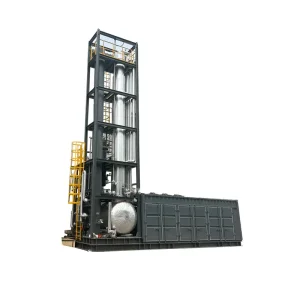
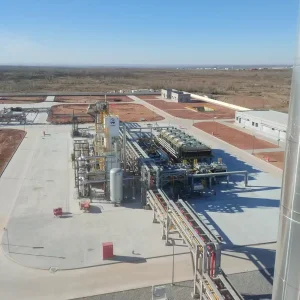
Our skid-mounted desulphurisation and heavy hydrocarbon removal systems are engineered to prevent catalytic fouling. By integrating molecular sieve dehydration and acid gas scrubbers upstream, we guarantee stable operational run-times and prolonged service lifetimes for critical VOC abatement machinery in remote shale plays across Texas, North Dakota, and Pennsylvania.
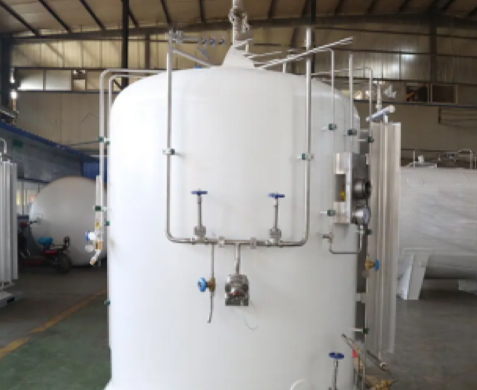
The manufacturing infrastructure of Hebei Hongke Qingneng Environmental Protection Equipment Co., Ltd. represents the absolute state of the art in pressure vessel and gas skid fabrication. Based in Sanhe Economic Development Zone, Langfang City, our facility utilizes automated welding robots, CNC plasma cutters, and automated heat-treatment chambers to maintain precise QA/QC records. With a registered capital of 78 million yuan, our operations scale dynamically to meet large-scale EPC orders.
By leveraging China's dense industrial supply chain, we secure raw materials (such as specialized duplex stainless steels and titanium alloys) and major auxiliary systems (valves, instrumentation, PLC controls) at optimized cost structures. This allows us to deliver high-spec equipment to the United States market at competitive price points, offset shipping timelines with fast-track modular assembly practices, and support American operators with unparalleled cost performance.
Hebei Hongke Qingneng Environmental Protection Equipment Co., Ltd. was established in June 2021, with a registered capital of 78 million yuan. It focuses on the R&D and manufacturing of energy conservation and environmental protection industry in the industrial base of Sanhe Economic Development Zone, Langfang City.
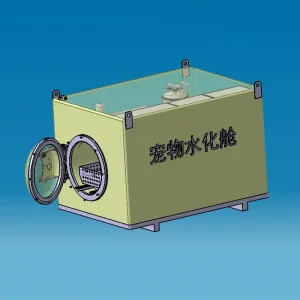
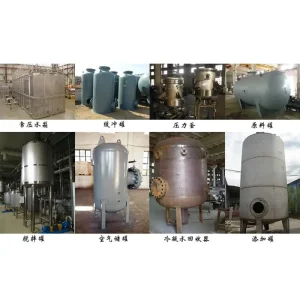
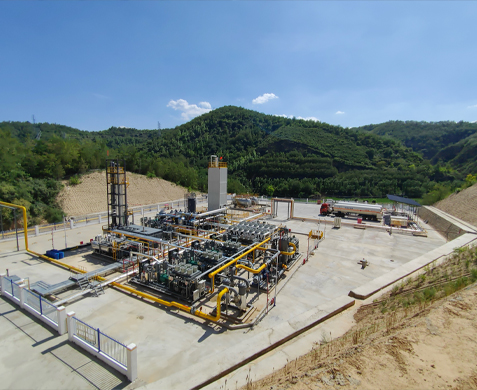
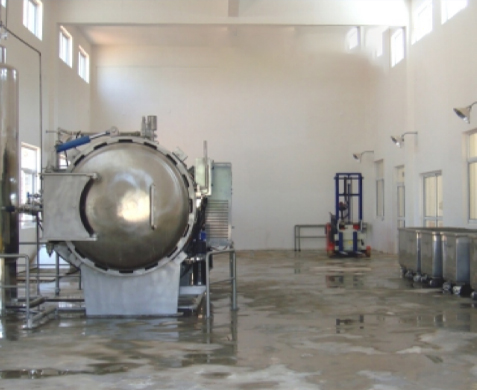
The company is engaged in the design and manufacturing of various pressure vessels, medical waste high-temperature steam treatment equipment, animal tissue (residue) treatment equipment, biological wastewater (live toxic wastewater) treatment equipment, skid-mounted assembly of various equipment, coalbed methane/shale gas/natural gas purification and liquefaction, VOC treatment, chemical tail gas treatment, industrial refrigeration, BOG tail gas helium extraction and other environmental protection equipment.
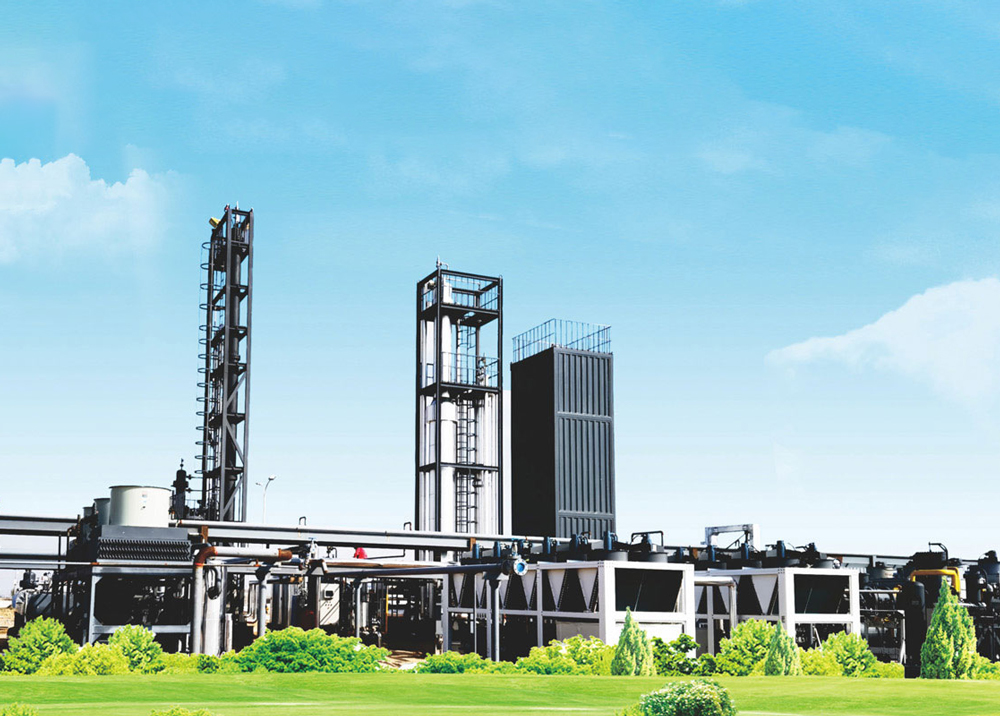
Engineered pressure components for gas purification, H2S stripping, and chemical process safety.
Our core processes are directed by leading thermodynamics and environmental engineering scientists from elite research institutes.
Founder & Chairman
Dr. Sun holds a PhD from the Institute of Physics and Chemistry Technology, Chinese Academy of Sciences (CAS), and holds the title of Senior Engineer. He has directed national 863 Program initiatives, aerospace/defense fabrication research, and key projects funded by the Natural Science Foundation. His patents form the technological baseline of our high-efficiency VOC and liquefaction skids.
General Manager
PhD candidate and Senior Engineer at the Institute of Physics and Chemistry Technology, CAS. Zou has published over 24 academic papers (11 SCI/EI indexations) and applied for 5 national invention patents. He leads our manufacturing compliance division, supervising operations to align with global ASME and CE standards.
Chief Engineer
Doctor of Engineering from the Institute of Physics and Chemistry Technology, CAS. Awarded the Special Prize of Science and Technology Award by the Chinese Refrigeration Society, Dr. Cheng specializes in mixed working medium thermodynamics and phase-change heat transfer, driving our sub-zero VOC extraction systems.
Engineered systems delivered globally, demonstrating reliability in clinical, oilfield, and bio-safety sectors.
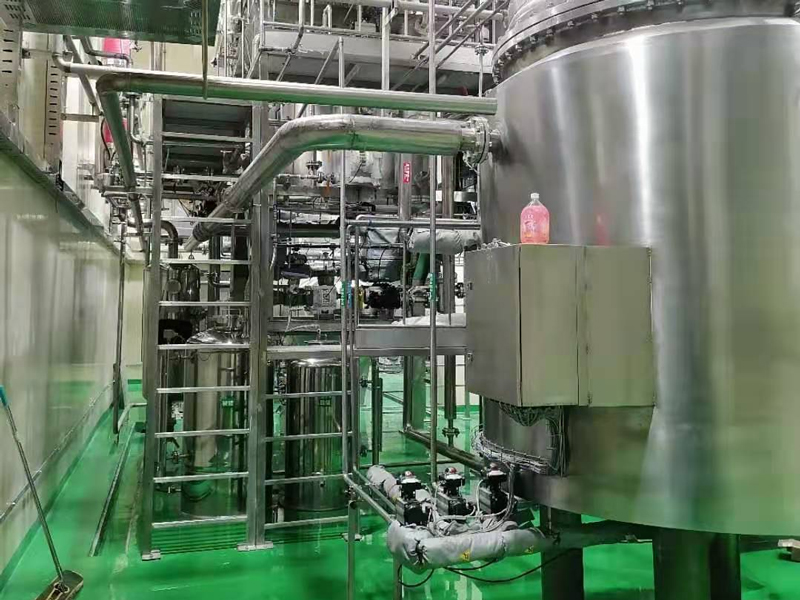
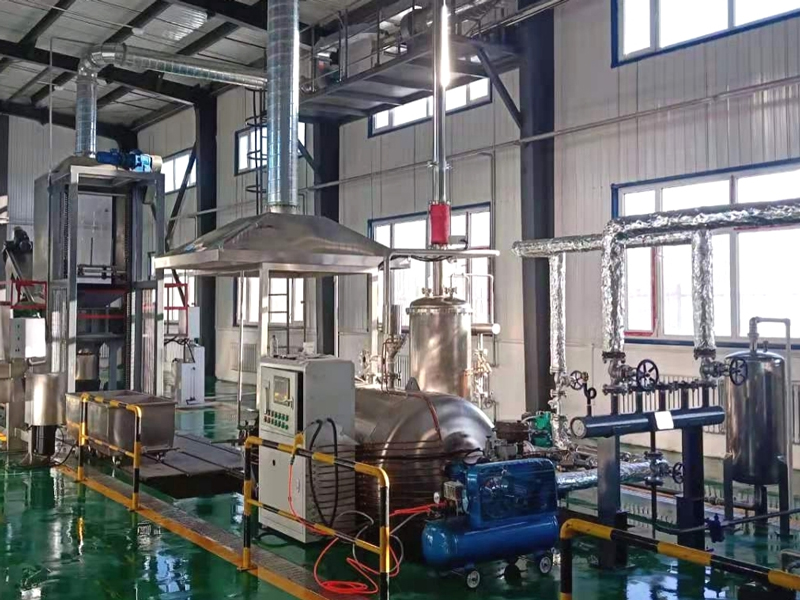
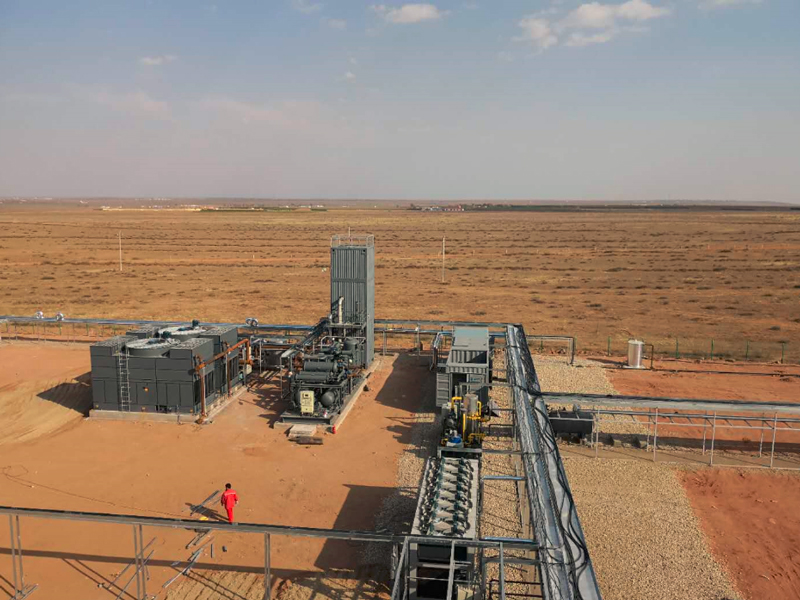
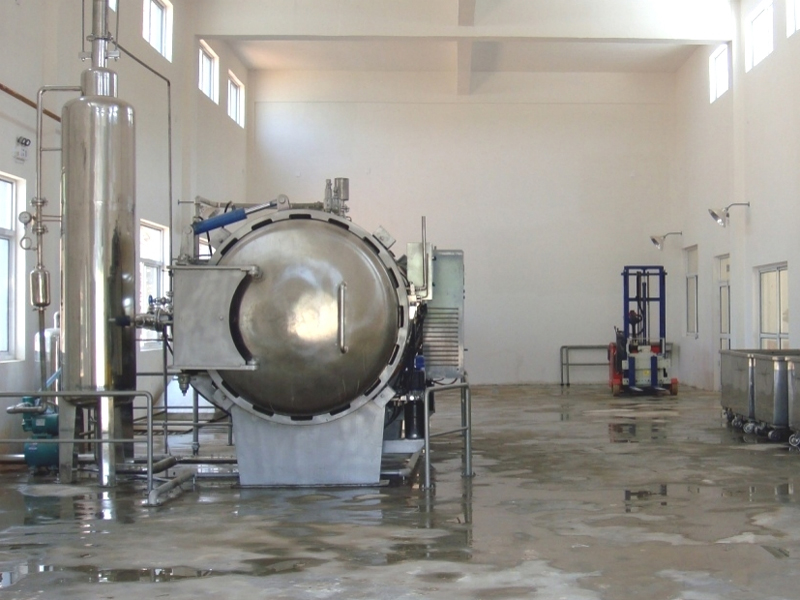
A look inside our high-tolerance welding, fabrication, and testing workshops.
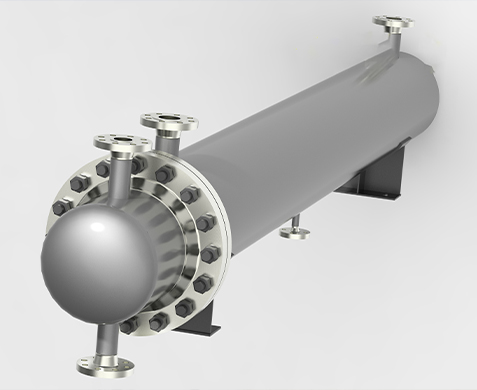
Get answers to common engineering questions regarding compliance, integration, and thermal oxidation parameters.
Explore our full selection of modular pressure vessels, cryogenic LNG systems, and mobile clinical treatment equipment.
Looking to implement a custom VOC abatement skid, an ASME-certified pressure vessel, or an clean-fuel tail gas recovery package? Let our CAS-backed PhD experts engineer the right solution for your plant.
Send Inquiry Now Hongke Qingneng