Explore our specialized range of customized pressure vessels, cryogenic plant assemblies, and environmental protection equipment built to withstand extreme operational metrics.
How Hebei Hongke Qingneng combines elite academic insights with state-of-the-art manufacturing platforms to redefine containment engineering.
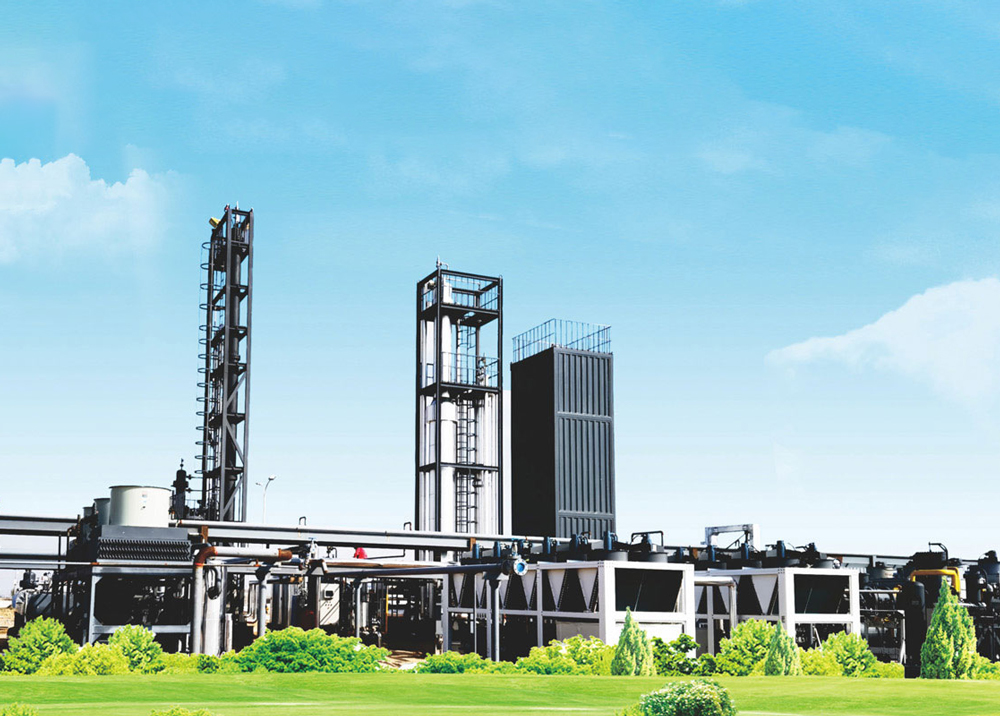
Established in June 2021 with a registered capital of 78 million yuan, Hebei Hongke Qingneng Environmental Protection Equipment Co., Ltd. has established itself as an innovative force in the R&D and manufacturing of energy conservation and environmental protection systems. Situated within the Sanhe Economic Development Zone, Langfang City, our manufacturing footprint covers specialized thermodynamic and containment processing systems.
Our core capabilities range from custom A2-level non-standard pressure vessels and cryogenic liquefaction components to advanced waste treatment architectures. Through strategic collaborations with Tsinghua University and the Institute of Physics and Chemistry Technology of the Chinese Academy of Sciences (CAS), we deploy robust thermodynamic models to solve containment safety, multi-component gas separation, and ultra-low temperature cycle recovery.
Founder & Chairman (PhD CAS, Senior Engineer)
Presided over the National 863 Program, aerospace and military projects, and major CAS projects. Awarded the Special Prize of Technological Invention by the Chinese Society of Refrigeration (2015) and Beijing Science and Technology Award (2016). Holds 20+ patents in high-pressure processes.
General Manager (PhD Candidate CAS, Senior Engineer)
Managed core market operations and advanced system implementation for major national projects. Published 24 academic papers (11 indexed in SCI/EI). Awarded the Beijing Science and Technology Award (1st Prize) and the Silver Medal of the 19th China International Industry Expo.
Chief Engineer (Doctor of Engineering, CAS)
Specialized in mixed working media phase change heat transfer and dynamic fluid flow. Led development of specification-series skid-mounted LNG liquefaction systems. Key contributor to national cryogenic containment projects with significant project implementation experience.
Analyzing global safety directives, design requirements, and engineering thresholds for modern pressure relief vessels.
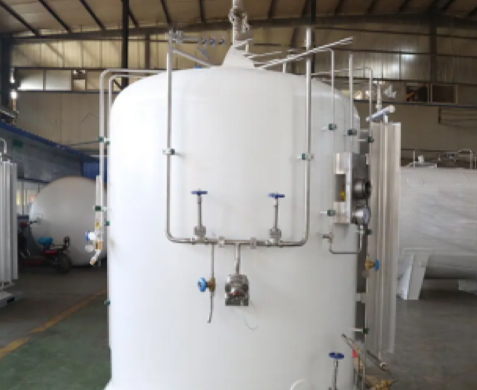
The global push towards clean energy transition relies on safe, zero-leak processing of compressed gases, liquefied natural gas (LNG), and industrial derivatives. Pressure relief vessels are not merely emergency containment devices; they are functional thermal barriers that prevent systemic rupture. In LNG systems, shale gas, and coalbed methane (CBM) purification units, extreme temperatures (-162°C to -196°C) and variable pressures require vessels capable of mitigating cyclic thermal fatigue.
Furthermore, standard operations inside chemical, gas treatment, and VOC exhaust containment systems require robust pressure control. Under volatile chemical dynamics, rapid pressure surges occur. Without certified non-standard pressure vessels with high-discharge capacities, systems risk catastrophic failures. The engineering of relief paths requires a rigorous understanding of two-phase flow dynamics, flash evaporation, and high-frequency acoustic loads.
Hebei Hongke Qingneng utilizes mixed refrigerant cycle (MRC) systems designed using CAS-derived process maps. By optimizing phase change heat transfer characteristics and flow properties, our engineering team ensures that every pressure relief unit operates with minimal thermodynamic losses. Our pressure vessels utilize customized material selections (such as SA516 Gr. 70, SA240 Type 304/316L, and duplex alloys) tailored to combat hydrogen embrittlement, low-temperature embrittlement, and acidic gas corrosion.
Why Tier-1 global energy companies and processing plants trust our manufactured pressure vessels.

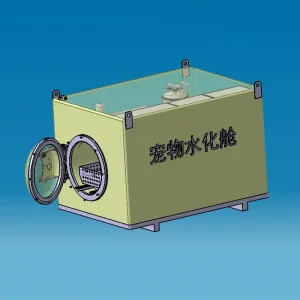
High-temperature steam centralized medical waste disposal units, mobile medical waste units, and safe pet treatment chambers designed for bio-containment, ensuring zero pathogen exhaust.

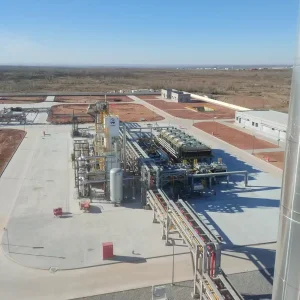
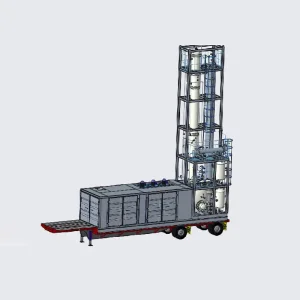
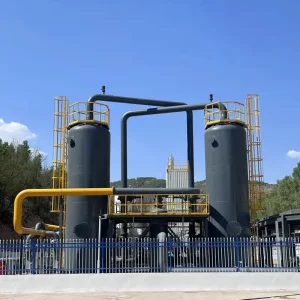
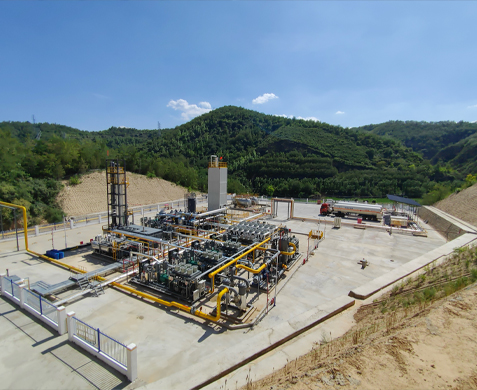
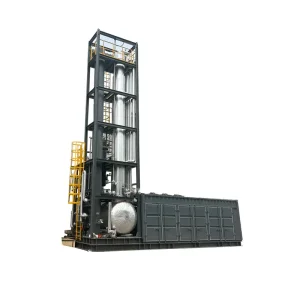
Skid-mounted gas processing plant liquefaction units, heavy hydrocarbon extraction columns, acid gas desulphurisation columns, and custom BOG recovery components.

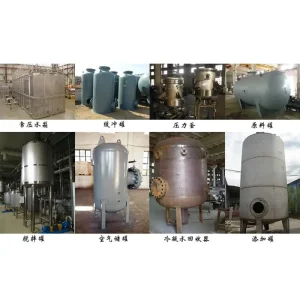
Tailored pressure vessels, shell-and-tube exchangers, specialized experimental thermodynamic benches, and combustion hot-air stoves meeting custom pressure tolerances.

Deep temperature refrigeration units operating down to -180°C, high-performance freeze dryers (-70°C to -100°C), and ultra-low temp vacuum cold traps (-135°C).
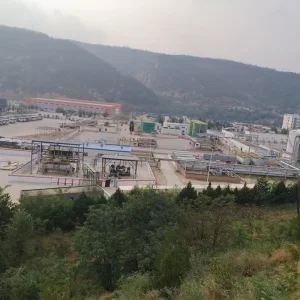
Proof of performance across national environmental recovery systems, hazardous waste, and LNG extraction projects.
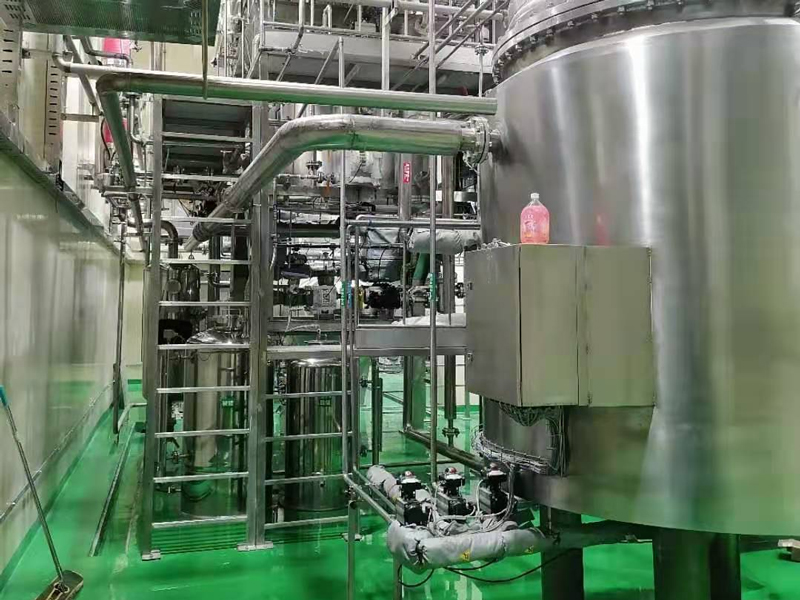
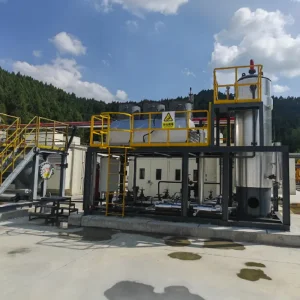
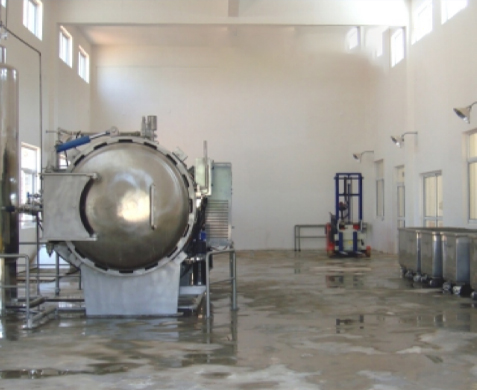
Specialized containment chamber featuring high-temperature alkaline hydrolysis processing for biosafety laboratories.
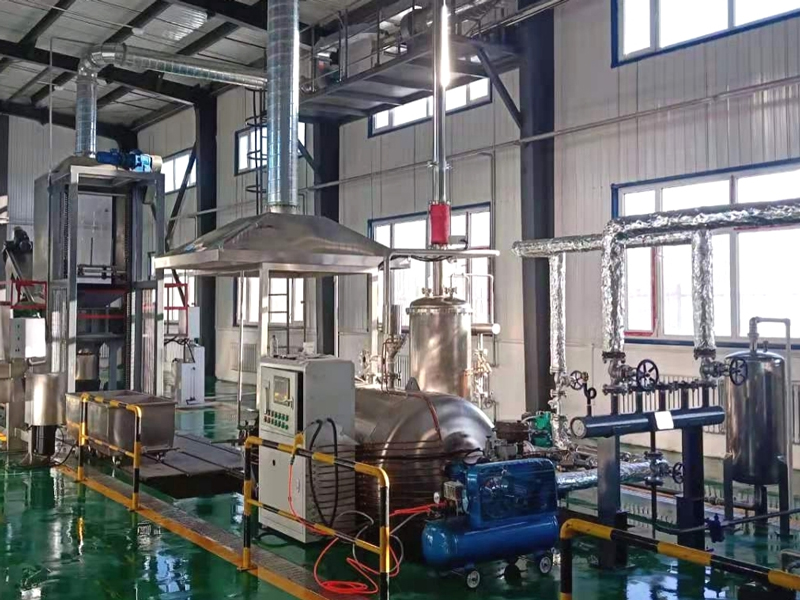
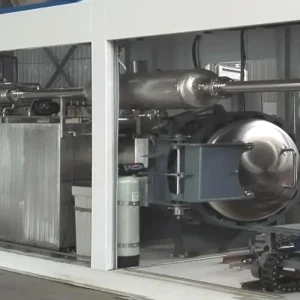
Compact steam thermal disinfection system deployed in emergency areas, using high-integrity pressure relief valves.
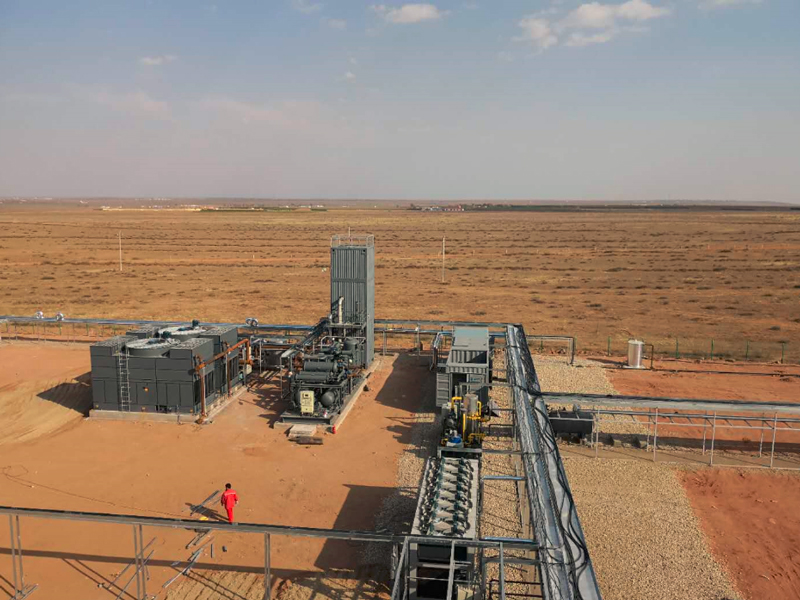
High-efficiency mixed-refrigerant cryogenic liquefaction system installed directly on distributed well sites.
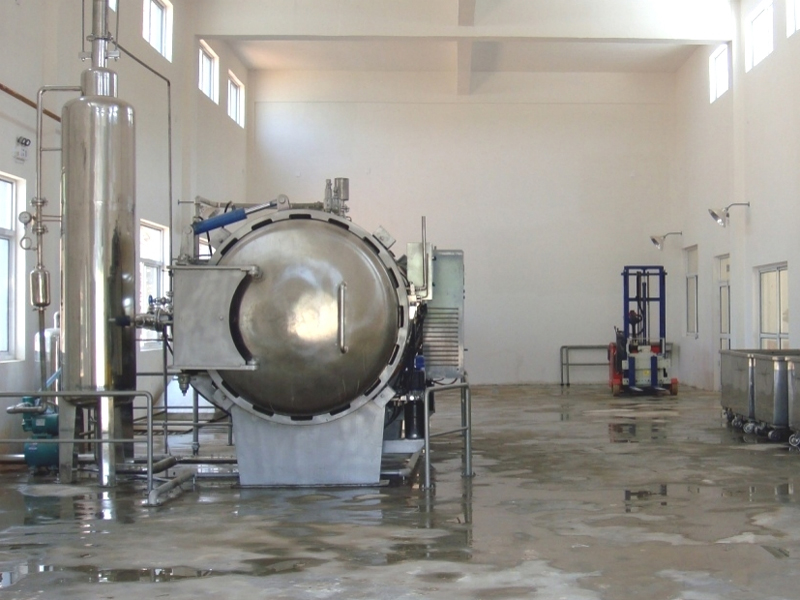
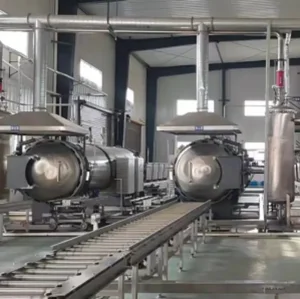
Industrial scale thermal autoclaving system for regional urban medical residue treatment.
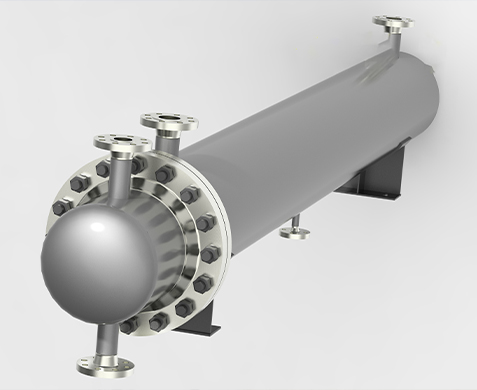
Advancing pressure containment technologies for a zero-carbon, high-efficiency industrial economy.
Boil-Off Gas (BOG) represents a significant energy loss vector during LNG storage and shipping. The development of advanced cryogenic separation technologies allows for the recovery of trace Helium from BOG. Hebei Hongke Qingneng is currently pioneering high-pressure multi-stage cold trap systems that yield high-purity helium, creating a valuable byproduct pathway for LNG import terminals and processing installations.
Our research into non-equilibrium flow models has facilitated the engineering of compact, high-efficiency VOC exhaust treatment devices. By maintaining dynamic heat and mass transfer across customized pressure-swing beds, our desulphurisation and heavy hydrocarbon removal columns achieve gas purities exceeding stringent modern regulatory frameworks.
The integration of real-time stress gauges, dynamic vibration monitoring, and predictive analysis sensors turns traditional static pressure vessels into smart grid endpoints. Our future R&D is heavily focused on neural-network-backed failure predictions, alerting plant engineers of potential localized stress corrosion cracking (SCC) long before visual cues appear.
Our mobile and centralized autoclaves utilize vacuum steam pulse technologies. The condensates and exhausts generated during operations are routed through high-efficiency internal pressure filtration circuits, preventing secondary gaseous pollution. This aligns with national ecological health objectives and is trusted by leading health-monitoring agencies.
Expert answers addressing the design, certification, fabrication, and performance criteria of high-integrity pressure containment equipment.
Explore our highly integrated equipment designed for complex processing lines and zero-emission goals.
Discuss your custom pressure relief vessel requirements, skid-mounted gas plant specifications, or industrial environmental systems with our CAS-backed engineering team.
 Hongke Qingneng