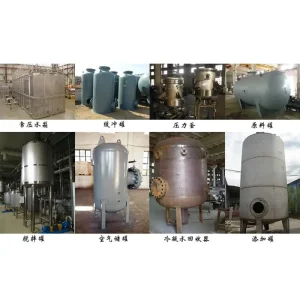
Stainless steel pressure tanks and vessels constitute the core infrastructure of modern fluid dynamics, chemical processing, biopharmaceuticals, cryogenics, and environmental engineering. As global manufacturing transitions toward stricter carbon reduction targets and high-purity processing, the demands on pressure vessels have expanded significantly beyond basic structural containment.
In the global market, stainless pressure vessels are no longer treated as simple commodity hardware. Advanced thermodynamic setups require vessels engineered from specialized alloys (such as 304, 316L, 904L, and Duplex steels) that offer exceptional resistance to chemical corrosion, thermal cycling, and high shear stress. Today’s industrial operations require certified compliance under international safety codes such as ASME Section VIII, European PED (Pressure Equipment Directive), and Chinese GB-150 standards.
From storing high-pressure cryogenic liquid natural gas (LNG) at -162°C to managing high-temperature steam sterilization of hazardous waste, the precision of design and welding is the thin line between operational excellence and catastrophic failure. Consequently, global tier-one buyers actively seek manufacturing partners capable of combining scientific innovation, absolute metallurgical integrity, and scalable cost efficiencies.
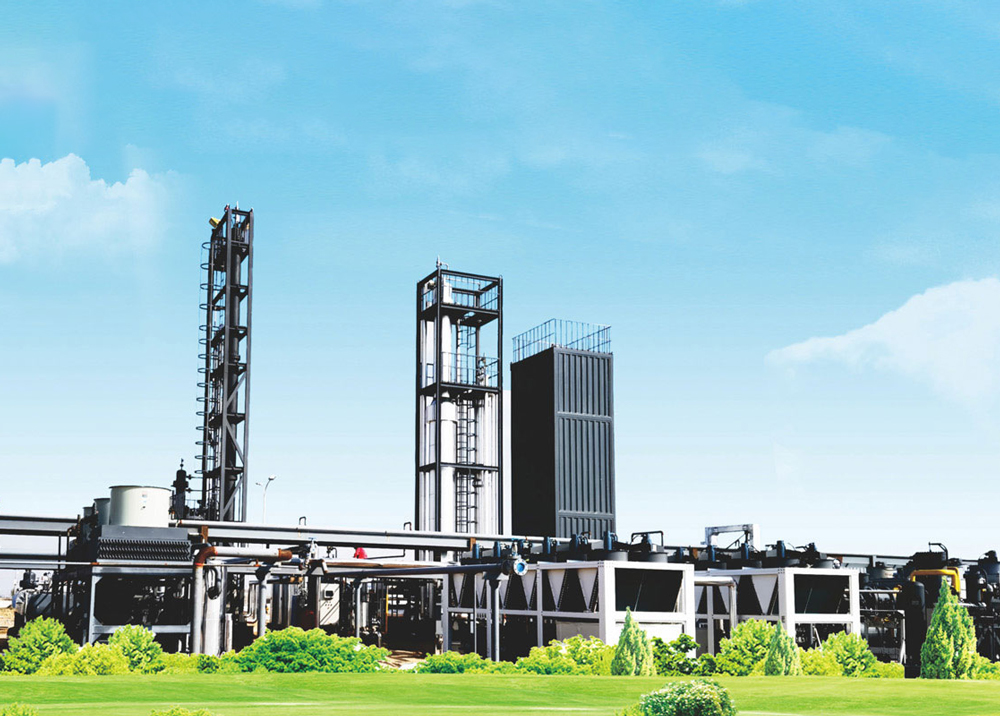
China has evolved from a high-volume manufacturing hub into a center of precision engineering and specialized material science. The country’s complete industrial supply chain allows manufacturers to secure premium raw materials, apply sophisticated automation in welding and testing, and dramatically reduce turnaround times compared to Western counterparts.
Utilizing high-precision automated longitudinal and circumferential seam welding systems. This minimizes human error, ensures consistent weld penetration, and optimizes the grain structure in the Heat-Affected Zone (HAZ).
Integrated supply networks in key industrial parks (like Langfang Sanhe Economic Zone) provide immediate access to premium steel mills, specialized valves, and localized non-destructive testing (NDT) services.
Chinese state safety supervisions are extremely stringent. Manufacturers must hold active, auditable A2 licenses, which mandate systematic documentation, traceability of all plates, and qualified welders certified to international standards.
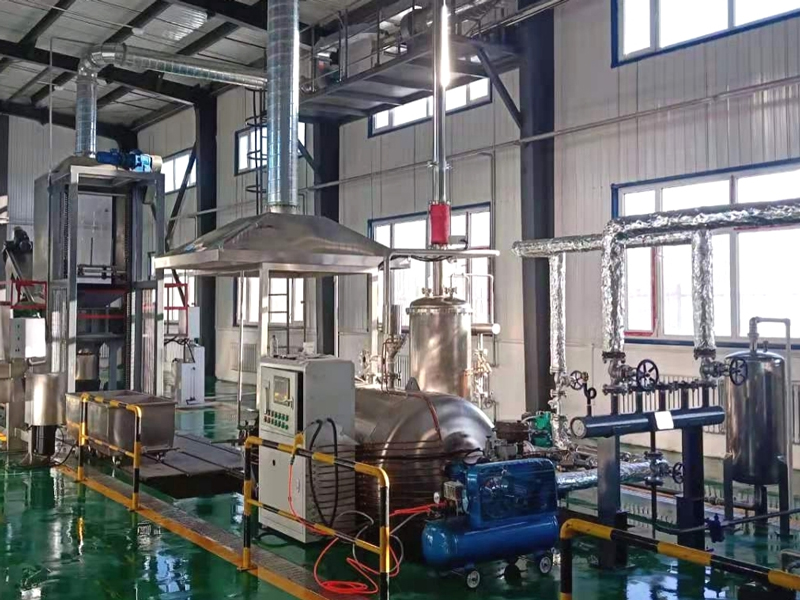
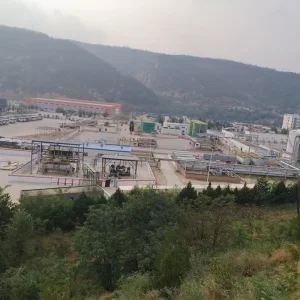
Established in June 2021 with a registered capital of 78 million yuan, Hebei Hongke Qingneng has quickly positioned itself as an elite developer and manufacturer in the energy conservation and environmental protection industry. Situated in the industrial base of the Sanhe Economic Development Zone, Langfang City, the company occupies a vital geographic location for serving domestic and international infrastructure projects.
We are a research-driven manufacturing enterprise focusing on the design and manufacturing of various pressure vessels, medical waste high-temperature steam treatment equipment, animal tissue (residue) treatment equipment, biological wastewater (live toxic wastewater) treatment equipment, and skid-mounted assemblies. Our engineering expertise covers complex process systems, including coalbed methane/shale gas/natural gas purification and liquefaction, VOC treatment, chemical tail gas treatment, industrial refrigeration, and BOG tail gas helium extraction.
Our commitment to "innovation-driven development, service-led upgrading" ensures that every project, from custom non-standard vessels to integrated purification arrays, delivers maximum thermal efficiency, absolute seal integrity, and operational safety.
Our competitive edge lies in our profound scientific foundation. We translate cutting-edge thermodynamic and cryogenic research into rugged industrial solutions. The core leadership team consists of PhDs and senior researchers from top-tier academic institutes.
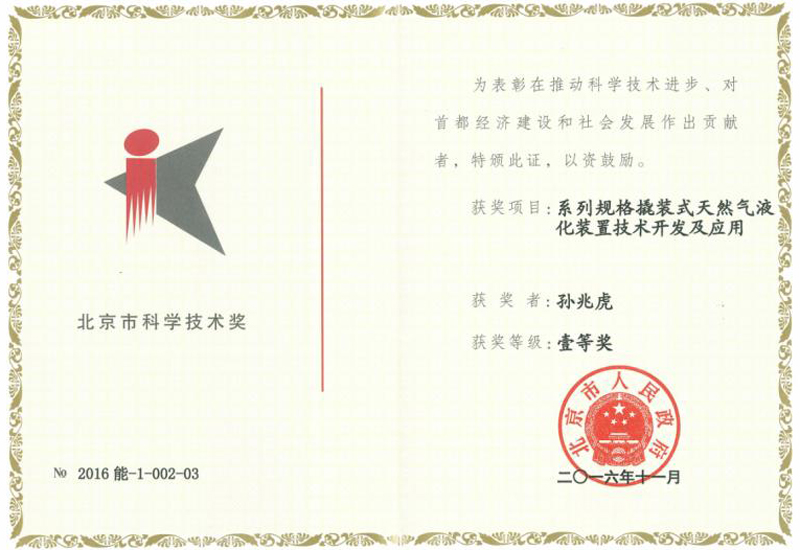
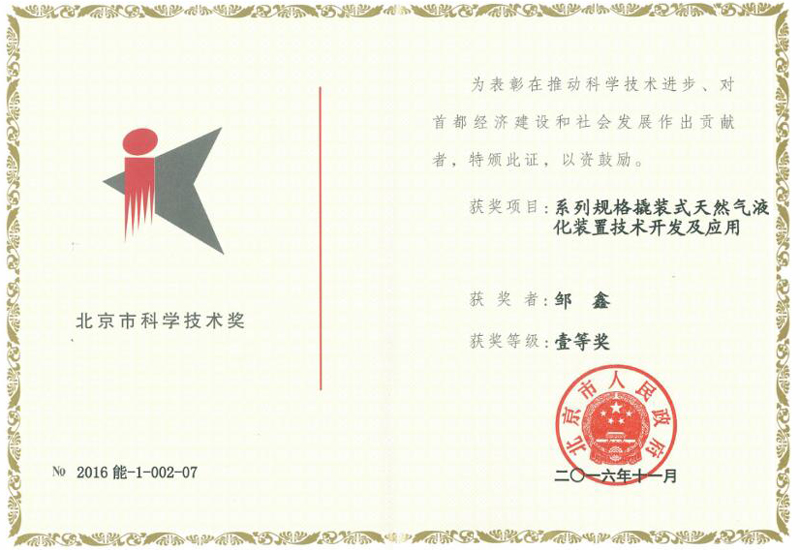
Holding a Doctorate from the Institute of Physics and Chemistry Technology, Chinese Academy of Sciences (CAS), Dr. Sun is a recognized national senior engineer. He has presided over major national scientific research initiatives, including the National 863 Program, the Natural Science Foundation major fund projects, and advanced aerospace and military projects. Over his career, he has been honored with the Excellent Young Paper Award (Chinese Society of Engineering Thermophysics, 2007), the First Prize of Science and Technology of China Coal Industry (2013), the Special Prize of Technological Invention of Chinese Society of Refrigeration (2015), and the First Prize of Beijing Science and Technology Award (2016). Under his leadership, the company has secured more than 20 independent R&D patents, supervising the deployment of over 50 small skid-mounted liquefaction plants and environmental protection setups.
A Ph.D. candidate and senior engineer from the Institute of Physics and Chemistry Technology, CAS. Zou Xin manages the commercial operations and corporate administration. He has led key research projects under the "12th Five-Year Plan" national major science and technology specials, published 24 peer-reviewed academic papers (including 11 indexed in SCI/EI), applied for 5 national invention patents, and registered 1 software copyright. He co-won the Special Award of the 7th China Refrigeration Society Technological Invention Award (2015), the First Prize of Beijing Science and Technology Award (2016), and the Silver Medal of the 19th China International Industry Expo (2017).
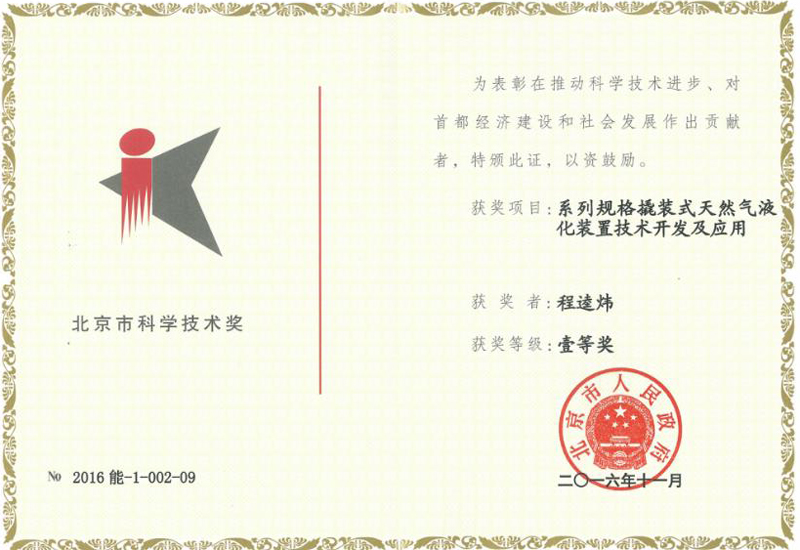
Doctor of Engineering from the Institute of Physics and Chemistry Technology, CAS. Dr. Cheng developed the proprietary "Technology Development and Application of Skid-mounted Natural Gas Liquefaction Unit with Series of Specifications". He won the 2015 Special Prize of Science and Technology Award of Chinese Refrigeration Society and the 2016 First Prize of Science and Technology Award of Beijing. His core research centers on fluid dynamics, phase change heat transfer characteristics, and flow characteristics of mixed working mediums, bridging the gap between molecular-level science and heavy-duty pressure vessel applications.
Every stainless pressure tank manufactured in our Langfang facility undergoes exhaustive quality control measures. We maintain active compliance across multiple strict certification networks to ensure reliable operational safety globally:

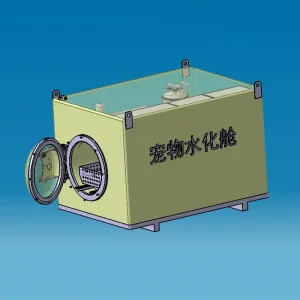
High-temperature steam treatment setups for biological and medical waste. Environmentally friendly animal tissue hydrolysis and safe pet cremation/hydration systems. Highly secure systems preventing pathogens from escaping into the environment.

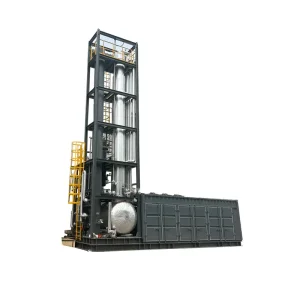
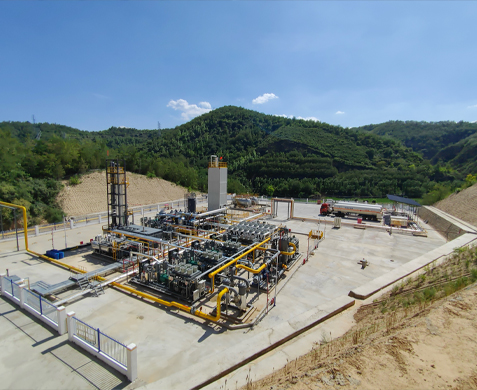
Mobile skid-mounted natural gas liquefaction (LNG) systems, gas purification equipment (covering deep deacidification, dehydration, and heavy hydrocarbon removal), plus BOG helium extraction devices.

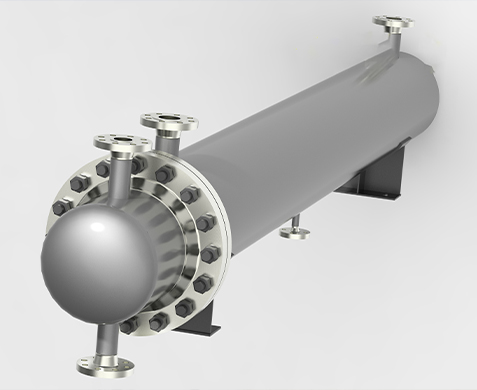
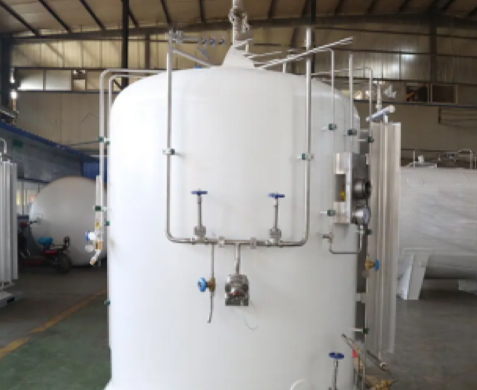
Engineering non-standard pressure vessels, customized testing blocks, shell and tube heat exchangers, and premium hot air stoves built using high-grade stainless alloys to handle corrosive environments.

Ultra-low temperature mechanical refrigeration units operating between -40℃ to -180℃, deep freeze dryers (-70℃ to -100℃), and ultra-cold vacuum cold traps running at -135℃ for laboratory and chemical refining.
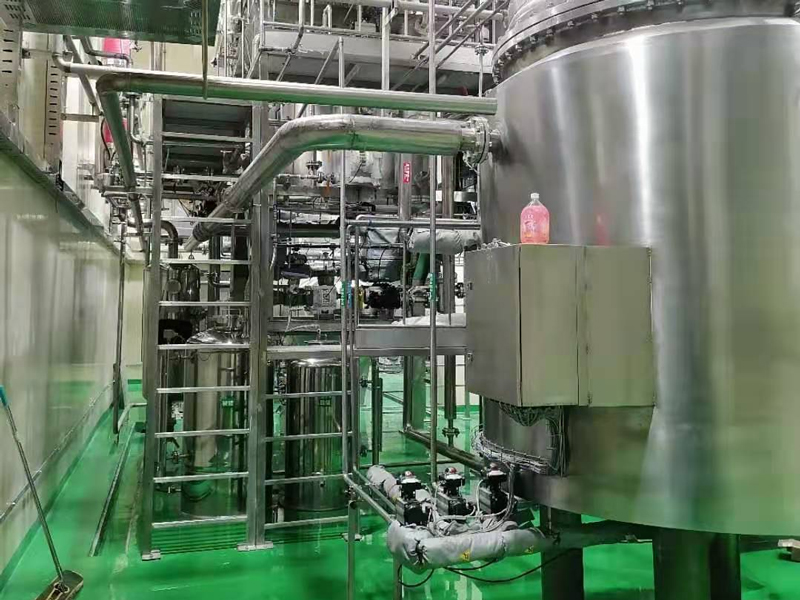
High-pressure alkaline hydrolysis system configuration designed to render biological research waste fully sterile and safe.
Skid-mounted sterilizers built directly inside transport containers for remote disaster response and military outposts.
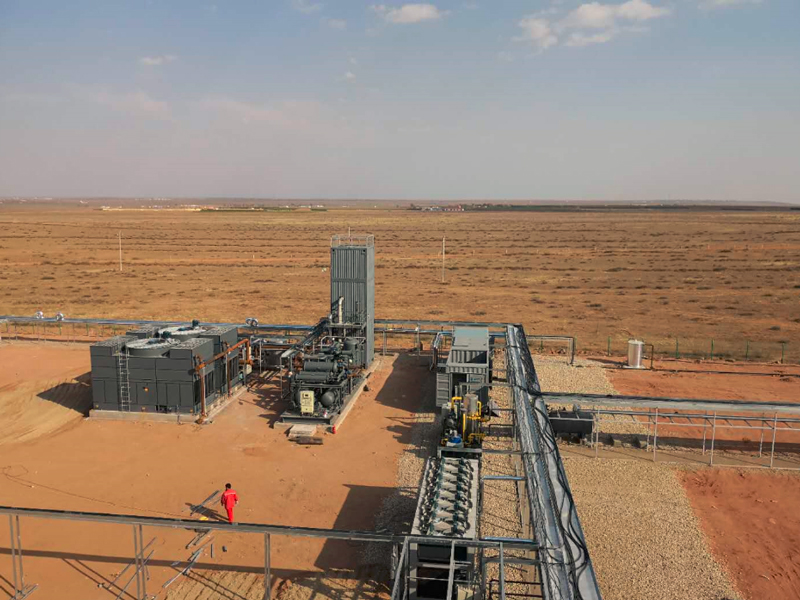
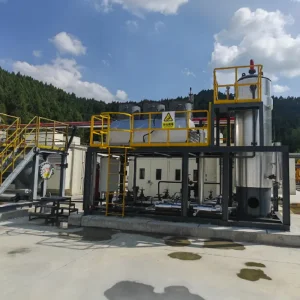
Fully integrated processing skids designed for recovering natural gas flares from decentralized drilling operations.
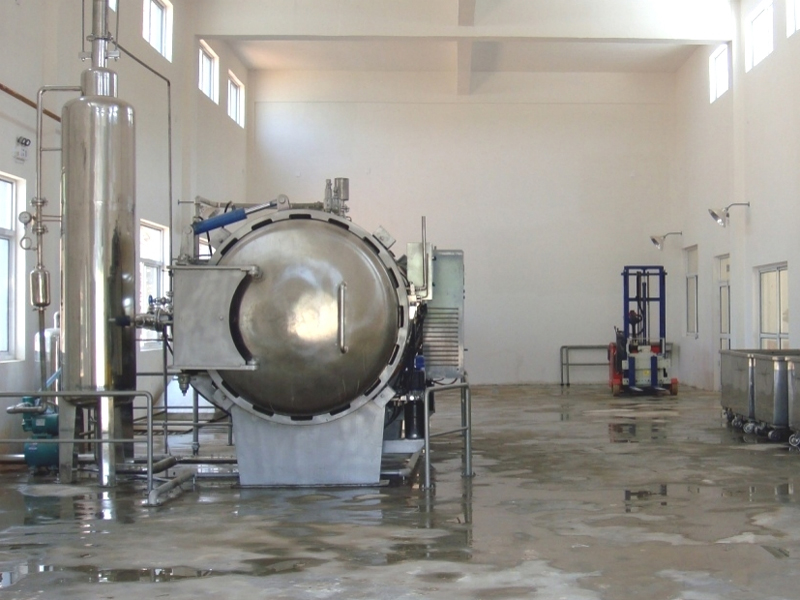
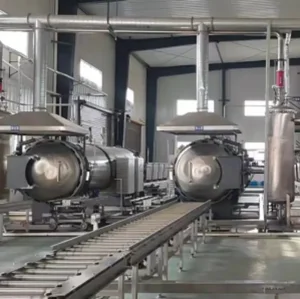
High-capacity pressure sterilization vessels designed for municipal solid hazardous medical waste management.
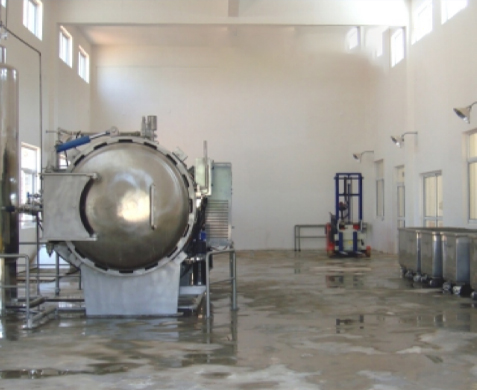
Experienced procurement managers recognize that the initial cost of a pressure vessel is only one component of its total lifecycle cost. To ensure long-term reliability and compliance in sensitive chemical, natural gas, or pharmaceutical environments, consider the following parameters:
Every stainless plate must possess a genuine Mill Test Certificate (MTC) verifying its chemical composition and mechanical properties. Premium manufacturers verify that critical values for Carbon, Chromium, Nickel, and Molybdenum are met to prevent stress corrosion cracking (SCC) or localized pitting in severe operations.
Welded seams are potential failure points in pressure vessels. Ensure the manufacturer performs complete non-destructive inspections, including Radiographic Testing (RT), Ultrasonic Testing (UT), and Magnetic Particle Testing (MT) or Liquid Penetrant Testing (PT) to confirm weld integrity before hydrostatic testing.
For sanitary applications (such as pharmaceuticals, bio-processing, and food industries), the internal surface finish is critical. The manufacturer must offer advanced mechanical polishing, pickle passivation, and electro-polishing to achieve a low roughness profile (Ra < 0.4 μm), preventing bacterial adhesion and process contamination.
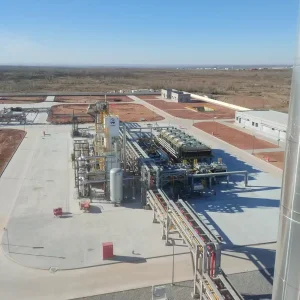
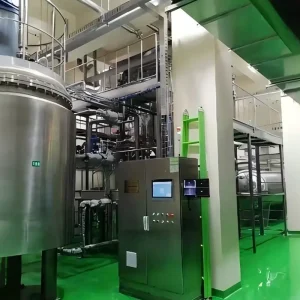
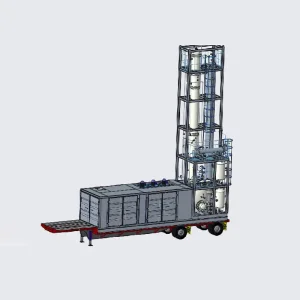
Whether you need customized pressure vessels conforming to ASME standards, high-purity biopharmaceutical reactor units, or modular natural gas purification systems, our scientific directors and senior engineers are here to support your procurement needs.
 Hongke Qingneng