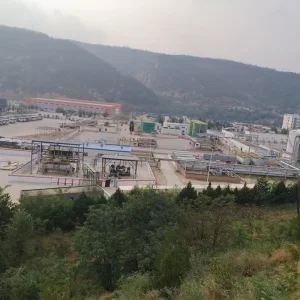
Engineered skid-mounted solutions optimizing industrial gas dehydration, deacidification, and cryogenic natural gas liquefaction workflows globally.
Established in June 2021 with a registered capital of 78 million yuan, Hebei Hongke Qingneng Environmental Protection Equipment Co., Ltd. has quickly positioned itself as an industry-leading pioneer. Located in the industrial heart of the Sanhe Economic Development Zone, Langfang City, the company specializes in advanced research, development, and manufacturing of environmental protection systems and skid-mounted industrial assets.
Our comprehensive portfolio integrates state-of-the-art technologies across multiple domains: non-standard pressure vessels, medical waste high-temperature steam treatment installations, biological wastewater purification setups, and customized biological waste treatment assets. Furthermore, we are globally acknowledged for our expertise in coalbed methane, shale gas, and natural gas purification/liquefaction, VOC treatment, industrial refrigeration, and BOG tail gas helium extraction plants.
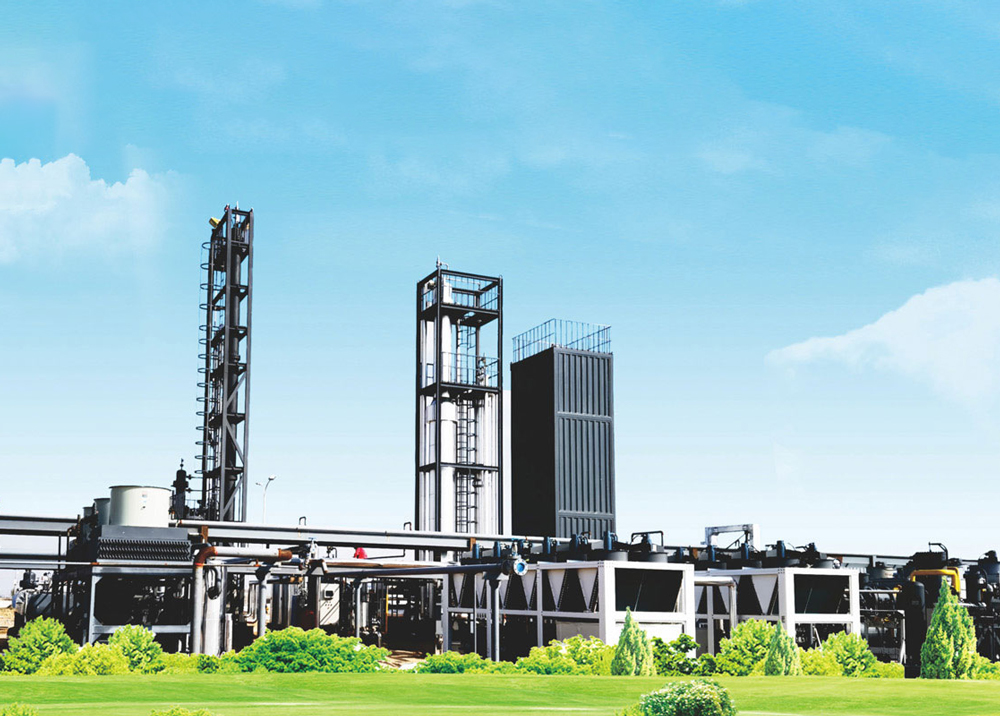
Bridging fundamental cryogenic physics research with large-scale industrial execution.
An in-depth analysis of processing efficiencies, technical barriers, and localized applications in modern industrial gas treatment.
In contemporary chemical manufacturing, gas refining, and clean energy production, control over moisture and trace impurities is paramount. Gas stream moisture can form gas hydrates under high-pressure conditions, resulting in pipeline blockages, control valve freeze-ups, and accelerated acidic corrosion of metal components. For natural gas pipelines and cryogenic liquefaction plants (LNG), dehydration to a dewpoint below -100°C is required to prevent water ice solidification during liquefaction cycles.
Currently, international operations rely on Triethylene Glycol (TEG) absorption systems for large-volume pipelines and Molecular Sieve Adsorption systems for cryogenic processing. With the tightening of global carbon emission regulations and methane control protocols, modern industrial operations demand skid-mounted, closed-loop dehydration configurations that limit volatile organic compound (VOC) emissions while maintaining high thermodynamic efficiency.
"The modern integration of dehydration, deacidification, and cryogenic fractionation on a single skid represents a critical evolution in minimizing footprint and startup complexity for remote gas operations."
China has transitioned from a component supplier to a primary designer of modular process skids. Production hubs, like the Sanhe Economic Development Zone, leverage comprehensive regional supply chains that consolidate raw steel processing, specialized pressure vessel fabrication, precision control valves, and advanced instrumentation within a narrow geographical range.
This geographic clustering enables Chinese factories to manufacture A2-level pressure vessels and complex skid configurations at a accelerated rate compared to Western equivalents, while maintaining competitive production costs. Furthermore, the integration of automated robotic welding, automated non-destructive testing (NDT), and computerized thermal stress relief ensures that system integrity meets or exceeds international standards (such as ASME Section VIII and CE PED).
A key differentiator of Hebei Hongke Qingneng is our direct connection to academic research institutes. Our core R&D division is led by researchers trained at the Institute of Physics and Chemistry Technology, Chinese Academy of Sciences (CAS), and Tsinghua University.
Ph.D. from the Institute of Physics and Chemistry Technology, Chinese Academy of Sciences. Dr. Sun has led several national strategic programs, including the National 863 Program and military aerospace initiatives. A recipient of the Special Prize of Technological Invention from the Chinese Society of Refrigeration (2015) and the Beijing Science and Technology Award First Prize (2016), he holds over 20 independent intellectual property patents in gas liquefaction and cryogenic purification.
Affiliated with the Institute of Physics and Chemistry Technology, CAS, Zou Xin has managed market operations and technology integration programs for over a decade. He has published 24 peer-reviewed academic papers (with 11 indexed in SCI/EI) and holds 5 patents. His work on skid-mounted gas treatment systems earned the Beijing Science and Technology Award First Prize and the Silver Medal at the 19th China International Industry Expo.
Ph.D. in Engineering from the Institute of Physics and Chemistry Technology, CAS. Dr. Cheng specialized in Phase Change Heat Transfer and Multicomponent Mixed Refrigerant Flow Characteristics. He has led the process design for over 50 operating skid-mounted liquefaction facilities. He is co-recipient of the 2015 Chinese Refrigeration Society Special Prize for his work on scalable skid-mounted LNG process optimization.
By combining academic research with a manufacturing base, Hebei Hongke Qingneng has secured key certifications required for global deployments:
Our core capabilities span industrial refrigeration, pet treatment, medical waste treatment, and non-standard vessel design.
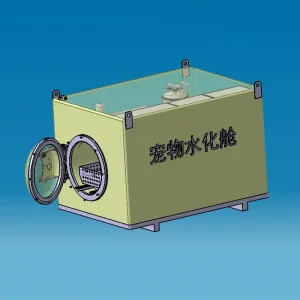
We manufacture advanced medical waste high-temperature steam treatment equipment, mobile waste units, and biological tissue hydrolysis reactors designed for biosafety laboratories.
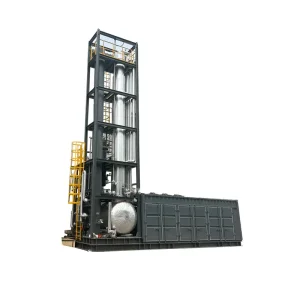
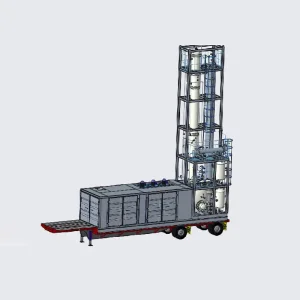
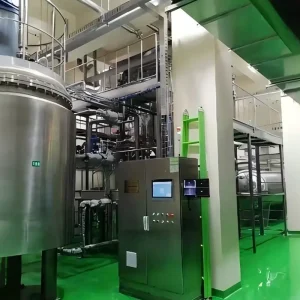
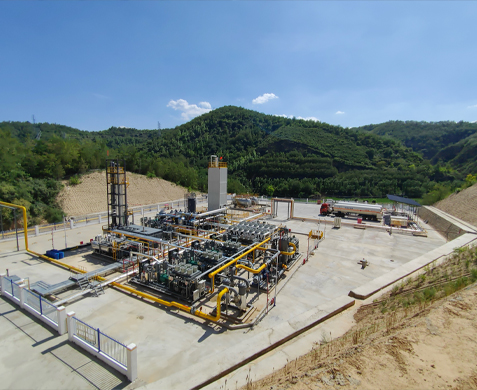
Our process lines feature skid-mounted liquefaction equipment, complete gas purification plants (deacidification, dehydration, and heavy hydrocarbon extraction), and tail-gas BOG helium recovery modules.
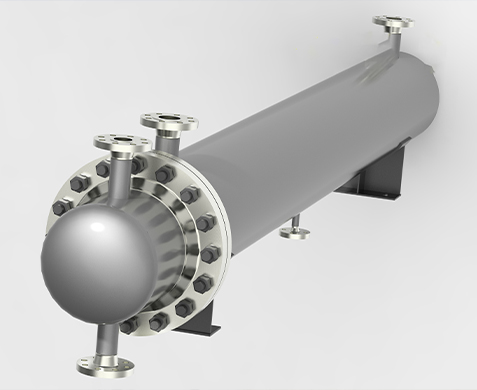
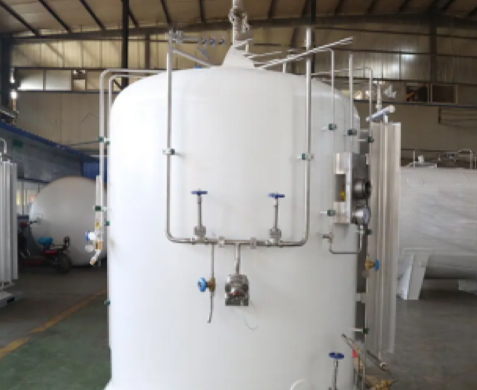
We design custom shell-and-tube heat exchangers, process vessels, cryogenic storage units, and experimental thermal test benches according to specific client requirements.
We build deep temperature units ranging from -40℃ to -180℃, freeze dryers operating down to -100℃, and cryogenic cold traps designed to condense gas impurities in low-temperature lines.
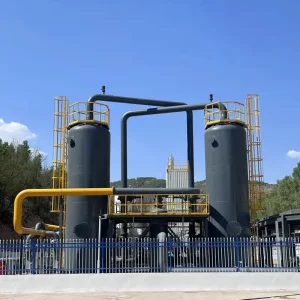
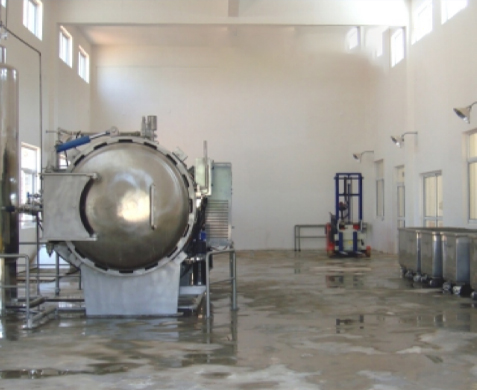
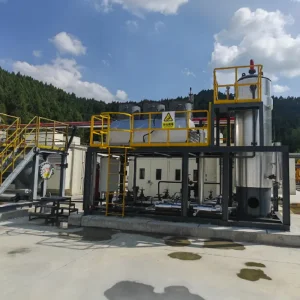
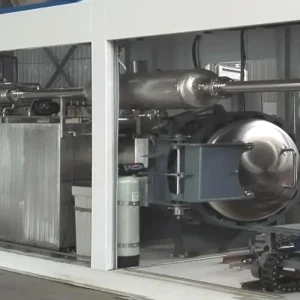
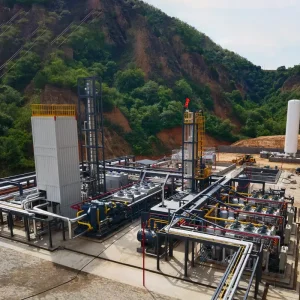
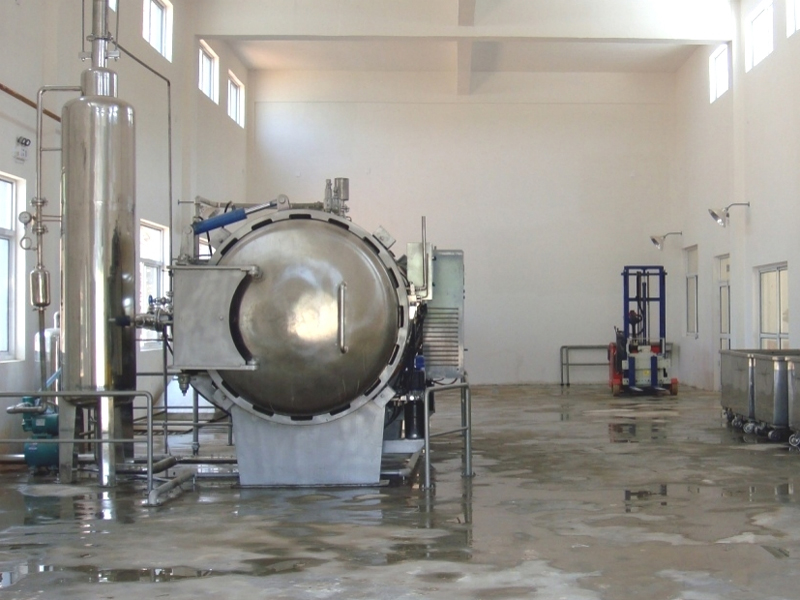
Operational installations showcasing skid-mounted configurations and high-temperature thermal hydrolysis processes.
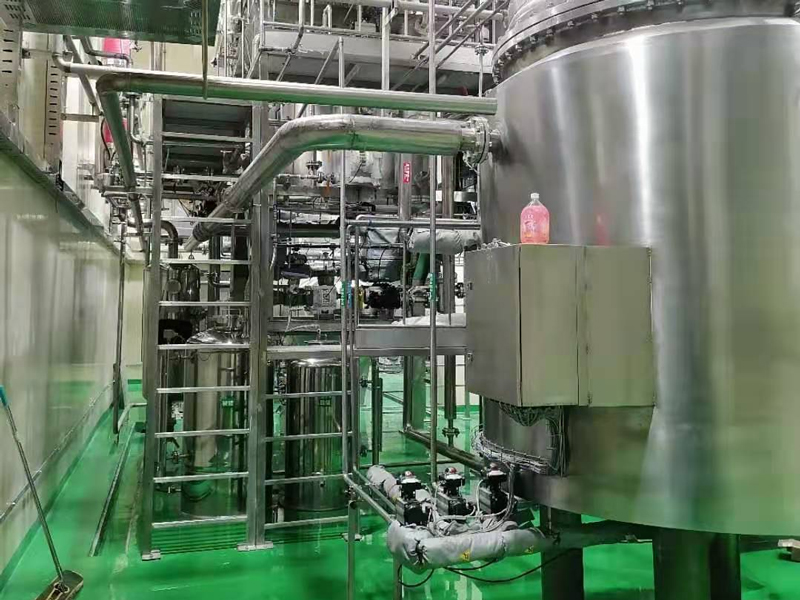
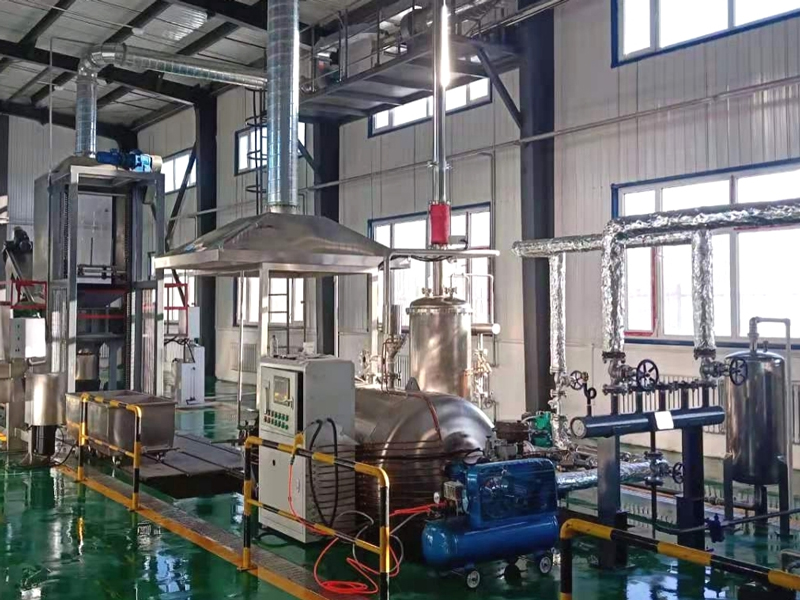
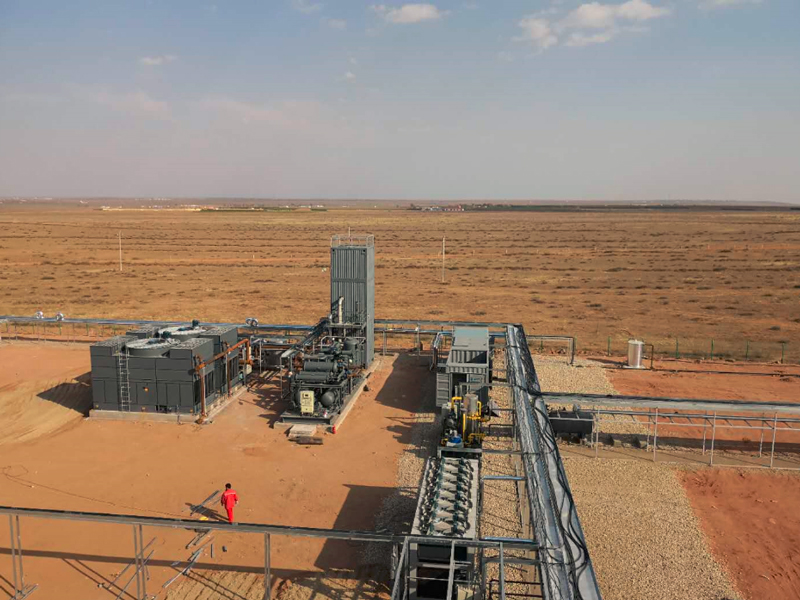
Raw natural gas and associated gas streams are complex fluids containing carbon dioxide (CO2), hydrogen sulfide (H2S), heavy hydrocarbons, and water vapor. Removing these compounds is necessary to prepare the gas for pipeline distribution or cryogenic processing. Our purification process uses a three-stage sequence: deacidification, dehydration, and heavy hydrocarbon extraction.
The deacidification skid uses selective amine solvents (typically MDEA formulations) to reduce CO2 content to less than 50 ppmv and H2S to less than 4 ppmv. Following acid gas removal, the gas enters the dehydration unit.
Here, we employ a dual or triple-tower molecular sieve system operating under Temperature Swing Adsorption (TSA) cycles. These molecular sieves (type 3A or 4A zeolites) remove water molecules from the gas stream, lowering the water dew point to -100°C.
Once dry, the gas enters the hydrocarbon recovery column, where propane, butane, and heavier hydrocarbons are condensed and separated. This step stabilizes the gas stream, preventing liquid dropout and preparing the gas for liquefaction or distribution.
Beyond gas treatment, our team applies thermal engineering principles to biological containment and waste processing. In laboratory animal research facilities and agricultural processing plants, carcass disposal requires reliable biocontainment.
Our thermal hydrolysis reactors use saturated steam at elevated pressures to degrade biological tissues. Under typical operating conditions of 135°C to 160°C and pressures up to 0.6 MPa, biological materials are reduced to a sterile liquid phase and bone residue. This thermal treatment inactivates pathogens, including bacterial spores and viral agents, providing a safe alternative to incineration.
Expert engineering answers to common technical queries regarding gas purification, dehydration systems, and pressure vessel specifications.
Robust engineering options for medical waste treatment, VOC gas recovery, and custom autoclave systems.
 Hongke Qingneng