High-performance gas processing and pressure vessel configurations engineered for global compliance.
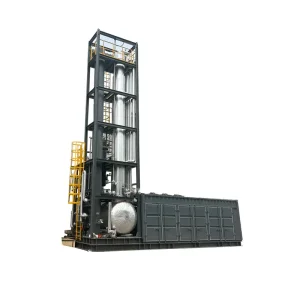
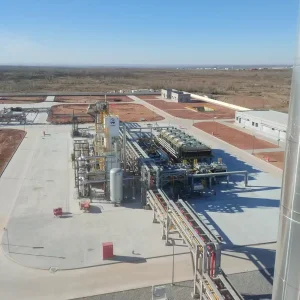
Industrial thermal processes demand unprecedented levels of thermodynamic efficiency, especially in cryogenic ranges from -40 °C down to -180 °C. As a global leading gas heat exchanger supplier, our design principles focus heavily on mitigating entropy generation, reducing pressure drops, and maintaining absolute mechanical integrity under high-pressure scenarios. Through intensive cooperation with academic institutions like Tsinghua University and the Institute of Physics and Chemistry Technology, Chinese Academy of Sciences (CAS), we bridge the gap between academic thermal research and industrial scale manufacturing.
Our key focus areas include the phase change heat transfer characteristics and complex flow characteristics of mixed working mediums, ensuring that our skid-mounted liquefaction systems function stably under fluctuating gas inlet parameters. Whether treating associated shale gas, purifying coalbed methane, or recovering helium from boil-off gas (BOG), our custom gas-to-gas heat exchangers are manufactured using advanced thermal computations (utilizing Finite Element Analysis and computational fluid dynamics).
By optimizing the boundary layers inside shell and tube heat exchangers, we maximize the heat transfer coefficient (U-value) while minimizing fouling tendencies. This guarantees long-term energy savings and operational safety for chemical, environmental, and oil & gas facilities worldwide.
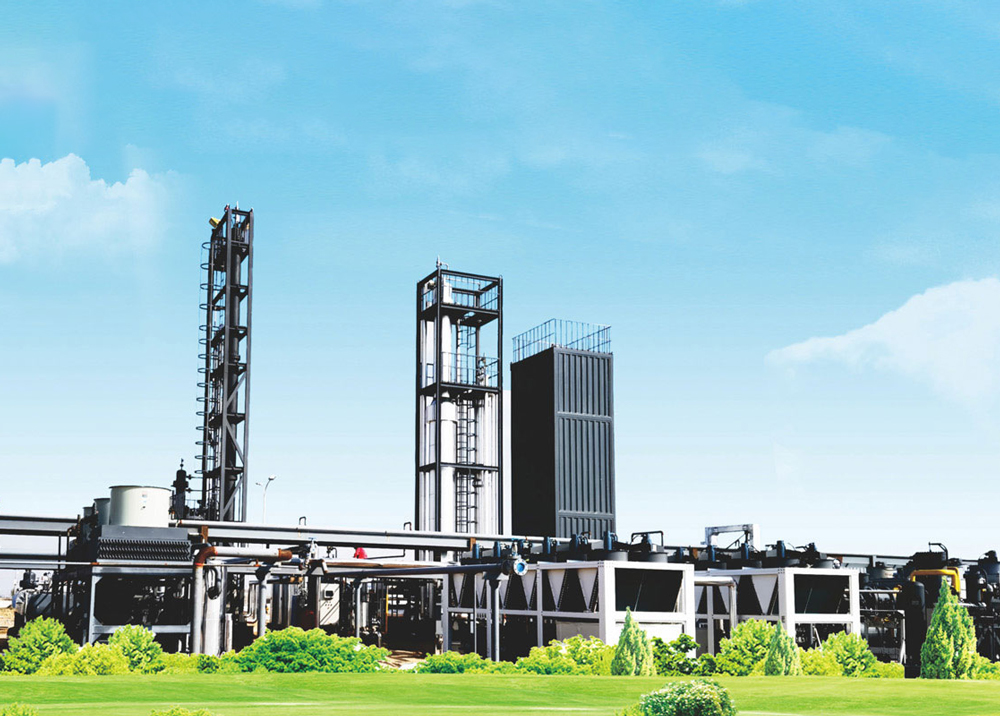
Our competitive advantage lies in our scientific lineage and strong technological development capabilities.
Holds a Ph.D. from the Institute of Physics and Chemistry Technology, Chinese Academy of Sciences (CAS), and holds the title of National Senior Engineer. Dr. Sun has led several major national projects, including the National 863 Program, Aerospace and Military Cryogenic Projects, and the National Natural Science Foundation. His pioneering work won the First Prize of Science and Technology of the China Coal Industry, and the Special Prize of Technological Invention of the Chinese Society of Refrigeration.
A Ph.D. candidate and Senior Engineer from the CAS Institute of Physics and Chemistry Technology. Dr. Zou has managed complex technological markets and commercialization for years. He has published 24 peer-reviewed academic papers (including 11 indexed by SCI/EI), authorized 5 invention patents, and received the Silver Medal at the 19th China International Industry Expo for outstanding environmental equipment innovations.
Received his Doctor of Engineering from the CAS Institute of Physics and Chemistry Technology. Over the past decade, Dr. Cheng has specialized in mixed working medium thermodynamics and phase-change transfer dynamics. He spearheaded the core research and development for our "Series Specifications of Skid-Mounted Natural Gas Liquefaction Units", which won the First Prize of Science and Technology Award of Beijing.
Why global enterprises source gas heat exchangers and processing plants from our Sanhe Economic Development Zone industrial base.
Located in the Sanhe Economic Development Zone, Langfang, our facility houses specialized machinery for rolling, automatic welding, non-destructive testing (NDT), and high-vacuum processing. This proximity to major logistical hubs ensures rapid transit to international ports.
We hold the official A2 level pressure vessel manufacturing license and pressure pipeline component manufacturing license. Our facility is certified with GB/T19001-2016 quality management standards, as well as the rigorous Sinopec HSSE & China Petroleum HSE management protocols.
Functioning as an official Langfang municipal R&D platform, our engineering pipelines directly integrate academic cryogenics and physical chemistry breakthroughs. We transform theoretical models into highly efficient industrial heat recovery products.
We deliver integrated skid-mounted hardware tailored to global energy and environmental purification needs.
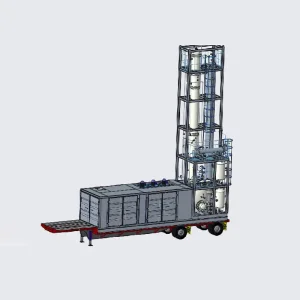
Providing full-lifecycle services for deacidification, dehydration, and heavy hydrocarbon removal. Our modular liquefaction units feature advanced mixed refrigerant cycles (MRC) optimized for remote wellheads, coalbed methane fields, and associated shale gas fields.
Specially engineered shell and tube condensers, carbon beds, and multi-stage purification thermal designs to recover organic vapor, volatile organic compounds, and industrial process tail gases to prevent air pollution while recycling valuable hydrocarbons.
Designing high-specification cascade refrigeration machines, cryogenic vacuum cold traps, and deep-freeze drying solutions for pharmaceutical, scientific, and special industrial material handling.
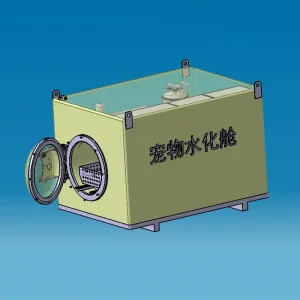
Our biological and medical waste high-temperature steam sterilization systems utilize custom high-pressure chambers. We provide containment sterilization units designed for laboratory animal tissue, medical refuse, and toxic live wastewater.
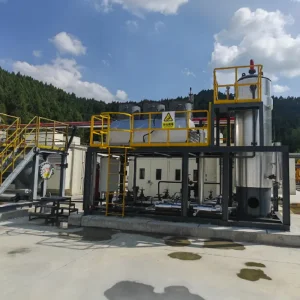
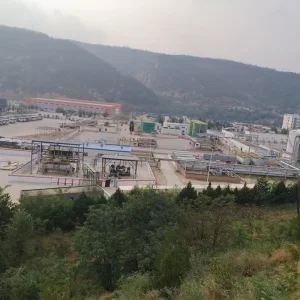
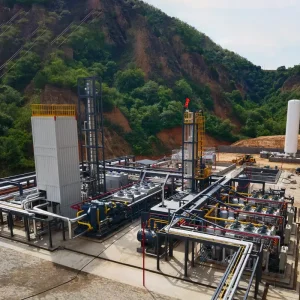
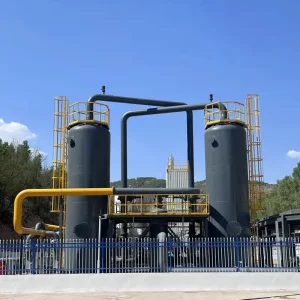
Real-world operational highlights and hardware installations built for heavy industrial environments.
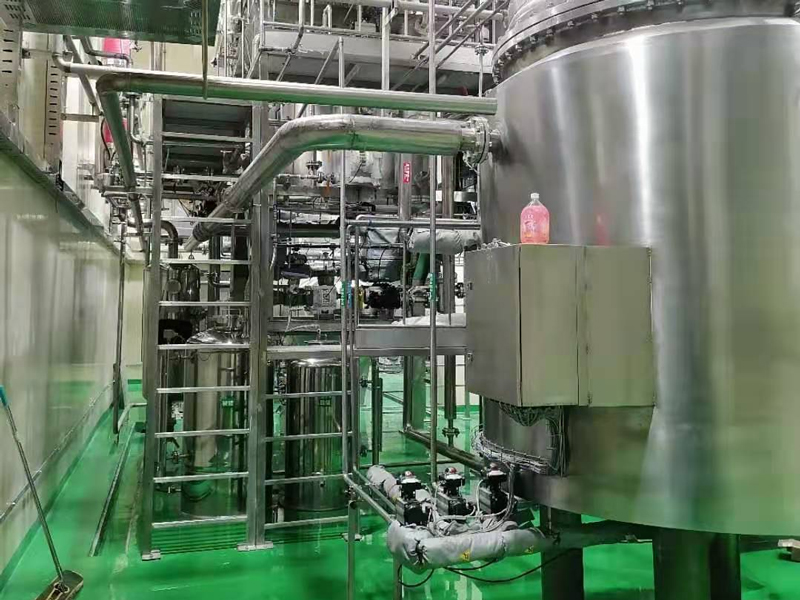
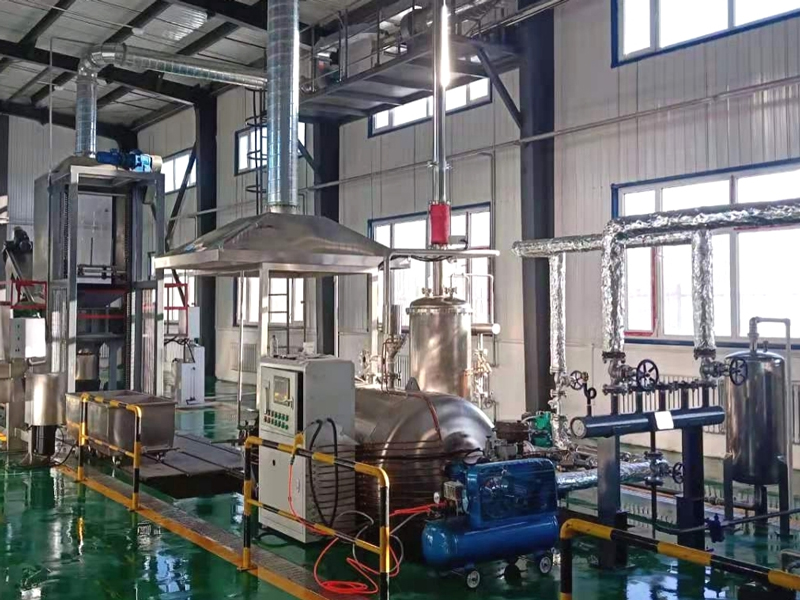
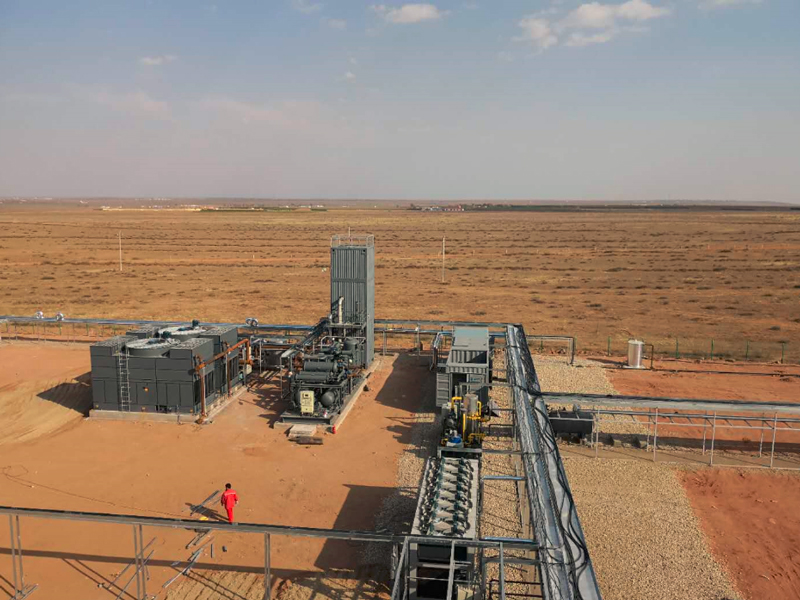
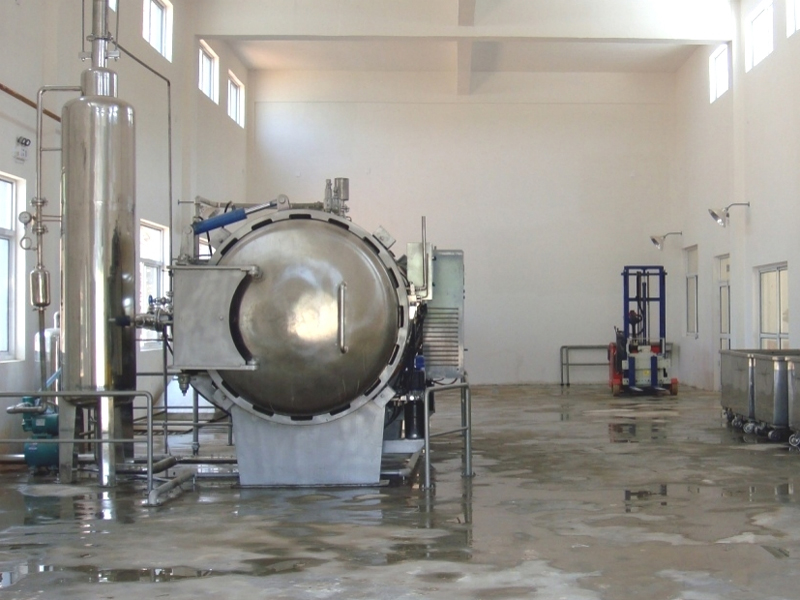
The industrial landscape is transforming rapidly under global decarbonization pressures, calling for robust thermal designs that prioritize green operations and secondary energy utilization. Within gas processing, thermal systems must balance low emission outputs, optimal heat transfer kinetics, and small footprint configurations. This has triggered three primary movements in heat exchanger and purification plant design:
Instead of on-site civil works and prolonged installation pipelines, global gas operators demand pre-assembled, skid-mounted modules. Integrating gas purification, deacidification, dehydration, and liquefaction onto portable structural frames drastically lowers capital expenditure (CAPEX) and cuts time-to-market. Our engineering team excels at compact arrangement design, validating the thermal stress and piping vibrations under transport and operation beforehand using 3D structural analysis.
Helium remains an invaluable, non-renewable resource for semiconductor and medical diagnostics. Large-scale LNG terminals generate high amounts of boil-off gas. Advancements in gas heat exchangers now allow for efficient BOG liquefaction and subsequent helium extraction at ultra-cryogenic temperatures. By configuring highly efficient plate-fin and special shell exchangers, companies are extracting high-purity helium directly from what was previously considered fuel-grade off-gas.
As drilling and process fields move to deeper, more corrosive offshore regions, pressure vessels and heat exchangers face intense levels of H2S and CO2. Materials engineering has adapted to use specialized clad plates, duplex stainless steels, and nickel alloys. Our factory's advanced welding operations guarantee minimal thermal distortion and outstanding resistance to sulfide stress corrosion cracking (SSCC), compliant with world-class international energy firm benchmarks.
Addressing engineering, compliance, and custom design parameters for global sourcing managers.
We design and manufacture under the A2 Grade Pressure Vessel manufacturing regulations in China, aligning fully with GB150 (Chinese National Standard). Additionally, we implement ASME Section VIII Division 1 and Division 2 designs, as well as European PED standards when requested. All pressure vessels undergo non-destructive testing (NDT), including radiographic (RT), ultrasonic (UT), magnetic particle (MT), and hydrostatic pressure tests, before receiving international shipping approval.
Our technical leaders from the Institute of Physics and Chemistry Technology of the Chinese Academy of Sciences (CAS) have pioneered studies on mixed working mediums and low-temperature phase changes. By utilizing proprietary thermodynamic algorithms and simulation software, we calculate optimal heat transfer areas and custom fin configurations. This significantly reduces thermal resistance and raises the COP (Coefficient of Performance) of our cryogenic systems by 15% to 25% compared to standardized legacy plants.
Depending on configuration complexity, structural footprint, and required certifications (e.g., ATEX, Class I Div 2 electricals), the process engineering design phase takes about 4–6 weeks. Sourcing specialized alloys and vessel welding requires 12–16 weeks. Assembly, skid integration, instrument testing, and factory acceptance testing (FAT) are completed within 4 weeks. Total delivery times range between 20 and 26 weeks.
Yes. We supply highly specialized desulfurization and deacidification systems designed for high-H2S natural gas streams. We utilize corrosion-resistant steel formulations, special interior cladding, and tailor amine scrubbing parameters to handle complex gas compositions, ensuring output gas matches pipeline-grade or liquefaction-grade specifications safely.
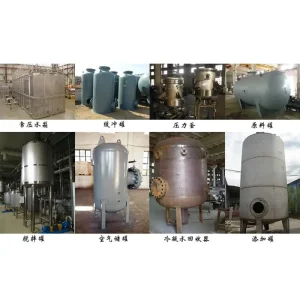
Additional heavy machinery, gas skids, and sterilization equipment manufactured at our Langfang base.
 Hongke Qingneng