High-vacuum thermal insulation engineering applied across medical waste treatment, VOC gas recovery, and natural gas skid-mounted plants.
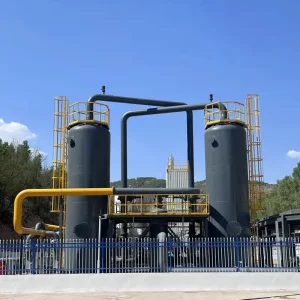
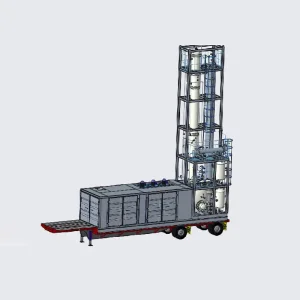
In the contemporary industrial landscape, the storage, transport, and processing of gases at sub-zero temperatures (ranging from -40°C down to deep cryogenic levels of -180°C and -269°C) demand unprecedented levels of thermal efficiency. Herein lies the role of High-Performance Insulation Vacuum systems. By eliminating gas molecular thermal conduction and minimizing convective heat ingress via specialized vacuum jackets and multi-layer insulation (MLI), modern engineering systems guarantee minimal boil-off rates (BOR) and maximum process control.
Globally, vacuum insulation technology has transitioned from specialized laboratory use to the backbone of large-scale infrastructure. Driven by the global push for clean transition fuels like Liquefied Natural Gas (LNG), shale gas development, and localized purification of coalbed methane (CBM), the demand for high-integrity pressure vessels, skid-mounted cold boxes, and non-standard vacuum equipment is rising. Modern factories in China are at the forefront of this shift, integrating academic physics with heavy industry manufacturing to supply high-reliability assemblies worldwide.
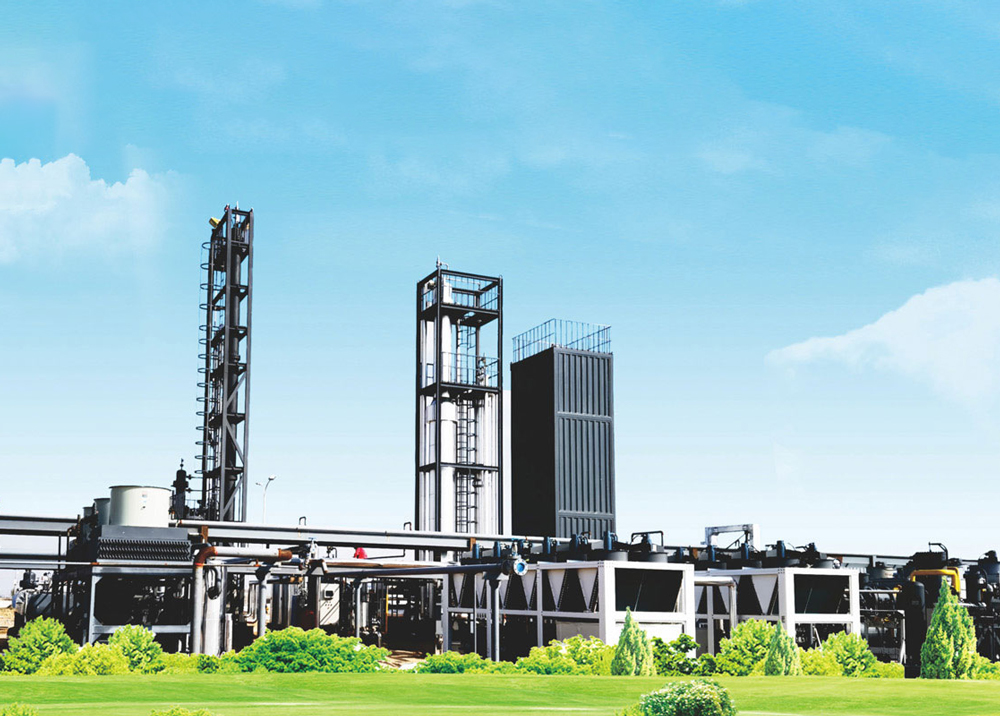
Bridging the gap between cryogenic engineering theory and field-ready industrial installations.
Founded in June 2021 with a registered capital of 78 million yuan, Hebei Hongke Qingneng Environmental Protection Equipment Co., Ltd. stands as a premier technological hub in the Sanhe Economic Development Zone, Langfang City. The company operates at the intersection of thermal science and large-scale manufacturing, leveraging key engineering talents from Tsinghua University and the Institute of Physics and Chemistry Technology, Chinese Academy of Sciences (CAS).
Our design paradigms comply with strict international regulatory regimes. Hongke Qingneng holds the prestigious A2 level pressure vessel manufacturing license, pressure pipeline component manufacturing license, GB/T19001-2016 quality system certification, and Sinopec HSSE/China Petroleum Health, Safety and Environment Management System certification. We translate cutting-edge phase-change heat transfer research into robust industrial solutions.
National Senior Engineer. Dr. Sun has presided over the National 863 Program, Aerospace & Military Projects, and Chinese Academy of Sciences knowledge innovation projects. Awarded the Excellent Young Paper Award (Chinese Society of Engineering Thermophysics), First Prize of Science and Technology of China Coal Industry, and First Prize of Beijing Science and Technology Award. He holds over 20 independent R&D patents applied in 50+ sets of small skid-mounted liquefaction systems.
Senior Engineer at the Institute of Physics and Chemistry Technology, CAS. Led national major special projects and published 24 peer-reviewed academic papers (11 SCI/EI indexed). Holds 5 national invention patents. Received the Special Award of the 7th China Refrigeration Society Technological Invention Award and the Silver Medal of the 19th China International Industry Expo.
Doctor of Engineering from the Institute of Physics and Chemistry Technology, CAS. An expert in skid-mounted natural gas liquefaction specs. Noted for his work on the phase change heat transfer characteristics and flow properties of mixed working media in high-vacuum systems. Key designer of various cryogenic liquefaction cold boxes and desulphurisation plants.
Decarbonization, Helium Recovery, and Multi-Barrier High-Vacuum Cryogenics
As helium remains a critical resource for semiconductor fabrication, medical MRI equipment, and space systems, recovering it from Boil-Off Gas (BOG) in LNG terminals has become a major objective. High-vacuum insulated cryogenic cold boxes operate at temperatures below -180°C, condensing hydrocarbons and methane to enrich gaseous helium for extraction. By using low-conductivity supports and advanced vacuum-reflective layers, our systems minimize cryogenic fluid boil-off, making helium enrichment commercially viable.
The hydrogen economy requires reliable liquefaction processes at -253°C. At this temperature, traditional insulation fails. The integration of high-vacuum, multi-shielded containment structures is crucial. Hongke Qingneng's R&D roadmap focuses on double-walled vacuum vessels utilizing low-outgassing alloy formulations, composite vacuum getter beds, and lightweight structural supports to limit thermal bridges.
Future systems will require real-time tracking of vacuum levels to prevent catastrophic thermal failure. Our next-generation skid-mounted pressure vessels integrate smart vacuum sensors that monitor vacuum pressure (down to the 10-5 Pa range) and run predictive algorithms. These systems alert operators before micro-leaks can affect the system's thermal efficiency.
Specialized industrial modules custom-engineered for maximum environmental efficiency and energy conservation.
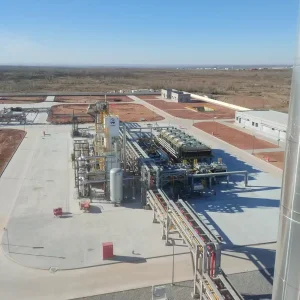
Operational implementations demonstrating high engineering reliability across China and worldwide.
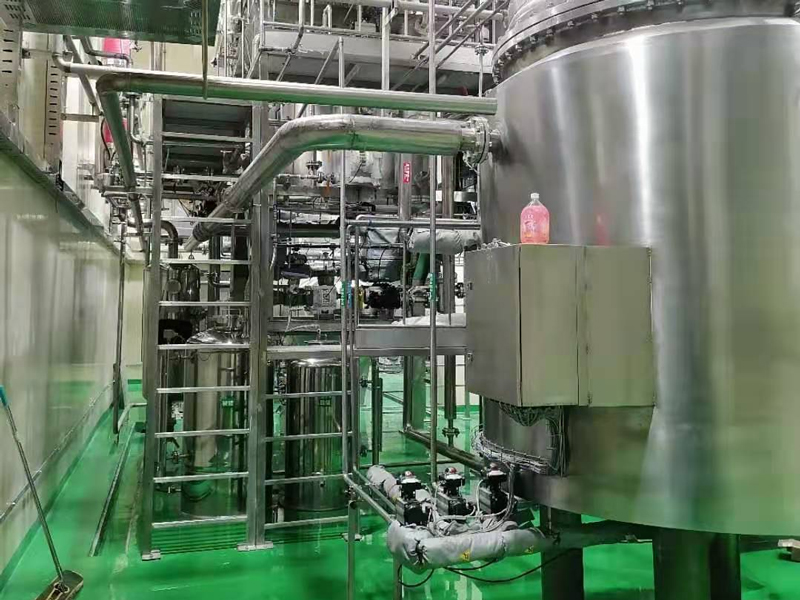
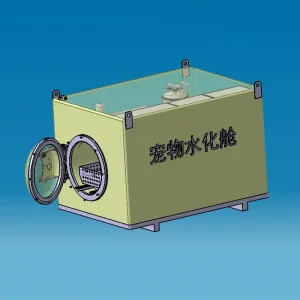
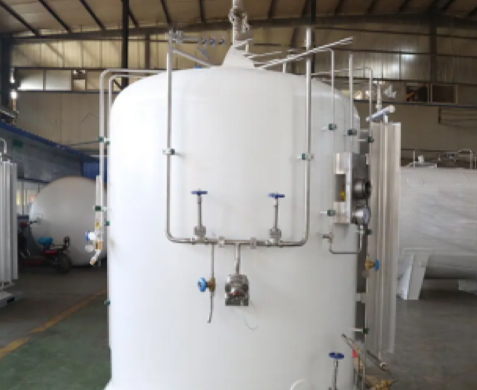
Laboratory Animal Residue Harmless Treatment
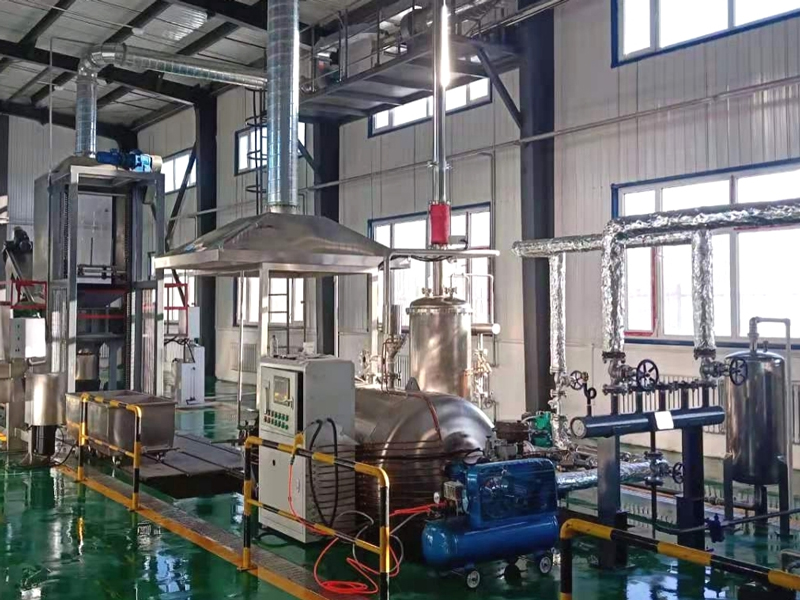
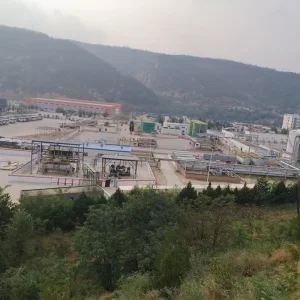
Mobile Medical Waste Disposal Plant
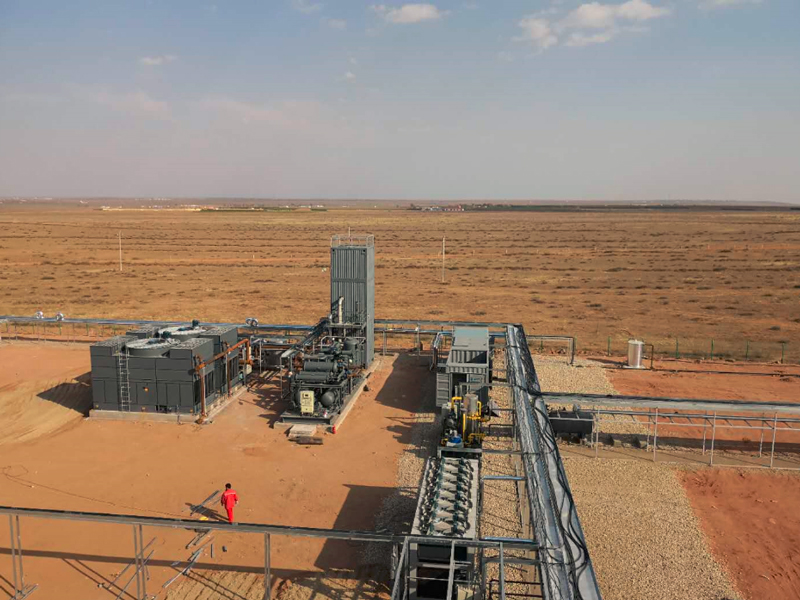
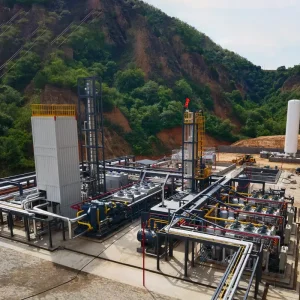
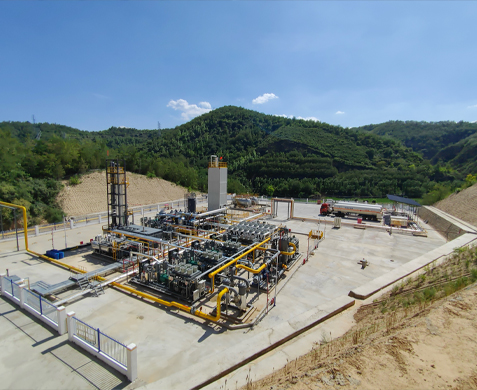
M3/d Well Gas Liquefaction Installation
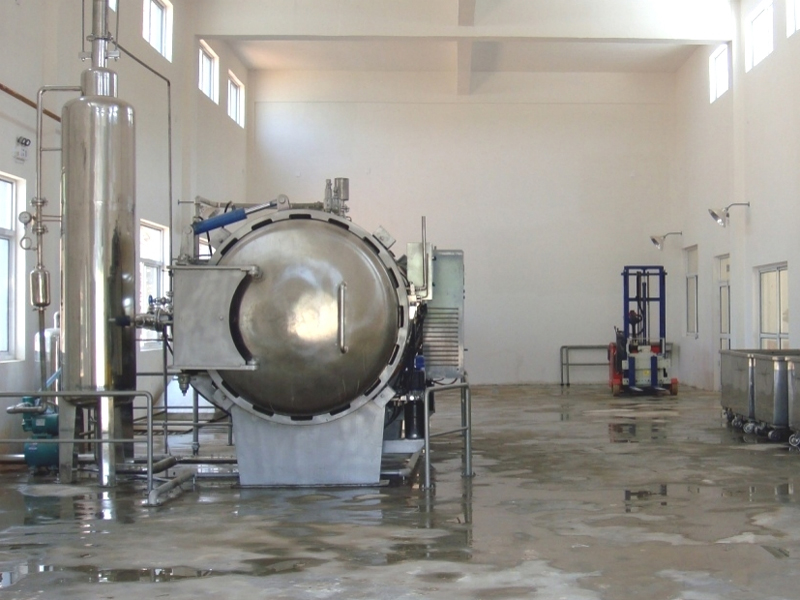
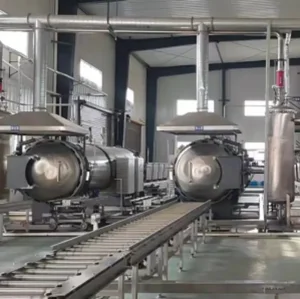
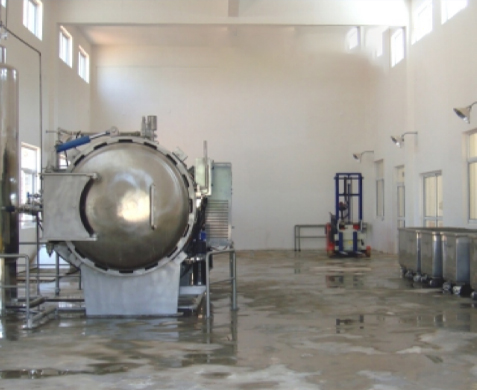
Centralized High-Temp Steam Treatment
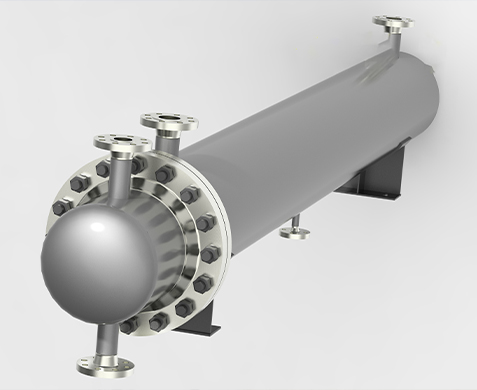
Authoritative explanations addressing common client queries about vacuum containment systems.
Vacuum insulation eliminates gas molecular heat conduction and convection. In double-walled storage vessels, drawing a high vacuum (typically below 1x10⁻² Pa) in the annular space isolates the cold inner vessel from external heat. Multi-layer insulation (MLI) is added to block radiant heat transfer, keeping the boil-off gas rate (BOR) low.
Skid-mounted integration allows complete modules—including cold boxes, vacuum insulation lines, heat exchangers, and purification separators—to be assembled, piped, wired, and tested in our factory. This minimizes on-site installation work, reduces labor, ensures high pressure and leak test integrity under controlled workshop conditions, and speeds up plant commissioning.
Helium boils at a lower temperature than methane. By cooling Boil-Off Gas (BOG) to around -180°C, we liquefy the methane and light hydrocarbons, leaving behind a highly enriched helium gas stream. Our CAS-collaborative technologies handle this multi-component phase separation, allowing for cost-effective helium extraction and recovery.
Manufacturers must hold certified pressure vessel licenses, such as China's A2 level pressure vessel manufacturing license, and maintain clear quality management systems (like GB/T19001-2016). Additionally, meeting safety and environmental criteria like Sinopec HSSE or China Petroleum Health and Safety certifications is essential for petrochemical and gas industry projects.
Whether you need customized vacuum-insulated pipelines, skid-mounted LNG micro-liquefaction assemblies, BOG helium extraction lines, or high-temperature steam treatment installations, Hebei Hongke Qingneng Environmental Protection Equipment Co., Ltd. provides customized design, precision engineering, and post-installation support.
Leveraging our engineering expertise and academic collaborations, we help you meet project targets, lower operational energy use, and maintain high standards of environmental compliance.
If you have any questions or require custom specifications, please reach out to our senior technical team.
Langfang City Industrial Base, Hebei Province, China.
From environmental waste remediation to high-efficiency cryogenic processing systems.
 Hongke Qingneng