High-performance gas processing systems, mobile biological containment platforms, and specialized pressure vessels designed to exceed international standards.
Established in June 2021 with a substantial registered capital of 78 million yuan, Hebei Hongke Qingneng Environmental Protection Equipment Co., Ltd. represents the cutting edge of industrial thermal design and pressure containment. Located in the high-tech industrial base of the Sanhe Economic Development Zone, Langfang City, our company stands as a premier municipal R&D platform.
We operate at the intersection of energy conservation, cryogenic technologies, and environmental protection. Our specialized engineering services focus on the custom design, validation, and manufacturing of A2-level pressure vessels, skid-mounted natural gas purification and liquefaction facilities, biological waste sterilizers, VOC elimination plants, and high-efficiency refrigeration loops.
Why global petroleum operators, waste management firms, and research laboratories partner with Hebei Hongke Qingneng.
We bridge academia and heavy engineering, housing top-tier specialists from Tsinghua University and the Institute of Physics and Chemistry Technology of the Chinese Academy of Sciences (CAS). Our collaborative intellectual framework drives innovation in cryogenic separation, gas recovery, and complex high-pressure phase-change processes.
Licensed for high-integrity vessel fabrication, we hold A2 level pressure vessel manufacturing licenses, pressure piping component licenses, and GB/T19001-2016 quality system certifications. We are fully compliant with Sinopec HSSE and CNPC Health, Safety, and Environment standards.
We are deeply committed to carbon emission abatement, zero-flaring solutions, resource recycling, and biosecurity containment. Our equipment directly contributes to air pollution prevention, resource recovery, and hazardous biological waste stabilization across industrial sectors.
Led by PhD holders and researchers from the Chinese Academy of Sciences and Tsinghua University.
Holds a Ph.D. from the Institute of Physics and Chemistry Technology, Chinese Academy of Sciences. A recipient of the First Prize of Science and Technology of the China Coal Industry, and the Special Prize of Technological Invention of the Chinese Society of Refrigeration. Dr. Sun has successfully spearheaded over 50 sets of skid-mounted processing units, holding more than 20 independent intellectual property rights.
Ph.D. candidate at the Institute of Physics and Chemistry Technology, CAS. He has managed commercial operations and research platforms for over a decade. Co-authored 24 academic papers (11 SCI/EI indexed), obtained 5 national invention patents, and secured major accolades including the Beijing Science and Technology Award and the Silver Medal of the 19th China International Industry Expo.
Doctor of Engineering from the Institute of Physics and Chemistry Technology, CAS. Specializes in advanced thermodynamics, multi-component mixed refrigerant flows, and phase change heat transfer models. He led the technical development of series specifications for modular skid-mounted natural gas liquefaction plants, earning several prestigious municipal awards.
An Industry Whitepaper on High-Pressure Storage, Process Condensation, and Biosecurity Engineering.
As the world seeks alternative pathways to bridge the transition between heavy fossil hydrocarbons and zero-emission energy carriers, Liquefied Petroleum Gas (LPG) and modular Liquefied Natural Gas (LNG) retain a pivotal role in the global energy map. The current global market for LPG pressure vessels is undergoing an intense structural transition. Demands are no longer confined to simple static storage tanks; today’s commercial applications call for complex thermodynamic processing, micro-refining, integrated pressure-boosting, and automated safety shutdowns.
Industrial scale requirements across the Americas, EMEA, and Asia-Pacific dictate compliance with rigorous quality protocols (ASME Section VIII, GB 150, and PED 2014/68/EU). In developing economies, the rapid expansion of gas-to-power and decentralization projects requires modular, skid-mounted pressure vessels that can withstand variable climatic stresses while delivering continuous vapor flow rates. The supply chain has shifted significantly toward manufacturing hubs capable of offering advanced metallurgy, precision automated welding, and non-destructive testing (NDT).
The manufacturing of industrial vessels requires strict adherence to safety margins. Holding an A2 level design and fabrication license ensures that a manufacturing plant can process structural plates (such as SA516 Gr. 70 or SA240 Type 304/316) through heavy roll-forming, specialized longitudinal seam welding, and thermal stress relieving, yielding pressure boundaries capable of containing highly volatile media under extreme cyclic thermal loading.
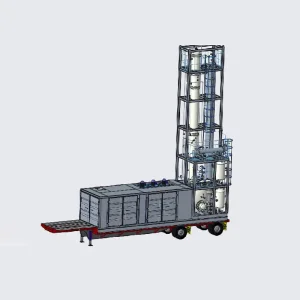
The cost of on-site fabrication in remote environments is a major bottleneck for natural gas field developers. The industry has therefore turned to the Skid-Mounted Assembly paradigm. By integrating the pressure vessel, recovery columns, heat exchangers, instrumentation manifolds, and safety valves on a single structural steel frame (skid), the entire sub-system can be assembled and pre-commissioned inside a controlled factory environment.
This modular concept is highly effective for skid-mounted natural gas liquefaction, BOG (Boil-Off Gas) recovery, and VOC purification plants. It limits installation time, drastically reduces the field labor force required, and guarantees that thermal isolation and pipeline integrity match laboratory benchmarks.
High-pressure vessels are not limited to fossil hydrocarbon fuels; they serve as critical process containment systems in biohazard control and industrial exhaust abatement.
At the extreme end of thermal engineering, the separation and liquefaction of rare gases (such as helium extraction from LNG boil-off gas) demand temperatures as low as -180 °C to -269 °C. Under these parameters, conventional carbon steels become brittle. The design requires highly advanced alloys, specialized vacuum insulation, and multi-component refrigerant systems. Our engineering department uses computational modeling and cryogenic test stands to optimize heat exchange coefficients, providing solutions that extract helium and other high-value gases from industrial off-gas streams.
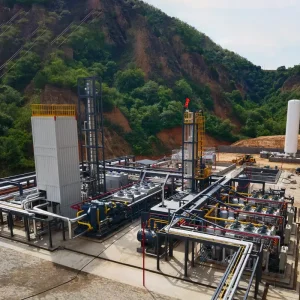
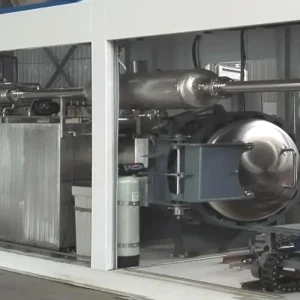
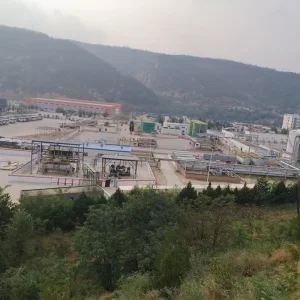
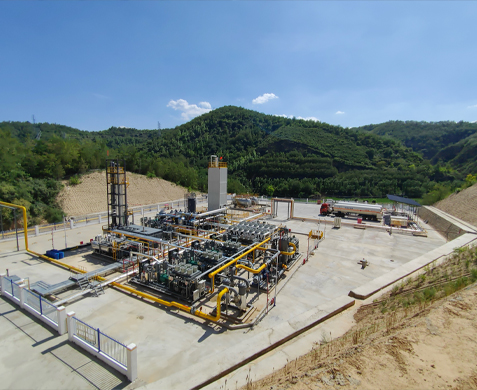
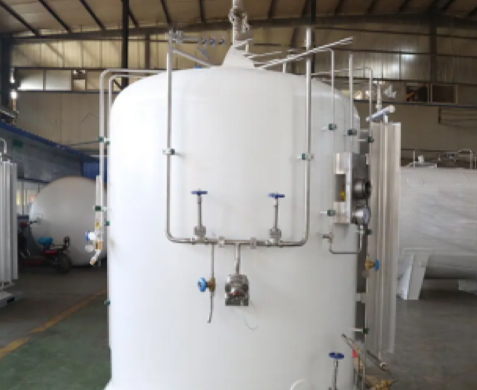
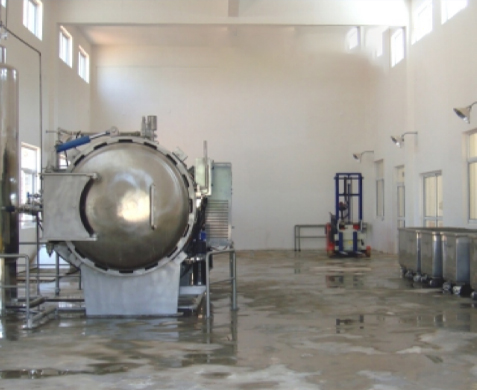
A showcase of our industrial systems operating in global oil and gas sites, bio-security labs, and medical centers.
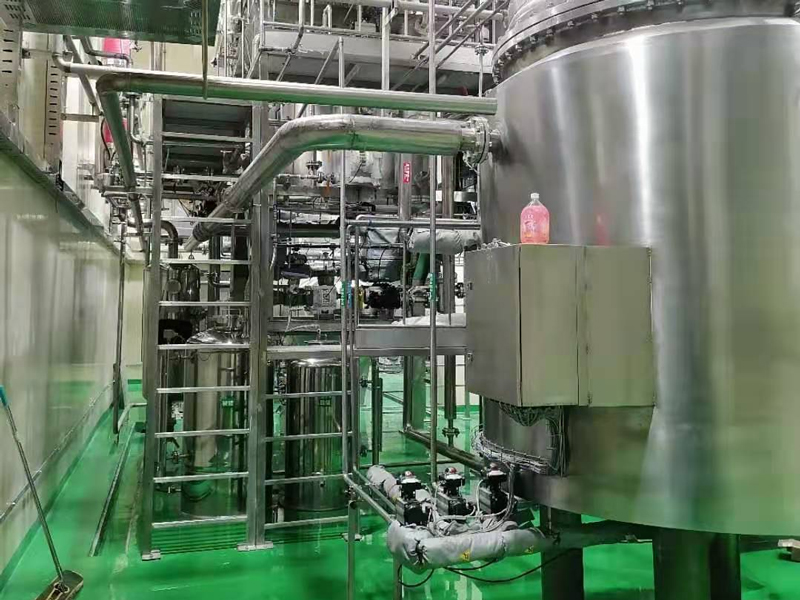
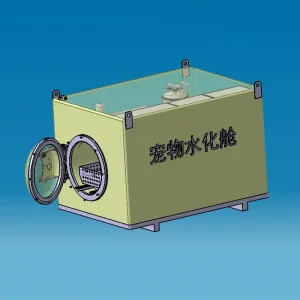
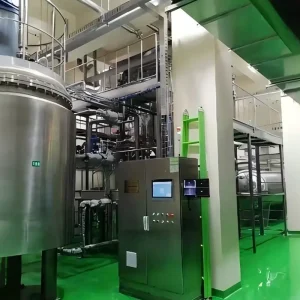
Integrated hydrolysis systems deployed inside municipal biosafety labs for biological tissue disposal.
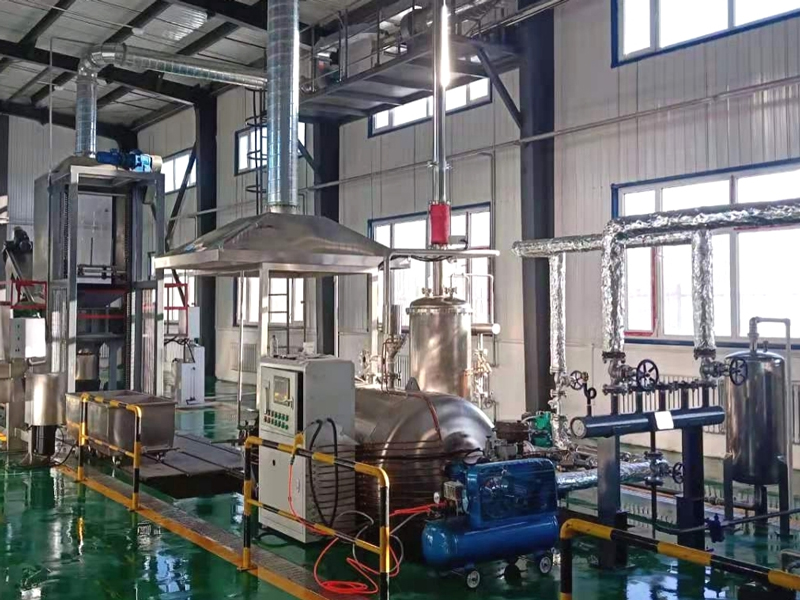
Highly versatile, containerized mobile autoclave trucks for rapid pathogen control.
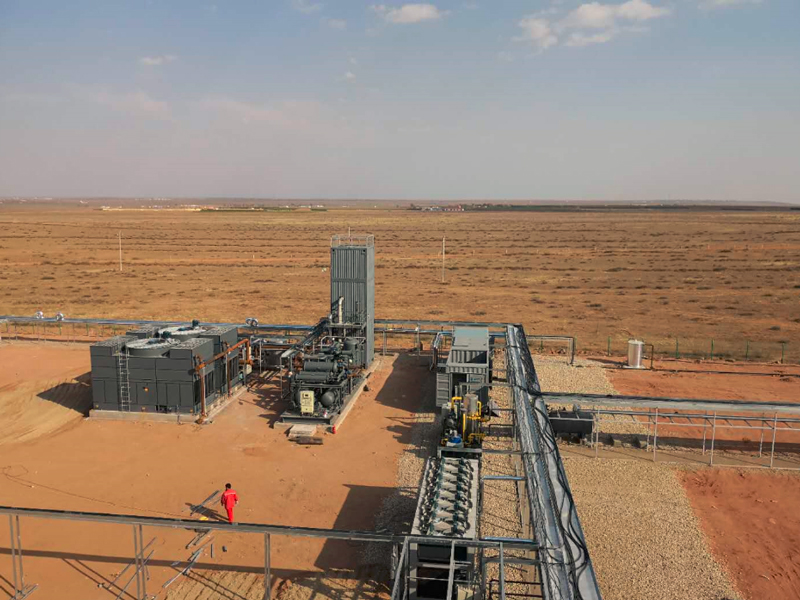
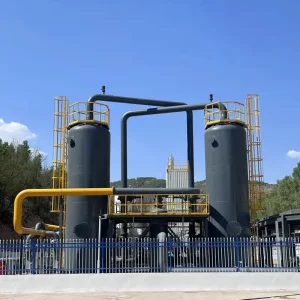
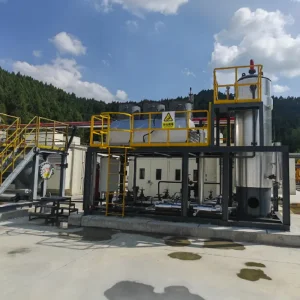
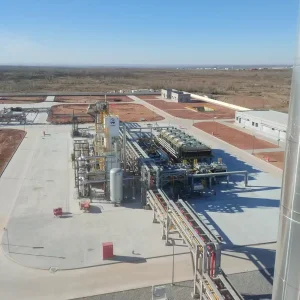
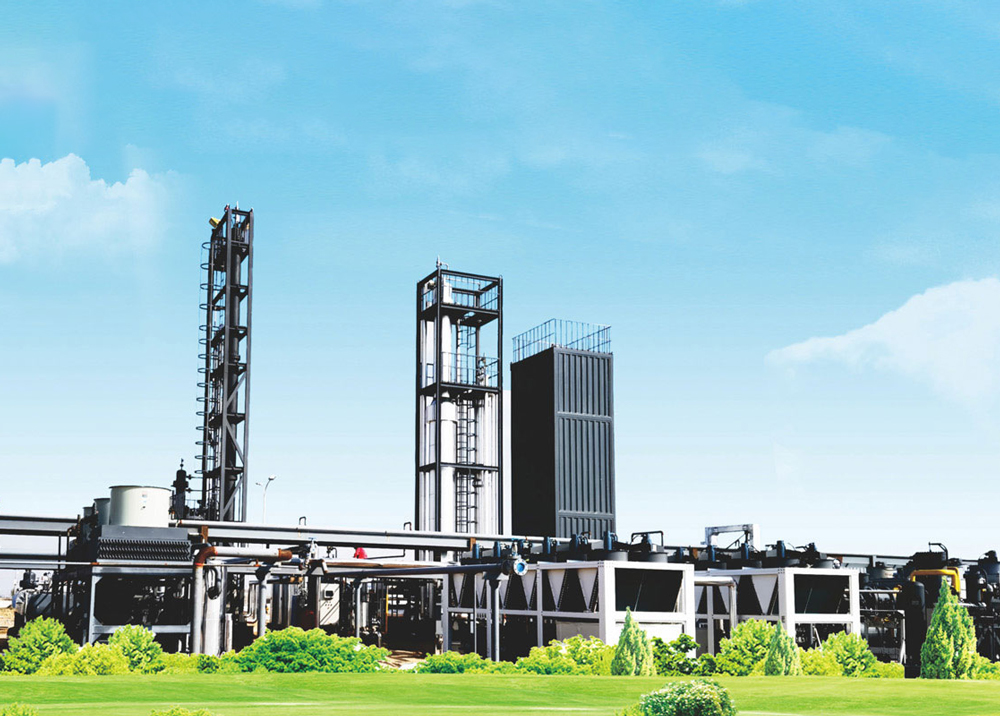
A high-capacity, skid-mounted natural gas treatment facility operating in real-time.
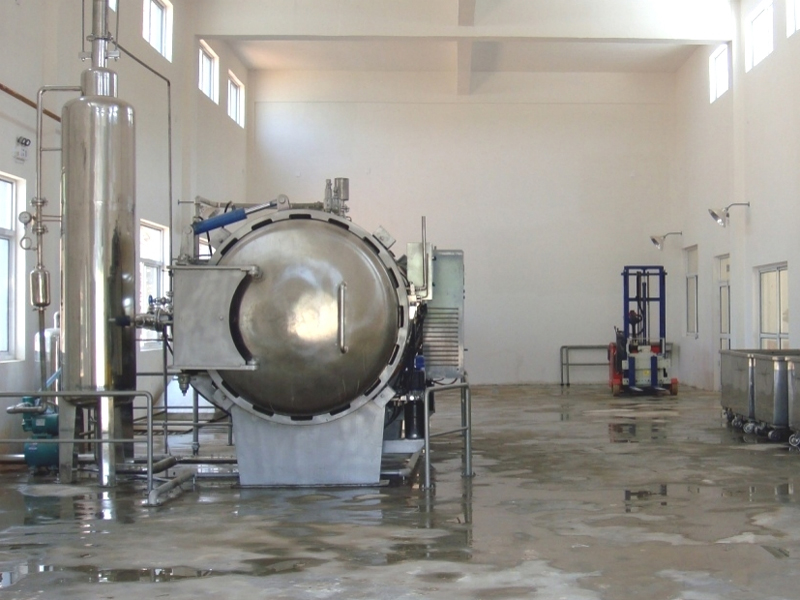
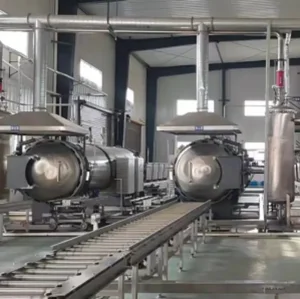
Heavy-duty high-pressure autoclave lines serving major regional healthcare districts.
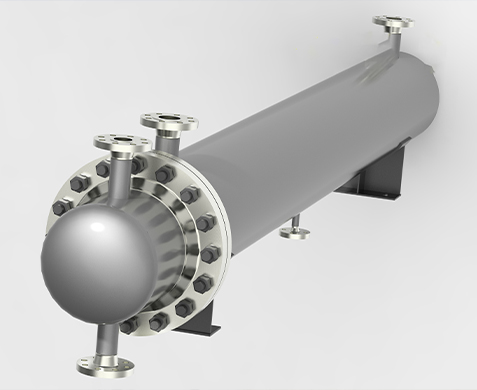
Bridging thermodynamics, fluid mechanics, and structural materials science.




Our roadmap for the next decade centers on integrating sensor suites with core thermodynamics to create smart pressure vessels. The research focuses on:
These technologies will enable processing units to achieve zero venting during maintenance cycles, reducing greenhouse emissions and improving product recovery rates.
We supply complete process packages designed to minimize carbon footprints:
Skid-mounted recovery systems capture low-pressure associated gas from isolated wells, liquefying it into LNG/LPG. This converts flare gas into usable clean energy and eliminates carbon emissions.
Multi-stage condensation systems separate volatile organics from industrial exhausts. The recovered hydrocarbons are recycled back into processing lines, minimizing chemical loss.
Answers to common technical questions regarding design codes, material selection, and system integration.
Whether you require custom A2-level pressure vessels, skid-mounted gas treatment units, or biological waste sterilization systems, our technical team is ready to assist you. Contact us today for a detailed consultation.
Explore our technical catalog of specialized industrial equipment, treatment plants, and process lines.
 Hongke Qingneng