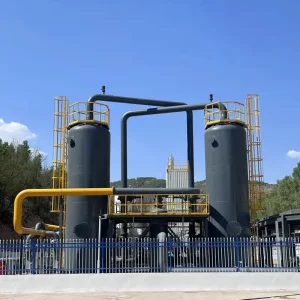
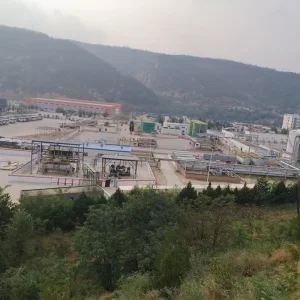
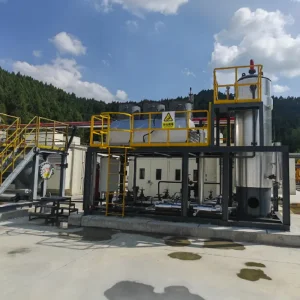
A Jet Stirred Reactor (JSR) is a highly specialized gas-phase reactor design designed to achieve nearly perfect micro-mixing conditions. It is a fundamental laboratory and pilot-scale tool in chemical kinetics, thermal engineering, and combustion science. By utilizing high-velocity gas jets through micro-nozzles, a JSR eliminates spatial concentration and temperature gradients, operating as a continuous stirred-tank reactor (CSTR) for gas phases. This facilitates the precise extraction of chemical reaction mechanisms, without the confounding factors of mass or heat transport limits.
As a leading engineering and fabrication authority, Hebei Hongke Qingneng Environmental Protection Equipment Co., Ltd. incorporates the scientific rigor of JSR principles into its industrial-scale chemical purification, VOC treatment, and gas liquefaction skids. Understanding kinetics at the molecular level allows us to design high-performance thermal reactors, shell-and-tube heat exchangers, and cryogenic gas recovery mechanisms that operate at maximum thermodynamic efficiency.
Enables the study of oxidation, pyrolysis, and low-temperature combustion kinetics (such as cool flames) of alternative fuels, shale gas, and complex hydrocarbons under controlled pressures up to 100 bar.
Crucial for mapping out pathways for pollutant formations (NOx, SOx, soot precursors) and evaluating catalysts used in industrial VOC destruction and tail gas purification.
Translating molecular kinetics derived from quartz and metal JSR test benches into modular, skid-mounted industrial gas recovery and liquefaction plants.
In modern industrial process engineering, the scaling of gas reactors relies on computational fluid dynamics (CFD) validated by experimental kinetic data. Jet Stirred Reactors provide the baseline data required to construct kinetic mechanism libraries (such as Chemkin-compatible formats). These systems typically consist of a spherical vessel (often constructed from high-purity quartz to minimize catalytic wall effects, or specialized alloys like Hastelloy for high-pressure configurations) equipped with four nozzles pointing towards the center or arranged asymmetrically to induce a strong toroidal vortex.
This hydrodynamic behavior allows researchers and process designers to calculate the precise residence time distribution (RTD). The Damköhler number (Da), which represents the ratio of chemical reaction rate to mixing rate, is kept extremely low (Da << 1). This ensures that the chemical reaction rate is the absolute rate-limiting step, allowing for clean data collection during VOC destruction profiles, shale gas steam reforming optimization, and deacidification operations.
Determining reactant decomposition profiles, activation energies, and intermediate products via JSR coupled with gas chromatography (GC) or molecular beam mass spectrometry (MBMS).
Utilizing kinetics to simulate full-scale desulfurization, VOC combustion, and hydrocarbon cracking models under non-isothermal industrial conditions.
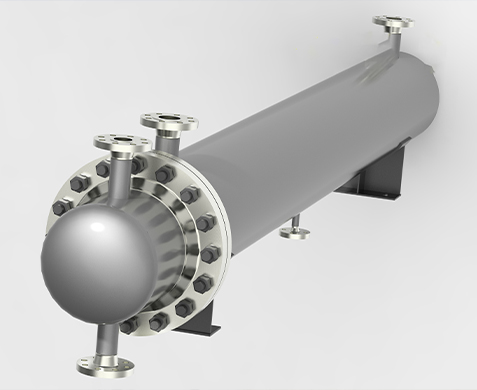
Manufacturing high-pressure ASME pressure vessels, shell-and-tube heat exchangers, and cryogenic liquefaction assemblies ready for industrial plants.
Hebei Hongke Qingneng Environmental Protection Equipment Co., Ltd. was established in June 2021 with a registered capital of 78 million yuan. Situated in the Sanhe Economic Development Zone, Langfang City—a crucial manufacturing and R&D hub in China—the company specializes in the R&D, structural design, and precision manufacturing of key equipment for the energy conservation, petrochemical, and environmental protection sectors.
Our core manufacturing portfolio includes non-standard A2 pressure vessels, medical waste high-temperature steam treatment equipment, biological wastewater treatment skids, and advanced thermal recovery systems. We are also a leading specialist in the skid-mounted assembly of purification systems for coalbed methane, shale gas, natural gas liquefaction, VOC catalytic oxidation, chemical tail gas processing, and BOG helium extraction.
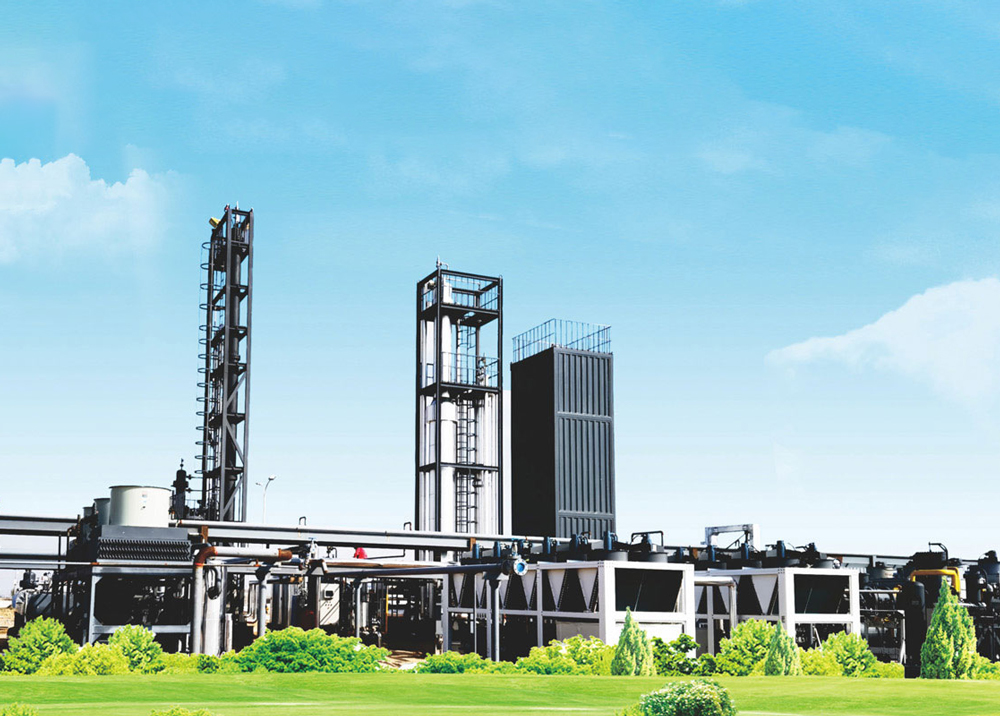
We leverage academic collaborations with Tsinghua University and the Institute of Physics and Chemistry Technology, Chinese Academy of Sciences (CAS). This fuels our innovation in thermodynamics, cryogenics, and reactor engineering, resulting in multiple independent intellectual property patents.
Hongke Qingneng possesses the A2 level pressure vessel manufacturing license, pressure pipeline component manufacturing license, GB/T19001-2016 quality system certification, and Sinopec HSSE / CNPC Health, Safety and Environment certifications.
We design our environmental protection and gas recovery units to aid carbon emission reduction, air pollution prevention, and thermal efficiency enhancement, helping global industries align with strict ESG mandates.
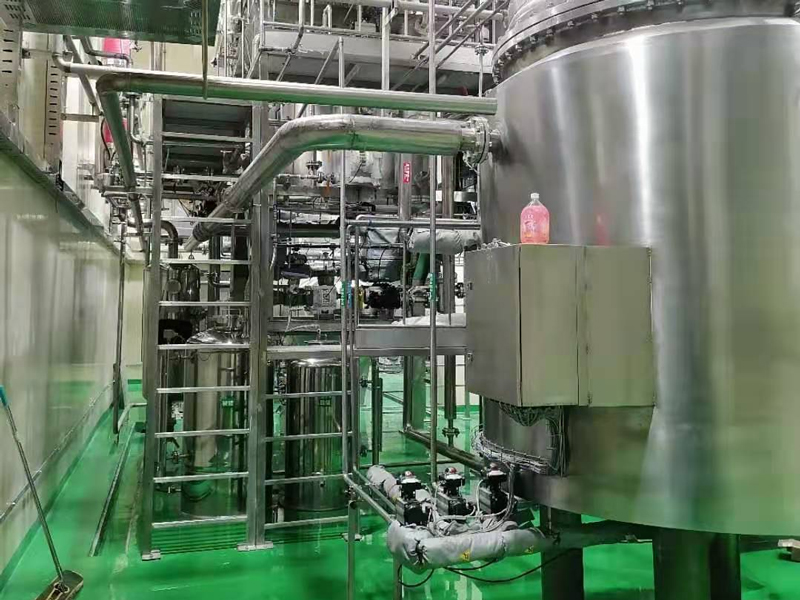
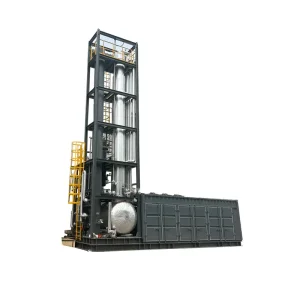
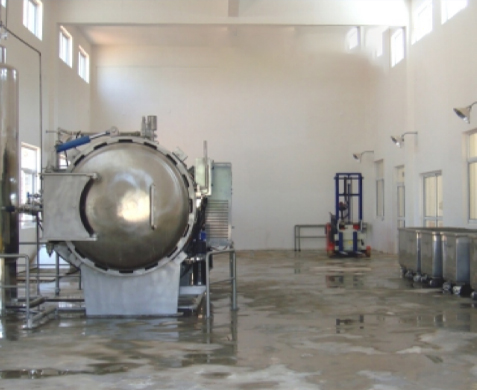
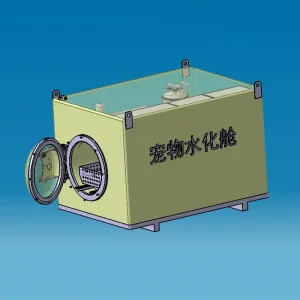
High-temperature containment system deployed for biosecurity compliance at elite research labs.
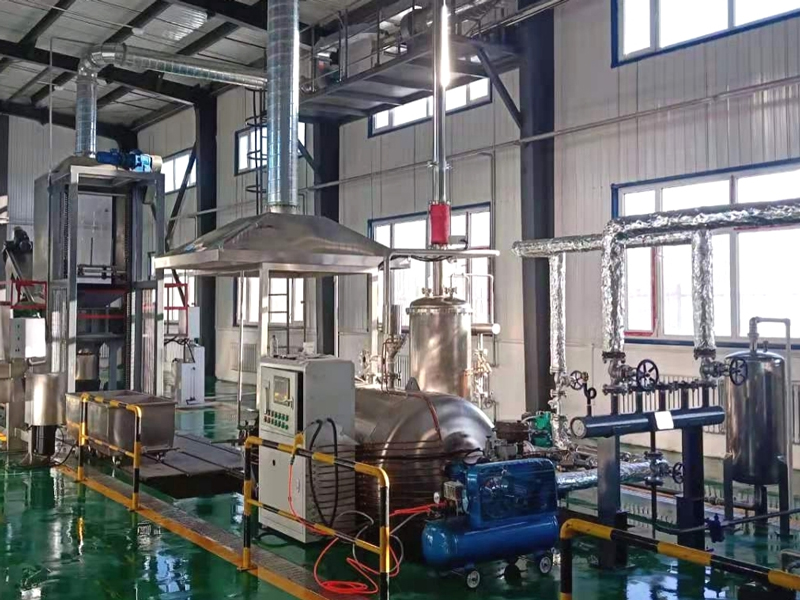
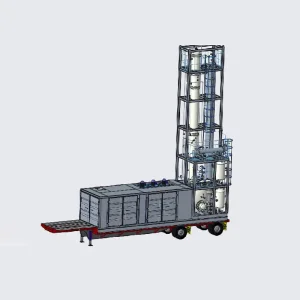
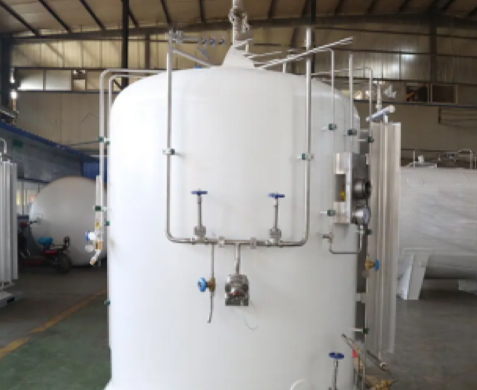
Containerized, self-sufficient high-temperature steam sterilization unit for emergency relief.
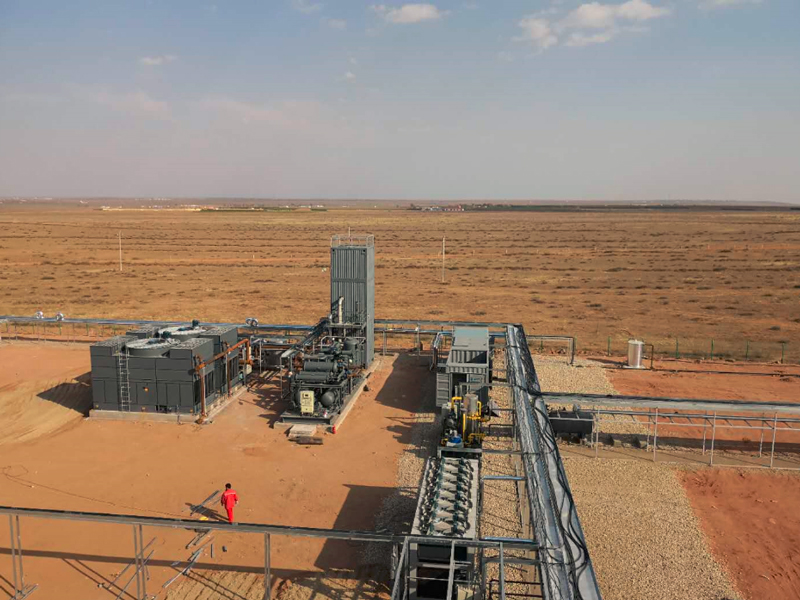
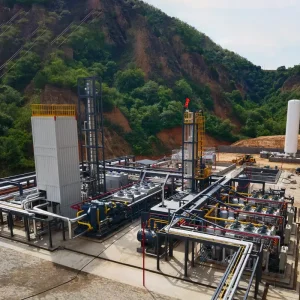
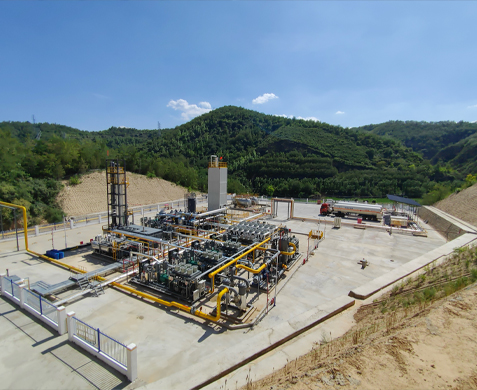
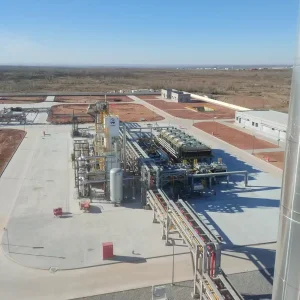
Small-scale skid system recovering stranded shale gas, reducing flaring carbon footprints.
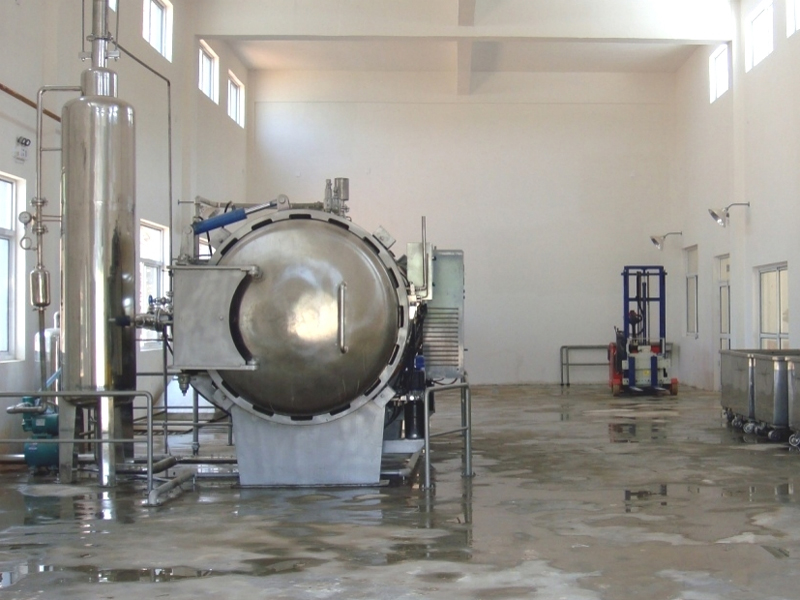
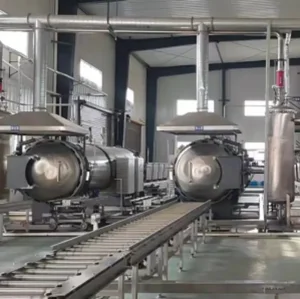
Continuous large-scale industrial sterilization line operating in domestic municipalities.
Industrial manufacturing is shifting towards carbon reduction. Process simulation utilizing kinetic reactors (such as JSRs) allows for the optimization of hydrogen-hydrocarbon blends, oxygen-enhanced combustion, and catalytic capture units. Hongke Qingneng integrates these thermodynamic insights directly into our pressure vessels and desulfurization skids, allowing operators in the chemical, metallurgical, and municipal energy sectors to reduce their emissions profile while maximizing thermal efficiency.
We provide global delivery and localized engineering support. Whether meeting the ASME Section VIII requirements in North America, EN 13445 standards in Europe, or GB150 guidelines in China, our team ensures regulatory compliance. We provide complete lifecycle packages: process simulation models, detailed mechanical drawings, finite element analysis (FEA) reports, non-destructive testing (NDT), and remote commissioning services.
Our upcoming product development centers on integrating digital twin technology with real-time pressure vessel tracking. By applying machine learning to reaction kinetics, we aim to design auto-adjusting gas purification skids that dynamically optimize pressure and temperature setpoints based on incoming natural gas composition. This research focuses on high-pressure JSR systems designed to investigate supercritical CO2 processes and deep cryogenic liquefaction cycles.
 Hongke Qingneng