China Top Horizontal Air Receiver Manufacturers & Factories

Industry-Grade Pressure Vessels Engineered for Safety, Performance, and Uncompromising Reliability. Designed by Tsinghua & CAS Academic Experts.

The Definitive Engineering Guide to Horizontal Air Receivers

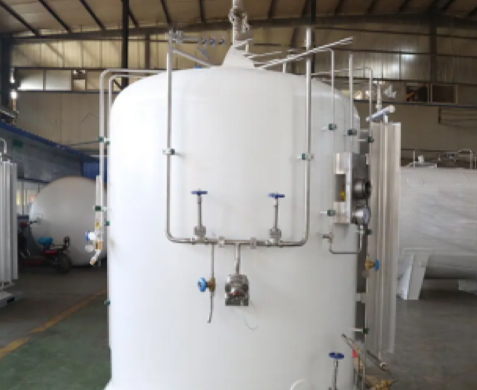
In high-pressure pneumatic systems, industrial manufacturing, and gas liquefaction projects, the horizontal air receiver serves as a critical stabilization and storage barrier. Positioned downstream of air compressors or purification skids, these pressure vessels neutralize system pulsations, separate moisture droplets from compressed gas streams, and maintain reserve pressure during peak demands.

Unlike vertical storage tanks, horizontal air receivers are favored in space-restricted environments, outdoor skid integration installations, and industrial environments requiring structural stability under high wind or seismic loads. By distributing their physical weight horizontally over dual saddle supports, they minimize concentrated floor loading, making them the default choice for heavy-duty plants, vehicle-mounted systems, and centralized purification hubs.
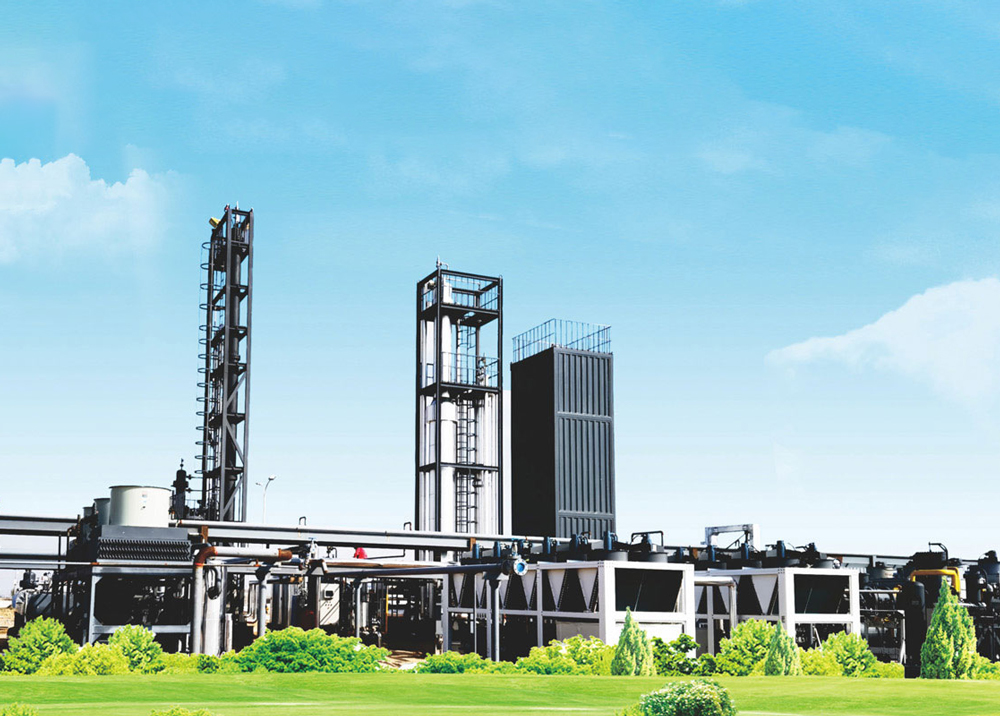
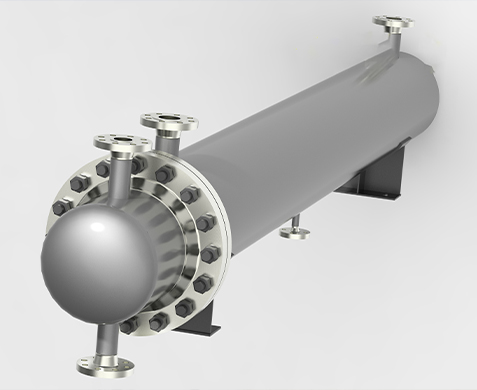
Structural Mechanics Notice: Horizontal air receivers must be engineered to withstand not only static internal pressure but also complex dynamic loads, including cycling thermal fluctuations, structural piping nozzle reactions, and mechanical compressor vibrations. Implementing high-efficiency saddle supports prevents localized shell buckling and premature fatigue failure.
Hebei Hongke Qingneng Industrial Pressure Vessel Fabrication Facility
A2 Class
Pressure Vessel License
78 Million
Registered Capital (RMB)
20+
Independent R&D Patents
50+ Sets
Skid-Mounted Plants Built
Hebei Hongke Qingneng Pressure Vessel Manufacture Shop floor

Academic Scientific Leadership: Our Engineering Heritage

Established in June 2021 inside the Sanhe Economic Development Zone, Langfang City, Hebei Hongke Qingneng Environmental Protection Equipment Co., Ltd. stands as a premier R&D-driven manufacturer in the industrial pressure vessel and environmental equipment sector. With a registered capital of 78 million yuan, we bridge the gap between complex thermodynamic theory and heavy-duty manufacturing.

Our core competency stems from a highly qualified R&D and engineering team derived from prestigious institutions like Tsinghua University and the Institute of Physics and Chemistry Technology, Chinese Academy of Sciences (CAS). By blending advanced cryogenic engineering, thermodynamic modeling, and stress analysis, we design horizontal air receivers and non-standard pressure vessels that consistently exceed global durability baselines.

  • A2 Level Pressure Vessel Manufacturing License: Certified for medium-to-high pressure stationary vessel fabrication.
  • GB/T19001-2016 Quality Management System: Absolute process traceability from steel plate delivery to hydrostatic testing.
  • Sinopec HSSE & China Petroleum certifications: Approved vendor list criteria for high-stakes oil, gas, and chemical refineries.

Our Technical & Scientific Core Advantages

Engineered by leading doctorate researchers, our hardware incorporates advanced safety tolerances and manufacturing methodologies.

Academic Integration

Our technologies are backed by research from the Institute of Physics and Chemistry Technology, CAS. We possess extensive project experience in custom pressure boundary engineering and gas liquefaction skids.

Rigorous Quality Licensing

Authorized under national A2 Pressure Vessel codes, GB/T19001-2016 standard, and Sinopec HSE protocols, certifying complete weld radiographic verification and safe vessel structural integrity.

Social Responsibility

Committed to global air pollution reduction, carbon mitigation, and energy efficiency. Our equipment plays a decisive role in industrial BOG recovery, shale gas cleanup, and harmless waste processing.

Our R&D Leadership Panel

Guided by award-winning Chinese Academy of Sciences thermodynamicists and senior engineering scholars.

Dr. Sun Zhaohu

Founder & Chairman | CAS Doctor & Senior Engineer

Presided over the National 863 Program, natural science foundation funds, and key aerospace projects. Awarded the Special Prize of Technological Invention by the Chinese Society of Refrigeration (2015) and Beijing Science and Technology Award (2016). Holds over 20 independent R&D patents.

Zou Xin, Ph.D.

General Manager | CAS Senior Engineer

Managed corporate business and research interfaces for over a decade. Published 24 academic papers (11 SCI/EI indexed), holds 5 national invention patents. Received the Silver Medal of the 19th China International Industry Expo in 2017.

Dr. Cheng Kuwei

Chief Engineer | Doctor of Engineering (CAS)

Pioneered research on multi-component fluid phase changes and heat transfer mechanics. Expert in design pipelines and process skid-mounting. Received Beijing's First Prize of Science and Technology Award in 2016.

Manufacturing Integrity: Material Selection & Shell Calculations

China is home to the world’s most integrated steel manufacturing supply chain, giving top manufacturers like Hebei Hongke Qingneng direct access to high-grade pressure vessel plates. We utilize carbon steels specifically certified for pressure boundaries (such as Q345R or ASME equivalent SA516 Gr. 70) and stainless steels (like 304L or 316L) for corrosive gas storage or biopharmaceutical clean air applications.

Our engineers perform finite element analysis (FEA) on every custom air receiver configuration to calculate thickness, shell stability, nozzle reinforcement pathways, and saddle contact stress. Our horizontal air receivers conform to strict safety thresholds:

Corrosion Allowances Built-in corrosion margin of 1.0mm to 3.0mm depending on fluid conditions, significantly extending operational lifetimes in humid or acid-gas environments.
Advanced Welding Submerged Arc Welding (SAW) for main longitudinal and circumferential seams, coupled with double-sided groove prep, yielding a joint efficiency factor of 1.0.
Non-Destructive Testing 100% Radiographic Testing (RT) and Ultrasonic Testing (UT) to verify weld deposit density, paired with post-weld heat treatment (PWHT) to relieve residual stresses.

Key Application Ecosystems for Horizontal Air Receivers

Horizontal air receivers are integrated across several critical industrial and environmental protection scenarios:

  • LNG Plant & Purification Skid buffering: Regulates the intake pressure of natural gas, shale gas, or coalbed methane before dehydration, deacidification, and liquefaction.
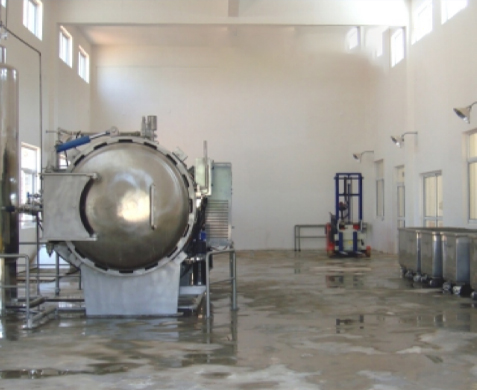
  • Medical Waste Autoclaving Steam Plants: Acts as a temporary thermal energy buffer to smooth out sudden steam drops during high-temperature sterilizer heat-up cycles.
  • Pneumatic Control Systems: Delivers clean, pulse-free dry air to sensitive actuator valves inside chemical processing and tail gas treatment facilities.
  • Cryogenic Refrigeration & Vacuum Cold Traps: Assists in low-temperature (-40℃ to -180℃) cycle recovery, acting as surge tanks for gaseous refrigerants.

Proven Industrial Implementations

A showcase of our project portfolio engineered and deployed across diverse industries, from research laboratories to gas fields.
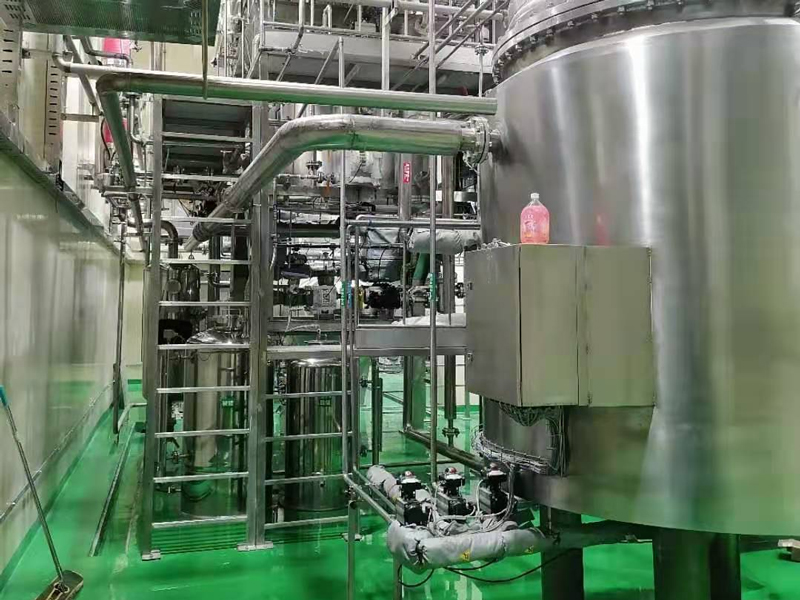
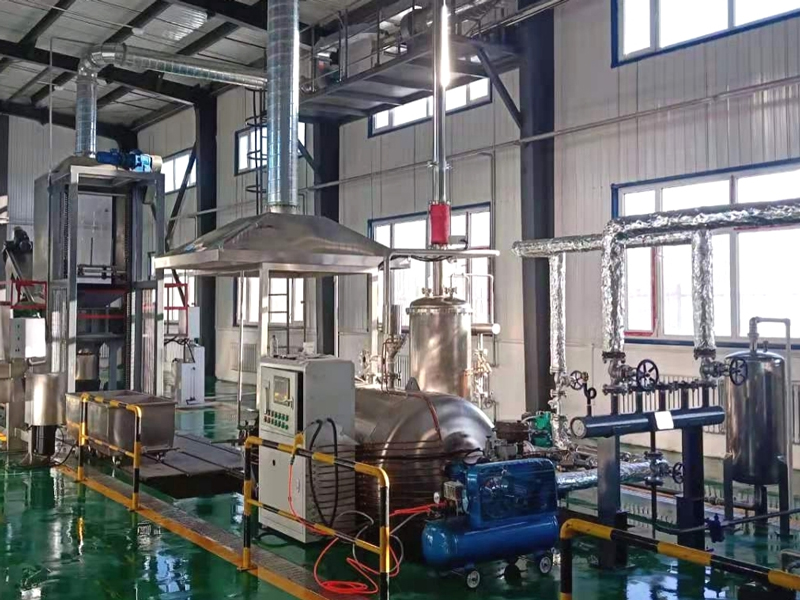
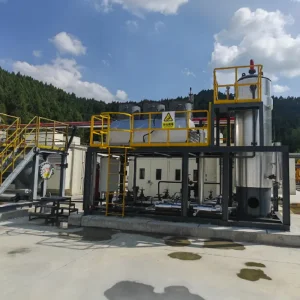
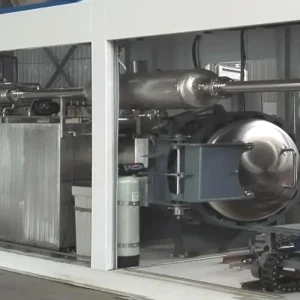
Laboratory Animal Residue Harmless Treatment Equipment

Laboratory Animal Residue Harmless Treatment System

Deployed Project
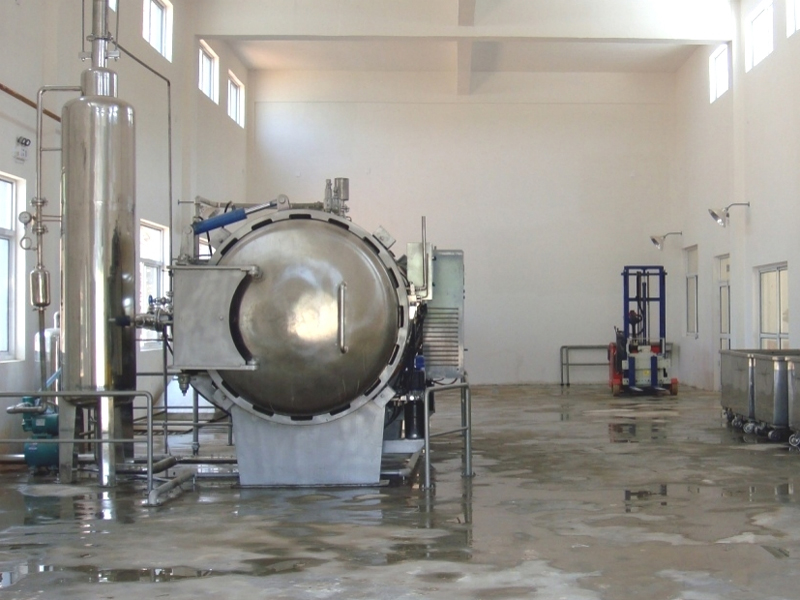
Mobile medical waste disposal equipment

Mobile Medical Waste Steam Autoclave System

Deployed Project
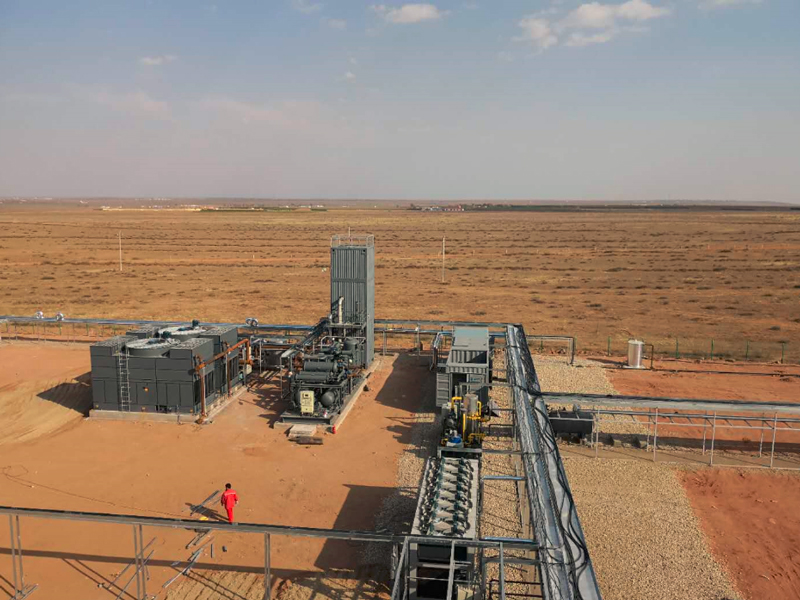
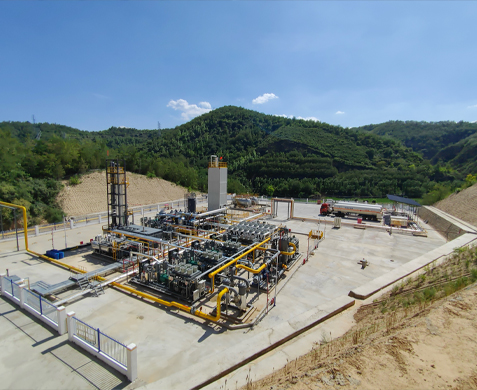
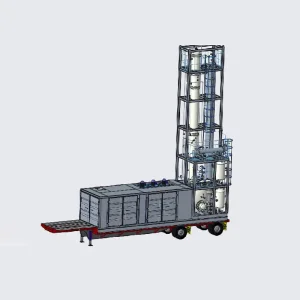
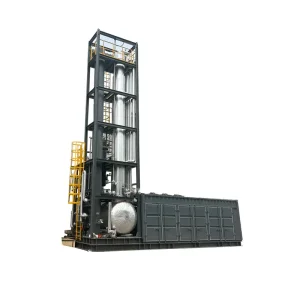
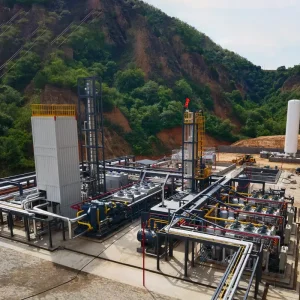
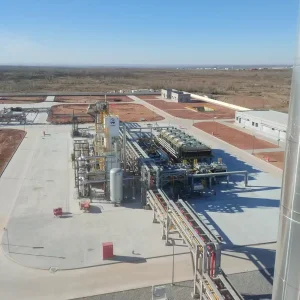
M3/d of Well Gas Liquefaction Project

Industrial Well Head Gas Liquefaction Skid

Deployed Project
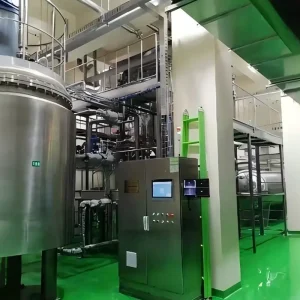
Centralized medical waste high-temperature treatment

Centralized Medical Waste High-Temp Steam System

Deployed Project
Hongke Environmental Protection Production Base Area
Hongke High precision processing and assembly workshop
Testing and quality assurance inspection for pressure vessels

Global Procurement Requirements & Key Industry Trends

The global demand for horizontal air receivers and custom pressure vessels is rapidly pivoting toward modularization, intelligent telemetry, and advanced safety envelopes. Modern facilities require pressure equipment that is ready for instant plug-and-play field setup. This has driven the industry toward skid-mounted vessels equipped with integrated piping, valving, bypass lines, and electronic monitoring instruments.

When selecting a Chinese manufacturer, international engineering procurement coordinators (EPCs) should prioritize factories that demonstrate comprehensive expertise in:

Design Standards Compliance Availability of calculations and design capabilities satisfying ASME Sec VIII Div 1, CE-PED, and Chinese GB150 codes.
Intelligent Monitoring Integration Integration of smart pressure transmitters, temperature sensors, and automated zero-loss drain valves for IIoT data logging.
Complete Testing & Auditing Provision of raw material mill test reports (MTR), heat treatment charts, hydrostatic test reports, and non-destructive examination (NDE) records.

Frequently Asked Questions & Buying Guide

Crucial engineering insights for procurement directors sourcing air receivers and custom pressure vessels.

Q1: What are the main benefits of a horizontal layout versus a vertical layout for air receivers?
Horizontal air receivers distribute weight across a wider ground surface area via saddle supports, which lowers the center of gravity and increases seismic stability. This layout is highly beneficial for transportable or skid-mounted configurations, such as mobile LNG facilities or vehicle-mounted treatment skids. However, they occupy a larger footprint than vertical receivers.
Q2: How does Hebei Hongke Qingneng guarantee pressure vessel weld integrity?
Our facility relies on automated Submerged Arc Welding (SAW) and Gas Tungsten Arc Welding (GTAW) methods. Every vessel undergoes thorough Non-Destructive Testing (NDT), including Ultrasonic Testing (UT), Magnetic Particle Testing (MT), and 100% Radiographic Film Testing (RT) for high-risk joint areas. We conduct hydrostatic proof-testing at 1.25x or 1.5x the design pressure, verified by calibrated, traceably certified pressure monitoring equipment.
Q3: Can your pressure vessels be designed to comply with ASME Sec VIII Div 1 or CE-PED?
Yes, Hebei Hongke Qingneng specializes in custom engineering. Leveraging design teams derived from Tsinghua University and the Chinese Academy of Sciences, we perform design stress calculations and material selection to comply with global codes, including ASME Sec VIII Div 1, European PED standards, and China's GB150 pressure vessel codes.
Q4: What material grades are used for custom air receivers?
We select materials based on the operating environment and stored gas. For standard, non-corrosive industrial air distribution, high-strength carbon steels like Q345R and SA516 Gr. 70 are typically utilized. For highly corrosive environments, cryogenic gas, or ultra-clean pharmaceutical/food environments, we fabricate vessels using 304, 304L, 316, or 316L stainless steels.
Q5: How does the company profile translate into product reliability?
Under the guidance of Dr. Sun Zhaohu and our team of CAS senior engineers, every pressure vessel project undergoes rigorous scientific review. We apply thermodynamic modeling and fluid analysis to optimize internal nozzle geometries, reduce gas pressure drops, and extend the lifespan of downstream processing systems.

Let's Collaborate On Your Next Project

Have specific dimensional constraints, operating pressures, or local code certification needs? Get in touch with our Tsinghua and CAS-backed engineering team today for technical consultations and quotations.

Email us with your specifications (Volume, Max Pressure, Materials, Code compliance requirements)
Request a Technical Quote Contact Engineering Office