Global Status & Industrial Requirements of Sanitary Heat Exchangers
In modern industrial processes, especially within biopharmaceuticals, sterile food and beverage processing, personal care manufacturing, and advanced chemical synthesis, the containment of contamination is paramount. The demand for Sanitary Heat Exchangers has transitioned from basic cleanability to complex, high-reliability thermodynamic systems. These systems are specifically designed to prevent cross-contamination between high-purity process media and non-sterile utility fluids, utilizing advanced metallurgical structures like double tube sheet designs and high-precision electropolished surface finishes.
Global standards, such as the ASME BPE (Bio Processing Equipment) guidelines and FDA CFR 211 regulations, govern every single aspect of hygienic equipment manufacturing. These systems must be fully drainable, self-venting, and engineered without crevices or dead zones where microbial biofilms could propagate. Within these highly regulated environments, China has established itself as an essential manufacturing hub, offering high-precision engineering, specialized raw material sourcing, and compliance structures that match or exceed Western European and North American manufacturing specifications.
< 0.4 μm
Electropolished Surface Finish (Ra)
100%
ASME BPE Compliant Design & Welding
A2 Level
Pressure Vessel Manufacturing Certification
Technical Roadmap & Metallurgy Innovations
Double Tube Sheet (DTS) Design
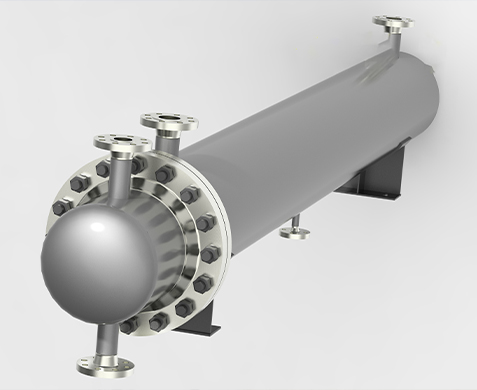
DTS technology utilizes two distinct tube sheets on each end of the shell and tube bundle. The leakage from either the process side or utility side is safely vented to the atmosphere via a physical air gap between the sheets, entirely preventing cross-contamination.
Advanced Material Selection
We source certified stainless steels (SS316L, 1.4404, AL-6XN, and Hastelloy C22) with extremely low sulfur contents (0.005% to 0.017%) to prevent weld decay and hot cracking, conforming strictly to international metallurgical guidelines.
Crevice-Free Construction
By employing robotic orbital TIG welding systems and automatic tube-to-tubesheet strength welding, we eliminate traditional mechanical expansion crevices where bacterial growth could hide, facilitating complete CIP/SIP system runs.
Company Profile & Engineering Foundations
Hebei Hongke Qingneng Environmental Protection Equipment Co., Ltd. was established in June 2021, with a registered capital of 78 million yuan. It focuses on the R&D and manufacturing of energy conservation and environmental protection industry in the industrial base of Sanhe Economic Development Zone, Langfang City.
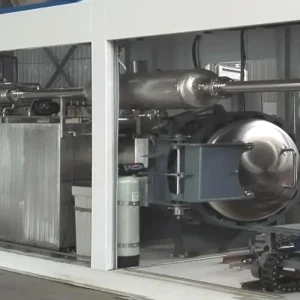
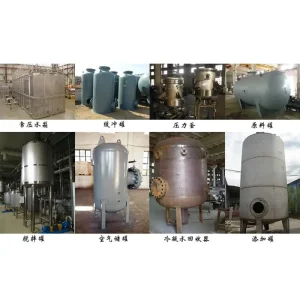
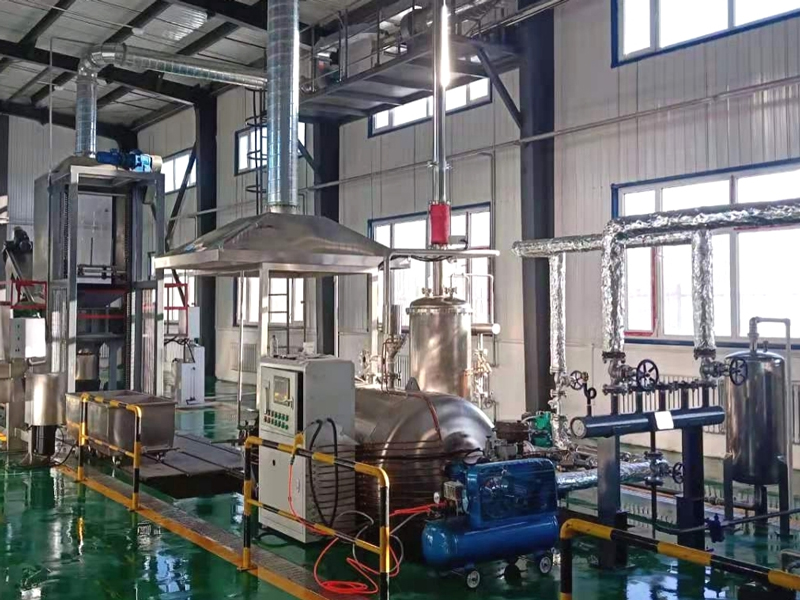
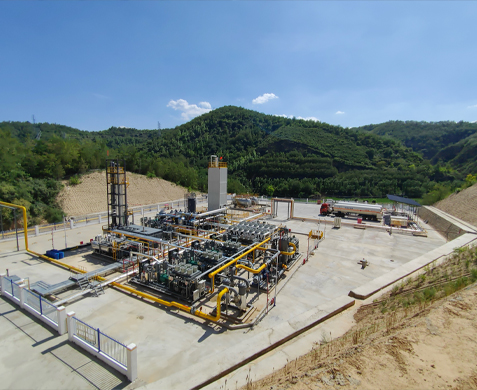
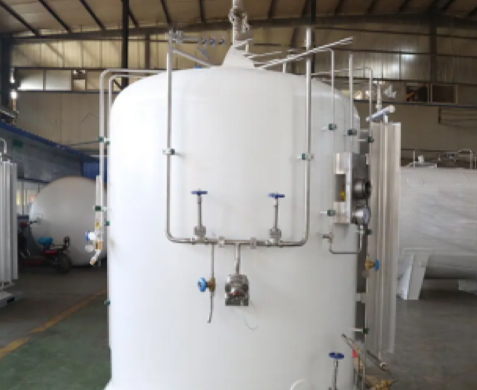
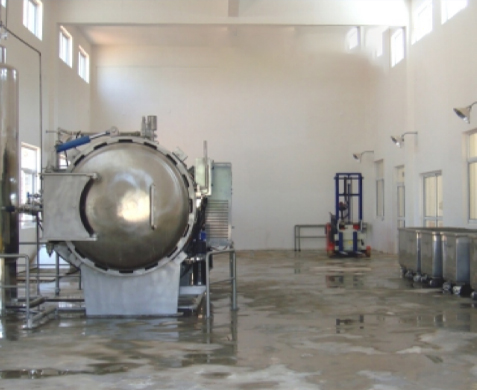
The company is engaged in the design and manufacturing of various pressure vessels, medical waste high-temperature steam treatment equipment, animal tissue (residue) treatment equipment, biological wastewater (live toxic wastewater) treatment equipment, skid-mounted assembly of various equipment, coalbed methane/shale gas/natural gas purification and liquefaction, VOC treatment, chemical tail gas treatment, industrial refrigeration, BOG tail gas helium extraction and other environmental protection equipment.
Core Competence & Licensing
A2 Level Manufacturing License: Fully certified for the design, fabrication, and thermal optimization of medium-to-high pressure vessels.
Global Quality Frameworks: Audited under GB/T19001-2016 (ISO 9001:2015), Sinopec HSSE, and China Petroleum Health, Safety and Environment Management Systems.
Tsinghua & CAS Collaboration: High-performance engineering backed by researchers from the Chinese Academy of Sciences and Tsinghua University.
China Supply Chain Resilience & Manufacturing Efficiency
The global industrial competitive landscape demands not only high-end engineering compliance but also remarkable supply chain agility. China's industrial manufacturing clusters, particularly in the Langfang and Hebei regions, provide a dynamic infrastructure ecosystem that integrates steel production, specialized surface preparation, specialized component forging, and high-precision CNC tube drilling inside a concentrated area.
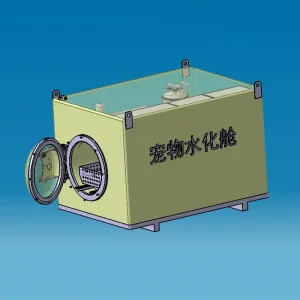
This geographic concentration allows us to achieve shorter production lead times for complex systems like double tube sheet heat exchangers, skid-mounted gas treatment assemblies, and animal tissue hydrolysis chambers. By optimizing our material logistics, utilizing automated manufacturing setups, and maintaining direct partnerships with domestic and global testing agencies (such as SGS and TÜV Rheinland), we deliver highly certified equipment to global markets with rapid response times and highly optimized pricing configurations.
Leading R&D Team & Scientific Pedigree
Sun Zhaohu
Founder & Chairman, PhD, Senior Engineer
Obtained his doctor's degree from the Institute of Physics and Chemistry Technology, Chinese Academy of Sciences. He has presided over the National 863 Program, natural science foundation projects, and aerospace-grade engineering programs. Awarded the Special Prize of Technological Invention of the Chinese Society of Refrigeration in 2015 and the First Prize of the Beijing Science and Technology Award in 2016. Presides over 20+ patents.
Zou Xin
General Manager, PhD Candidate, Senior Engineer
Senior engineer at the Institute of Physics and Chemistry Technology, Chinese Academy of Sciences. Presided over multiple national scientific research initiatives including the 12th Five-Year Plan major tech projects. Published 24 academic papers (11 indexed in SCI/EI) and holds 5 national invention patents. Received the Silver Medal of the 19th China International Industry Expo.
Cheng Kuwei
Chief Engineer, Doctor of Engineering
Doctor of Engineering from the Institute of Physics and Chemistry Technology, Chinese Academy of Sciences. Specialist in "Technology Development and Application of Skid-mounted Natural Gas Liquefaction Units". Awarded the 2015 Special Prize of Science and Technology from the Chinese Refrigeration Society. Expert in thermodynamic phase change and flow characteristics of mixed working mediums.
Hygienic and sanitary thermal management equipment is deployed across key industrial segments where cleanliness cannot be compromised. Below are the key scenarios where our double tube sheet exchangers and skid assemblies find high-value usage:
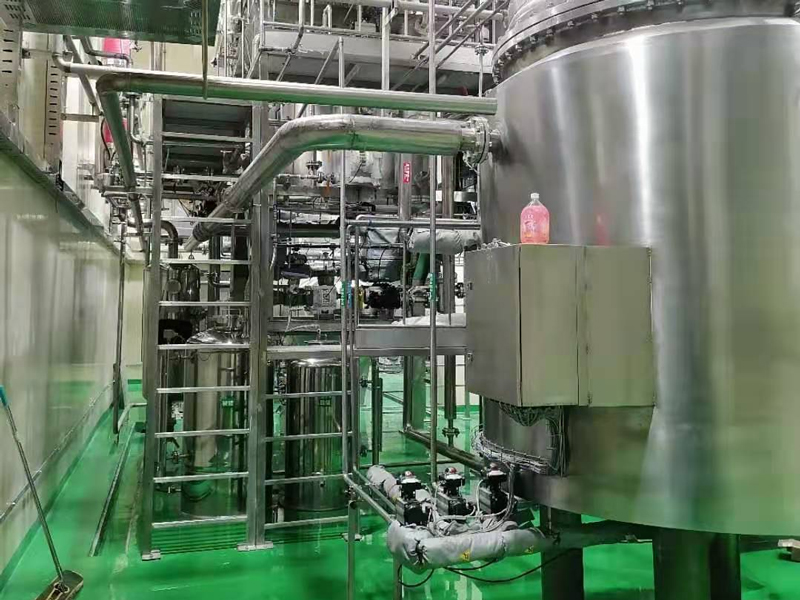
Biopharmaceuticals & WFI
Used for heating and cooling Water-for-Injection (WFI) loops, clean steam generators, CIP (Clean-in-Place) fluid heating, and temperature control of sterile cell culture media during fermentation.
Medical & Animal Waste Treatment
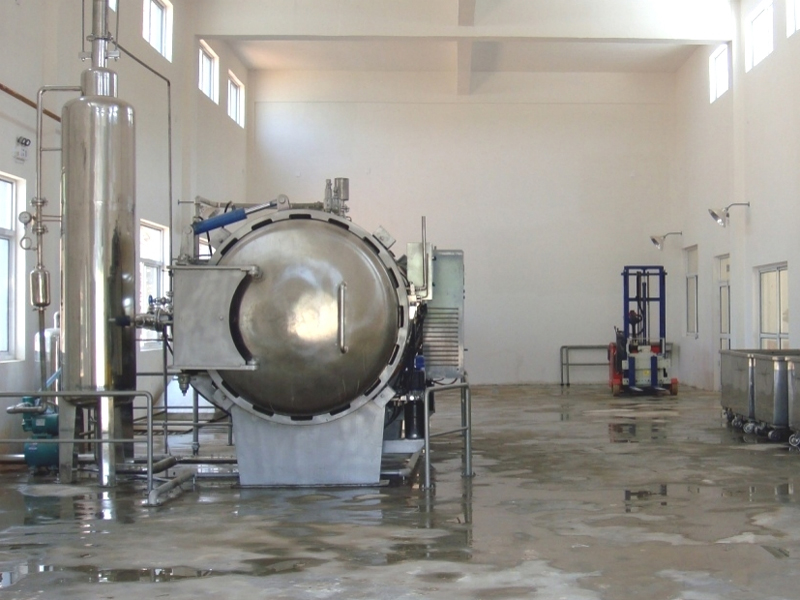
Providing precise heat management for animal tissue hydrolysis and high-temperature waste disinfection setups, preventing toxic and biological aerosols from releasing to the environment.
Cryogenic & Natural Gas Field
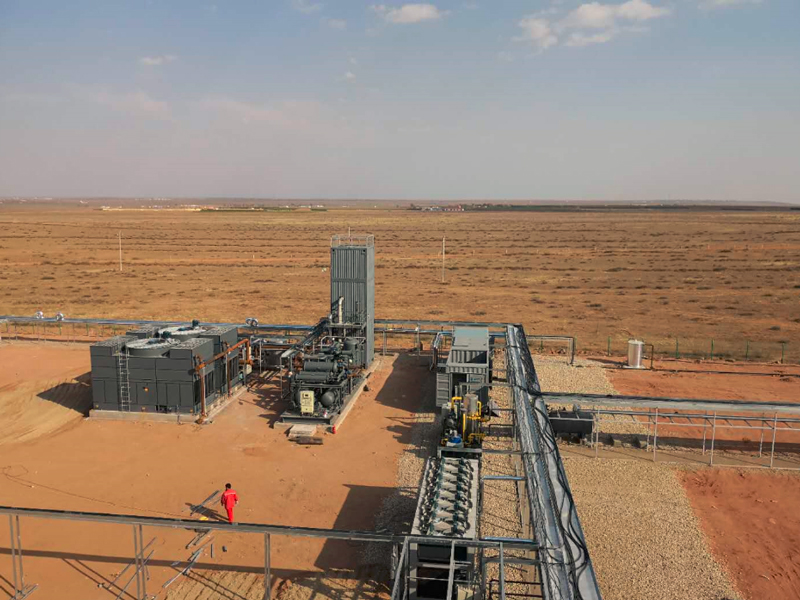
Combining environmental sanitation with cryogenic engineering for deacidification, dehydration, and heavy hydrocarbon removal systems, supporting green transitions in industrial gas supply chain terminals.
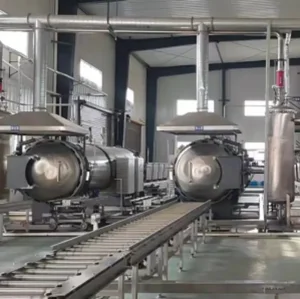
Centralized medical waste high-temperature steam treatment systems
Mobile waste disposal vehicles
Animal carcass hydrolysis & treatment setups
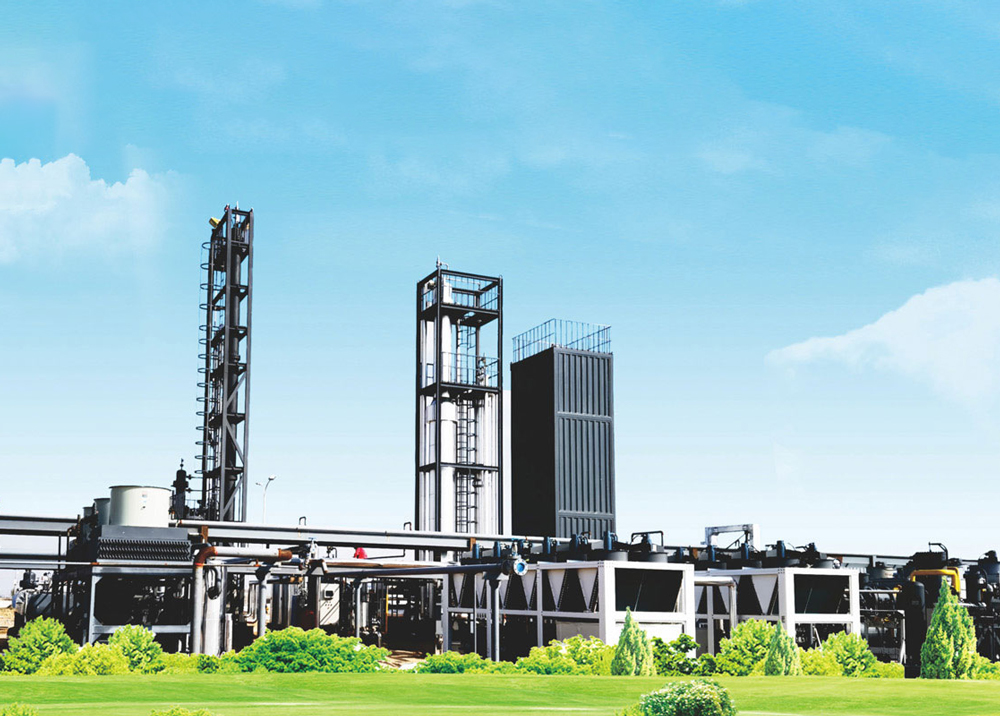
Natural Gas Field Skids
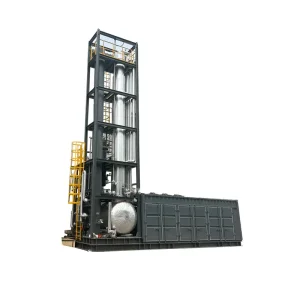
Skid-mounted gas liquefaction units
Deacidification, dehydration & heavy hydrocarbon removal tools
Carbon capture & purification technology
Non-Standard Vessels
Customized A2-class pressure vessels
Shell & tube heat exchangers
Custom high-temperature hot air stoves
Refrigeration Systems
Ultra-low temp systems (-40℃ to -180℃)
Industrial freeze dryers (-70℃ to -100℃)
Vacuum cold traps (-135℃)
Expert FAQ: Sanitary & Technical Specifications
Q1: What defines a heat exchanger as "sanitary" or "hygienic"?
A sanitary heat exchanger is defined by characteristics that prevent bacterial incubation and cross-contamination. This includes high-precision surface polishes (Ra < 0.4 μm via mechanical or electropolishing), crevice-free joints, 100% self-drainable profiles to prevent stagnant liquid, use of FDA-compliant USP Class VI elastomer gaskets (EPDM, PTFE), and double tube sheet structures that separate sterile process products from industrial heating/cooling fluids.
Q2: Why is the double tube sheet (DTS) design essential in pharmaceutical cooling?
In standard shell-and-tube exchangers, a single tube sheet serves as the boundary between the tube side and the shell side. If a tube-to-sheet joint fails, the fluids will mix, resulting in cross-contamination. A Double Tube Sheet (DTS) configuration contains an inner and outer sheet at each end separated by a physical, open-to-atmosphere chamber. Any joint leakage discharges safely out of the vent chamber, signaling system operator action without ever contaminating the high-purity product stream.
Q3: Which certifications are required for exporting sanitary pressure vessels from China?
Global market penetration requires alignment with regional norms. Major certifications include the ASME U/UM stamp (North America), PED 2014/68/EU (European Union), and ISO 9001 system management parameters. For processing lines, compliance with FDA CFR 211, ASME BPE requirements, and 3-A Sanitary Standards is crucial.
Q4: What metallurgy solutions prevent stress corrosion cracking (SCC) in sanitary lines?
Traditional SS304/316 steels can suffer from SCC under chlorinated utility settings. To counteract this, modern manufacturers deploy ultra-low sulfur SS316L (controlled between 0.005%-0.017% as per ASME BPE recommendations), duplex steel configurations (like Duplex 2205), and corrosion-resistant nickel alloys (Hastelloy C22/C276) for aggressive media settings.
Q5: How does orbital TIG welding ensure the reliability of these units?
Orbital TIG welding uses automated gas-tungsten arc welding loops, removing human inconsistency. By controlling parameters such as shielding gas flow (usually high-purity Argon), weld travel speed, and pulse current, we achieve full penetration welds with smooth profiles and no internal oxidization, ensuring clean sanitization runs.
Q6: How do you verify the surface roughness parameters of the finished exchanger?
Roughness measurements are verified on both raw sheets and finished welds using calibrated profilometers. We measure the Ra parameter at multiple coordinate points. For ultra-hygienic requirements, we execute electropolishing (EP), removing microscopic surface peaks to achieve an ultra-smooth, mirror-like finish verified by certified surface topography reports.
Looking for a custom thermal engineering design, detailed pressure calculations, or a system blueprint proposal? Our academic-led design office is prepared to assist with your engineering challenges. Please reach out to our team for detailed support.
 Hongke Qingneng