Engineered for extreme performance, compliant with international environmental and industrial codes.
Within compressed air and gas systems, welded air receivers function as vital storage hubs that bridge supply fluctuations and spikes in system demand. Beyond static containment, these pressure vessels dampen pressure pulsations generated by positive displacement compressors, optimize system efficiency, and precipitate moisture carry-over. In heavy-duty process industries—ranging from manufacturing and petrochemical refining to power plants—a minor compromise in receiver integrity can precipitate massive system shutdowns.
Globally, industrial operators demand vessels that offer reliable performance under continuous cycle dynamics. Welded air receivers must withstand significant mechanical strain and internal pressure differentials. Understanding these stress components is critical for global supply chains seeking maximum reliability, safety compliance, and system efficiency.
By providing critical dampening volume, high-quality air receivers prevent compressor short-cycling, directly reducing energy consumption by up to 15% and extending compressor maintenance cycles.
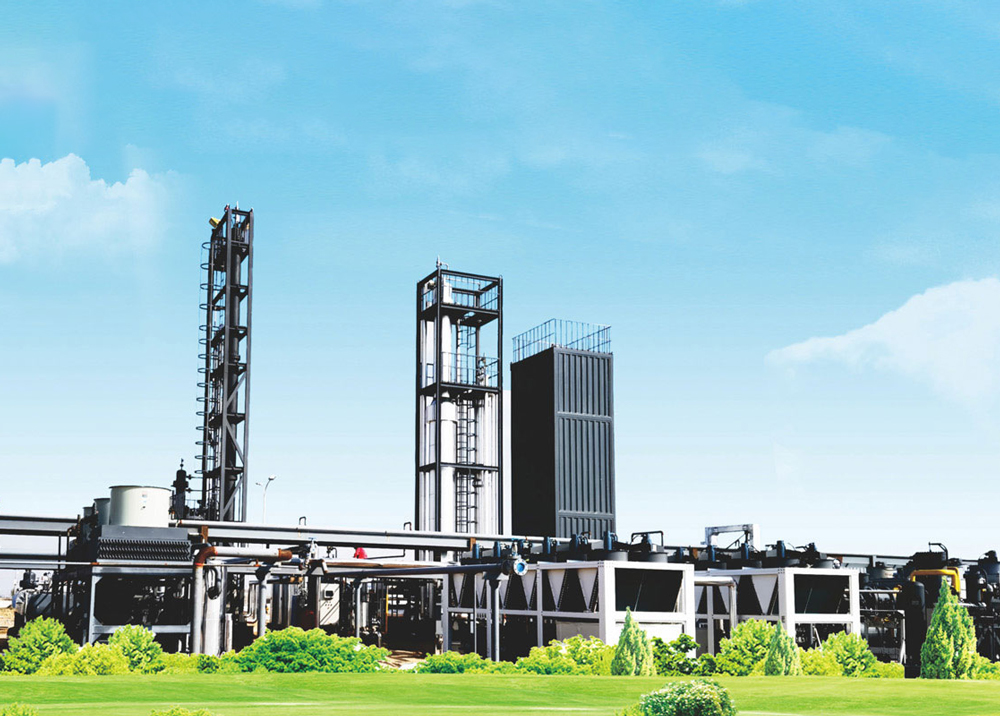
Established in June 2021 with a registered capital of 78 million yuan, Hebei Hongke Qingneng Environmental Protection Equipment Co., Ltd. is a leading manufacturer in the industrial hub of the Sanhe Economic Development Zone, Langfang City. The company specializes in the R&D and precision manufacturing of complex environmental protection systems and custom pressure vessels.
Our operational framework blends advanced manufacturing practices with high-level academic collaboration. The company works closely with specialists from Tsinghua University and the Institute of Physics and Chemistry Technology, Chinese Academy of Sciences (CAS). By translating cryogenic, thermodynamic, and material science research into commercial applications, we supply high-performance pressure solutions tailored for demanding industrial tasks.
For pressure equipment, safety and quality assurance are paramount. Hebei Hongke Qingneng holds advanced regulatory credentials, ensuring all welded air receivers and pressure vessels comply with strict global safety rules. We maintain the prestigious A2 level pressure vessel manufacturing license, alongside certifications for pressure pipeline component manufacturing.
Enables the engineering of complex, high-pressure, and high-capacity custom vessel structures designed to withstand demanding cycle counts.
Fully compliant with GB/T19001-2016 quality management standards, as well as Sinopec HSSE & CNPC Health, Safety, and Environment certifications.
Officially recognized as a Langfang Municipal R&D Platform, driving ongoing innovations in structural welding, non-destructive testing (NDT), and thermal cycle fatigue modeling.
Modern pressure vessel manufacturing demands advanced technology, material sourcing, and specialized labor. Leading Chinese factories stand out by combining massive industrial infrastructure with precise quality controls. The advantages of sourcing welded air receivers from top Chinese suppliers include:
We use automated Submerged Arc Welding (SAW) and robotic Gas Metal Arc Welding (GMAW). This ensures uniform penetration, reduces heat-affected zones (HAZ), and eliminates human error across longitudinal and circumferential seams.
Operating in key steel manufacturing regions gives us direct access to high-grade pressure vessel plates (such as Q345R and SA516 Gr. 70). This helps reduce shipping times and material costs.
Every vessel undergoes rigorous non-destructive testing (NDT), including digital radiography (RT), ultrasonic testing (UT), magnetic particle testing (MT), and hydrostatic testing at 1.3 to 1.5 times the design pressure limit.
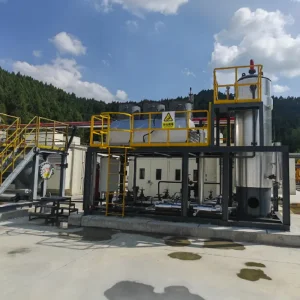
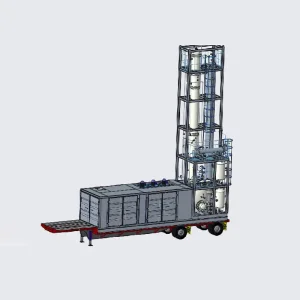
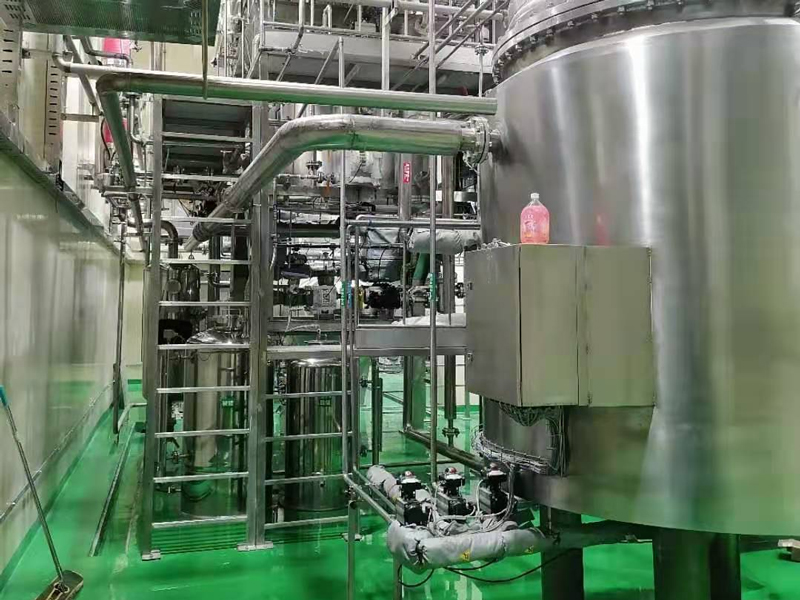
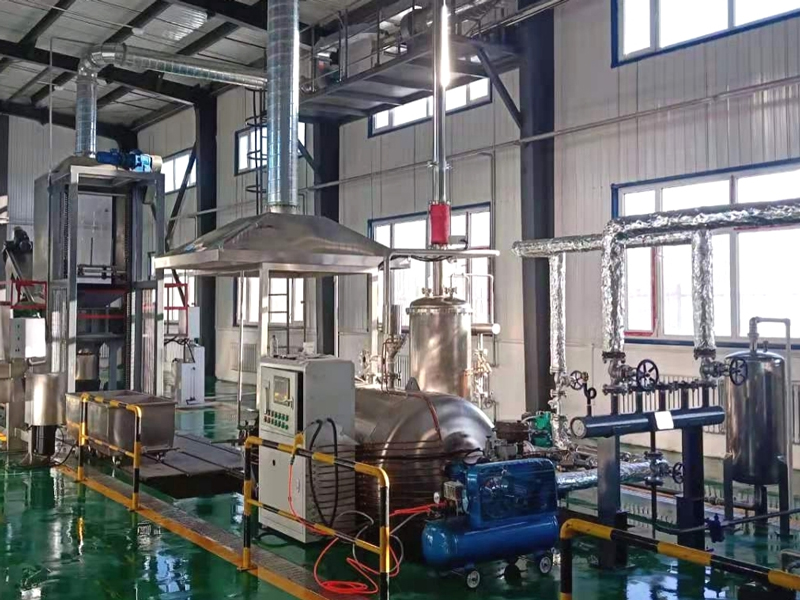
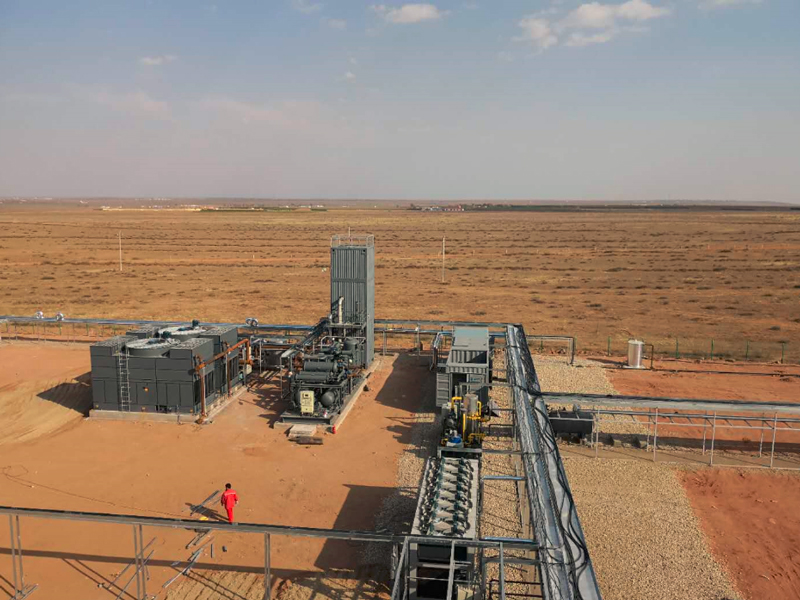
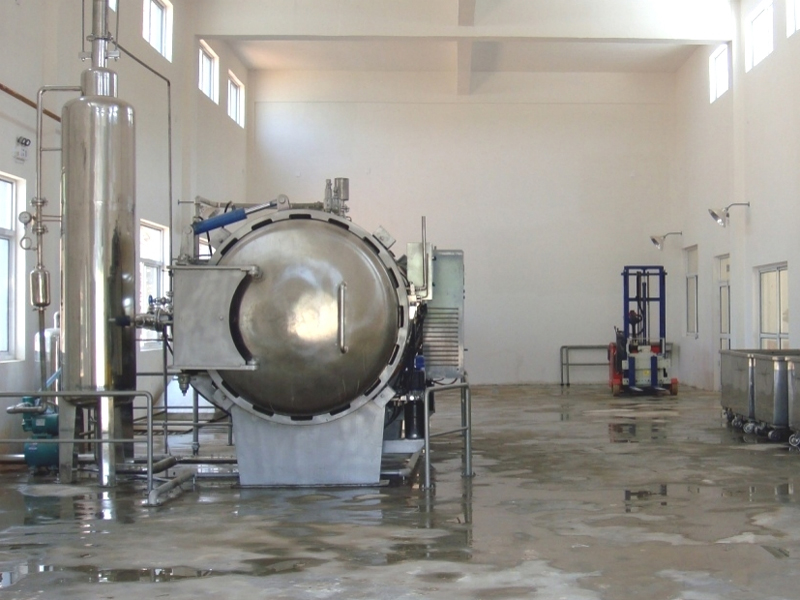
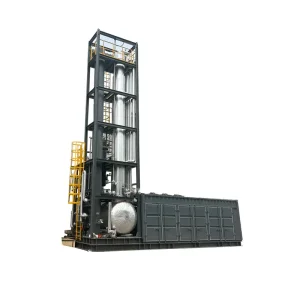
We go beyond single vessel supply. We specialize in skid-mounted setups, combining receivers, dryers, filtration blocks, and control valves onto a single frame for rapid field deployment.
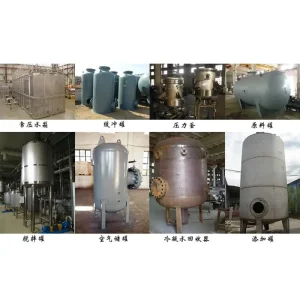
Hebei Hongke Qingneng manufactures diverse systems for high-pressure, low-temperature, and hazardous material applications. Our product and engineering portfolio is split into three main divisions:
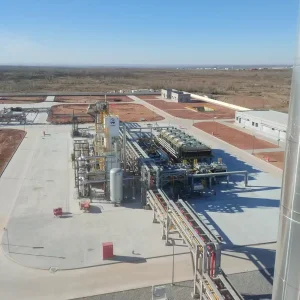
Our skid-mounted process designs have been deployed in complex environmental projects across China, helping industrial operators reduce carbon emissions and reclaim valuable gases:
When purchasing welded air receivers from international factories, engineering teams must look beyond initial pricing to evaluate structural standards, material properties, and long-term durability. Below is a checklist for global procurement managers:
Ensure the carbon steel plates match ASME (e.g., SA516 Grade 70) or EN (e.g., P355GH) requirements. This ensures the steel maintains high tensile strength and impact resistance at low service temperatures.
Specify the internal corrosion allowance—typically between 1.5mm and 3.0mm—depending on ambient humidity and moisture extraction efficiency.
Ensure the manufacturer has the appropriate design licenses (ASME U/U2 stamp, PED 2014/68/EU CE marks, or China SELO A2 license) required for your installation site.
Partnering with a technical manufacturer like Hebei Hongke Qingneng ensures your pressure equipment is built with scientific expertise. Our design process incorporates advanced flow dynamics and thermal fatigue analysis to match your process systems perfectly.
Expert answers to common engineering questions regarding the specification, manufacturing, and regulation of industrial air receivers.
Both standards ensure pressure vessel safety, but they calculate material stress and design margins differently. ASME Sec VIII Div 1 uses a design margin of 3.5 against the material's ultimate tensile strength. China's GB150 standard uses a margin of 1.5 against the yield strength for carbon steels. These differences affect final wall thickness, material choices, and welding procedures. Top factories like Hebei Hongke Qingneng analyze both approaches to ensure vessels meet local regulations.
Joint efficiency (ranging from 0.70 to 1.0) measures the strength of the welded joint relative to the base metal. A joint efficiency of 1.0 requires 100% radiographic testing (RT) or ultrasonic testing (UT) along all longitudinal and circumferential welds. This ensures there are no sub-surface defects, such as porosity, slag inclusions, or lack of fusion, that could lead to crack propagation under cyclic loading.
Rapid pressurization and depressurization cycles introduce structural fatigue. Over time, these pressure and thermal cycles can cause stress cracks, especially near nozzles and supports. Using Finite Element Analysis (FEA), our engineering team models these stresses. This allows us to optimize nozzle reinforcement and choose the right shell thickness to extend the operating life of the vessel.
Wet air receivers catch condensate before it reaches downstream filtration. To prevent corrosion, we apply high-build epoxy or phenolic resin coatings to the internal surfaces. Externally, we blast clean the vessel to Sa 2.5 and apply a multi-coat system, including zinc-rich primers, to prevent environmental corrosion.
The standard sizing formula is: V = (Q * Pa) / (P1 - P2) * t, where V is the receiver volume (cubic feet), Q is the peak demand flow rate (cfm), Pa is absolute atmospheric pressure, P1 is the maximum operating pressure, P2 is the minimum acceptable operating pressure, and t is the time duration of the peak demand (minutes). This calculation helps prevent pressure drops across the plant distribution lines.
In skid-mounted LNG and BOG recovery systems, buffer vessels balance flow variations and stabilize inlet feed pressure. This protects cryogenic compressors and heat exchangers from sudden thermal shock and flow surges, ensuring steady-state operations.
Explore our complete range of specialized non-standard pressure vessels and integrated skid solutions.
 Hongke Qingneng