Explore our premium machinery list, integrating heavy hydrocarbon removal, animal carcass hydrolysis, and specialized hazardous treatment systems.
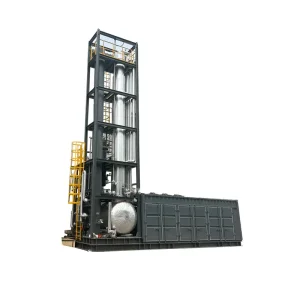
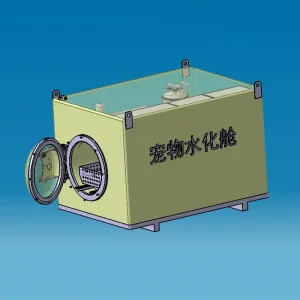
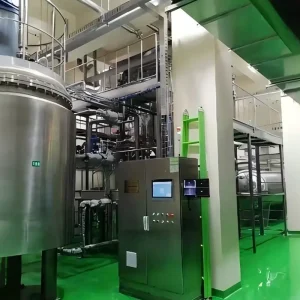
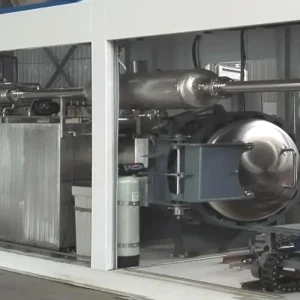
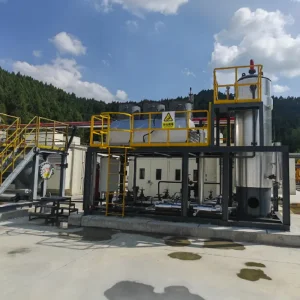
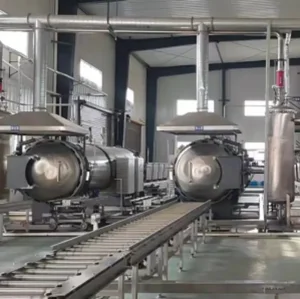
Established in June 2021 with a substantial registered capital of 78 million yuan, Hebei Hongke Qingneng Environmental Protection Equipment Co., Ltd. operates a premier manufacturing and R&D base within the Sanhe Economic Development Zone, Langfang City, Hebei Province. Positioned adjacent to China's leading research hubs, we specialize in the design, engineering, and execution of environmental machinery, specialized pressure vessels, and bio-safety treatment solutions.
We focus heavily on the design and manufacturing of various pressure vessels, medical waste high-temperature steam treatment equipment, animal tissue (residue) treatment equipment, biological wastewater (live toxic wastewater) treatment systems, skid-mounted assembly configurations, coalbed methane/shale gas/natural gas purification & liquefaction plants, VOC abatement setups, chemical tail gas mitigation apparatuses, industrial refrigeration machinery, and BOG tail gas helium extraction equipment. Our multi-disciplinary engineering approach ensures that clients secure optimized systems tailored to stringent environmental compliance frameworks.
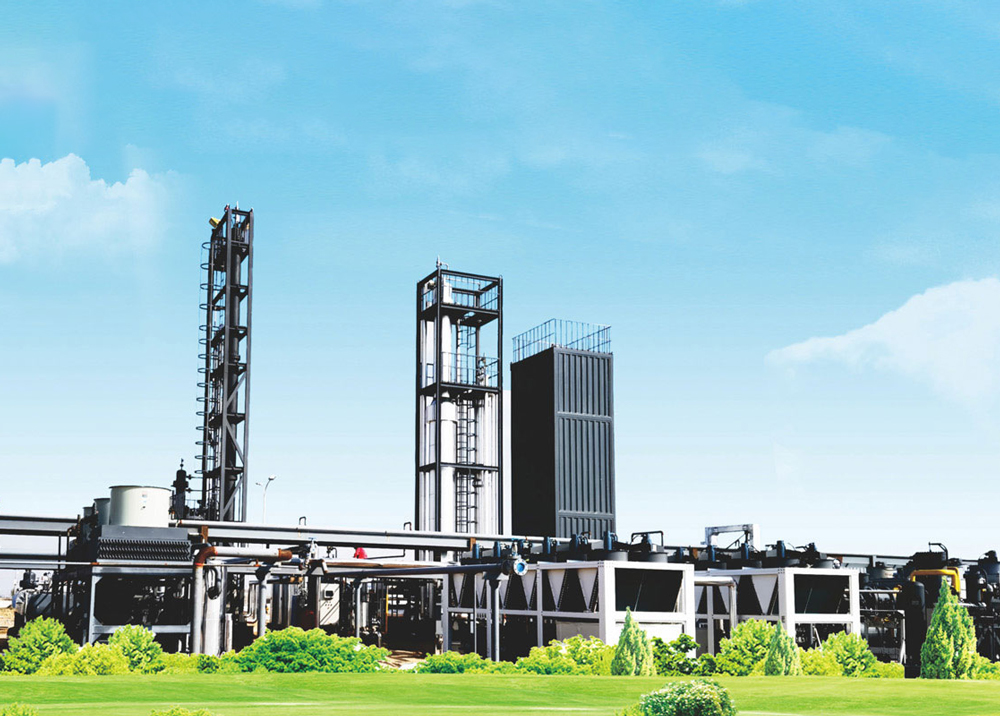
An in-depth exploration of Alkaline Hydrolysis, thermodynamic validation, and structural engineering for hazardous biomaterial sterilization.
The Animal Tissue Digester (commonly referred to as an alkaline hydrolysis vessel or tissue digester) employs a biochemical process called alkaline hydrolysis to break down complex animal proteins, infectious biological waste, and pathogen-compromised carcasses. Rather than relying on high-carbon combustion (incineration), alkaline hydrolysis utilizes a heated aqueous solution of Sodium Hydroxide (NaOH), Potassium Hydroxide (KOH), or a balanced mixture of both, under pressure, to convert solid tissue into a sterile, aqueous solution containing amino acids, small peptides, sugars, and soap.
The molecular pathway targets peptide bonds within protein chains. Under high heat (typically 130°C to 150°C) and pressure (up to 4-6 bar), hydroxide ions ($OH^-$) initiate nucleophilic attacks on carbonyl carbons, cleanly cleaving the peptide linkages. The resulting output is a completely sterile liquid residue and clean, brittle calcium phosphate bone shadows which can easily be crushed into fertilizer. This process completely inactivates viruses, bacteria, spores, and extremely resilient agents such as Transmissible Spongiform Encephalopathy (TSE) prions.
Unlike thermal incineration, which generates fly ash, heavy metals, dioxins, and large amounts of CO2, alkaline hydrolysis operates inside a closed hermetic system. This prevents the release of volatile organic components and carcinogenic particulate matter into the atmosphere, making it the preferred green method for animal carcass disposal.
| Performance Metrics | Alkaline Hydrolysis (Tissue Digestion) | Traditional Incineration |
|---|---|---|
| Operating Carbon Footprint | Low (~90% lower CO2 emissions than combustion) | High (significant release of greenhouse gases) |
| Sterilization Efficiency | Log 6 Reduction (inactivates all prions and spores) | High (but risks localized bypass in cold spots) |
| Volume Reduction Rate | 95-97% volume conversion to sterile fluid | ~90-95% (remaining fly ash is toxic waste) |
| Process Input/Output | Recyclable water effluent & clean bone meal | Combustion gas, toxic ash, and filter waste |
Hebei Hongke Qingneng Environmental Protection Equipment Co., Ltd. does not offer generic off-the-shelf boilers. Our animal tissue digestion systems are designed, simulated, and manufactured under the guidance of some of the leading figures in thermodynamics and cryogenic research in China. By collaborating with experts from Tsinghua University and the Institute of Physics and Chemistry Technology, Chinese Academy of Sciences (CAS), we integrate specialized thermodynamic process loops into every vessel.
Our technology team includes:
Meet the primary engineering leaders responsible for the design of our high-pressure vessels, cryogenic systems, and alkaline hydrolysis reactors.
Ph.D. from the Institute of Physics and Chemistry Technology, CAS. Recipient of Beijing Science and Technology Award First Prize. Led 50+ industrial skid-mounted system commissions.
Specialist in high-pressure vessel operations and safety management. Maintained multiple patents on heat transfer and automation design for medical waste autoclaves.
Expert in phase change heat transfer characteristics. Designed the advanced chemical circulation flow and thermal jacket configuration used in our tissue digesters.
Why biosafety laboratories, university research centers, and agricultural facilities choose our engineered solutions.
Our tissue digesters operate at temperatures up to 150°C and pressures reaching 6 bar. This provides absolute containment and neutralization of pathogenic biological agents, including BSL-3 and BSL-4 laboratory residues, highly pathogenic avian influenza, and prion strains.
We supply skid-mounted units featuring integrated chemical dosing, heated circulation pumps, effluent neutralization systems, and computerized PLC controls (Siemens/Allen Bradley). The system automatically measures pH, controls reactant volumes, and documents batch cycle profiles.
We maintain an A2-level Pressure Vessel Manufacturing License, Pressure Pipeline Component Manufacturing License, GB/T19001-2016 (ISO 9001:2016) quality system certifications, and Sinopec/PetroChina HSSE management safety system stamps.
With no combustion, no ash disposal, and low energy inputs, the Hongke Qingneng tissue digester reduces operational carbon dioxide footprints by approximately 90% compared to typical incineration setups, fulfilling corporate ESG targets.
Hebei Hongke Qingneng operates out of Langfang City, a major industrial node in the Beijing-Tianjin-Hebei cluster. This location offers significant logistics and raw material advantages. Our manufacturing facility leverages local access to premium grade steels, structural components, and high-performance valves. In addition, our vertically integrated supply chain enables us to execute pressure vessel fabrication, chemical containment engineering, and automated PLC control systems entirely in-house.
By maintaining design, welding, machining, control system programming, and testing under one roof, we achieve significant cost efficiencies. For international customers, this translates to systems built to global standards at highly competitive prices. We also offer standard skid-mounted modular layouts, which allow us to pre-assemble and verify systems before shipping to reduce installation times on site.
Sourcing containment and biological waste processing equipment from global factories requires careful compliance validation. Hebei Hongke Qingneng designs and fabricates structures to satisfy leading global regulatory standards:
Our alkaline hydrolysis systems are engineered for diverse operating environments:
Regulatory requirements for carbon reduction and stricter biosecurity are driving a global transition from incineration to alkaline hydrolysis. Major biomedical facilities and universities are seeking low-emission solutions that align with corporate sustainability goals. In addition, the integration of smart sensors, remote IoT diagnostic interfaces, and water recovery systems represents the future of biological waste management. Hebei Hongke Qingneng remains at the forefront of this space, engineering robust, automated, and environmentally sustainable tissue digestion systems.
Get answers to common technical, biochemical, and structural questions about alkaline hydrolysis systems.
Explore our wider range of skid-mounted LNG equipment, medical waste autoclaves, and VOC mitigation systems.
 Hongke Qingneng