Explore our leading-edge pressure vessels and skid-mounted systems engineered for efficiency, compliance, and structural integrity.
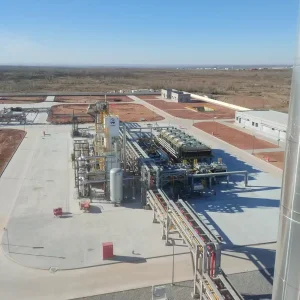
Full-cycle engineering, procurement, commissioning, and maintenance services for natural gas and cryogenic plants.
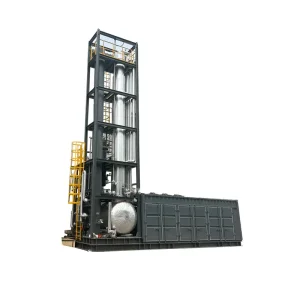
Advanced absorption and adsorption technologies for treatment of gas feedstocks under harsh operating conditions.
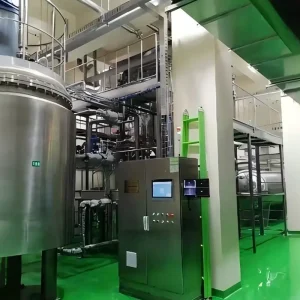
Biosecure containment vessels for thermal hydrolysis sterilization in research facilities and laboratory operations.
Industrial-grade carbon steel autoclave reactors featuring high thermal efficiency and absolute containment safety.
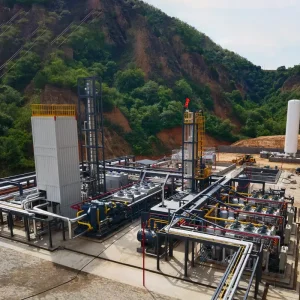
Modular cryogenic skid solutions utilizing mixed refrigerant cycle (MRC) technology for optimal energy efficiency.
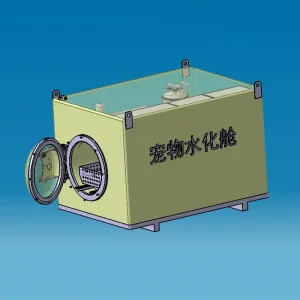
Environmentally friendly alkaline hydrolysis systems designed for veterinary clinics and green animal cremation services.
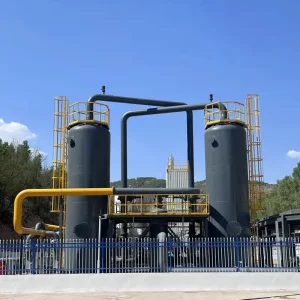
H2S removal installations featuring chemical scrubbing and physical absorption optimized for tail gas treatment.
Turnkey gas processing solutions incorporating carbon steel separators, storage cylinders, and molecular sieve beds.
Hebei Hongke Qingneng Environmental Protection Equipment Co., Ltd., established in June 2021 with a substantial registered capital of 78 million yuan, operates a state-of-the-art design and manufacturing base in the Sanhe Economic Development Zone, Langfang City. We occupy a key position in the regional industrial cluster, driving energy conservation, resource recovery, and environmental safety.
Our core capabilities focus on the engineering of customized A2-level pressure vessels, non-standard chemical containers, biological waste treatment complexes, and skid-mounted process installations. Partnering with research institutes such as the Chinese Academy of Sciences (CAS) and Tsinghua University, we bridge the gap between cryogenic physical science and heavy industrial manufacturing.
We possess certified authority for the construction of high-pressure process equipment, complying with GB/T19001-2016 and standard ASME engineering criteria.
Collaborating with the Institute of Physics and Chemistry Technology of the Chinese Academy of Sciences, our systems integrate multi-component mixed working medium thermodynamics.
Fully certified under Sinopec HSSE and China Petroleum Health, Safety and Environment Management Systems, satisfying strict audits of global oil and chemical majors.
In modern industrial process systems, carbon steel vessels remain critical infrastructure. Carbon steel (such as Q345R, SA-516 Gr. 70, or P355GH) is selected for high-pressure boilers, gas-liquid separators, chemical reactors, and cryogenic pre-purification installations due to its mechanical properties, cost efficiency, and weldability. Understanding how high-quality carbon steel vessels function globally is vital for selecting manufacturing partners.
Rising focus on energy recovery (CBM, shale gas, BOG) calls for pressure vessels that withstand heavy pressure cycles without micro-crack propagation.
Using normalized carbon steels like SA-516 Grade 70 ensures high fracture toughness and notch ductility at temperatures down to -46°C.
Our stress-relieving post-weld heat treatment (PWHT) prevents stress corrosion cracking, ensuring safety in sour gas service.
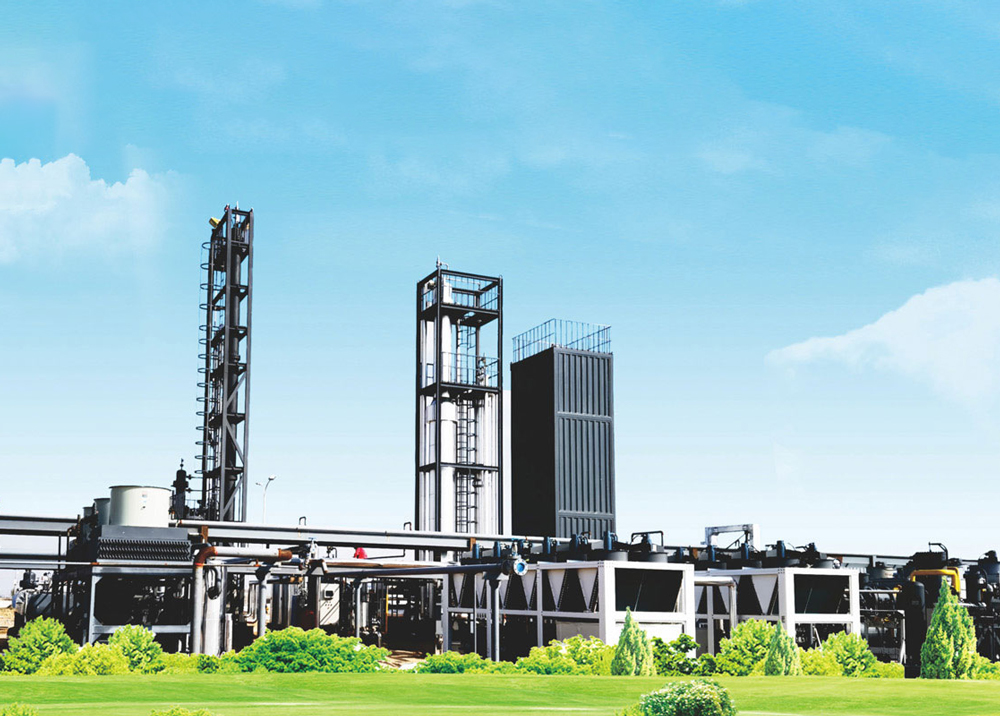
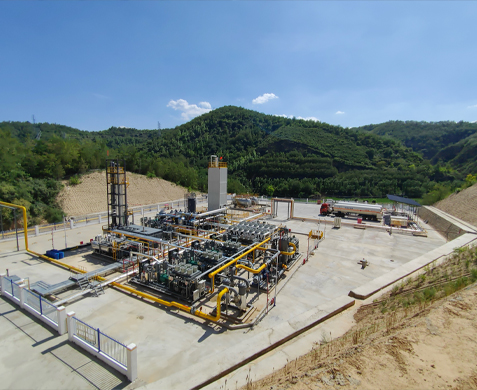
A key focus area is natural gas treatment, gas purification, and modular liquefaction. Skid-mounted designs reduce on-site engineering challenges, allowing fast deployment in oil fields and processing plants. Integrated with mixed refrigerant cycles (MRC), our equipment processes low-pressure flare gas, coalbed methane (CBM), and gas well outputs into high-value LNG.
Through research on thermodynamic mixed working media, we optimize heat exchange surfaces inside vessel shells, preventing thermodynamic bottle-necks. The result is high liquefaction rates in compact modules, suitable for both standard and vehicle-mounted installations.
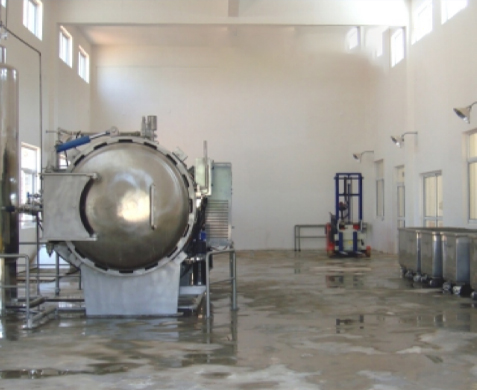
In addition to gas processing, our carbon steel vessels are used for biological containment and waste management. In laboratory biosecurity and medical environments, processing laboratory animal carcasses and high-risk medical waste requires reliable containment. High-temperature steam hydrolysis vessels operate under high pressure and temperature to neutralize pathogens without harmful emissions, serving as an eco-friendly alternative to traditional incineration.
Explore our real-world implementations demonstrating high-level manufacturing quality and field reliability.
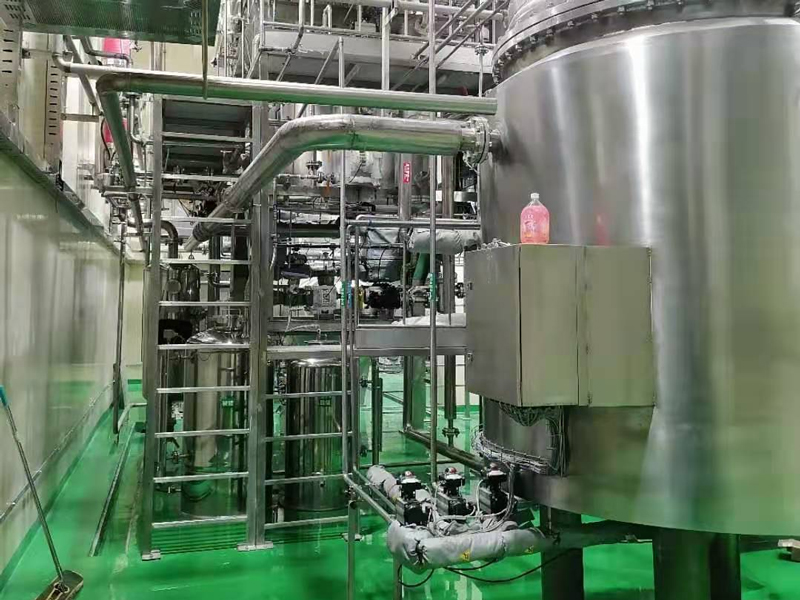
High-temperature pressurized thermal hydrolysis vessel ensuring biological isolation and sterile waste conversion.
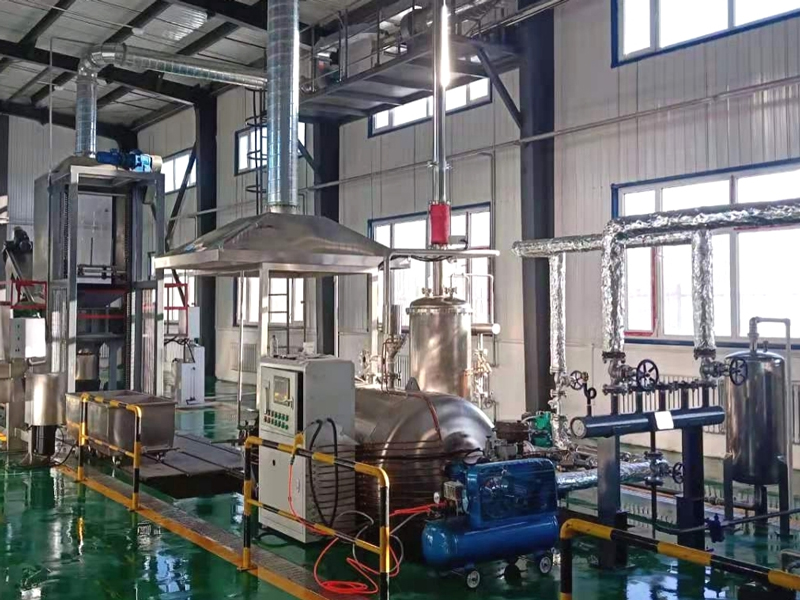
Compact, skid-mounted autoclave systems designed for localized, emergency treatment of hazardous medical waste.
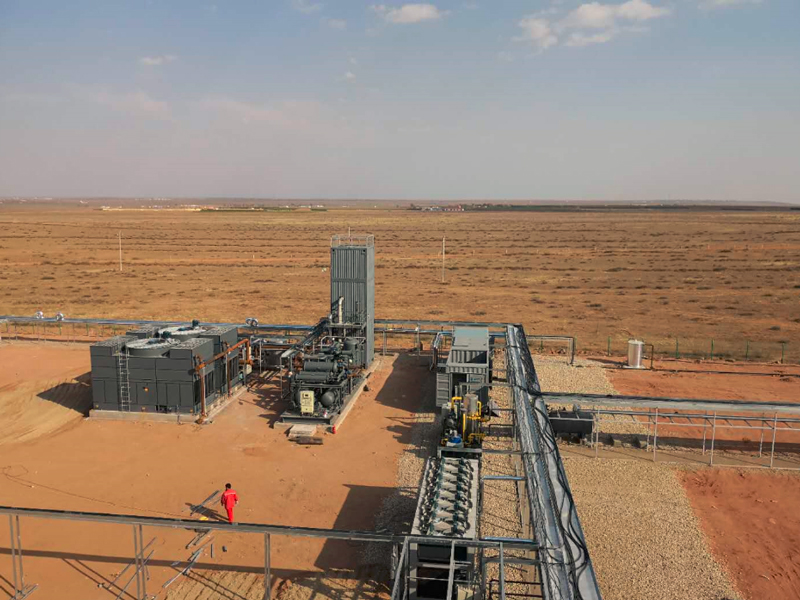
A multi-skid gas treatment, purification, and cryogenic liquefaction facility optimized for remote operations.
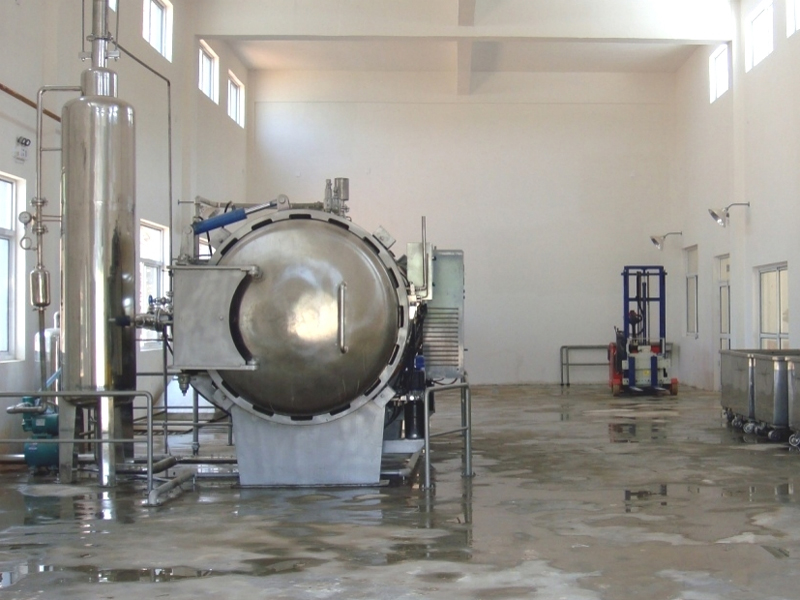
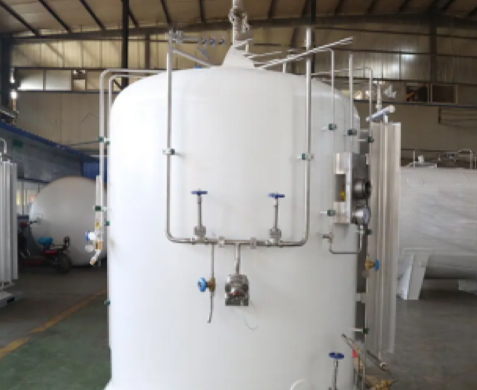
Large-scale pressure vessel installation for industrial processing of municipal clinical wastes.
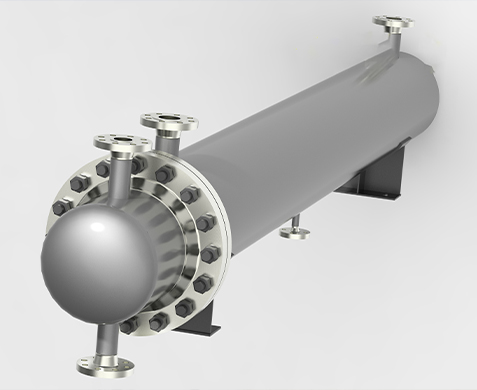
Our engineering division is led by researchers from top scientific institutions, delivering high-level design and safety validation.
Providing high-integrity systems for thermal processing, gas treatment, and environmental management.




Exporting high-pressure carbon steel vessels requires adherence to strict global design codes. Our fabrication processes follow the GB150 (Chinese pressure vessel standard) and integrate code calculations matching ASME Section VIII Div 1 & 2, as well as European EN 13445 standards. Our quality assurance framework governs raw material receipt, welding, testing, and coating.
A2-level pressure vessel manufacturing requires verified QA procedures. Every carbon steel vessel shell undergoes NDT to confirm weld integrity:
BOG (Boil-Off Gas) recovery is an area where cryogenic engineering adds value. Liquid LNG storage boil-off gas contains trace helium. Helium is a scarce global resource, and extracting it requires precise cryogenic temperatures. We design and build carbon steel and stainless steel pressure systems that operate below -180°C, helping plant operators recover purified helium and turn waste streams into a revenue source.
We are expanding research in carbon capture and storage (CCS) systems, customized high-pressure hydrogen storage reactors, and next-generation green hydrolysis systems. By combining mechanical design with chemical process integration, our systems help global operators meet environmental regulations while lowering lifecycle operational costs.
Expert answers to common engineering, compliance, and material selection questions.
We primarily utilize Q345R (under GB150 guidelines) and SA-516 Gr. 70 (under ASME standards). These grades offer high yield strength, excellent weldability, and impact toughness, making them suitable for medium-pressure reactors, separators, and storage boilers.
The A2 manufacturing license is the Chinese national standard authorizing the design and fabrication of third-party certified, medium-to-high pressure vessels. This includes industrial-scale reactors, columns, and heat exchangers without restriction on maximum shell thickness.
Skid-mounting moves system assembly, structural wiring, instrumentation, and pressure testing from the field to our controlled factory environment. On-site installation is simplified to basic pipe connections and power hookups, reducing field labor costs and deployment timelines by up to 60%.
Alkaline hydrolysis (often used in pet hydration chambers) uses heat, water, and alkali chemicals to decompose biological tissues. This process uses up to 90% less energy than incineration, avoids carbon emissions, and produces no ash or air pollution, making it an eco-friendly biosecurity solution.
MRC systems utilize a customized mixture of nitrogen and light hydrocarbons (methane, ethane, propane, butane). This mixture evaporates over a temperature range that matches the natural gas cooling curve, reducing energy losses and power consumption compared to single-refrigerant loops.
Every bio-hazard hydrolysis vessel undergoes non-destructive testing (including 100% radiographic weld inspections), high-pressure hydrostatic checks, and biological verification runs to ensure the containment barrier remains intact under repetitive thermal cycles.
VOC emissions face strict international regulations. Integrating refrigeration condensation systems (down to -70℃) with adsorption beds helps recovery plants reclaim hydrocarbons before clean exhaust is discharged, protecting the environment and reducing fuel loss.
Depending on the service conditions, we apply sandblasting to Sa 2.5 standards followed by zinc-rich epoxy primers, thermal spray coatings, or internal alloy overlays (cladding) to protect the vessel shell from corrosive process fluids.
Yes, carbon steel is suitable for temperatures down to -46°C when normalized (e.g., SA-516 Gr. 70). For lower cryogenic temperatures (e.g., LNG processing at -162°C or liquid helium extraction), we integrate specialized 300-series stainless steels (like SUS304 or SUS316L) to prevent low-temperature embrittlement.
Our team members from the Chinese Academy of Sciences (CAS) provide expert design validation, using computational fluid dynamics (CFD) and thermal analysis tools to optimize heat exchanger surfaces and phase separation efficiency inside our custom vessel systems.
Review our specialized systems for waste containment, chemical purification, and energy extraction.
From initial thermodynamic design to field piping and remote support, ensuring high plant uptime.
High-efficiency solvent recovery, thermal oxidation, and carbon adsorption systems for industrial plants.
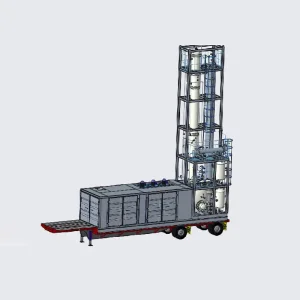
Compact, pre-commissioned, modular plant configurations designed to process associated gas at the wellhead.
High-integrity containment units engineered to process biological tissue waste safely and efficiently.
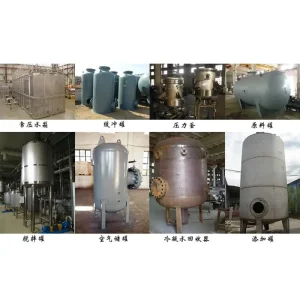
Custom-engineered reactors, pressure filters, and storage cylinders built to specific process dimensions.
Alkaline hydrolysis chambers providing a clean, energy-efficient alternative to cremation systems.
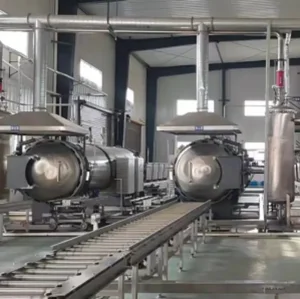
Heavy-duty steam sterilizers for municipal health systems, ensuring complete pathogen neutralization.
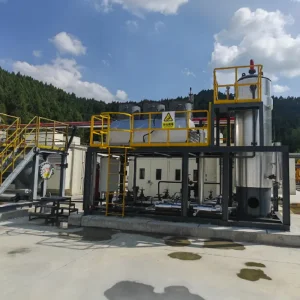
Tail gas recovery systems designed to capture remaining hydrocarbons, helping plants reduce emissions.
 Hongke Qingneng