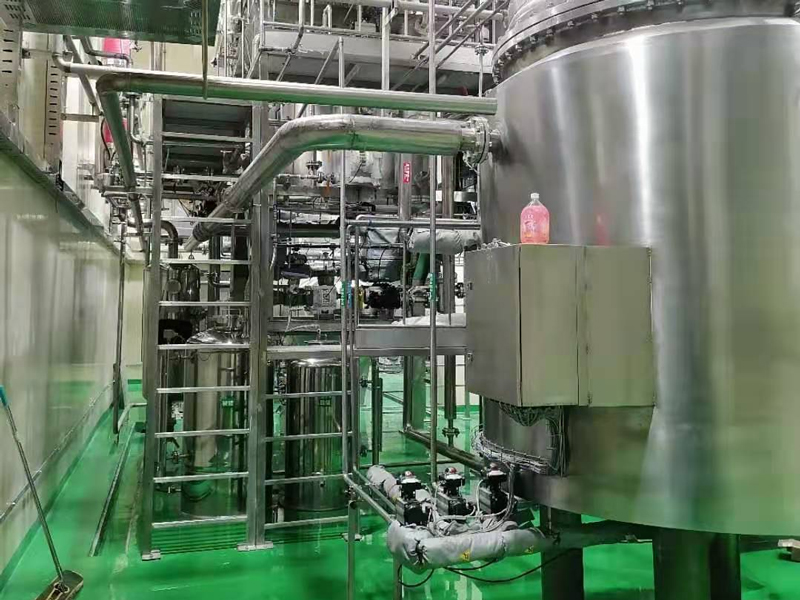
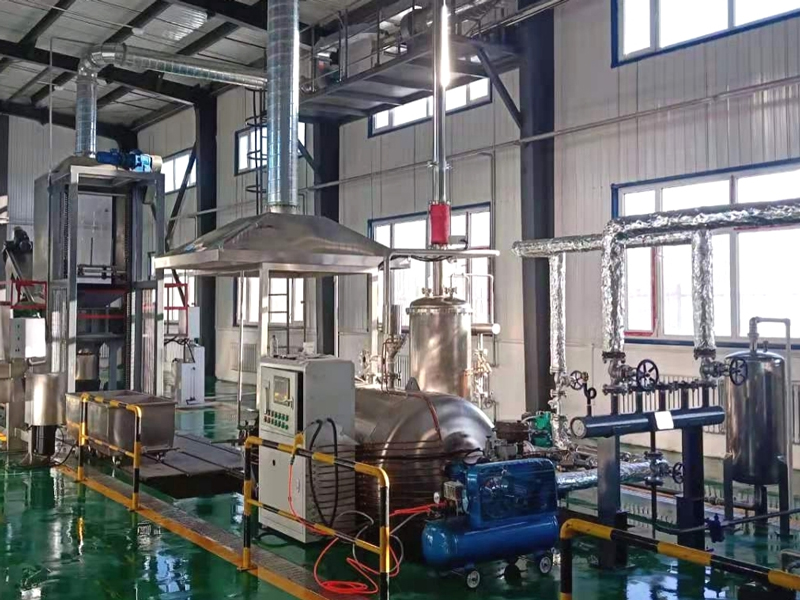
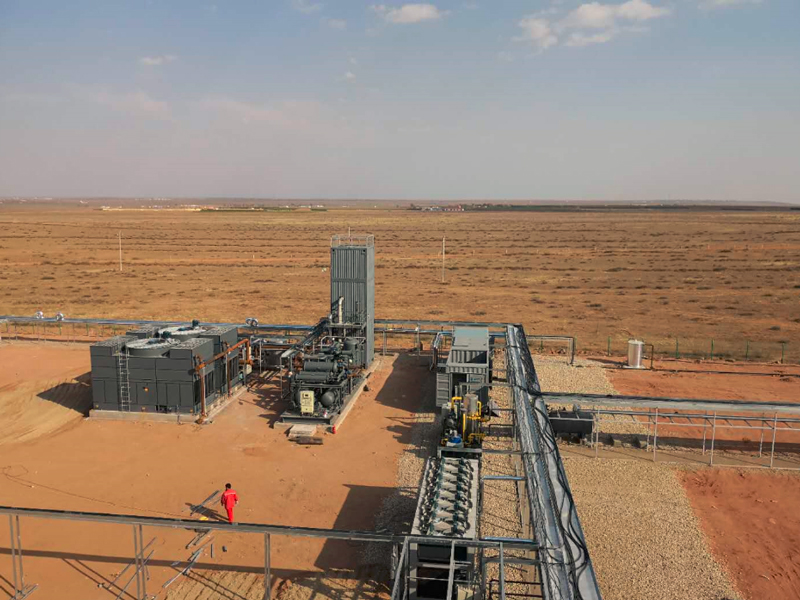
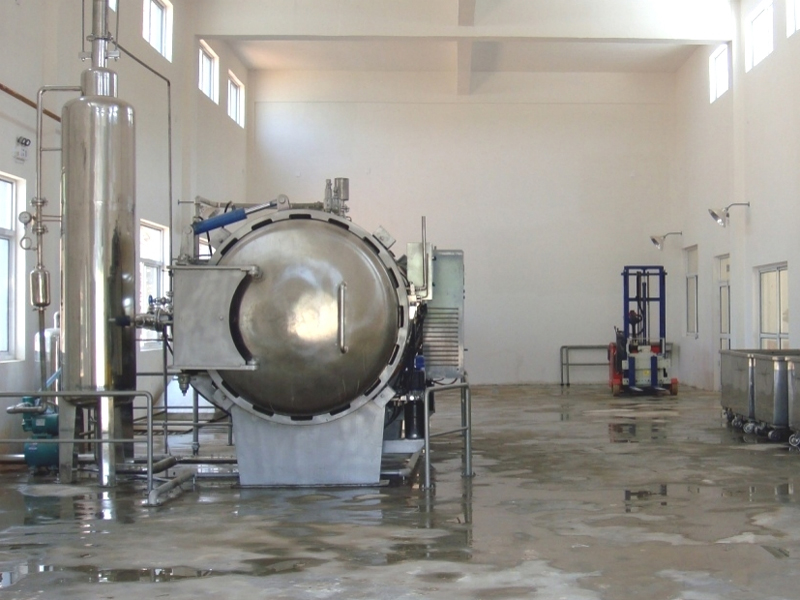
Explore our flagship industrial products designed for extreme operational environments
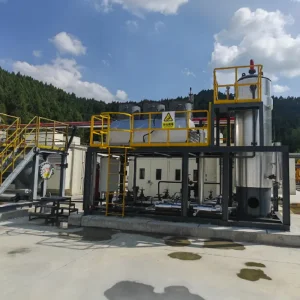
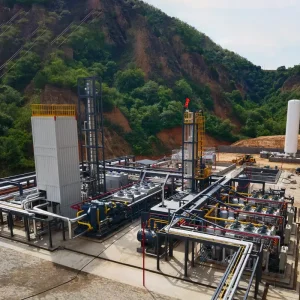
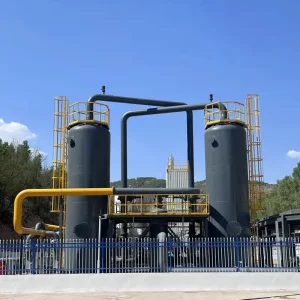
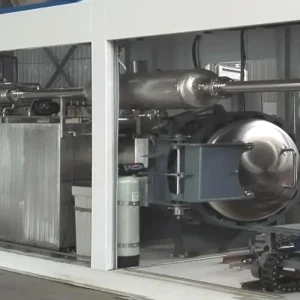
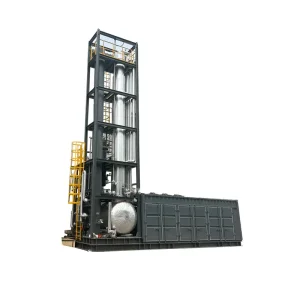
Pioneering Environmental Protection & Industrial Gas Processing Solutions
Hebei Hongke Qingneng Environmental Protection Equipment Co., Ltd. was established in June 2021 with a substantial registered capital of 78 million yuan. Located in the high-tech industrial base of Sanhe Economic Development Zone, Langfang City, our manufacturing plant stands at the forefront of the energy conservation and environmental protection sector.
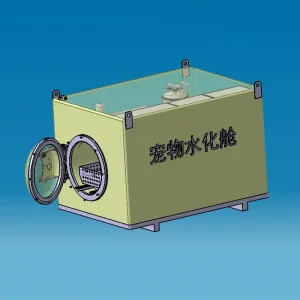
Our core capabilities span the design, engineering, and precision manufacturing of various A2-level pressure vessels, medical waste high-temperature steam treatment installations, biological wastewater treatment systems, and customized skid-mounted process systems. We focus on complex thermal engineering solutions, including Helical Heat Exchangers, VOC exhaust recovery, coalbed methane/shale gas/natural gas purification, and BOG helium extraction.
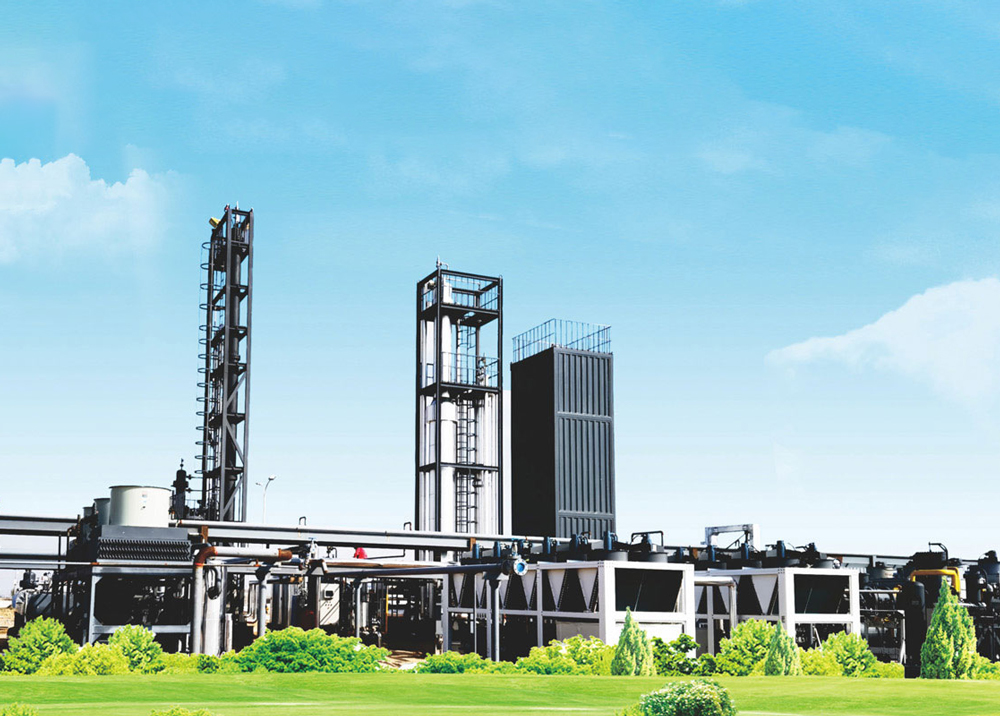
Why helical coil design outperforms traditional shell-and-tube setups in critical environments
The geometry of a helical heat exchanger induces secondary flow patterns known as Dean Vortices. Under high-flow conditions, centrifugal forces push the fluid core toward the outer wall of the tube, creating two counter-rotating recirculating cells. This mechanism continuously disrupts the thermal boundary layer, boosting heat transfer coefficients by up to 300% compared to straight tube bundles.
Industrial operations experience massive temperature gradients, especially in cryogenic liquefaction or high-temperature exhaust gas recovery. The spring-like helical tube bundle acts as a natural expansion joint. It expands and contracts axially and radially without inducing high localized stresses on the tube sheets. This minimizes structural fatigue and eliminates mechanical leaks.
By winding thousands of meters of tubing into tight, concentric coils around a central core mandrel, we maximize the heat transfer surface area per unit volume. In skid-mounted installations (such as natural gas purification and mobile medical waste treatment units), this compact footprint is vital, allowing large thermal loads to fit in tight, transportable modular frames.
Backed by scientists from the Chinese Academy of Sciences (CAS) and Tsinghua University
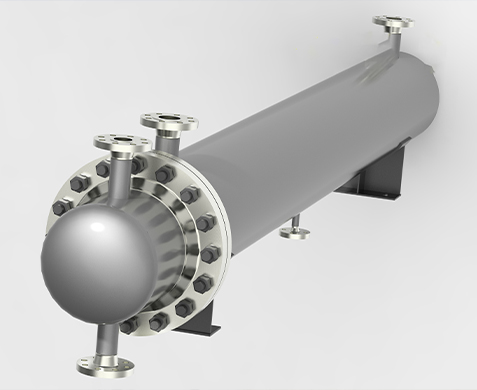
Integrating heat exchange technology into actual production lines
As the world pivots toward decarbonization, processing plants are operating under increasingly tight thermal and environmental limits. In gas fields, chemical plants, and waste facilities, recovering low-grade heat is no longer optional. Helical heat exchangers serve as the primary thermal interface in these operations.
Our units are designed for specific operational scenarios:
Unmatched material sourcing, production velocity, and cost advantages
Hebei Hongke Qingneng harnesses the power of China's industrial base in Langfang City. Our location puts us close to major steel mills and specialized metallurgy suppliers, ensuring a steady supply of raw materials like 316L stainless steel, duplex steel, titanium, and nickel alloys.
This geographic positioning gives our clients major advantages:
Meeting rigorous international standards for safety and reliability
Authorized license for designing and manufacturing high-pressure industrial vessels.
Comprehensive quality management system certification covering our design and fabrication workflows.
Qualified supplier status meeting strict health, safety, security, and environmental policies.
Officially designated Langfang Municipal Industrial R&D engineering center.
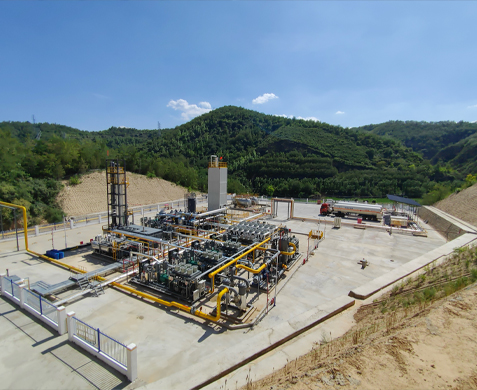
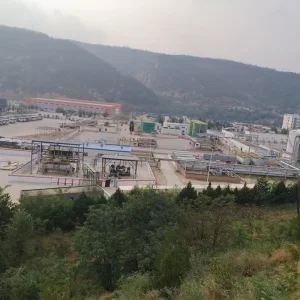
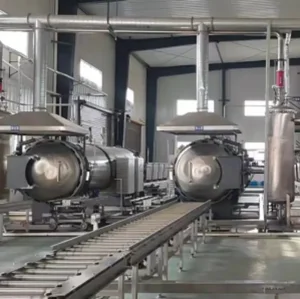
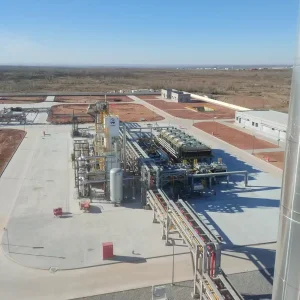
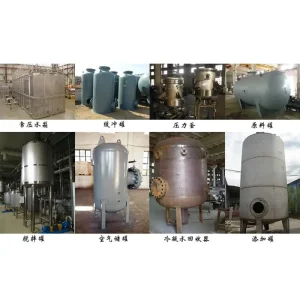
Real-world deployments of our specialized processing equipment
Technical guidance and design support for engineers and procurement managers
The core advantage lies in the generation of secondary flow structures (Dean Vortices) caused by tube curvature. This centrifugal flow mixes the fluid constantly, disrupting the laminar boundary layer and boosting thermal efficiency without requiring the large footprint of standard straight-tube shell-and-tube heat exchangers.
Our helical tube bundle acts as a physical spring that can expand and contract both radially and axially. This flexibility absorbs structural strain from thermal shock (e.g., when dropping from ambient temperature to -196°C) and prevents failure at the tube-to-tubesheet weld joints.
Yes. While we hold a domestic A2 pressure vessel manufacturing license, our engineering team regularly designs and builds equipment according to ASME Section VIII Div 1 & Div 2, CE PED guidelines, and GB Chinese national standards to ensure full compliance worldwide.
Custom manufacturing runs typically take between 12 to 18 weeks, depending on materials (e.g., Duplex Steel, Inconel, Titanium) and testing requirements (radiography, dye penetrant, hydrostatic, and helium leak detection tests).
Because helical channels induce high fluid velocities and turbulence, they naturally resist fouling compared to straight-tube variants. When maintenance is required, Clean-in-Place (CIP) chemical flushing procedures are highly effective due to the continuous flow path, eliminating dead zones where particulate matter can collect.
High-efficiency equipment designed to optimize energy resources and safeguard ecosystems
 Hongke Qingneng