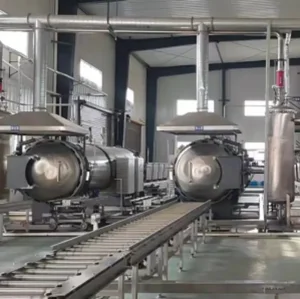
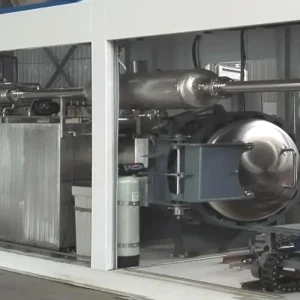
High-Quality Best Refrigeration Cooler Manufacturers & Factories

Industry-Leading Skid-Mounted Gas Purification, Cryogenic Deep-Cold Liquefaction, and Industrial Environmental Protection Systems

Empowering Industrial Infrastructure: Company Profile

Hebei Hongke Qingneng Environmental Protection Equipment Co., Ltd., established in June 2021 with a robust registered capital of 78 million yuan, stands at the absolute vanguard of clean energy engineering and environmental thermodynamics. Located in the high-end industrial base of Sanhe Economic Development Zone, Langfang City, our enterprise specializes in the R&D, design, and manufacture of advanced energy conservation and environmental protection systems.

We are a technologically driven engineering manufacturer, focusing on non-standard pressure vessels, deep cryogenic refrigeration machinery (-40 ℃ to -180 ℃), medical waste high-temperature steam treatment systems, animal tissue hydrolysis plants, biological wastewater decontamination units, and gas processing skids. By integrating advanced thermodynamic physics with precision steel fabrication, we offer modular solutions for coalbed methane, shale gas, BOG helium extraction, VOC exhaust mitigation, and petrochemical tail gas processing.
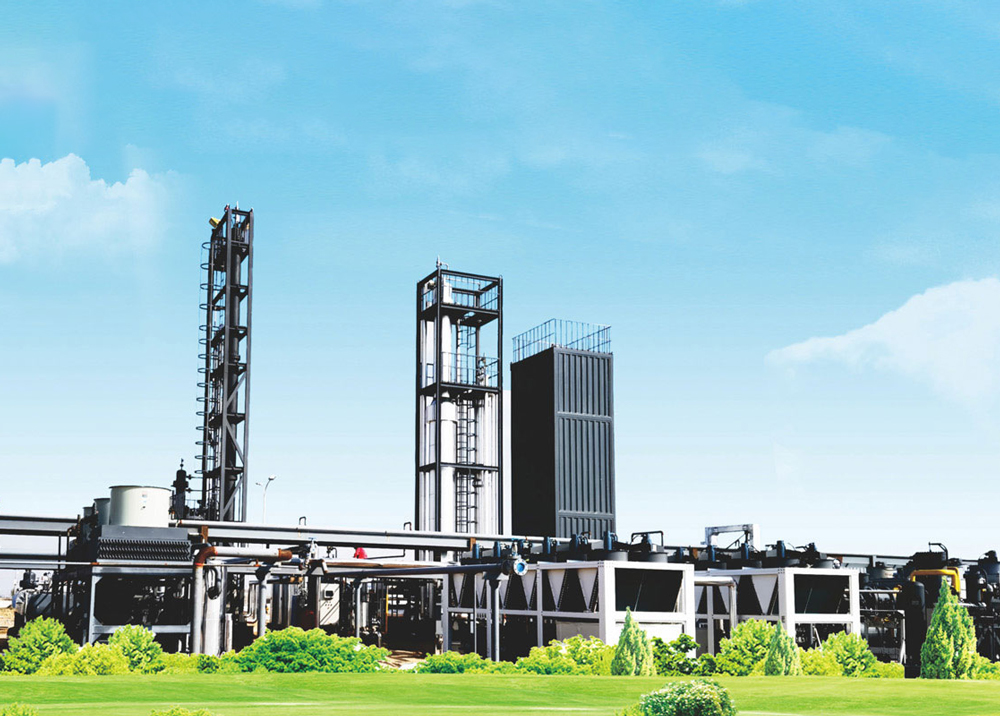
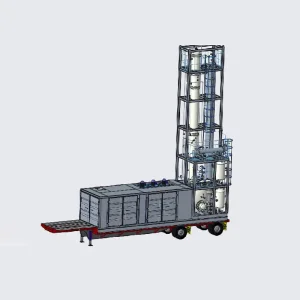
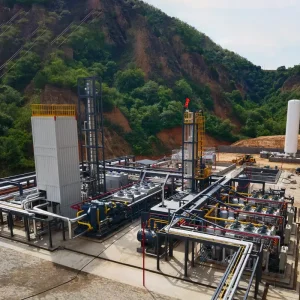
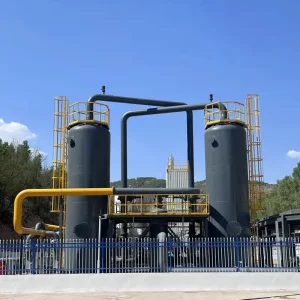
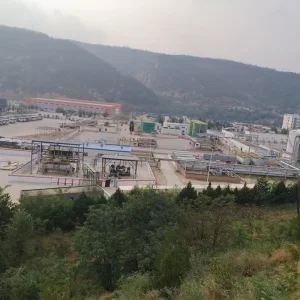
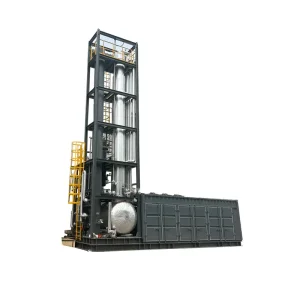
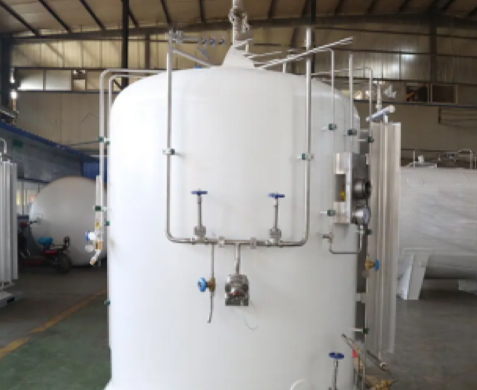
Hongke Qingneng Industrial Factory Production Facility
¥78M
Registered Capital
-180℃
Cryogenic Limit
20+
Patents Pending/Held
50+
Large Skid Projects

Technical Analysis: Global Trends & Engineering Demands

An authoritative breakdown of thermodynamic engineering challenges, supply chain architecture, and modern cryogenic process design.

1. Global Commercial & Industrial Cooling Status

The global industrial refrigeration cooler market is experiencing a massive paradigm shift. As environmental regulations tighten under global decarbonization accords, traditional synthetic refrigerants are being rapidly phased out. In their place, natural refrigerant technologies, extreme deep-cold cascade cycles, and high-efficiency thermodynamic systems have become the benchmark. Heavy industries, ranging from petrochemical processing to liquefied natural gas (LNG) distribution, require highly reliable heat-exchange mechanisms that maintain thermal stability under high pressure and variable heat loads.

Modern industrial chillers are no longer isolated units; they are integrated, intelligent thermal management networks. Today's commercial and industrial status demands high thermal coefficient of performance (COP), zero leak risk, and seamless integration with localized process streams. Whether utilized in the cryogenic separation of air or the containment of chemical tail gases, performance directly dictates operational feasibility.

2. Industrial Refrigeration Development Trends

The primary developmental vector in industrial cooling is the transition to ultra-low temperature and cryogenic refrigeration (-40 ℃ down to -180 ℃). Key trends include:

  • Mixed Refrigerant Cycles (MRC): Utilizing non-azeotropic multi-component mixtures to optimize cooling curves for gas liquefaction (e.g., LNG, BOG helium extraction).
  • Modular Skid-Mounting: Designing units that are completely pre-fabricated, piped, wired, and tested in-factory to minimize on-site installation error and bypass high labor costs abroad.
  • Thermal Integration & Energy Recovery: Exploiting waste cold from LNG vaporizers or incorporating exhaust gas recovery loops to pre-cool incoming flows, significantly increasing overall thermodynamic efficiency.

3. China Factory 4.0: Supply Chain Resilience & Precision Advantages

China's industrial manufacturing ecosystem has evolved from a volume-based cluster into a high-precision, smart-factory hub. Our production facility in the Langfang Economic Development Zone exemplifies this evolution. Through advanced automation in steel fabrication, computer-controlled welding of A2-level pressure vessels, and strict digital quality tracing, we build high-integrity thermal systems that match the world's most demanding environments.

By securing a complete, localized upstream and downstream supply chain—from high-grade low-temperature carbon steel to precision digital valves and compressor components—we mitigate global logistical shocks. Our partners benefit from reduced lead times, strict compliance with international mechanical codes, and significantly lower capital expenditure (CAPEX) without sacrificing operational integrity.

4. Localized Application Scenarios & Engineering Case Studies

Different geographies present unique physical and structural challenges. In remote natural gas fields (such as shale deposits or scattered coalbed methane extraction sites), mobile skid-mounted units allow operators to tap volatile gas sources without heavy pipeline investments. In urban medical sectors, containment is paramount; our high-temperature steam sterilization systems ensure medical waste is rendered totally inert directly on-site or at centralized municipal plants, preventing secondary biohazard contamination.

Similarly, laboratory animal carcass treatment requires specialized high-temperature alkaline hydrolysis to ensure complete viral and bacterial destruction under rigorous safety protocols. Each of these applications dictates a bespoke combination of thermodynamics, metallurgical engineering, and digital process control.

Core Strategic Advantages

Why industrial procurement teams, petrochemical developers, and environmental operations trust our technology platforms.

T

Technical Advantages

Collaborative research with Tsinghua University and the Institute of Physics and Chemistry Technology (Chinese Academy of Sciences). Holding multiple independent intellectual property patents in skid-mounted liquefaction and cryo-containment.

P

Production License

Authorized holding of the A2 level pressure vessel manufacturing license, pressure pipeline component manufacturing license, GB/T19001-2016 quality system certification, and Sinopec HSSE / China Petroleum Safety certification.

S

Social Responsibility

Dedicated to helping global industries achieve net-zero emission targets. Our gas recovery, VOC recovery, and BOG helium extraction systems minimize greenhouse gas emissions and conserve scarce natural resources.

R&D Authority: Academic Team & Engineering Leadership

Our technologies are driven by leading experts in cryogenics, engineering thermophysics, and environmental chemistry.

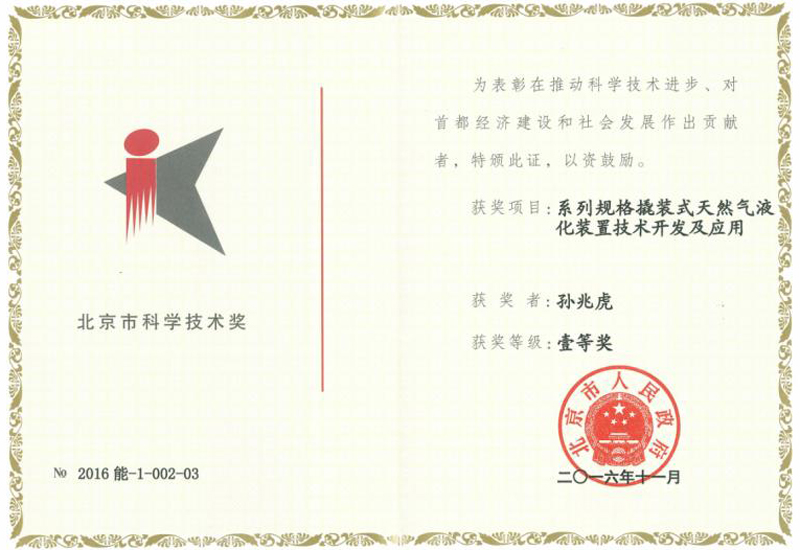
Dr. Sun Zhaohu

Founder & Chairman

Ph.D. from the Institute of Physics and Chemistry Technology, Chinese Academy of Sciences (CAS). National Senior Engineer. Presided over the National 863 Program, Aerospace/Military research projects, and the National Natural Science Foundation. Awarded the Special Prize of Technological Invention by the Chinese Society of Refrigeration (2015) and the Beijing Science and Technology Award (2016). Successfully brought 20+ patents to direct industrial scale.

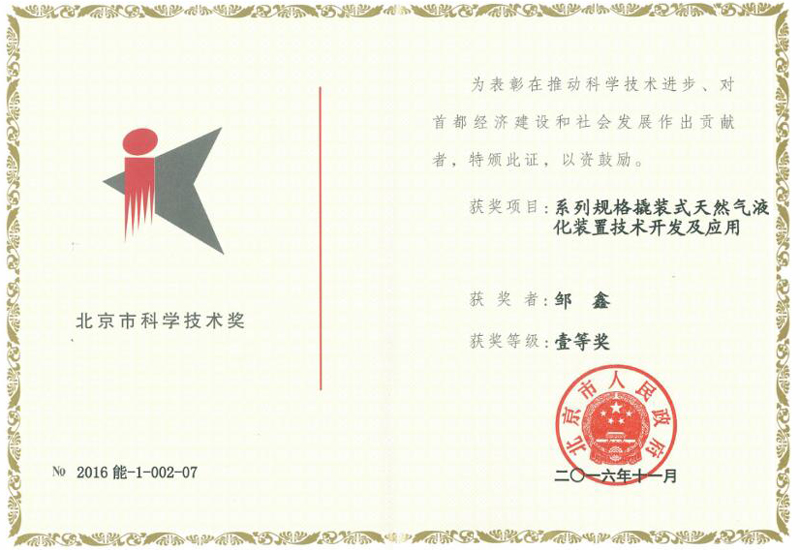
Dr. Zou Xin

General Manager & Senior Engineer

Ph.D. candidate and Senior Engineer at the Institute of Physics and Chemistry Technology, CAS. Led national major science and technology special projects during the "12th Five-Year Plan". Author of 24 international and domestic academic papers (11 indexed in SCI/EI) and inventor of 5 national patents. Winner of the 7th China Refrigeration Society Technological Invention Award and Silver Medalist of the 19th China International Industry Expo.

Dr. Cheng Kuwei

Chief Engineer

Doctor of Engineering from CAS. Principal developer of the "Skid-mounted Natural Gas Liquefaction Unit Series of Specifications". Key recipient of the 2015 Special Prize of Science and Technology Award of the Chinese Refrigeration Society. Specialist in mixed working medium phase change heat transfer, flow characteristics, and non-standard pressure vessel flow field optimization.

Product Line Divisions & Engineering Capabilities

Providing high-integrity environmental and thermal process systems across four vital industrial sectors.

Environmental Icon

Environmental Protection

  • Centralized medical waste high-temperature steam treatment equipment
  • Mobile medical waste disposal equipment
  • Animal tissue (residue) processing equipment
Natural Gas Icon

Natural Gas & Cryogenics

  • Skid-mounted liquefaction equipment (natural gas, associated gas)
  • Purification systems (deacidification, dehydration, heavy hydrocarbon removal)
  • High-efficiency Liquefaction plants
Pressure Vessel Icon

Non-Standard Equipment

  • A2-Class non-standard pressure vessels
  • Custom thermodynamic experimental test benches
  • Shell and tube heat exchangers & hot air stoves
Refrigeration Icon

Industrial Refrigeration

  • -40 ℃ to -180 ℃ ultra-low temperature refrigeration machines
  • -70 ℃ to -100 ℃ precision freeze dryers
  • Ultra-low vacuum cold traps (-135 ℃)

Field Installations & Engineering Cases

Examine our physical project results across natural gas recovery, medical sanitation, and agricultural processing facilities.
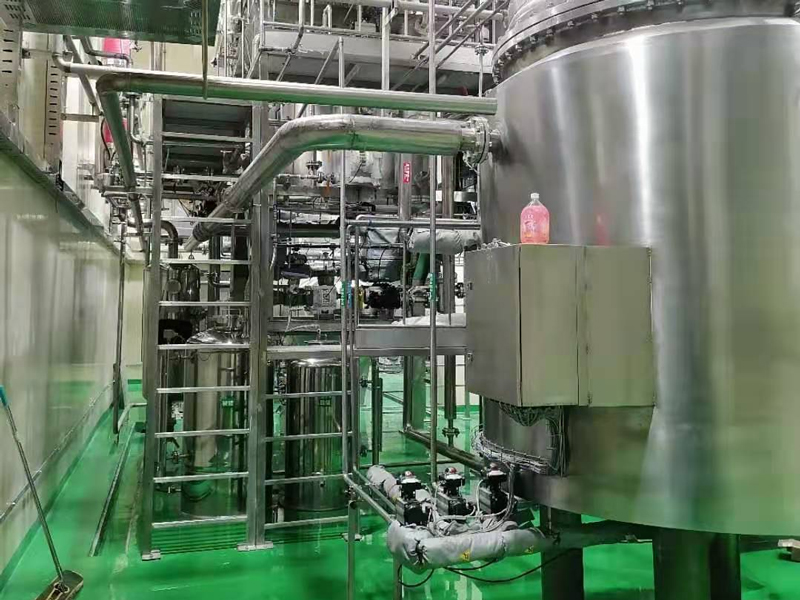
Laboratory Animal Residue Harmless Treatment

Laboratory Animal Residue Harmless Treatment System

Complete pathogen destruction using advanced high-temperature hydrolysis technology.
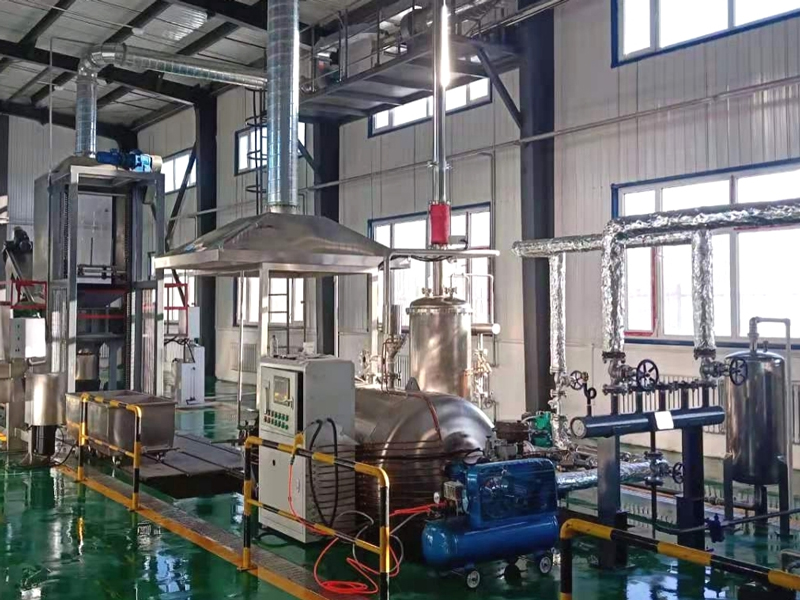
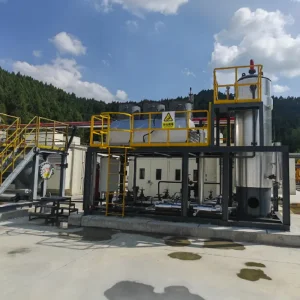
Mobile Medical Waste Disposal Equipment

Mobile Medical Waste Disposal Equipment

Rapid emergency deployment steam treatment units for localized clinical centers.
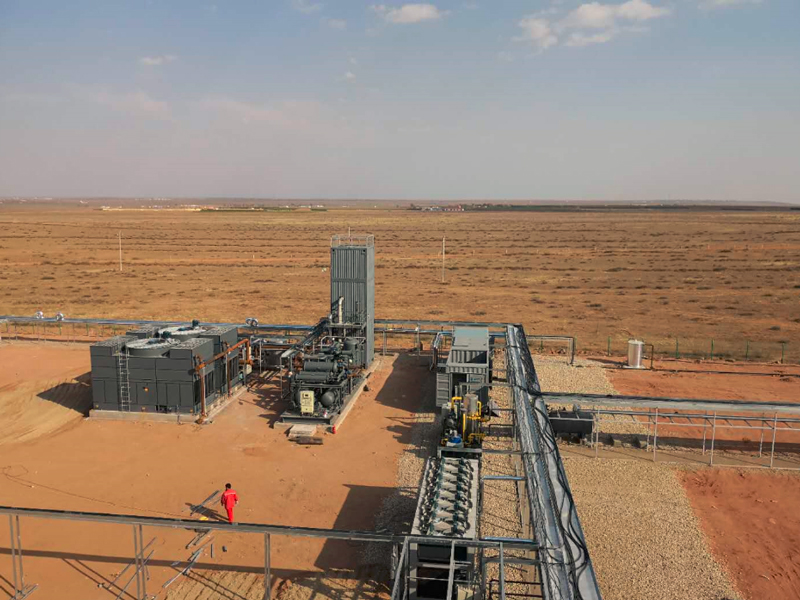
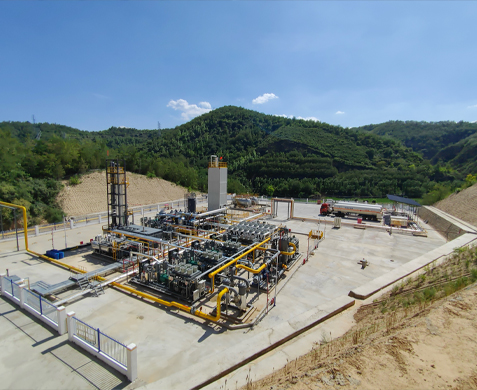
Well Gas Liquefaction Project

M3/d Well Gas Skid-Mounted Liquefaction Project

Direct capturing and cryo-processing of remote wellhead natural gas resource recovery.
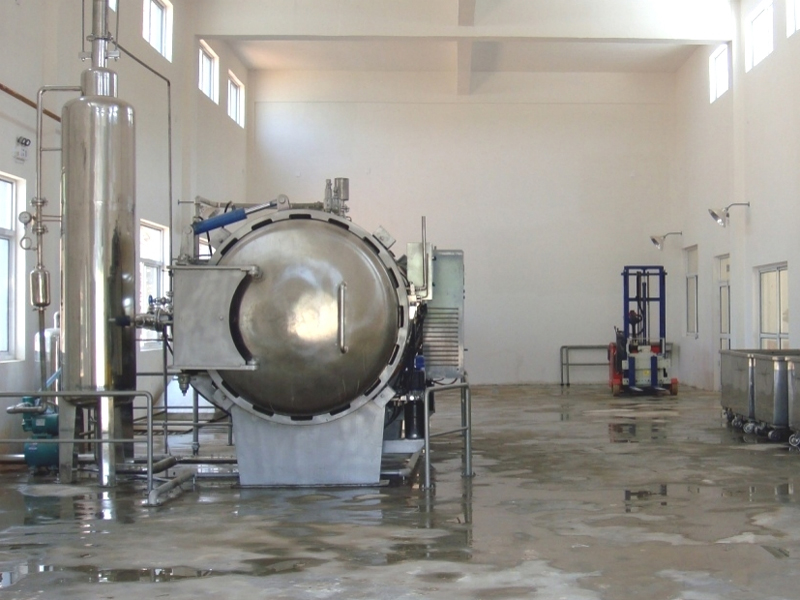
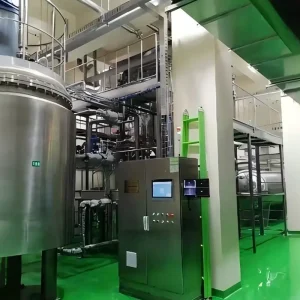
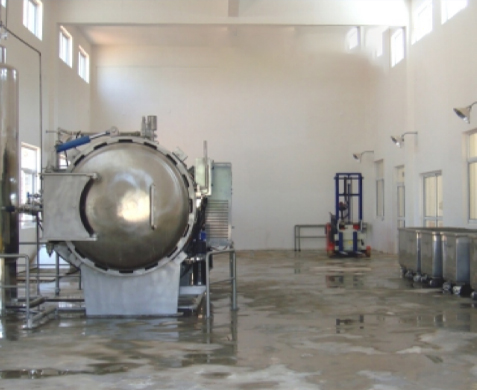
Centralized Medical Waste Treatment

Centralized Medical Waste High-Temperature Steam Treatment Plant

High-capacity processing matching stringent national bio-safety guidelines.
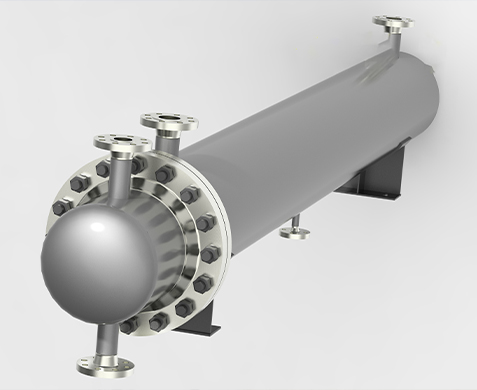
Hongke Factory Process Unit Details
Hongke Assembly Workshop Processing
Cryogenic Skid Unit Heat Exchanger Assembly
Pressure Vessel Inspection And Hydro Testing
Advanced Cryo Cold Box Unit
Helium Gas BOG Separation Skid

Technical Q&A: Cryogenics & Process Engineering Insights

Get authoritative answers on industrial cooling architectures, thermodynamic efficiency, and gas recovery designs.

Q1: How does a Mixed Refrigerant Cycle (MRC) system compare to traditional single-fluid cascades in LNG liquefaction?
MRC systems utilize a customized blend of hydrocarbons (such as methane, ethane, propane) and nitrogen. As this multi-component refrigerant vaporizes over a range of boiling points, it mimics the cooling curve of natural gas much more closely than a single-component fluid. This reduces thermodynamic irreversibility (entropy generation) and minimizes compression power input. For mobile, skid-mounted systems, MRC is highly advantageous as it streamlines the physical hardware requirements, allowing a single compressor loop to perform tasks that would otherwise require multiple separate cooling loops.
Q2: What design parameters are critical for -40 ℃ to -180 ℃ ultra-low temperature industrial refrigeration?
Operating at temperatures down to -180 ℃ requires precise selection of cryogenic materials to prevent low-temperature embrittlement. We construct core components from high-grade stainless steels (such as SUS304 or 316L) and low-temperature nickel-alloy steels. Additionally, maintaining vacuum insulation (or using high-performance multi-layer insulation systems) is mandatory to eliminate conductive and radiative heat leaks. At these ranges, system seals must utilize specialized fluoropolymers or metal-to-metal contact structures since standard elastomeric gaskets become brittle and lose seal integrity.
Q3: How do skid-mounted VOC exhaust treatment systems recover high-value organic solvents?
Our VOC treatment skids utilize a multi-stage condensation process. The exhaust stream is routed through a series of progressive heat exchangers, lowering the temperature incrementally down to sub-zero levels. This causes high-boiling-point volatile organic compounds to phase-change from gas to liquid, allowing direct collection and recycling. For lower boiling point fractions, we integrate an adsorption step using high-surface-area activated carbons or zeolites. Once saturated, the bed is thermally desorbed, and the concentrated gas is run through our deep-cold refrigeration loop to maximize the recovery rate while outputting clean exhaust that meets the most stringent environmental regulations.
Q4: Why are A2-level pressure vessel manufacturing certifications critical for global procurement compliance?
An A2-level pressure vessel certification signifies that a factory is qualified to design and manufacture medium-to-high pressure vessels that contain volatile, hazardous, or high-temperature media. Global EPC entities and multinational operators (such as Sinopec and CNPC) require suppliers to possess verified fabrication capabilities, non-destructive testing (NDT) methodologies, and metallurgical engineering verification. This ensures structural safety, minimizing risks of thermal fatigue, pressure blowout, or stress-corrosion cracking over the lifetime of the process plant.
Q5: How does high-temperature hydrolysis handle hazardous animal waste and biological residues safely?
High-temperature hydrolysis utilizes elevated pressure steam and concentrated alkaline chemicals (NaOH/KOH) to break down complex organic peptide chains into simple, harmless amino acids and aqueous solutions. This process takes place inside a sealed, high-pressure reaction vessel. Under temperatures exceeding 130 ℃ and saturated steam environments, all viral pathogens, bacterial spores, and prions (which are notoriously resistant to dry heat) are fully denatured. This is the gold standard for bio-containment facilities and laboratory animal processing, producing zero air emissions and clean, sterile wastewater.

Partner with our Engineering R&D Center

If you have complex cryogenic cooling, gas purification, or hazardous waste treatment requirements, submit your process parameters and work directly with our PhD-led engineering team.

Our team is available to assist you with thermodynamic modeling, skid-mount dimensions, code compliance, and structural sizing.

Request Engineering Consult