Engineered for extreme performance, certified safety standards, and unmatched thermodynamic efficiency.
An authoritative analysis of spherical containment systems, thermal boundary kinetics, and heavy engineering supply chain evolution.
Spherical pressure vessels, or "sphere vessels", represent the pinnacle of containment geometry. From a structural mechanics perspective, a sphere is the optimal shape for high-pressure storage because the stress distribution across the walls is uniform, effectively reducing the membrane stress by 50% compared to a cylindrical vessel of the same volume and wall thickness. This geometrical advantage translates directly into material savings, making spherical containment the default choice for large-scale liquefied petroleum gas (LPG), ammonia, LNG, and volatile chemical storage globally.
In modern industrial applications, the demand for high-performance materials like low-temperature carbon steels and specialized alloy clad sheets has intensified. Top-tier sphere pressure vessel manufacturers must navigate complex metallurgical requirements to guarantee low-temperature toughness and prevent catastrophic brittle fractures, especially in regions subject to harsh thermal variances or seismic conditions.
China's heavy engineering sector has transitioned from massive production outputs to highly intelligent, digitally integrated, and certified manufacturing ecosystems. Industry 4.0 paradigms implemented in Chinese pressure vessel factories utilize automated submerged arc welding (SAW), high-precision cold-forming processes for spherical crown segments, and robotic ultrasonic and radiographic testing. This automation ensures absolute consistency in high-integrity joints, which are critical for pressurized containment.
Furthermore, China's geographic and economic integration of steel mills, forging shops, and advanced logistics hubs gives manufacturers a highly resilient supply chain. This configuration minimizes material transit delays and allows Chinese factories to offer highly competitive lead times and cost efficiencies. Global EPC (Engineering, Procurement, and Construction) companies increasingly leverage this integration to source custom non-standard pressure vessels that meet strict international regulatory standards like ASME Sec VIII Div 1 & Div 2, CE-PED, and GB150.
Hebei Hongke Qingneng Environmental Protection Equipment Co., Ltd. serves as a prime example of high-value Chinese manufacturing. Established in June 2021, the company features a technical foundation powered by researchers from Tsinghua University and the Institute of Physics and Chemistry Technology of the Chinese Academy of Sciences (CAS). Under the leadership of Dr. Sun Zhaohu and his distinguished colleagues, Hongke Qingneng has developed innovative solutions for cryogenic liquefied gases, industrial tail gas recovery, and sterilization systems.
By blending advanced thermodynamics, fluid dynamics, and phase change heat transfer theories, the engineering team has achieved significant breakthroughs in BOG (Boil-Off Gas) helium extraction, desulphurisation, and VOC containment. This close collaboration between academic institutions and active workshops bridges the gap between theoretical heat transfer calculations and practical, skid-mounted engineering realities.
Established in the Sanhe Economic Development Zone, Langfang City, with a registered capital of 78 million Yuan.
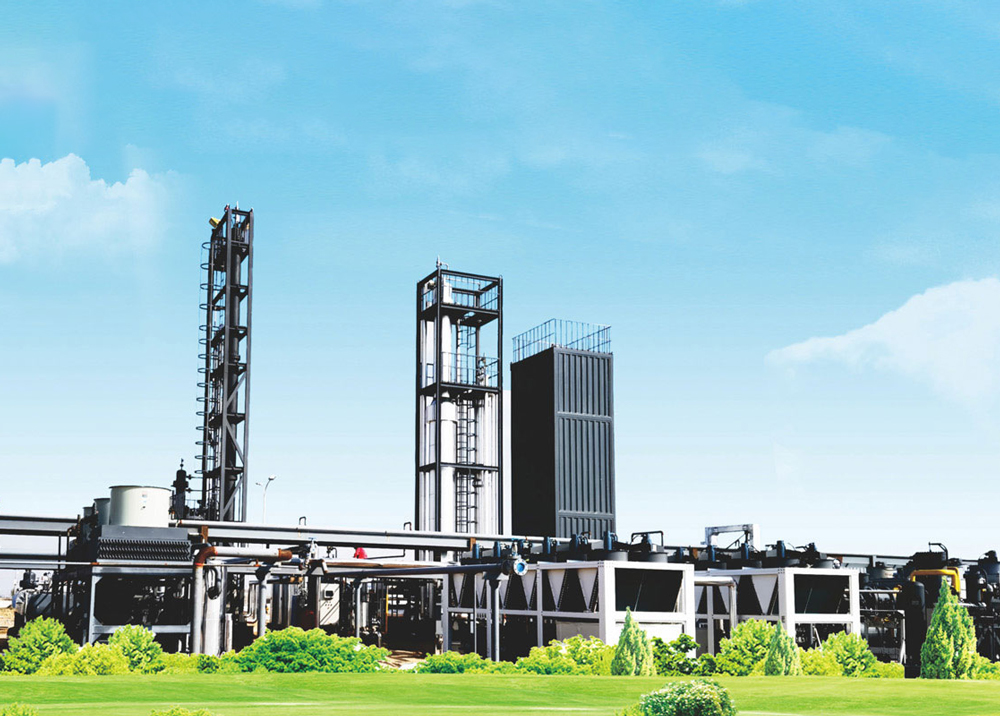
Hebei Hongke Qingneng Environmental Protection Equipment Co., Ltd. specializes in the development, manufacture, and deployment of environmental protection, energy conservation, and pressurized systems. The company holds an A2-level pressure vessel manufacturing license, pressure pipeline component manufacturing license, GB/T19001-2016 quality system certification, and Sinopec HSSE / China Petroleum Health, Safety, and Environment Management System certifications.
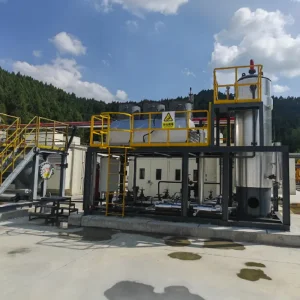
Our core competencies include non-standard pressure vessels, medical waste high-temperature steam treatment equipment, biological wastewater management systems, and specialized industrial refrigeration (-40℃ to -180℃). By offering custom engineered systems, we support domestic and international partners in air pollution mitigation, energy extraction, and resource recovery.
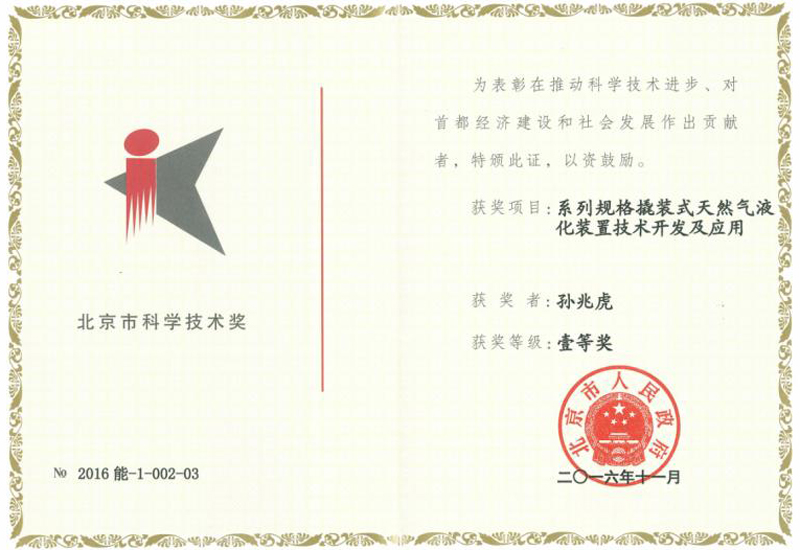
Doctorate from the Institute of Physics and Chemistry Technology, Chinese Academy of Sciences (CAS). National Senior Engineer. Recipient of the Special Prize of Technological Invention of the Chinese Society of Refrigeration (2015) and First Prize of Beijing Science and Technology Award (2016). Led 20+ proprietary R&D projects and deployed 50+ skid-mounted systems.
Senior Engineer at the Institute of Physics and Chemistry Technology, CAS. Published 24 academic papers (11 SCI/EI indexed), holds 5 patents. Winner of the 2017 Silver Medal of the 19th China International Industry Expo. Expert in market integration and large-scale project execution.
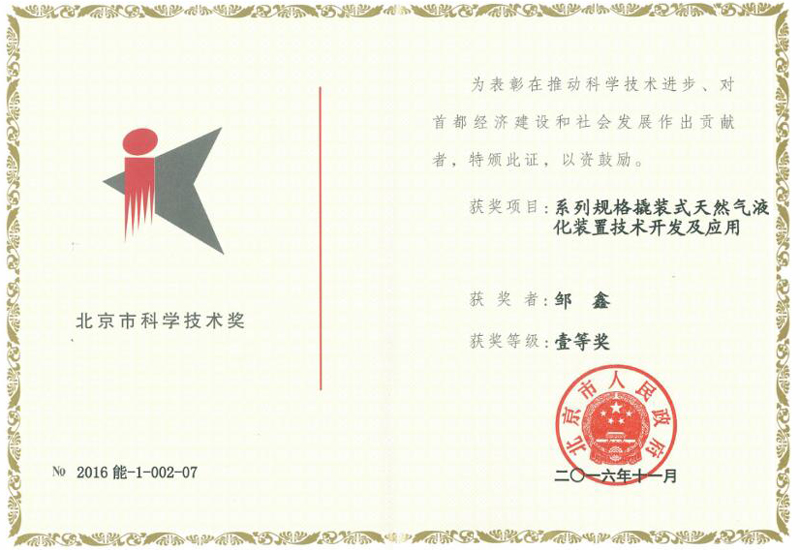
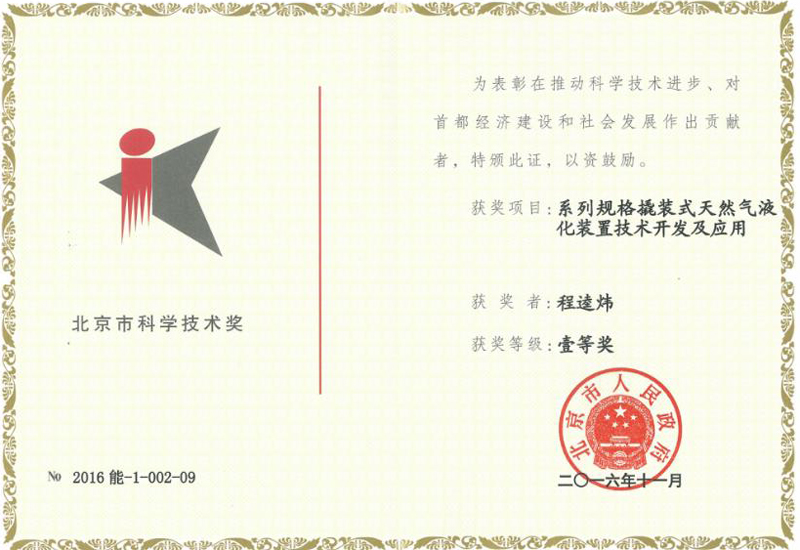
Doctor of Engineering, Institute of Physics and Chemistry Technology, CAS. Recipient of Beijing Science and Technology First Prize (2016). Specializes in phase change heat transfer mechanisms, flow dynamics of mixed working mediums, and natural gas liquefaction plant lifecycle design.
Unifying engineering rigour, strict licensing, and social accountability.

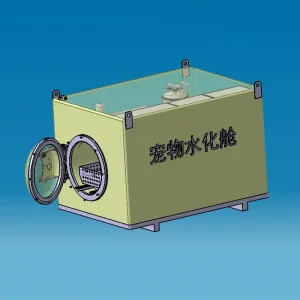
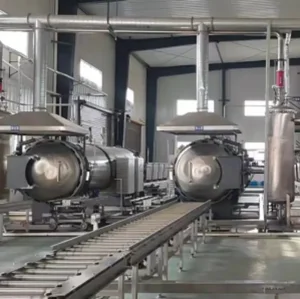
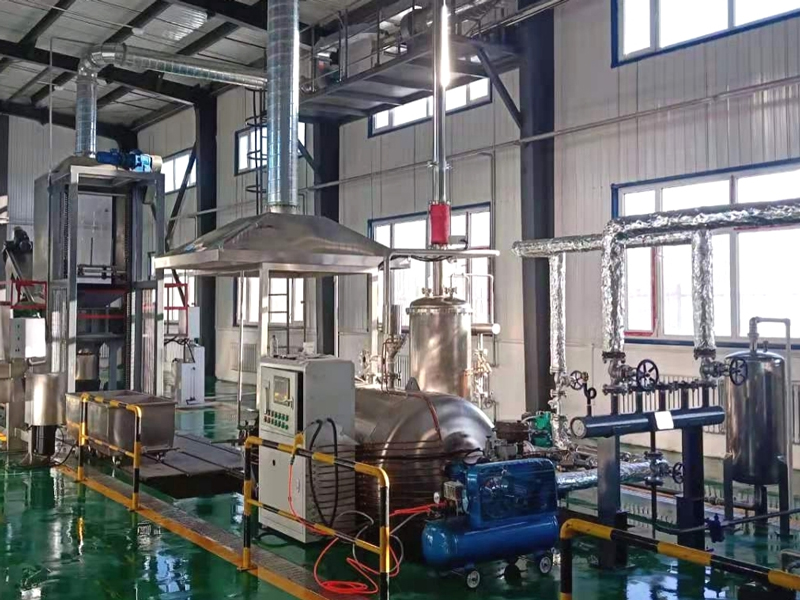
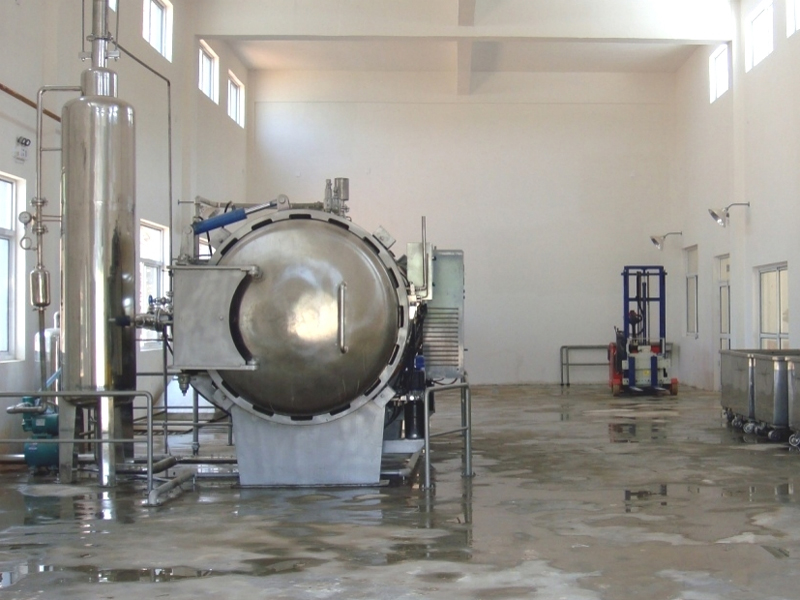
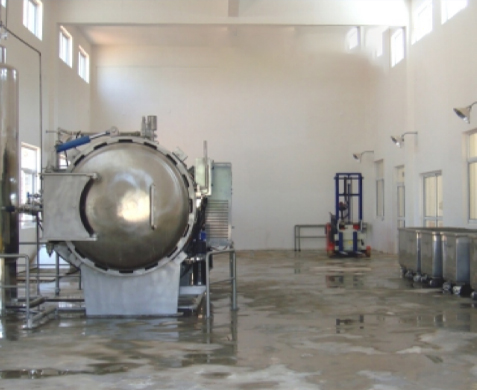
Deploying centralized high-temperature steam medical waste treatment systems, mobile disinfection configurations, and laboratory animal carcass hydrolysis devices to eliminate pathogens and chemical hazards.

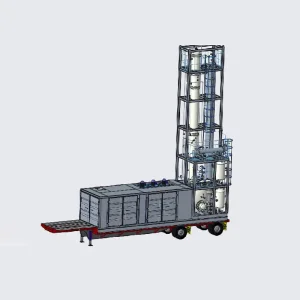
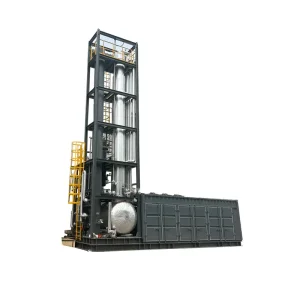
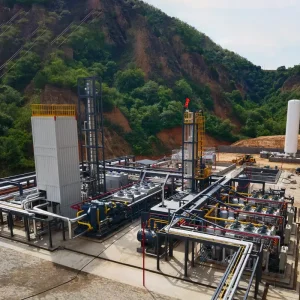
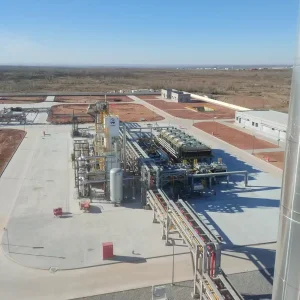
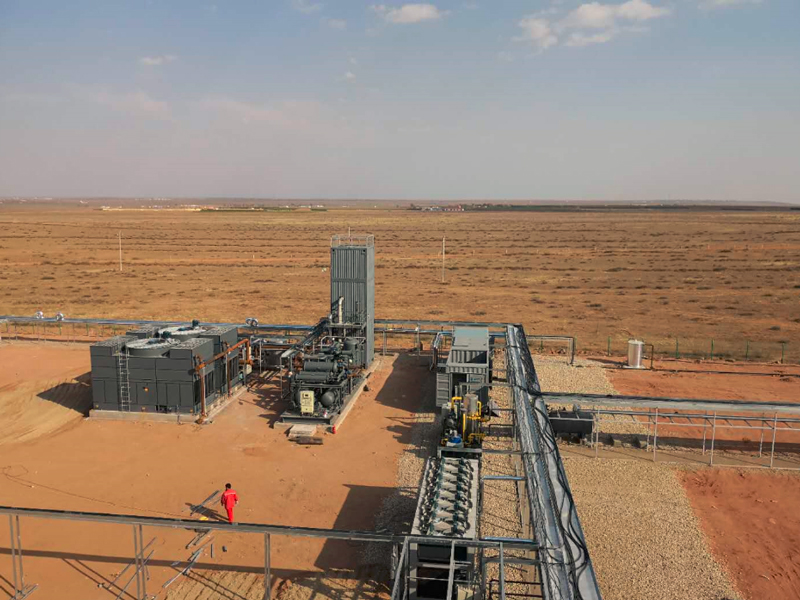
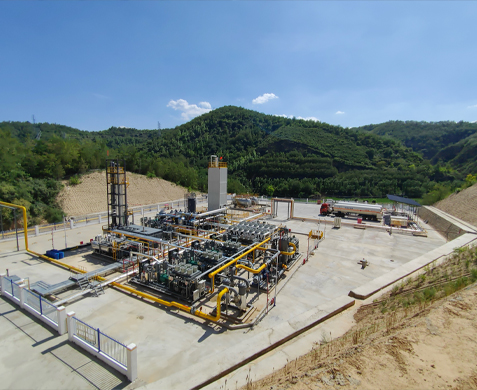
Integrating skid-mounted gas liquefaction systems, deacidification, dehydration, and heavy hydrocarbon removal facilities. Ideal for coalbed methane, shale gas, and flare gas capture.

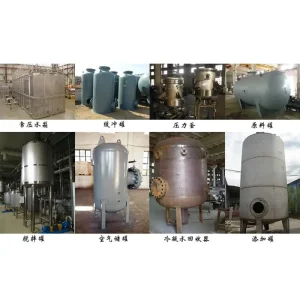
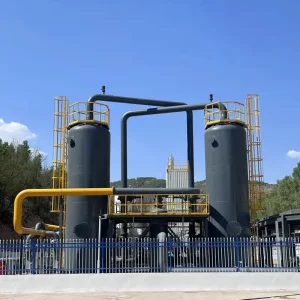
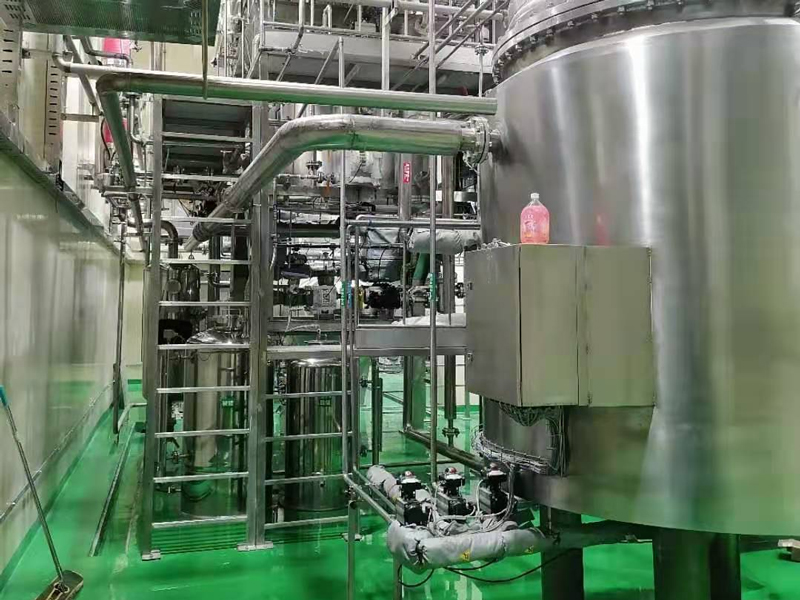
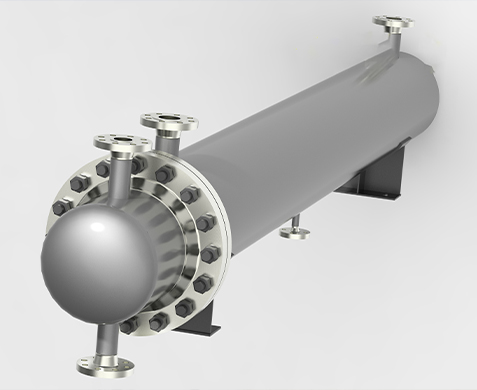
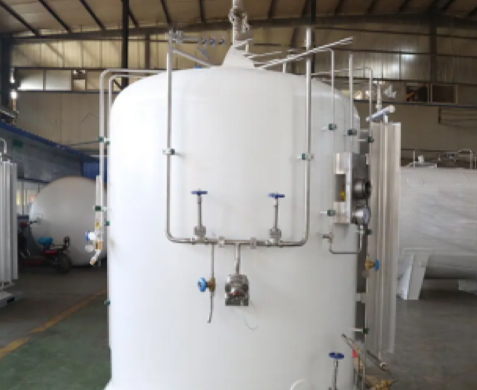
Custom fabrications of shell-and-tube heat exchangers, experimental test rigs, storage vessels, and hot-air stoves tailored to specific site pressure, temperature, and material configurations.

Manufacturing cryogenic machines reaching -40℃ to -180℃, freeze-dryers, and high-performance vacuum cold traps (-135℃) for scientific research and chemical processing.
Discover how our specialized systems deliver performance across critical applications worldwide.
Frequently asked questions concerning standards, manufacturing processes, and skid design.
Engineered to meet stringent safety requirements and support global carbon reduction goals.
 Hongke Qingneng