Explore our leading collection of certified pressure vessels, containment chambers, and environmental treatment configurations engineered for optimal thermodynamic efficiency.
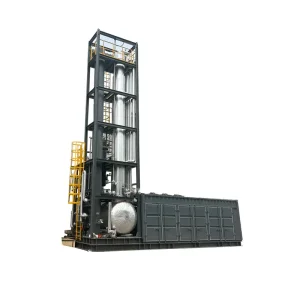
Analyzing global demand, supply frameworks, structural engineering dynamics, and standard compliances in high-pressure containment infrastructure.
The global industrial landscape relies heavily on compressor vessels and specialized non-standard pressure vessels to regulate, capture, store, and process high-pressure gaseous media. In sectors such as cryogenic natural gas liquefaction, biopharmaceutical synthesis, VOC abatement, and municipal hazard control, the design and structural integrity of containment shells are paramount. A compressor vessel acts as the core stabilization buffer, absorbing pulse energy and handling massive thermodynamic transformations under extreme thermal ranges.
Geopolitically and economically, the push toward "Double Carbon" goals (peaking carbon emissions and achieving carbon neutrality) has transformed compressor vessel technology from basic containment structures into highly integrated thermodynamic process modules. Modern operations require skid-mounted systems capable of processing natural gas, coalbed methane, and shale gas directly at the source. This shifts the industrial landscape toward modular, skid-assembled plants that eliminate pipeline dependency and capture flared or scattered gas resources safely and cost-effectively.
Designed under strict ASME Section VIII and A2 certification standards to handle cyclic pressure fatigue, gas pulsation, and sudden thermal changes without mechanical failure.
Moving from onsite construction to factory-engineered skid assemblies. This approach speeds up deployment, lowers infrastructure cost, and ensures consistent quality control.
Capable of structural stability at deep cryogenic ranges (-40°C down to -180°C) for applications in nitrogen, helium extraction, BOG reliquefaction, and LNG purification.
A look at Hebei Hongke Qingneng Environmental Protection Equipment Co., Ltd.'s facilities, resources, and technical certifications.
Hebei Hongke Qingneng Environmental Protection Equipment Co., Ltd. was established in June 2021 with a registered capital of 78 million Yuan. Headquartered in the industrial hub of Sanhe Economic Development Zone, Langfang City, the company focuses on R&D and manufacturing for the energy conservation and environmental protection sectors.
We design and manufacture Class A2 pressure vessels, medical waste steam sterilization chambers, animal carcass hydrolysis systems, biological wastewater inactivation equipment, and non-standard process systems. The company specializes in skid-mounted gas treatment technologies, including natural gas purification, helium recovery, VOC treatment, and industrial refrigeration equipment.
By blending academic research with industrial manufacturing, we help global clients transition to cleaner energy systems and comply with environmental regulations through high-performance equipment design.
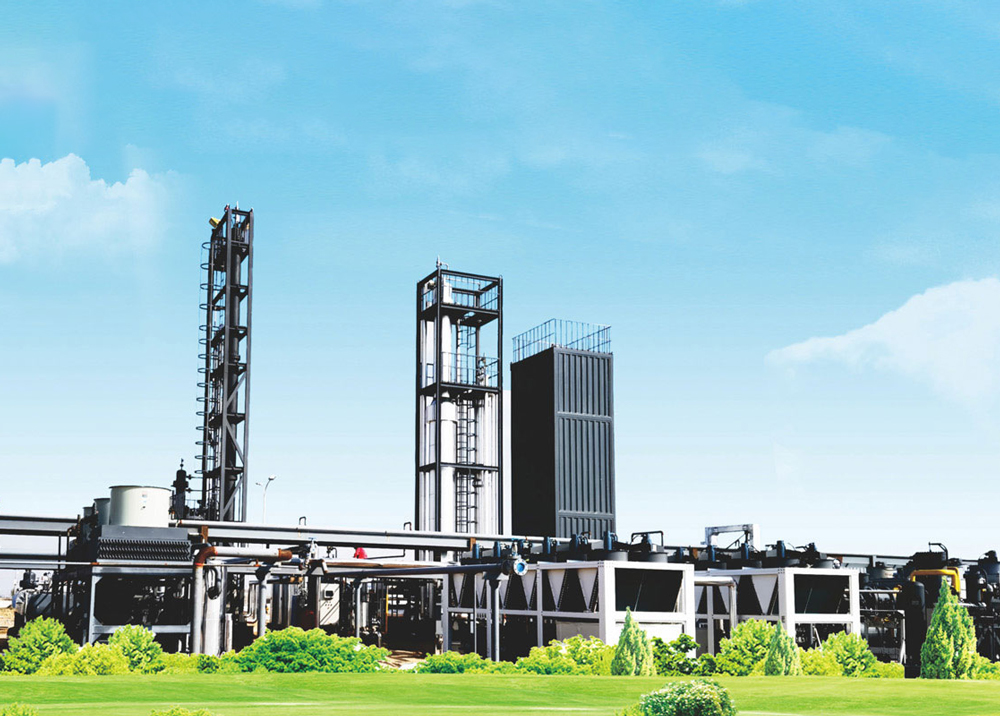
Our core processes and mechanical design protocols are led by specialists from Tsinghua University and the Chinese Academy of Sciences.
Dr. Sun Zhaohu is a National Senior Engineer who earned his doctorate from the Institute of Physics and Chemistry Technology, Chinese Academy of Sciences (CAS). He has led projects under the National 863 Program, the Natural Science Foundation, and various aerospace research initiatives. Dr. Sun has received several awards, including the First Prize of Science and Technology of the China Coal Industry (2013) and the Special Prize of Technological Invention from the Chinese Society of Refrigeration (2015).
Zou Xin is a senior engineer at the Institute of Physics and Chemistry Technology, CAS, and oversees the commercial operations and business strategy of Hebei Hongke Qingneng. He has managed several major research projects, including the "12th Five-Year Plan" national science initiatives and joint projects with industrial companies. He has published 24 academic papers (11 indexed in SCI/EI) and holds 5 national patents.
Dr. Cheng Kuwei specializes in mixed working medium phase changes, fluid dynamics, and thermodynamic cycles. He led the technical development of the company's "Skid-mounted Natural Gas Liquefaction Unit," earning the First Prize of Science and Technology from the Beijing Municipal Government. He manages process engineering design for our industrial refrigeration, environmental containment systems, and gas purification equipment.
How we integrate advanced physics and thermodynamics into reliable industrial equipment.
Our cryogenic gas systems utilize a Mixed Refrigerant Cycle (MRC) to improve energy efficiency. By matching refrigerant phase changes with natural gas cooling curves, we reduce compressor energy consumption. These skid-mounted systems enable operators to purify and liquefy natural gas and coalbed methane at remote wells, turning flared gas into transportable LNG.
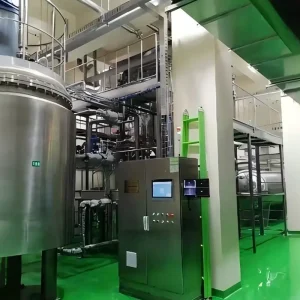
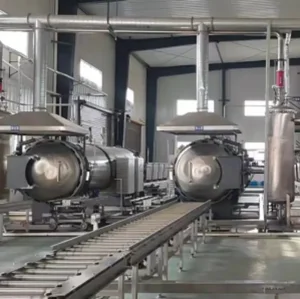
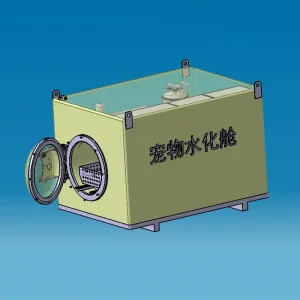
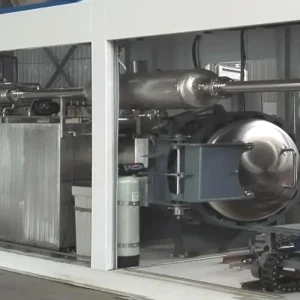
In bio-safety and medical waste treatment, our systems use high-pressure, high-temperature steam sterilization and alkaline hydrolysis. Our vessels operate at temperatures up to 134°C and pressures of 0.22 MPa. They feature automated loading mechanisms, double-door containment barriers, and vacuum air removal systems to ensure complete pathogen neutralization and safe waste disposal.
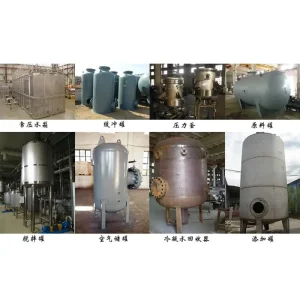
For chemical and biopharmaceutical applications, we manufacture custom pressure vessels using corrosion-resistant materials (such as 316L stainless steel and hastelloy). We utilize advanced stress analysis software to optimize wall thickness, weight, and safety factors. These designs are certified to meet international standards for high-temperature and high-pressure chemical reactions.
Proven installations demonstrating high operational reliability and performance across challenging environments.
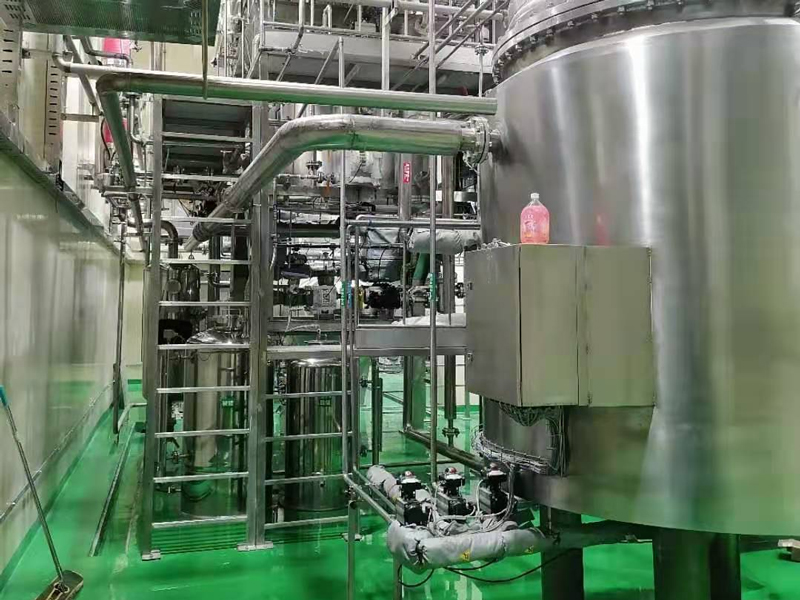
Automated high-temperature hydrolysis installation designed for research facilities requiring biosafety level containment.
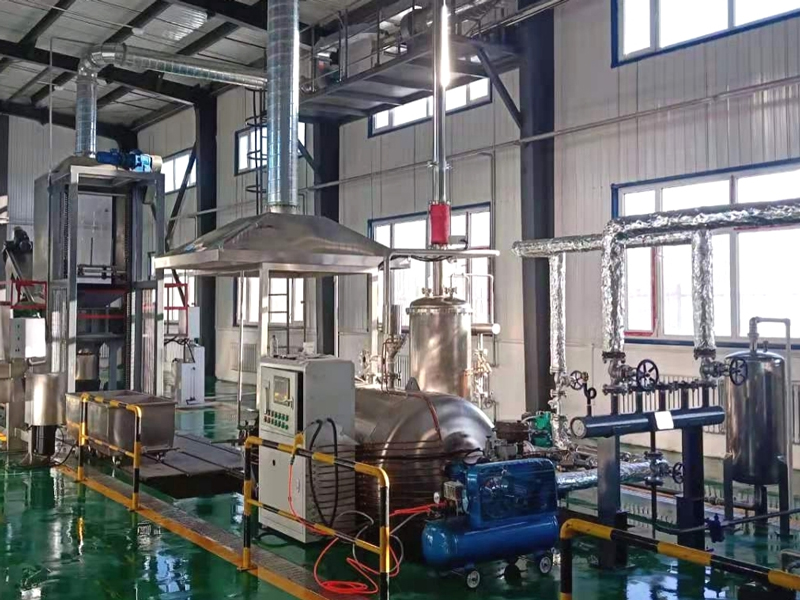
Self-contained, truck-mounted steam autoclaving system for decentralized medical waste processing.
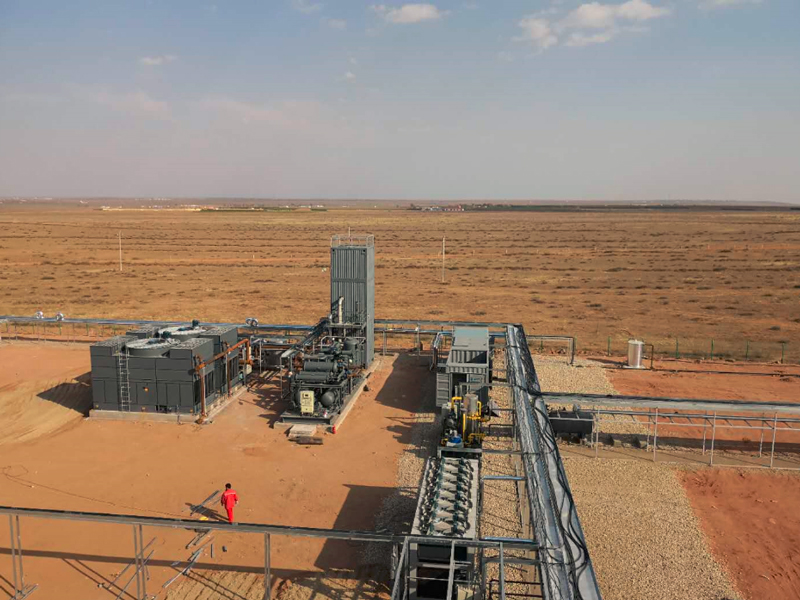
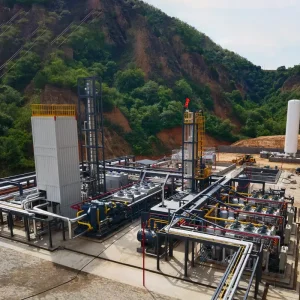
High-efficiency skid-mounted natural gas liquefaction plant deployed directly at the wellhead.
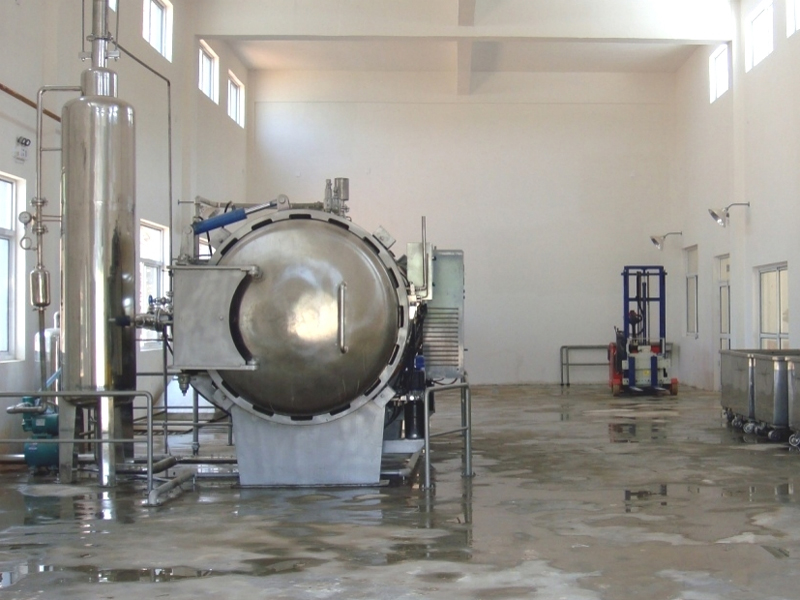
Large-scale municipal waste steam processing plant featuring automated loading and continuous shredding.
Three core operational pillars that ensure safety, compliance, and technological leadership.
Our solutions are developed in collaboration with researchers from the Chinese Academy of Sciences and Tsinghua University, translating physics and thermodynamics research into practical industrial equipment.
We hold an A2 Level Pressure Vessel Manufacturing License, a Pressure Pipeline Component Manufacturing License, GB/T19001-2016 Quality System Certification, and Sinopec HSSE compliance ratings.
Our products contribute to gas recovery, air pollution mitigation, and carbon reduction goals, supporting cleaner energy transitions and industrial sustainability.
Technical answers to common engineering questions regarding pressure vessels, gas purification, and bio-waste processing.
Browse our systems engineered for organic waste gas purification, vehicle-mounted natural gas liquefaction, and bio-hazard processing.
 Hongke Qingneng