Hebei Hongke Qingneng Environmental Protection Equipment Co., Ltd. represents the cutting edge of industrial gas liquefaction, pressure vessel design, and biological containment infrastructure.
Established in June 2021 with a registered capital of 78 million yuan, Hebei Hongke Qingneng Environmental Protection Equipment Co., Ltd. has established itself as an industry leader in engineering, manufacturing, and deploying large-scale thermodynamic systems. Strategically located in the Sanhe Economic Development Zone, Langfang City—a premier industrial base in China—our facilities integrate scientific research with heavy fabrication capabilities.
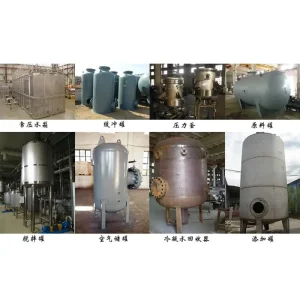
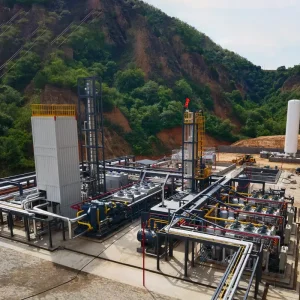
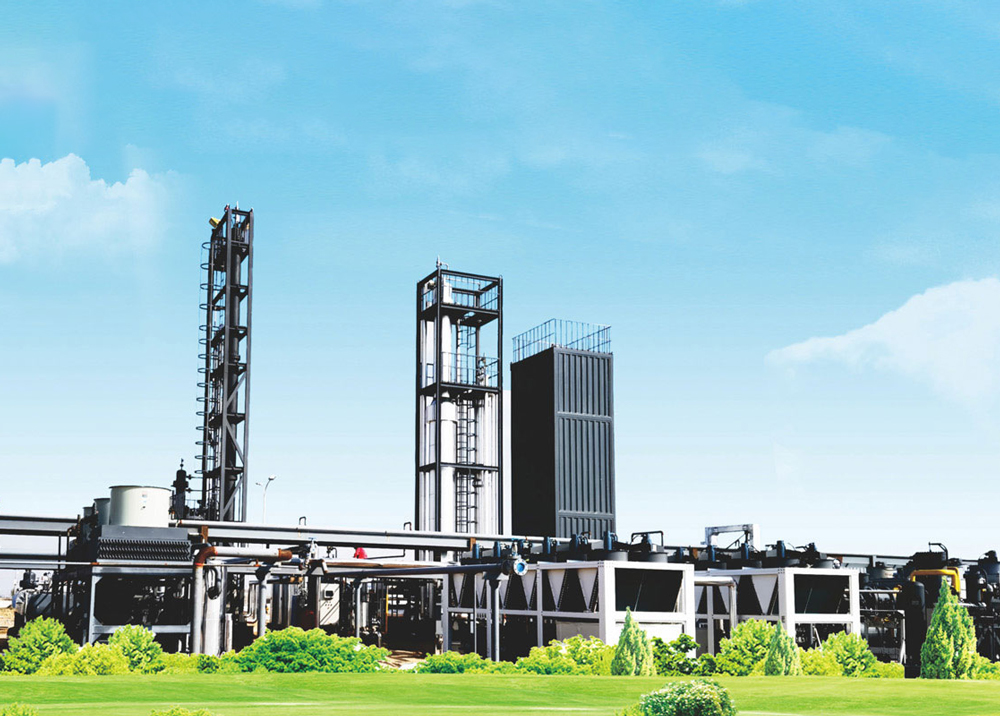
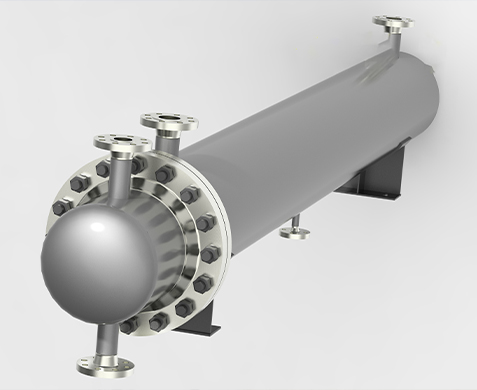
We specialize in the complex design and manufacturing of custom pressure vessels, medical waste processing units utilizing high-temperature steam sterilization, biosafe animal tissue disposal chambers, and specialized biological wastewater treatment lines. Furthermore, our capability extends to state-of-the-art modular skid-mounted assemblies for coalbed methane, shale gas, and natural gas purification and liquefaction, VOC mitigation systems, chemical tail gas treatment components, industrial refrigeration engines, and BOG (Boil-Off Gas) helium extraction facilities.
In accordance with global transitions toward clean energy, our manufacturing methodologies are optimized for minimal carbon footprints. By bridging the gap between academic theory and practical manufacturing, we ensure that each liquefaction plant and pressure vessel delivers maximum thermal efficiency, robust mechanical integrity, and complete compliance with domestic and international safety standards.
Our approach focuses on total life-cycle support, ensuring that our corporate clients receive end-to-end assistance: from structural thermal calculations and physical modeling to automated shop fabrication, site commissioning, and remote telemetry monitoring.
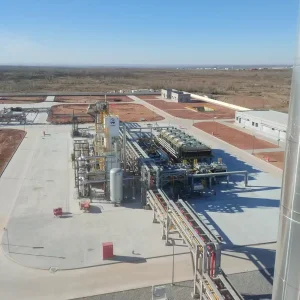
Our integrated plant floor features automated welding, heavy-duty forming machinery, non-destructive testing (NDT) rooms, and dedicated assembly bays for advanced skid-mounted liquefaction hardware.
Building trust through proven scientific achievements, intellectual property, and academic rigor in cryogenic engineering.
Our technical team is backed by professionals from Tsinghua University and the Institute of Physics and Chemistry Technology, Chinese Academy of Sciences (CAS). By combining theoretical thermodynamic models with practical factory execution, we have obtained multiple independent intellectual property patents and established a strong track record of high-performance projects throughout China.
Hongke Qingneng holds the prestigious A2-level pressure vessel manufacturing license, pressure pipeline component manufacturing license, GB/T19001-2016 quality system certification, and Sinopec HSSE/China Petroleum HSE system certifications. We are officially recognized as a High-Tech Enterprise and a Langfang Municipal R&D Platform.
Doctorate recipient from the Institute of Physics and Chemistry Technology, Chinese Academy of Sciences (CAS). National Senior Engineer. Dr. Sun has led numerous national projects, including the National 863 Program, Aerospace and Military Cryogenic Projects, and the CAS Knowledge Innovation Program. Recipient of the Special Prize of Technological Invention from the Chinese Society of Refrigeration (2015) and the First Prize of the Beijing Science and Technology Award (2016). He holds over 20 independent R&D patents and has supervised the deployment of over 50 skid-mounted liquefaction systems.
Ph.D. Candidate and Senior Engineer at the Institute of Physics and Chemistry Technology, CAS. Over a decade of market-facing business management and operations leadership. Led national science and technology initiatives under the "12th Five-Year Plan" and Aerospace Defense research programs. Author of 24 international and domestic academic papers (11 SCI/EI indexed). Recipient of the China International Industry Expo Silver Medal (2017) and the Beijing Science and Technology Award First Prize.
Doctor of Engineering from the Institute of Physics and Chemistry Technology, CAS. Leading expert on skid-mounted natural gas liquefaction. Dr. Cheng’s research centers on phase change heat transfer characteristics and flow properties of multi-component mixed working fluids. Recipient of the Special Prize of the Chinese Refrigeration Society Science and Technology Award (2015) and the First Prize of the Beijing Science and Technology Award (2016). He manages active plant process designs and thermodynamic engineering workflows.
A deep dive into our engineering capabilities, cryogenic cycle configurations, and heavy manufacturing standards.
Our skid-mounted LNG systems utilize optimized Mixed Refrigerant Cycle (MRC) technology. By blending nitrogen, methane, ethylene, propane, and isopentane, our process achieves close temperature matches inside the brazed aluminum plate-fin heat exchangers (BAHX). This thermodynamic alignment minimizes entropy generation and reduces power consumption by up to 15% compared to traditional single-component refrigeration loops.
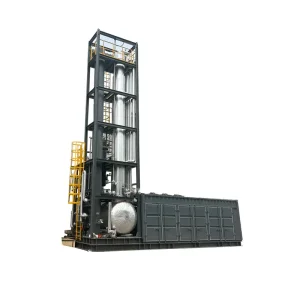
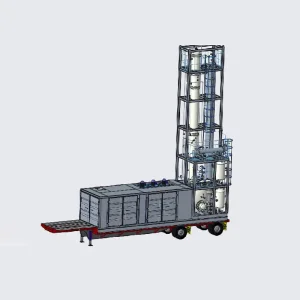
For remote, low-output gas fields and flare-gas capture applications, our skid-mounted design allows for rapid logistics, installation, and relocation. These systems feature fully integrated piping, power distribution, and digital monitoring setups within modular frames.
During bulk liquid storage, pressure changes lead to the formation of Boil-Off Gas (BOG). Rather than venting or flaring, our recovery plants capture and compress this gas, returning it to liquid state. In deposits with trace helium, we integrate cryogenic distillation columns to isolate and purify helium at temperatures below -268.9°C. This adds an important high-value revenue stream for natural gas processors.
Each component undergoes rigorous thermal stress analysis using Finite Element Analysis (FEA) software. This ensures long-term performance under high thermal gradient cycles, typical of cryogenic starting and stopping operations.
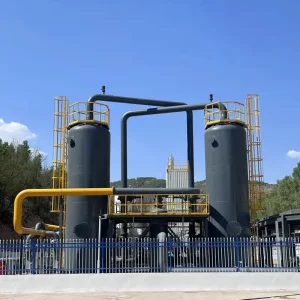
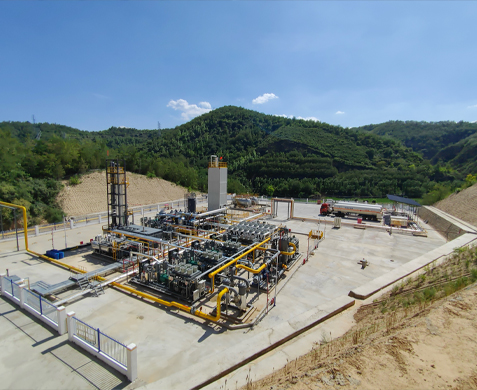
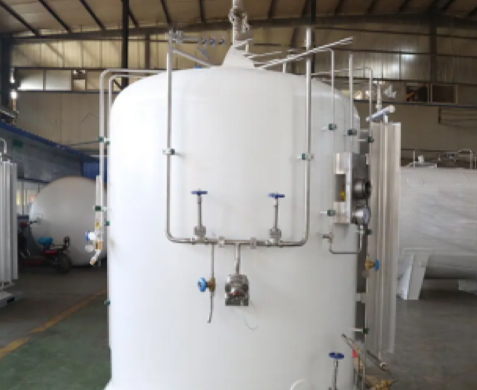
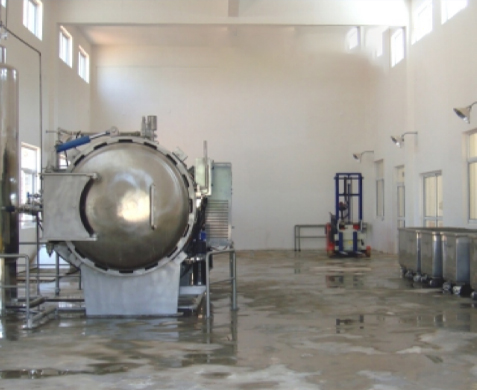
Our systems are deployed across various demanding environments, highlighting our versatility in waste management, gas recovery, and cryogenic processing.
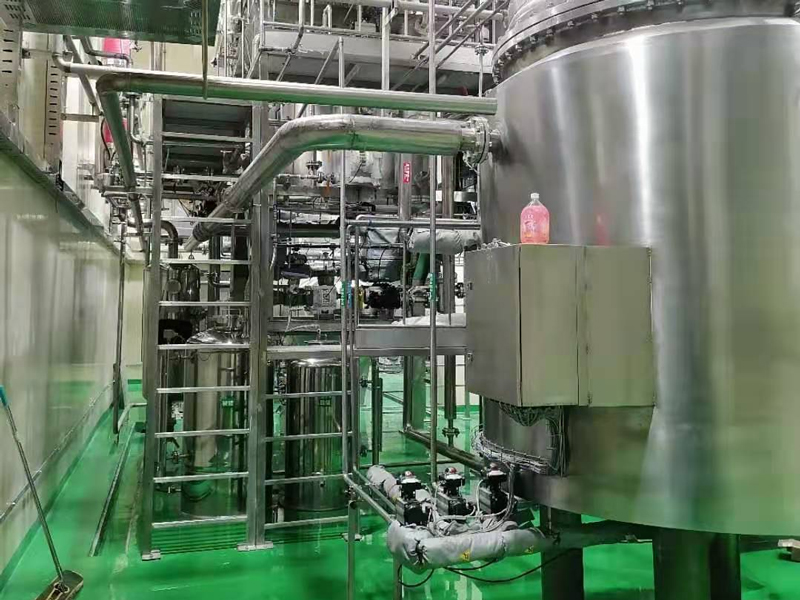
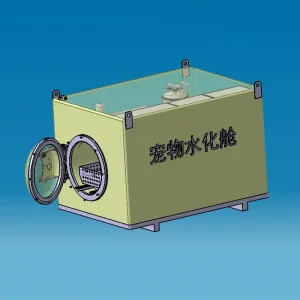
Laboratory Animal Residue Harmless Treatment System
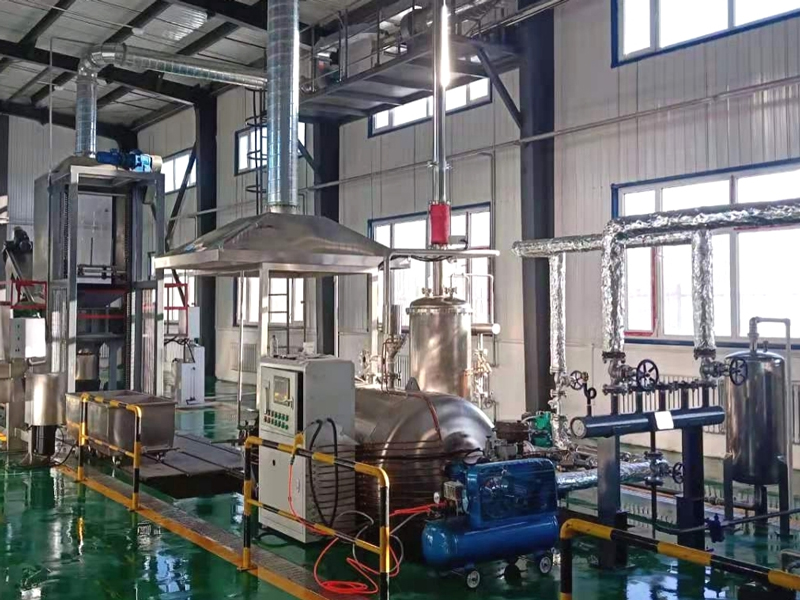
Mobile Medical Waste Disposal Unit
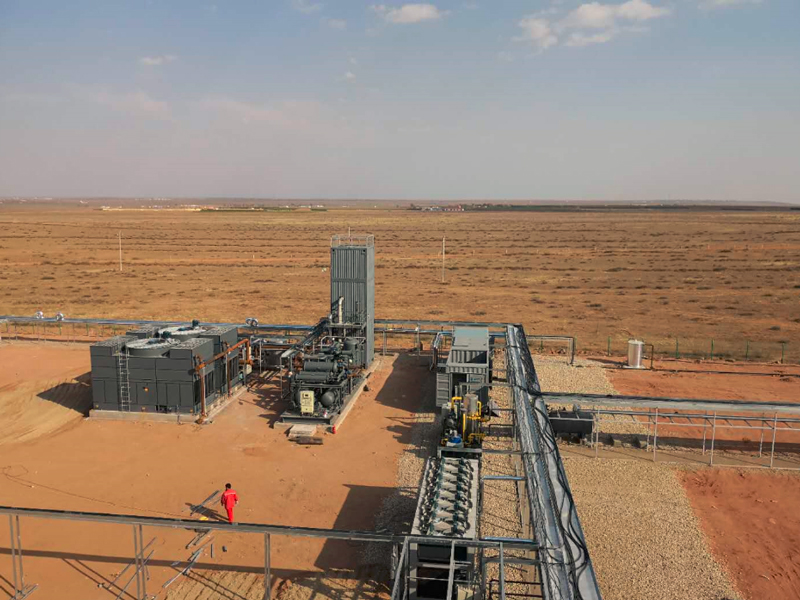
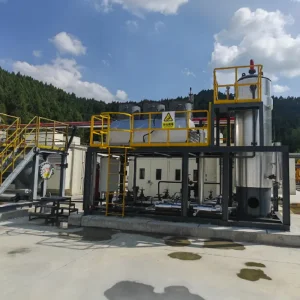
M3/d of Well Gas Liquefaction Project
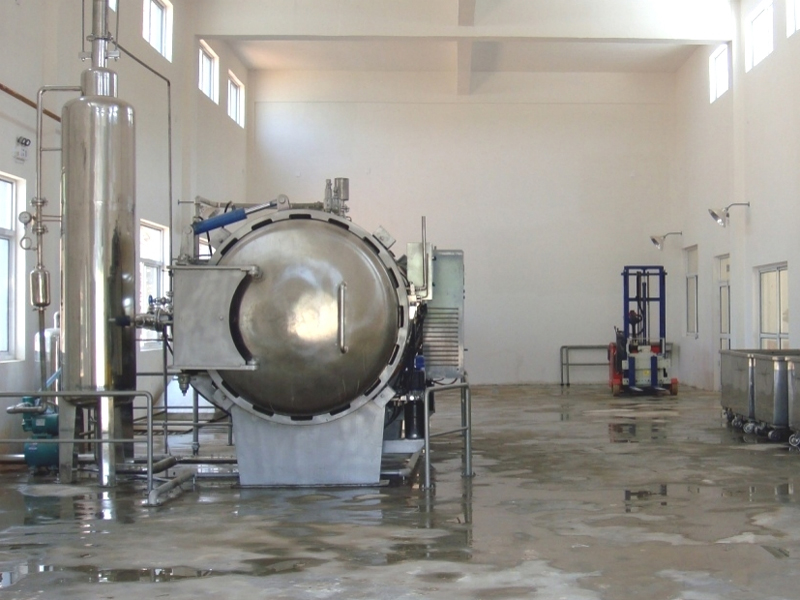
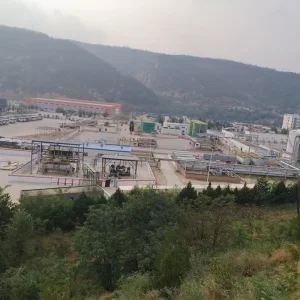
Centralized Medical Waste High-Temperature Steam Plant
Providing systems to clean energy developers, industrial manufacturers, and municipal waste agencies.
Raw natural gas, coalbed methane (CBM), and shale gas contain impurities that can freeze at cryogenic temperatures. Our pre-treatment skids systematically remove acid gases (CO2, H2S) through amine wash absorption, extract water down to less than 1 ppm using molecular sieve dehydration beds, and separate heavy hydrocarbons via cryogenic distillation. This safeguards the liquefaction phase from solid blockages.
Our Volatile Organic Compound (VOC) mitigation units utilize multi-stage condensation, absorption, and oxidation technologies. Designed for chemical plants, solvent processing facilities, and storage terminals, these systems capture valuable organic vapors, helping operators comply with strict regional emission regulations while recovering raw materials.
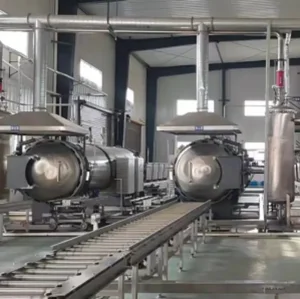
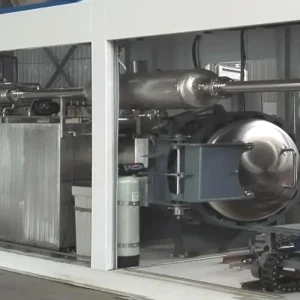
We manufacture advanced medical waste and animal carcass processing equipment. Utilizing high-temperature, high-pressure steam autoclave technology, these systems neutralize biohazardous waste without producing harmful incinerator emissions. We offer both centralized facility installations and mobile, containerized systems for field deployment.
How our localized ecosystem, advanced quality checks, and production capacity ensure delivery reliability.
Operating from Sanhe Economic Development Zone, Langfang, Hongke Qingneng leverages a robust industrial supply chain. We maintain direct partnerships with domestic steel mills for certified low-temperature carbon steel and cryogenic 304/316L stainless steel plate stock. This secure supply chain reduces material procurement lead times by up to 30% compared to international averages, helping insulate our customers from sudden market shifts.
Our quality control program is structured around our Class A2 (Stationary Pressure Vessel) Manufacturing License. Every phase of production is documented, including material receiving, automated plasma cutting, bevel preparation, longitudinal/circumferential welding, heat treatment, and hydro-testing. All pressure-retaining welds undergo Non-Destructive Testing (RT, UT, MT, and PT) to ensure internal integrity under extreme operations.
Additionally, our factory incorporates automation technologies, featuring robotic welding columns for pressure vessel shells and automated tube-to-tubesheet orbital welding units for shell-and-tube heat exchangers. These processes maintain consistent weld bead depth and prevent thermal stress defects.
Our quality assurance program is verified by third-party inspection agencies, ensuring that all equipment shipping out of Langfang is ready for prompt commissioning upon arrival.
Adapting to international standards, shipping logistics, and site engineering demands.
We work closely with global EPC (Engineering, Procurement, and Construction) companies and industrial operators. We recognize that regional regulatory requirements are critical for successful installations. Our engineering team is experienced in designing equipment to meet ASME Section VIII Div 1/Div 2, EU Pressure Equipment Directive (PED), and CE marking standards, alongside GB-150 national codes.
For skid-mounted hardware, we optimize structural profiles to fit standard shipping containers or flat racks, reducing marine and land freight costs. All electrical systems, junctions, and control architectures are pre-wired and tested, then packed using heavy-duty export crates to prevent moisture or vibration damage during transit.
Our engineers also provide detailed technical documentation, including process flow diagrams (PFD), piping and instrumentation diagrams (P&ID), 3D structural layouts, foundation load plans, and PLC logic control manuals. This comprehensive documentation supports localized licensing processes and helps speed up project approvals.
We offer engineering supervision, onsite commissioning, and plant start-up training, backed by remote support systems to ensure consistent operation long after commissioning.
Technical clarifications regarding liquefaction parameters, pressure vessel manufacturing, and order execution.
Whether you require a custom non-standard pressure vessel design or a complete modular skid-mounted liquefaction unit, our research-backed manufacturing facility is ready to support your project. Connect with our engineering department today for calculations and technical proposals.
Submit Engineering Inquiry Hongke Qingneng