 Hongke Qingneng
Global Procurement Dynamics: Connecting European Standards with Custom Engineering
Within the modern process industries, sourcing industrial vessels, heat exchangers, and gas liquefaction skids requires an acute balancing of regulatory compliance, metallurgy precision, and cost structures. In recent years, Polish vessel manufacturers have built a strong reputation across the European Union, utilizing the strict framework of the Pressure Equipment Directive (PED) 2014/68/EU and EN 13445 harmonized standards. Poland’s strategic location, highly skilled welding workforce (complying with EN ISO 9606-1), and proximity to Western European markets have positioned its factories as critical partners for chemical, pharmaceutical, and oil & gas projects.
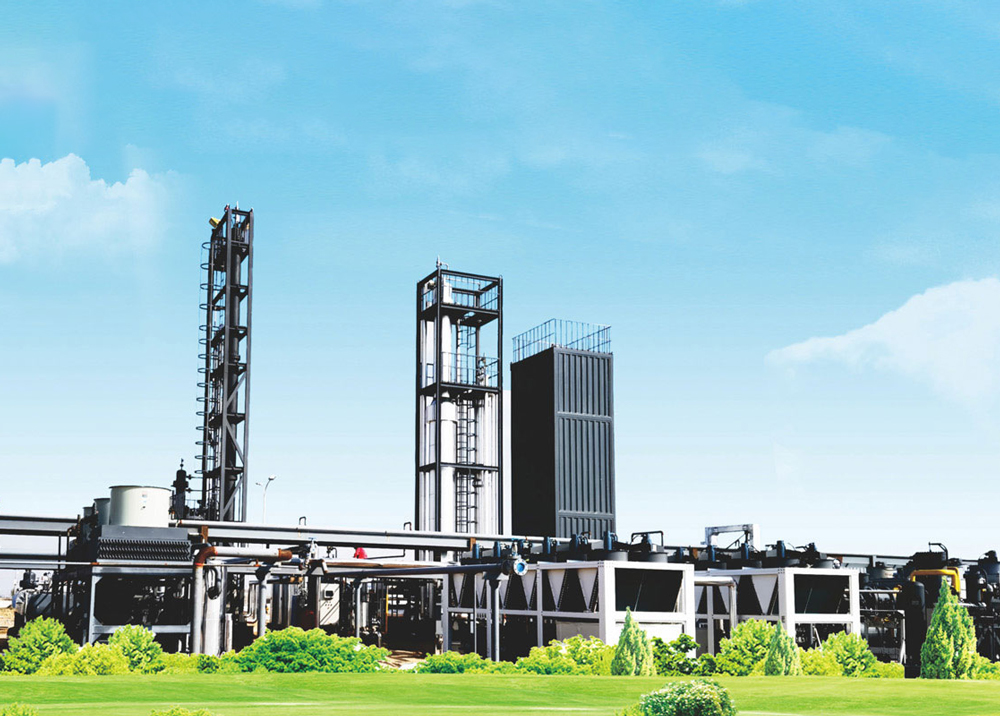
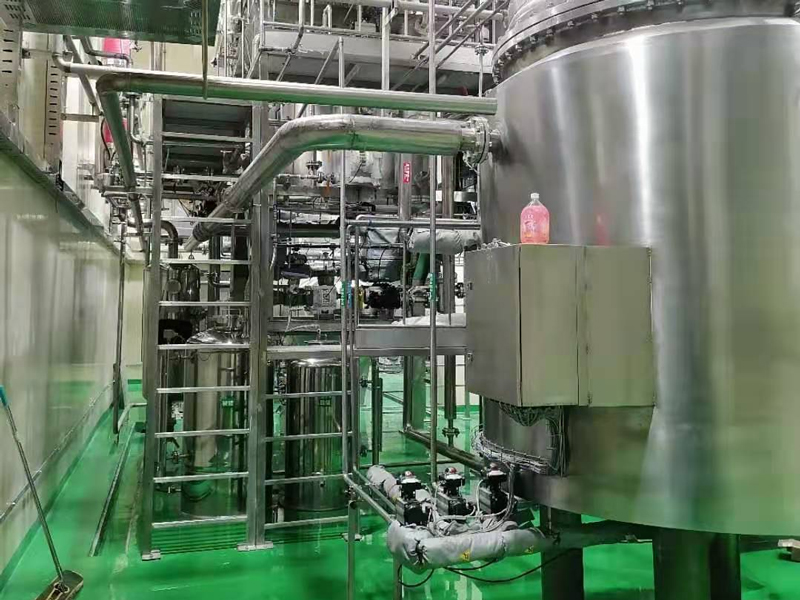
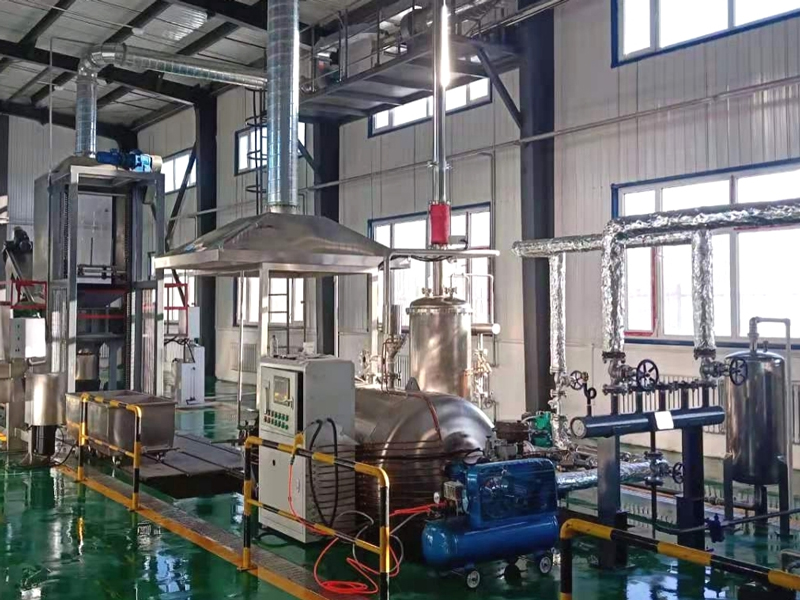
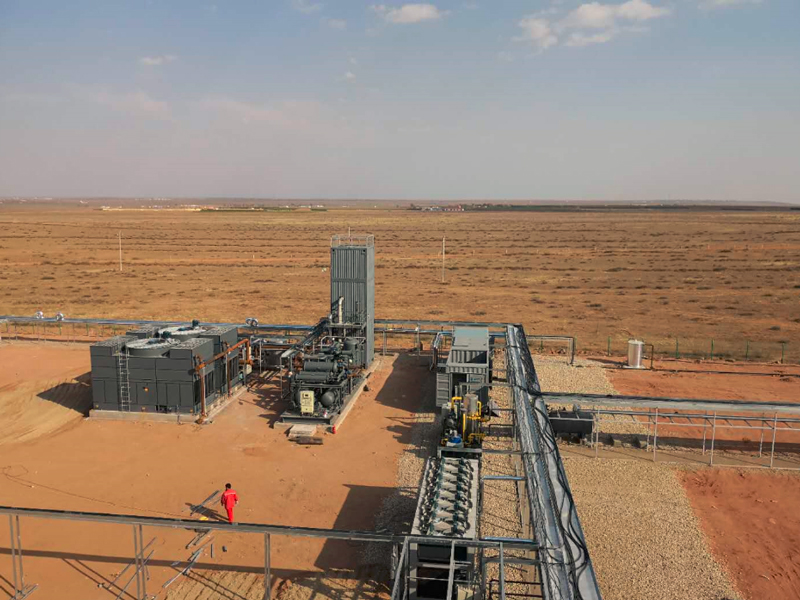
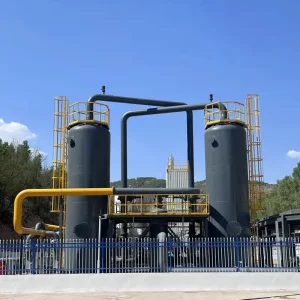
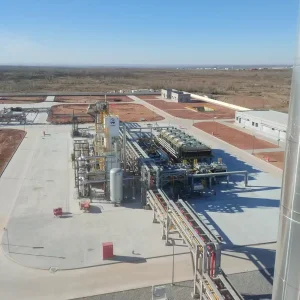
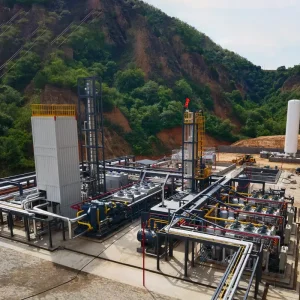
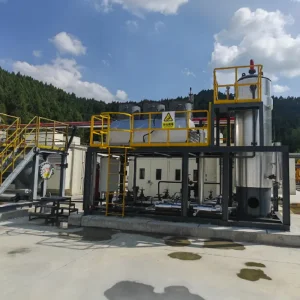
However, the global landscape of capital expenditure (CAPEX) project management has shifted. While European engineering offices specify complex process layouts, the procurement divisions of multinational conglomerates are increasingly looking to advanced Asian technological hubs to obtain the same rigorous engineering standards with enhanced design flexibility. Hebei Hongke Qingneng Environmental Protection Equipment Co., Ltd. bridge this gap, integrating academic research (originating from Tsinghua University and the Chinese Academy of Sciences) with industrial-scale fabrication that directly aligns with European requirements.
By comparing the technical workflows, material tolerances, and execution methodologies of top-tier Polish factories with Hongke Qingneng's proprietary technological platform, procurement directors can unlock significant Information Gain. Understanding this technical convergence allows global EPC (Engineering, Procurement, and Construction) companies to optimize their supply chain risk profile, securing non-standard pressure vessels that meet EN, ASME, and GB codes under a single unified engineering management system.